

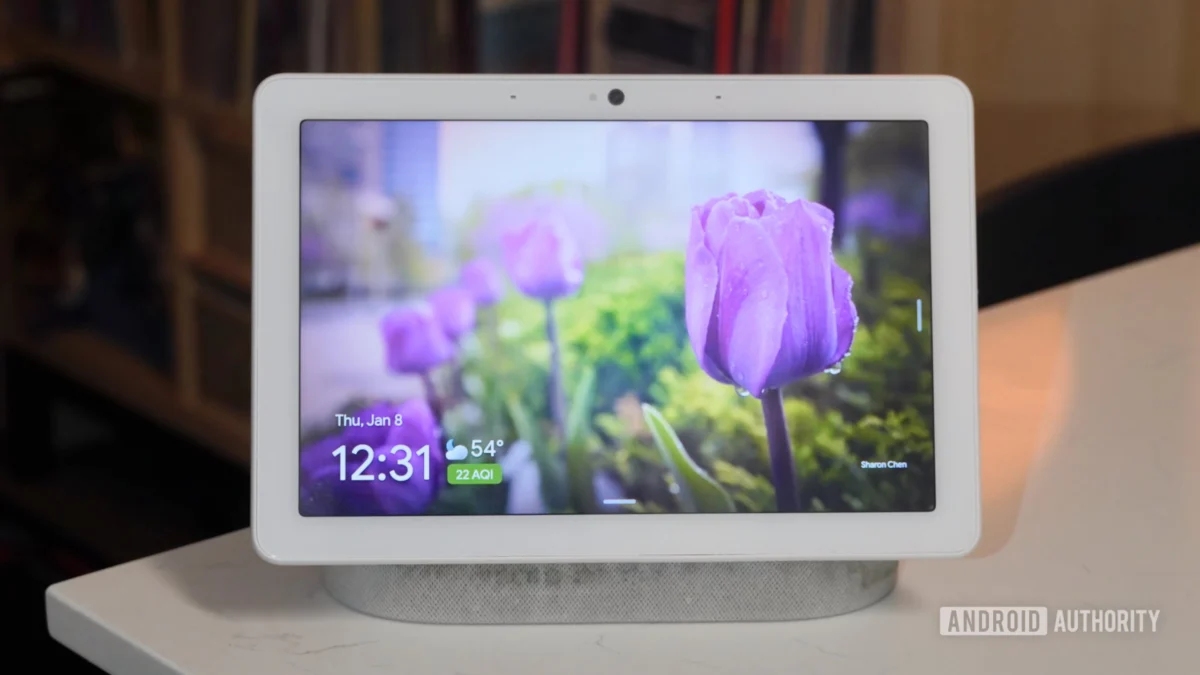
For years, the smart home landscape has been in a state of quiet transition. As consumers shifted toward mobile-first interfaces and AI-powered voice assistants, the category of the dedicated smart display—once the centerpiece of the "connected home"—seemed to be fading into the background. However, fresh evidence unearthed from the deep code of Google’s own ecosystem suggests that the tech giant is not abandoning this category; rather, it is rebranding it.
Recent findings from app developers suggest that Google is preparing a new smart display, potentially abandoning the "Nest" moniker in favor of a simpler, more unified "Google Home" branding. This development signals a potential paradigm shift in how Google intends to position its hardware within the increasingly competitive smart home market.
Main Facts: The "Google Home Display" Leak
The discovery originated from persistent app sleuth @aaronp613, a contributor known for uncovering unreleased features within the Google Home app for iOS. Deep within the application’s latest code, references to a device explicitly labeled "Google Home Display" were identified.
While the code snippet itself is sparse, the implications are significant. For years, Google has relied on the "Nest" brand—a legacy of its 2014 acquisition—to market its thermostats, cameras, and smart displays. The transition to "Google Home Display" suggests a strategic pivot to unify its hardware under the master brand, mirroring the recent emergence of the "Google Home Speaker." By stripping away the secondary branding, Google appears to be aiming for a more cohesive, recognizable identity that aligns with its broader push into AI-driven home automation.
Chronology: A History of Google’s Smart Display Evolution
To understand the significance of this leak, one must look at the timeline of Google’s hardware trajectory.
The Rise of the Nest Hub
- 2018: Google launches the original Google Home Hub, later rebranded as the Nest Hub. It was an immediate success, offering a centralized interface for controlling smart lights, locks, and cameras.
- 2019: The company expands the category with the Nest Hub Max, featuring a larger screen and a built-in camera for video calling and security monitoring.
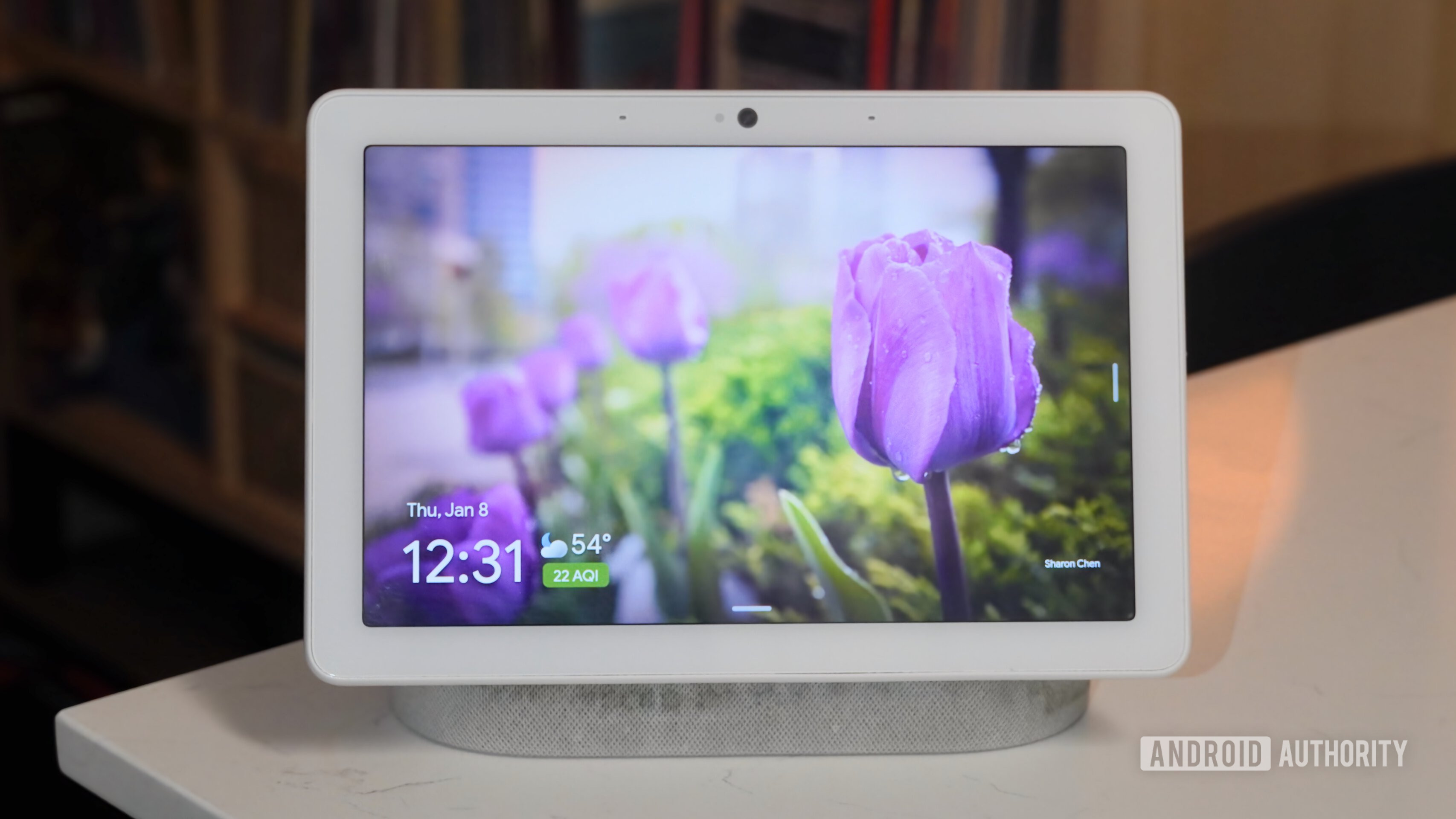
- 2021: The second-generation Nest Hub is released, introducing Soli radar technology for sleep tracking and gesture controls. This would prove to be the last major update to the standalone Nest Hub lineup.
The "Pixel Tablet" Interlude
- 2023: Google releases the Pixel Tablet. With its unique magnetic charging dock, it effectively served a dual purpose: a high-end Android tablet by day and a smart display by night. Many analysts speculated that the Pixel Tablet was intended to sunset the dedicated Nest Hub category entirely, as Google sought to minimize hardware fragmentation.
The Current State of Affairs
- 2024–2025: A period of silence ensued. During this time, the Nest Hub began to show its age, struggling with newer software updates and lacking the advanced, generative AI capabilities seen in newer competitors.
- Late 2025: Anish Kattukaran, Google’s Home Chief Product Officer, publicly confirmed the company’s continued commitment to smart displays, hinting that more information would be revealed "soon" as Gemini AI became more deeply integrated into the home.
Supporting Data: Why a New Device is Necessary
The consumer electronics market has evolved drastically since 2021. The "smart home" of today is no longer just about voice commands; it is about proactive, generative AI.
Hardware Obsolescence
The second-generation Nest Hub, while capable, runs on aging hardware that struggles to keep pace with the modern Google Home interface. Users have frequently reported sluggish performance, lagging response times, and limited support for the latest Matter and Thread protocols that are now the standard for smart home interoperability.
The AI Imperative
The core of the upcoming Google Home strategy is Gemini. Unlike the older Google Assistant, which relied on rigid, rule-based logic, Gemini is designed to understand context, complex multi-step queries, and visual input. A "Google Home Display" would provide the perfect hardware canvas for this AI. By placing a powerful, dedicated device in the kitchen or living room, Google can leverage the display to show real-time insights, summarize security footage via computer vision, and act as a localized hub for AI processing.
Market Competition
The competition has not stood still. Amazon’s Echo Show series has undergone multiple iterations, and third-party manufacturers continue to flood the market with displays that integrate seamlessly with Google’s software. To maintain its foothold in the smart home ecosystem, Google requires a hardware solution that is purpose-built, not just an adapted tablet.
Official Responses and Strategic Intent
Google has historically been guarded about its hardware roadmap, but recent comments from leadership suggest a clearer vision. When Anish Kattukaran addressed the future of the product line, he emphasized that the smart display category is not dead.
The narrative shift is clear: Google is moving away from the idea of "smart home gadgets" and toward the concept of an "intelligent home ecosystem." By integrating Gemini directly into the device’s firmware, Google is positioning the new "Google Home Display" as the "brain" of the house. Official company rhetoric consistently points toward a vision where the device is not just a screen, but a proactive assistant that anticipates needs—adjusting temperatures, filtering notifications, and managing home security without requiring a manual prompt.
Implications: What This Means for the Consumer
The move to rebrand and potentially release a new device has several major implications for both the tech industry and the end user.
1. Ecosystem Unification
The "Google Home" branding is a calculated attempt to simplify consumer choice. For years, customers had to navigate the confusing overlap between "Google Nest," "Google Pixel," and "Google Home." By consolidating, Google is signaling a return to its roots: one brand, one interface, and one unified experience.
2. The Gemini Integration
The most exciting implication is the integration of generative AI. A new display equipped with a Neural Processing Unit (NPU) could process voice commands locally, significantly reducing latency. Imagine asking your home display, "Who is at the front door?" and receiving a summarized, descriptive answer rather than just a grainy video feed. This is the promise of the next generation of smart displays.
3. The End of the "Tablet-as-Display" Experiment?
If a dedicated Google Home Display launches, it may suggest that the Pixel Tablet experiment failed to fully satisfy the "always-on" smart home user. While tablets are versatile, they lack the dedicated focus of a fixed-position smart display. A device that is permanently stationed on a wall or a counter needs to be optimized for ambient computing, not just app-based interactions.
4. Privacy and Trust
With a new device comes the question of data privacy. As Google leans further into AI, users will be looking for better transparency regarding how their audio and visual data is processed. The branding shift to "Google Home" might also be an attempt to re-establish trust by framing the display as a fundamental home utility rather than a data-collection peripheral.
Conclusion: A Promising Horizon
While the references in the Google Home app code are not a formal product launch, they represent a strong, positive signal for a category that many had written off. After years of relative stagnation, the prospect of a refreshed smart display—powered by Gemini and unified under the Google Home banner—is exactly what the ecosystem needs to remain relevant.
For the average user, this means the possibility of a faster, smarter, and more intuitive way to manage their home environment. For Google, it is a chance to reclaim the "center of the home" from its competitors. Whether this device launches later this year or in 2026, one thing is certain: the era of the dumb smart display is coming to an end, and the era of the AI-powered home hub is just beginning. As we wait for official confirmation, we will continue to monitor the code and the market for further signs of this exciting transition.












No comments yet. Be the first to join the conversation!