Ammar Sabilarrohman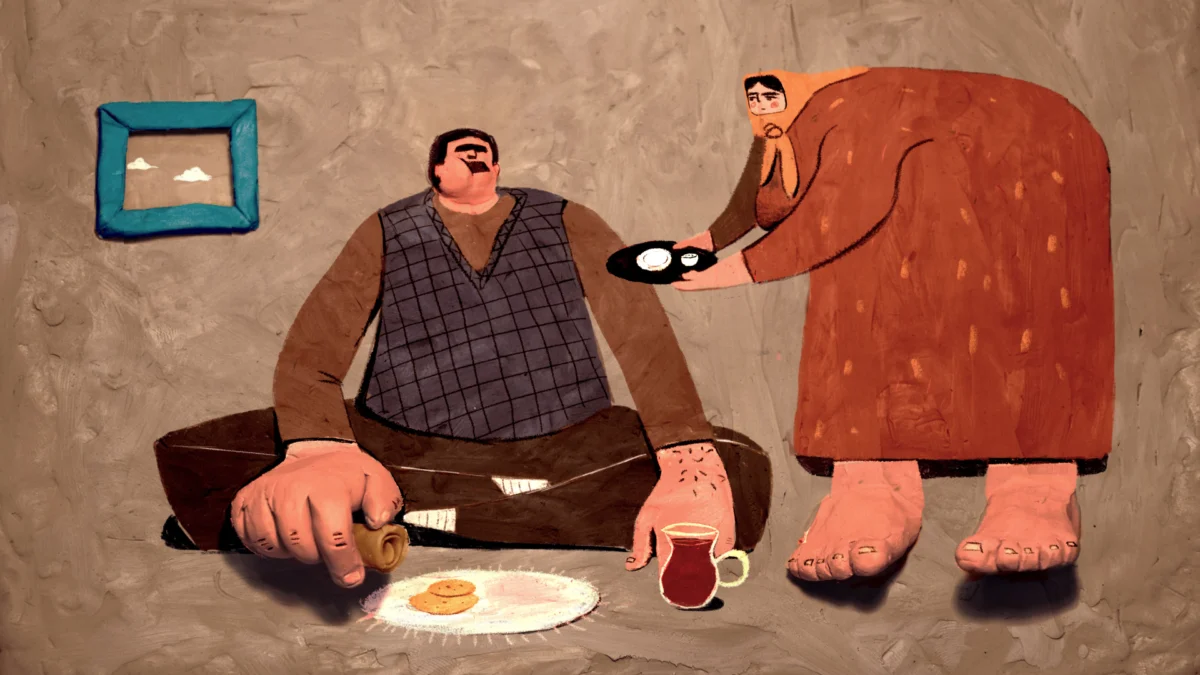
In the ever-evolving landscape of contemporary independent animation, few voices are as distinct or as philosophically resonant as that of Iranian filmmaker Yegane Moghaddam. Following the historic success of her Oscar-nominated short Our Uniform—the first Iranian animated film to receive an Academy Award nomination—Moghaddam is returning to the global stage with an ambitious new project: Our Body Language.
This 12-minute mixed-media film, which utilizes a sophisticated blend of clay and 2D animation, marks a bold progression in Moghaddam’s exploration of how sociopolitical pressures are physically inscribed upon the human form. Through a wordless narrative, the film interrogates the unspoken grammar of human movement, proposing that before we speak, our bodies have already communicated our history, our politics, and our deepest vulnerabilities.
The Core Concept: A Language Beyond Words
At its heart, Our Body Language is an exercise in minimalism and profound observation. Moghaddam describes the film as a window into a town where the citizenry communicates entirely through physical gesture. This is not merely a stylistic choice; it is a conceptual framework designed to strip away the artifice of speech and focus on the raw, often involuntary data of human behavior.
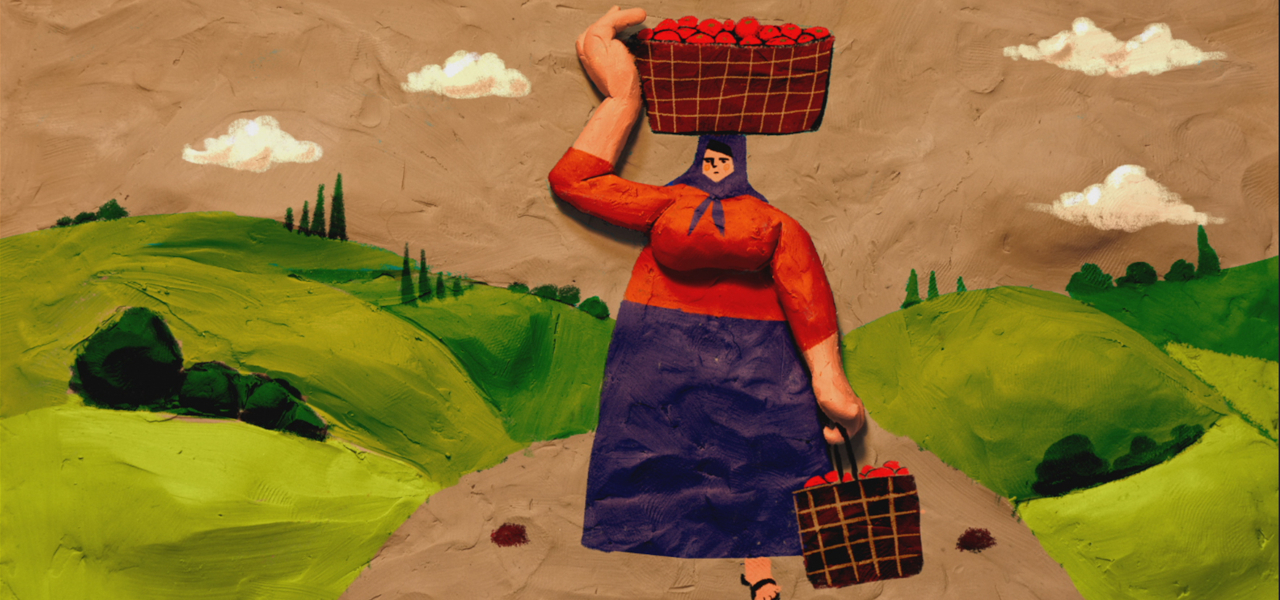
"The film is the story of a town and its people told entirely through body language," Moghaddam explains. "It is a silent language with its own vocabulary, grammar, rhythms, memories, and possible futures."
The narrative arc centers on the transformation of a young girl, tracing her maturation into womanhood. Visually, this is depicted through the transition of her physical presence—shifting from the fluid, elastic, and spontaneous movements of childhood to a state of increased rigidity and control. This evolution serves as a metaphor for the broader social and political forces that demand conformity, caution, and performative behavior in public spaces.
To heighten the sensory experience of this physical focus, the film employs an entirely a cappella soundtrack. By composing the score exclusively from human voices, Moghaddam mirrors the film’s central conceit: the body as the primary instrument of expression and existence.
.png)
Chronology: From Concept to Production Challenges
The genesis of Our Body Language began shortly after the international acclaim surrounding Our Uniform. However, the production process has been far from linear, defined by both creative expansion and significant geopolitical disruption.
- Initial Conception: Following the success of Our Uniform, Moghaddam began conceptualizing a project that would serve as the anchor for a larger, episodic series focusing on nonverbal communication in various social environments—schools, workplaces, and transit systems.
- Production Development: Throughout 2024 and 2025, Moghaddam experimented with clay animation, realizing that the medium provided a tactile, malleable quality perfectly suited for depicting the "stiffness" or "fluidity" of the human form under pressure.
- Geopolitical Interruption: Production faced severe delays as a direct result of ongoing regional conflicts. Moghaddam has been vocal about how the instability and the impact of U.S. sanctions against Iran hindered her ability to collaborate with her local crew.
- The Emotional Toll: The filmmaker noted that the process of creating art while witnessing the suffering of her homeland created a profound sense of dissonance. This struggle, rather than stopping the project, informed the final tone of the work.
- Current Status: As of May 2026, the film is in its final stages of completion, with an anticipated delivery date set for the end of July 2026.
Supporting Data: The Anatomy of Social Control
Moghaddam’s research into the project suggests that "the body carries history, politics, class, gender, religion, shame, and longing before words even begin." Her approach is heavily influenced by the observational study of human interactions in restrictive environments.
By focusing on the "small" details of posture and presence, the film acts as a sociological study. The episodic world she intends to build will observe how specific environments dictate the "vocabulary" of the body:
- Schools: Examining the imposition of discipline and the early stages of social conditioning.
- Cafeterias and Workplaces: Observing the performance of power dynamics and the subtle manifestations of resistance.
- Public Transit: Analyzing the involuntary physical boundaries people create in shared, crowded spaces.
The transition from the specificities of Iranian culture—where the film is rooted—to a more universal exploration of human behavior highlights a maturing of Moghaddam’s directorial vision. She realized during production that the "clay" of human behavior is malleable across all societies, regardless of the specific political climate.
Official Perspective: The Filmmaker’s Philosophy
In exclusive interviews, Moghaddam has positioned Our Body Language as a necessary critique of modern, tech-saturated life. She posits that in an era increasingly governed by AI-generated content and digital mediation, the physical act of "being" is being neglected.
"In a world increasingly dominated by AI-powered technologies, it’s becoming more important to ask what actually defines us as human beings and what still separates us from machines," she states. "Through body language, the project encourages viewers to become more aware of the many details embedded in everyday human encounters that often go unnoticed."
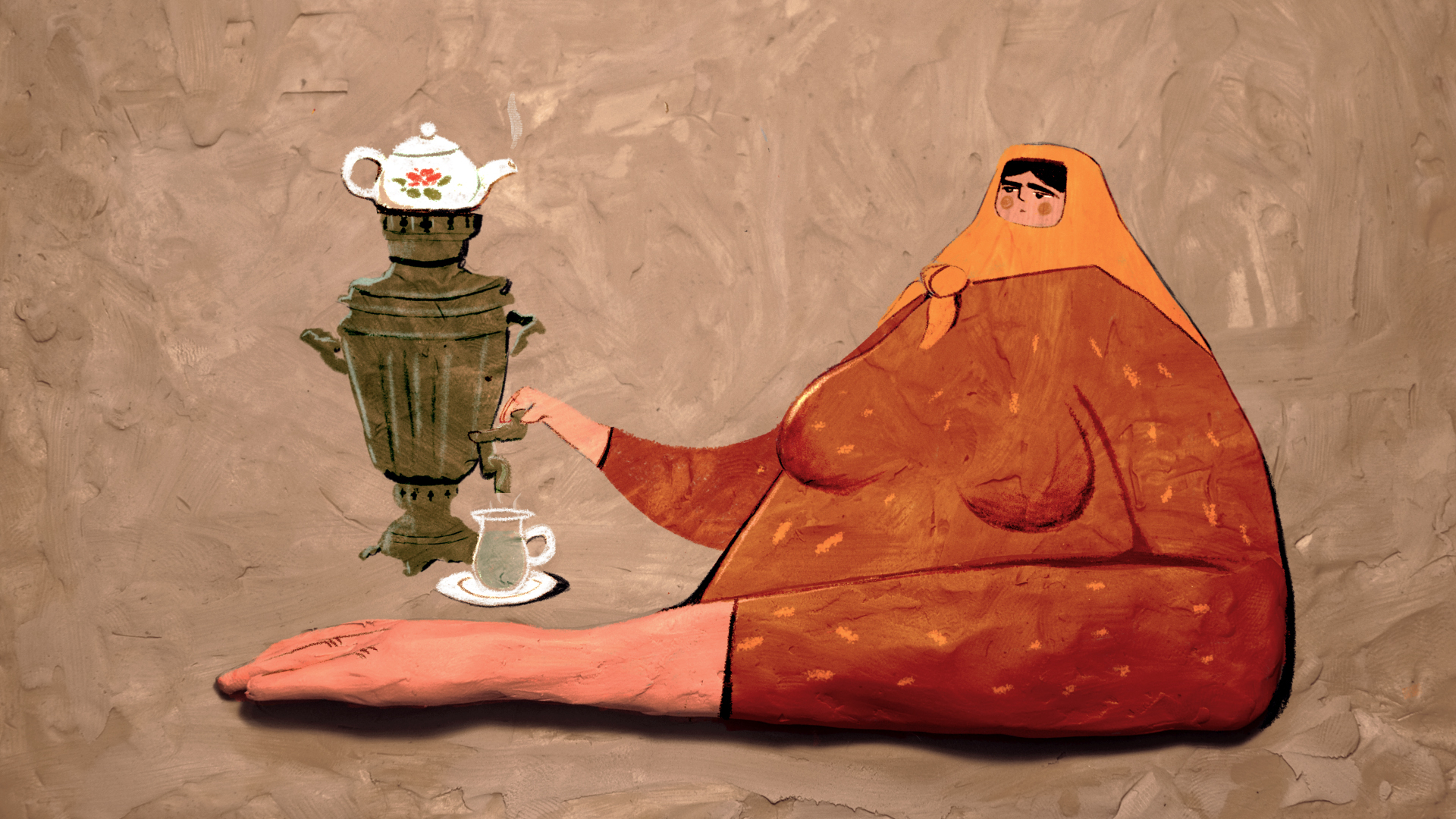
This focus on the "subtlety of being human" is a direct response to the increasing loss of nuance in global communication. By forcing the audience to watch, rather than listen, Moghaddam is attempting to re-sensitize viewers to the non-verbal cues that constitute the foundation of human empathy and, by extension, human conflict.
The Broader Implications: Art in the Face of Conflict
Perhaps the most harrowing and significant aspect of the film’s development is the context of its creation. Moghaddam has been transparent about the impact of the ongoing geopolitical crisis involving Iran and the United States.
The disruption of her creative team and the emotional burden of viewing the destruction of her home from a distance have irrevocably altered the project’s DNA. Moghaddam notes, "In many ways, these events only deepened the film’s focus on vulnerability, control, and the human body under pressure."
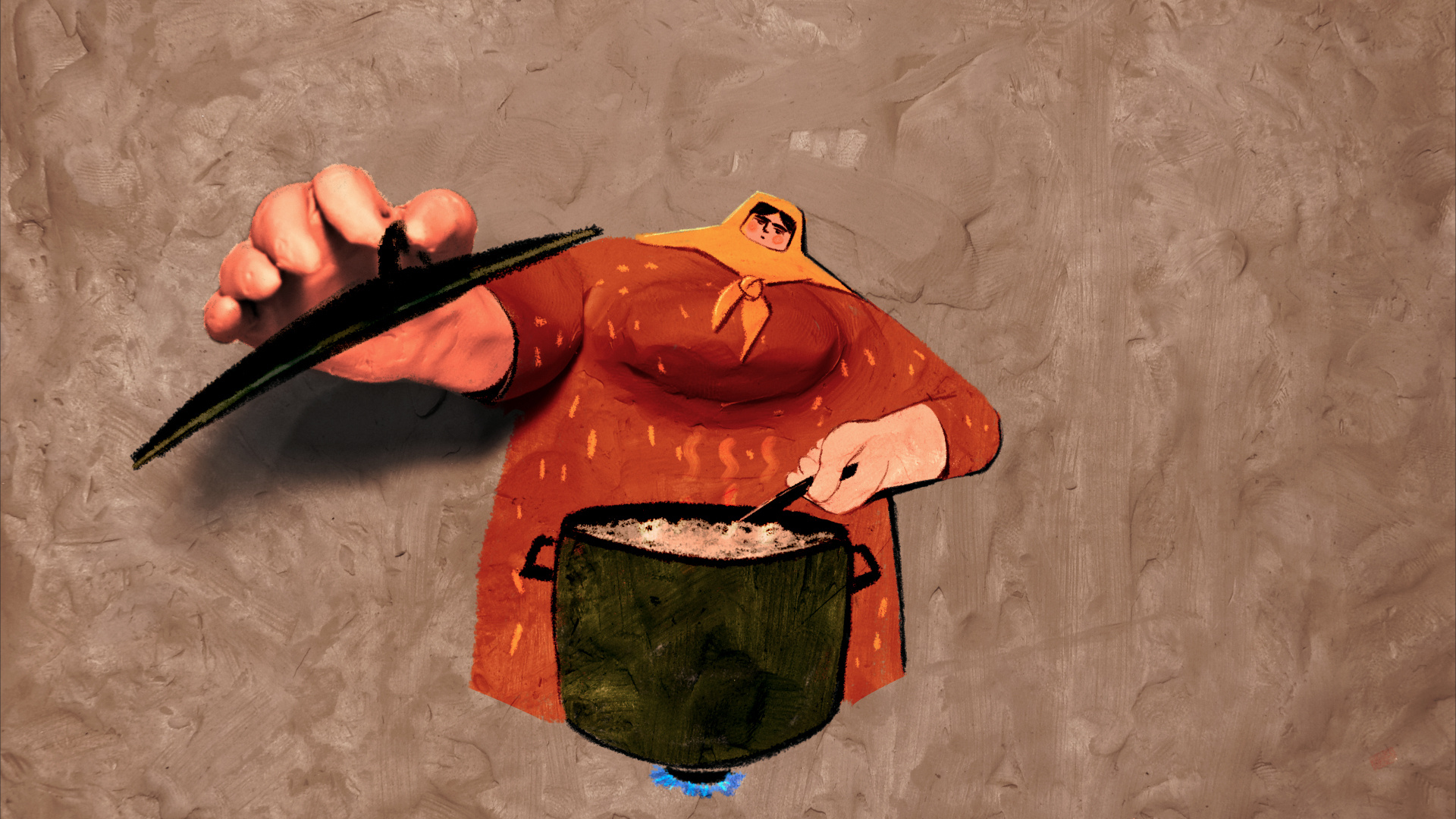
The film, therefore, stands as a piece of "active resistance." By focusing on the body—a site of control and state regulation—Moghaddam is making a political statement that transcends dialogue. She is arguing that even when the state or the environment attempts to dictate movement, the body remains a space of hidden truth, potential resistance, and inevitable decay or transformation.
Looking Forward: A Legacy in the Making
With Our Uniform now enjoying a second life on platforms like Vimeo and serving as a landmark in the history of Iranian animation, expectations for Our Body Language are understandably high. However, Moghaddam is not interested in merely replicating the success of her previous work.
By scaling her vision into an episodic, multi-part world, she is attempting to build a legacy that goes beyond the "short film" format. She aims to create a catalog of human movement—a visual lexicon that catalogs how we exist in relation to one another.
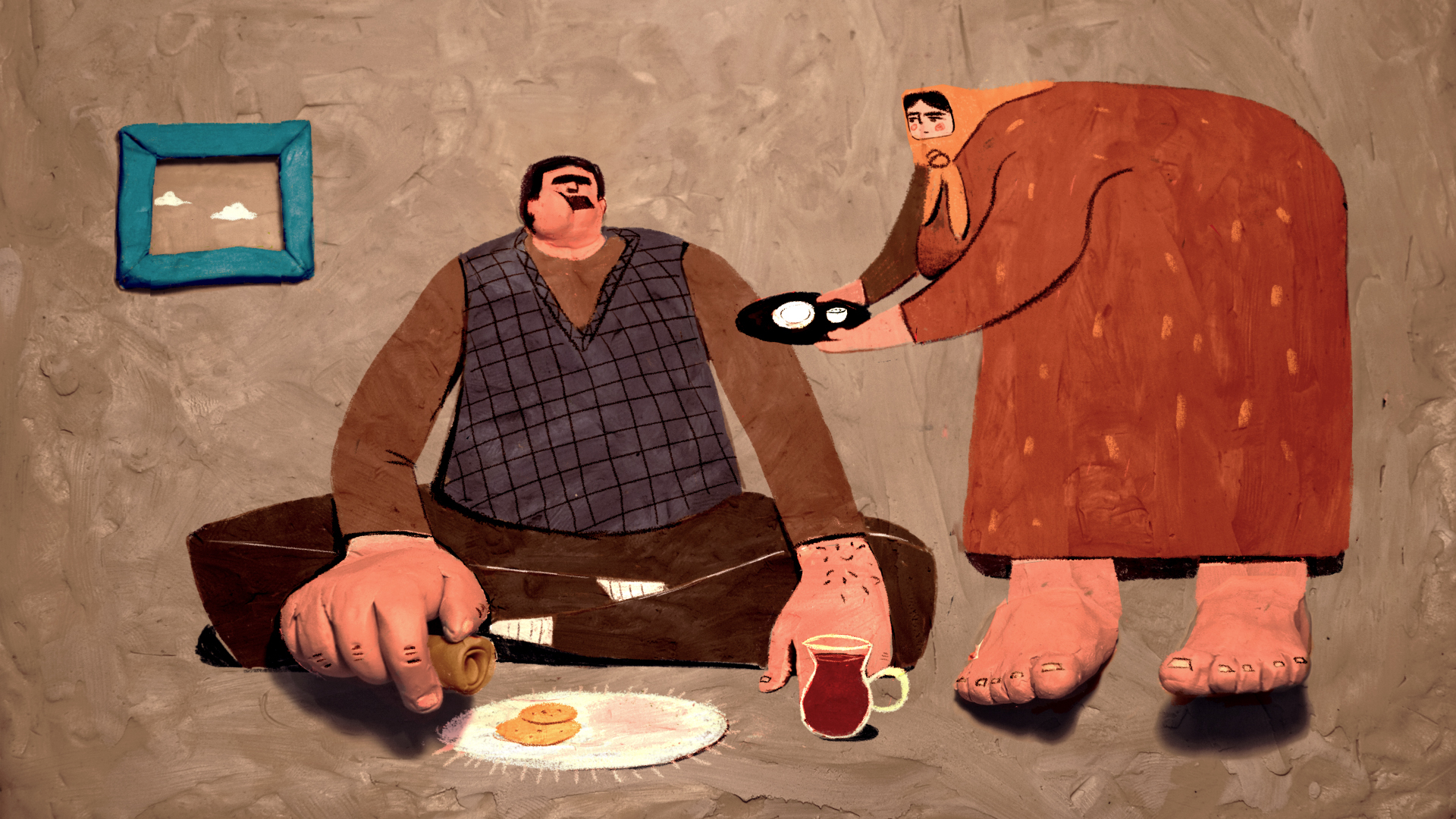
As she moves toward the July completion date, the global animation community watches with anticipation. If Our Body Language can capture even a fraction of the raw, uncomfortable, and deeply human truth that Moghaddam has described, it will not only solidify her status as a premier auteur but also serve as a vital, necessary reminder of the power of the human form in an age of increasing digital abstraction.
In the final analysis, Yegane Moghaddam’s work serves as a testament to the resilience of the creative spirit. Despite sanctions, distance, and the weight of geopolitical violence, she continues to craft art that demands we look closer—not at the words being said, but at the bodies doing the speaking.

 Neng Nana
 Asro
Asro