Lina Hope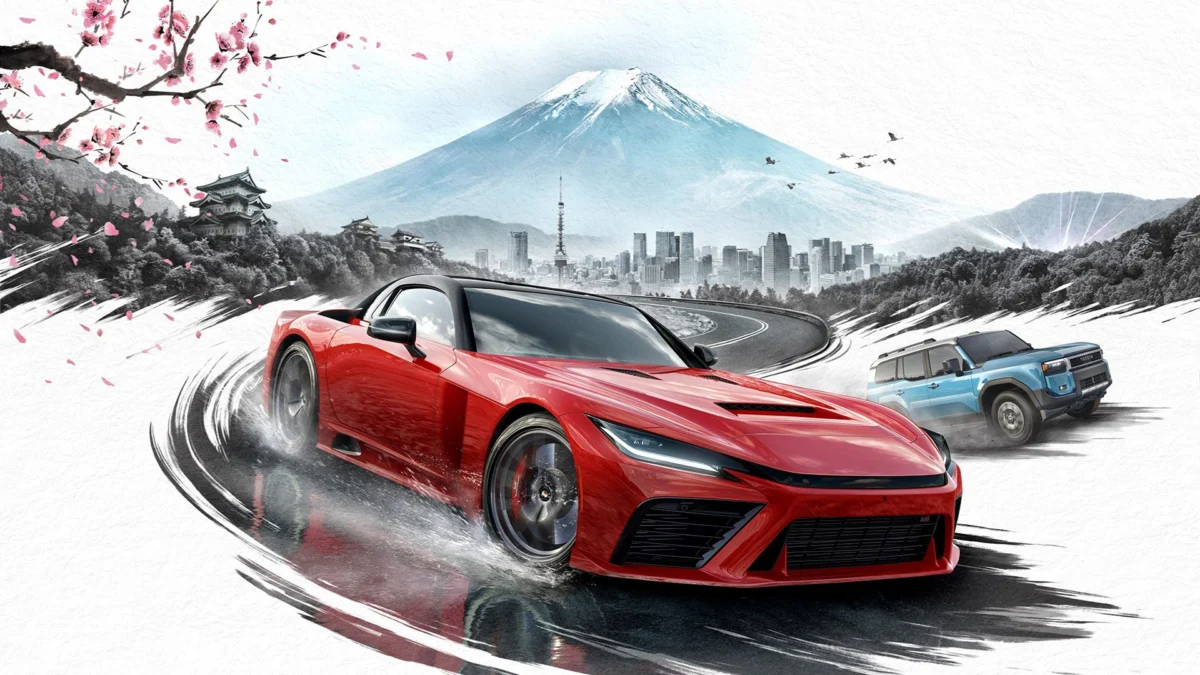
By Adam Beck
Published May 14, 2026, 8:00 AM EDT
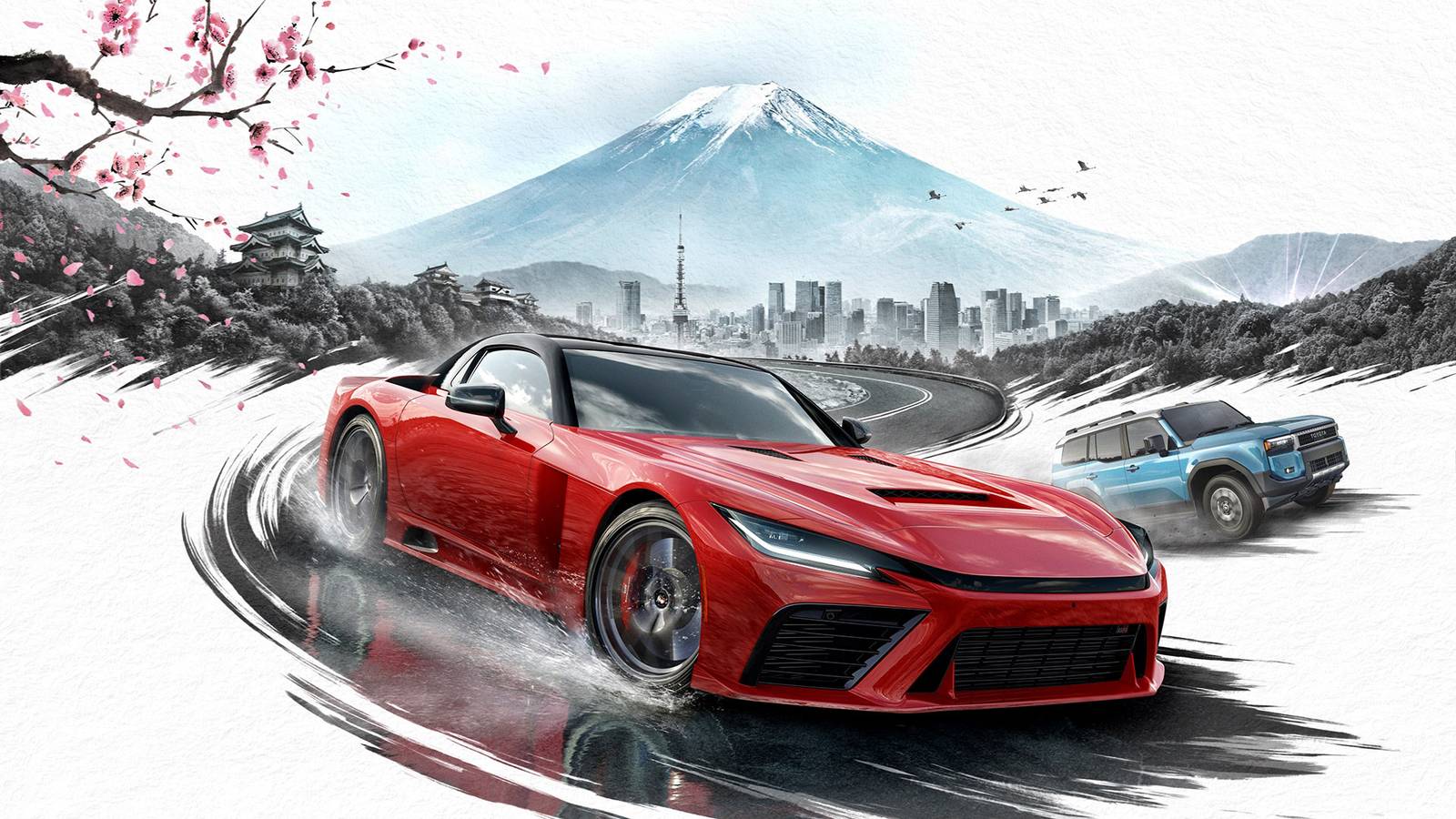
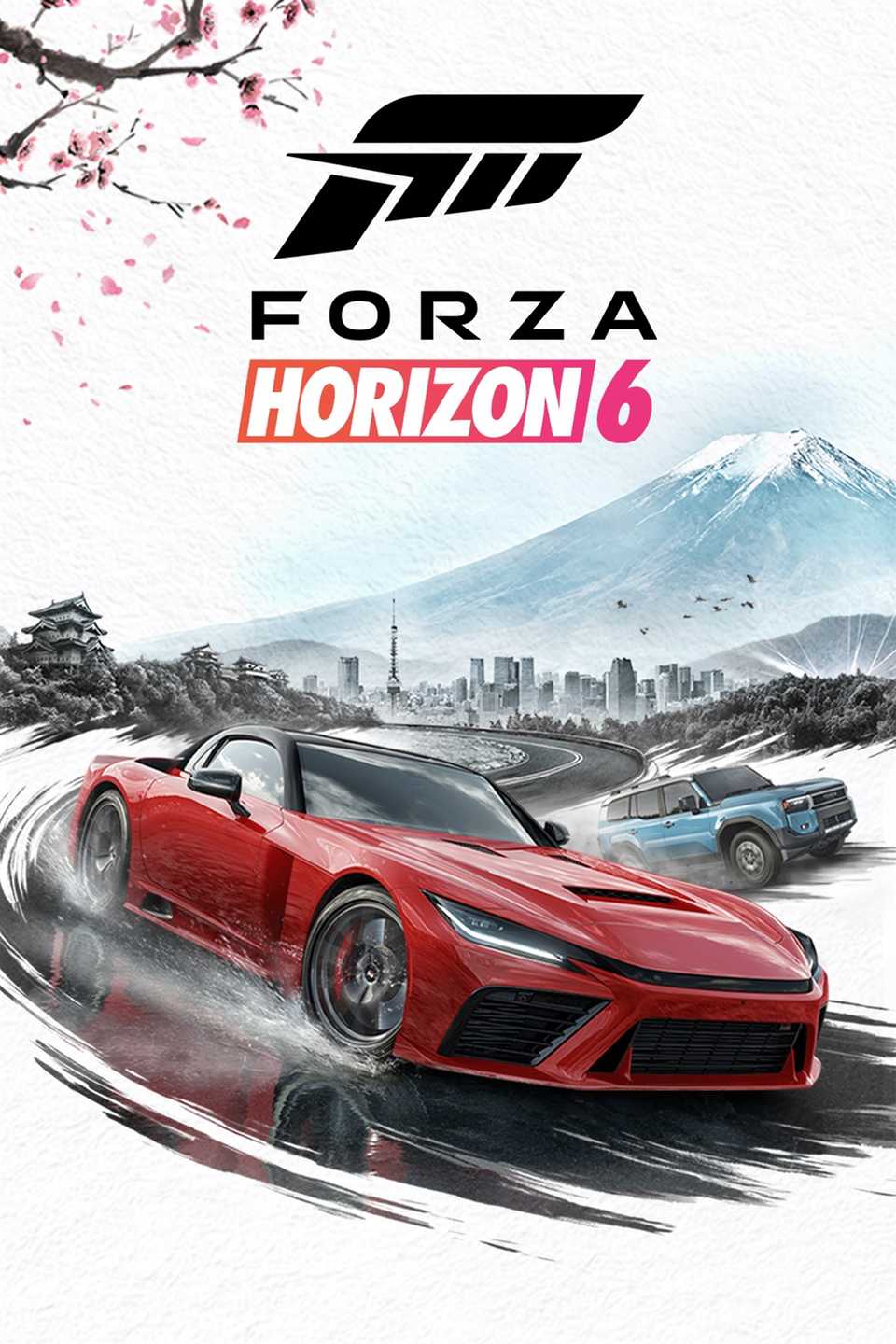
For over two decades, the racing genre has seen countless iterations, yet few franchises have managed to capture the cultural zeitgeist quite like Playground Games’ Forza Horizon. From the sun-drenched vistas of Colorado to the expansive, rugged terrain of Australia and the vibrant landscapes of Mexico, the series has consistently redefined the open-world driving experience. However, the community has long clamored for a single, elusive destination: Japan. With the release of Forza Horizon 6, that dream has finally become a reality, delivering a high-octane love letter to one of the world’s most storied car cultures.
The Horizon Festival Heads East: A New Frontier
The arrival of the Horizon Festival in Japan represents a significant milestone for the series. While past entries focused on diverse biomes, Forza Horizon 6 feels uniquely curated. The map design is a masterclass in environmental storytelling, blending the frantic, neon-soaked energy of Tokyo’s urban sprawl with the serene, breathtaking beauty of rural Kyoto and the treacherous, snow-capped peaks of the Japanese Alps.
The structural progression remains familiar to series veterans—players earn wristbands to unlock tiered events—but the execution feels polished to a mirror shine. The festival’s "Showcase" events, a staple of the franchise, have been elevated here. These cinematic spectacles now integrate Japanese pop culture and historical motifs, such as racing against massive, Gundam-inspired robotics or drifting through ephemeral cherry blossom corridors, creating a sense of scale and wonder that previous entries occasionally lacked.

Chronology of Development and Design
The development cycle for Forza Horizon 6 saw Playground Games shifting focus toward a more "arcade-forward" philosophy while maintaining the series’ legendary handling physics. Unlike the transition from Forza Horizon 4 to 5, which prioritized graphical fidelity and map size, the sixth installment emphasizes environmental interactivity and cultural immersion.
Early design documentation from the studio highlighted a desire to move away from the static, impenetrable environments of the past. In Forza Horizon 6, the world is significantly more destructible. Players can barrel through dense forests and rural farmland, with only major architectural landmarks and concrete infrastructure providing a solid boundary. This shift creates a liberating sense of freedom, allowing drivers to truly forge their own paths across the Japanese landscape.
Supporting Data: A Car Enthusiast’s Dream
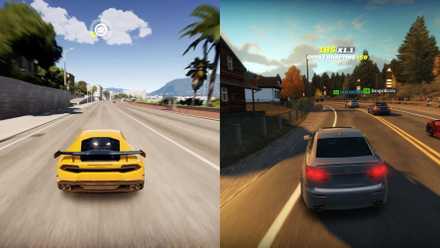
The automotive catalog in Forza Horizon 6 is nothing short of staggering. Upon launch, the game features a comprehensive list of approximately eighty manufacturers. This variety is not merely cosmetic; each vehicle benefits from a sophisticated, individual skill-tree system. By earning Skill Points through reckless driving, stunt maneuvers, and environmental destruction, players can tailor their vehicle’s efficiency, making it easier to rack up massive scores in drift zones or speed traps.
The game also introduces the "Discover Japan" feature. While some critics may find these story-based vignettes slightly secondary, they provide a valuable educational lens through which to view Japanese automotive history. By pairing unique, period-accurate vehicles with specific regional landmarks—such as the iconic Shibuya Crosswalk or the serene Kinkaku-ji Temple—Playground Games provides a narrative context that deepens the player’s connection to the world.
Technical Prowess: Visuals and Audio Engineering
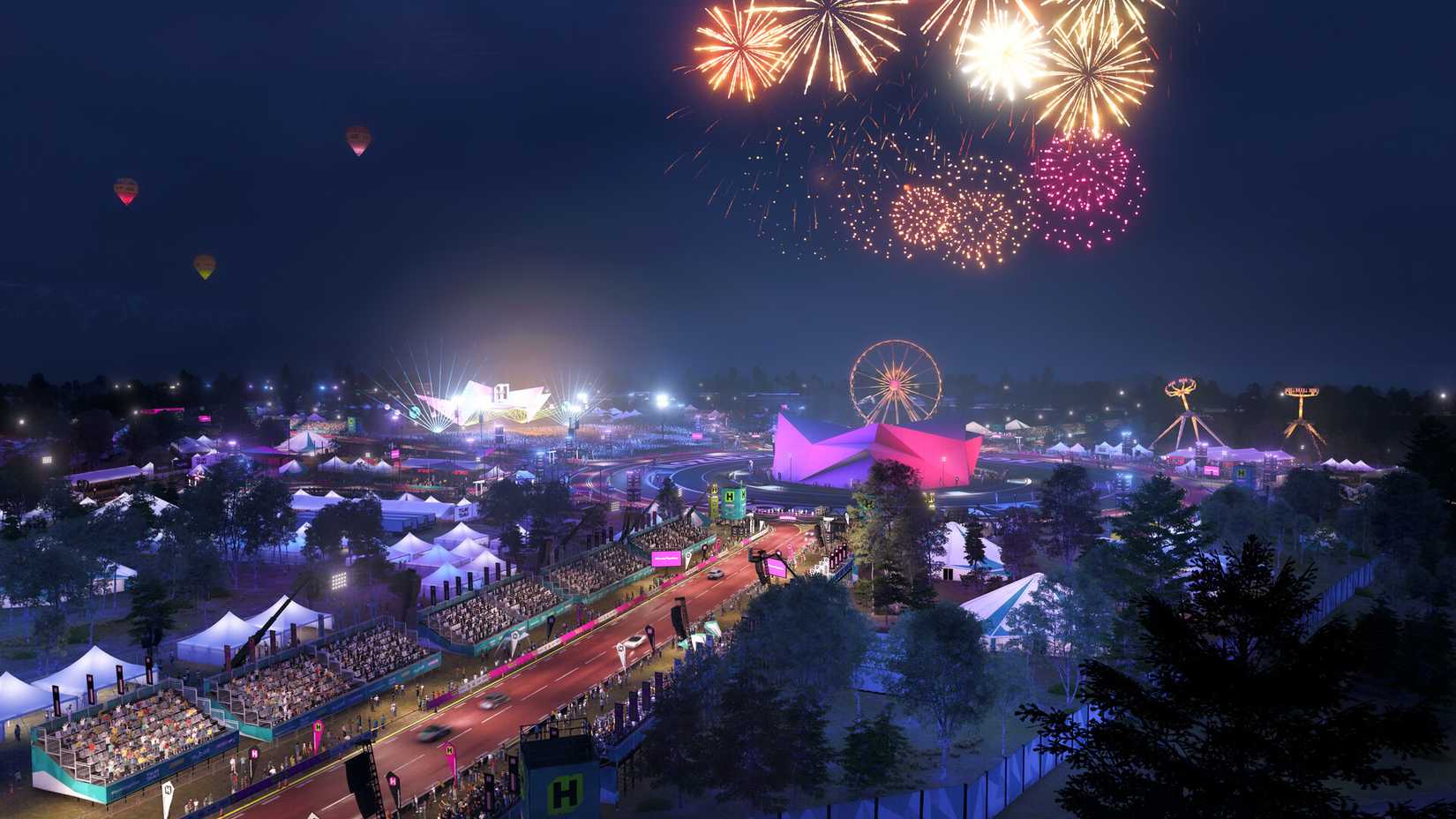
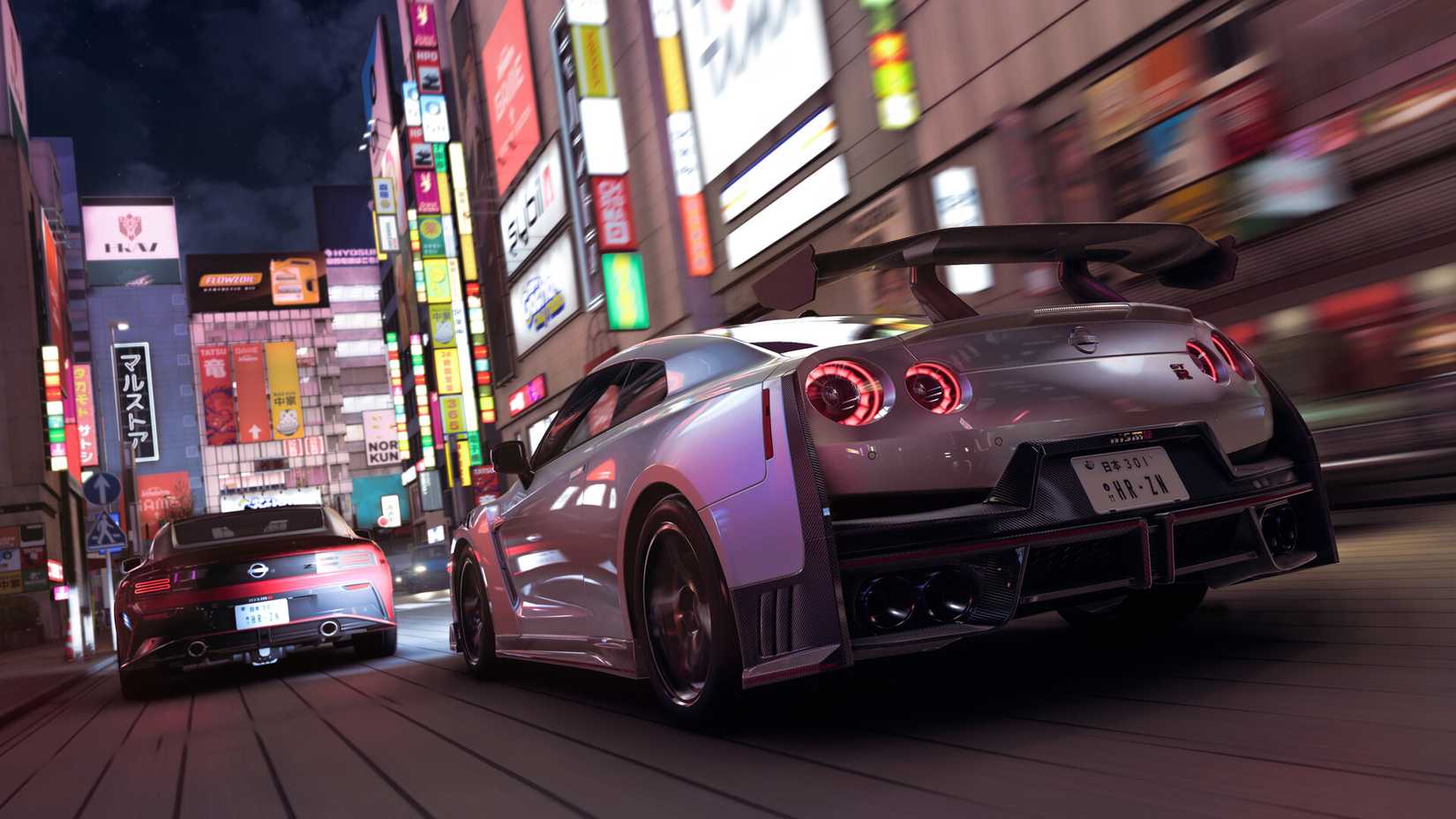
Visually, the game is a triumph. On high-end PC hardware, the integration of ray tracing and ultrawide support renders the neon lights of Tokyo with a vibrancy that is arguably the best in the genre. While the developers acknowledged that the game is not a 1:1 photorealistic simulation—a necessity for maintaining the performance demands of a massive open-world map—the art direction compensates with breathtaking lighting effects.
The audio engineering team at Playground Games deserves specific commendation. Each vehicle features a distinct, visceral engine profile that responds dynamically to the environment. Whether it is the high-pitched whine of a modified tuner or the electric hum of a modern EV, the soundscapes are calibrated to be heard through high-fidelity systems. This is further complemented by a meticulously curated soundtrack that blends J-Pop, traditional Japanese fusion, and high-energy rock, ensuring that the driving experience is as auditory as it is visual.
Official Stance and Accessibility Initiatives
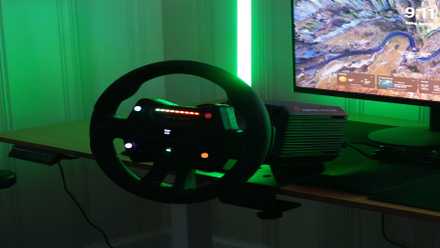
Accessibility remains a cornerstone of the Forza philosophy. Forza Horizon 6 pushes this envelope further than its predecessors, offering a robust suite of options designed to make the game playable for everyone. Difficulty is granularly adjustable; players can toggle traction control, braking assists, and the "rewind" feature to suit their comfort level.
Beyond gameplay mechanics, the UI accessibility is industry-leading. With options for screen readers, high-contrast modes for key environmental elements, and a wide array of color filters (Deuteranopia, Protanopia, and Tritanopia), the game ensures that visual impairments do not act as a barrier to the Horizon Festival. These settings are not just "extras"—they are fundamental to the game’s design, reflecting a broader industry push toward inclusivity.
Implications for the Future of the Genre
The release of Forza Horizon 6 sets a new benchmark for what an open-world racing game can achieve. By successfully blending the arcade-style thrills that defined the series with a deeper, more meaningful exploration of a specific cultural setting, Playground Games has avoided the "sequel fatigue" that often plagues annual or biennial franchises.
However, the game is not without its minor faults. Tokyo, while visually impressive at night, can feel slightly sterile during the day, lacking the lived-in, bustling feel of a true metropolis. Despite this, the rural areas and mountain passes are so expertly crafted that they more than make up for the urban gaps.
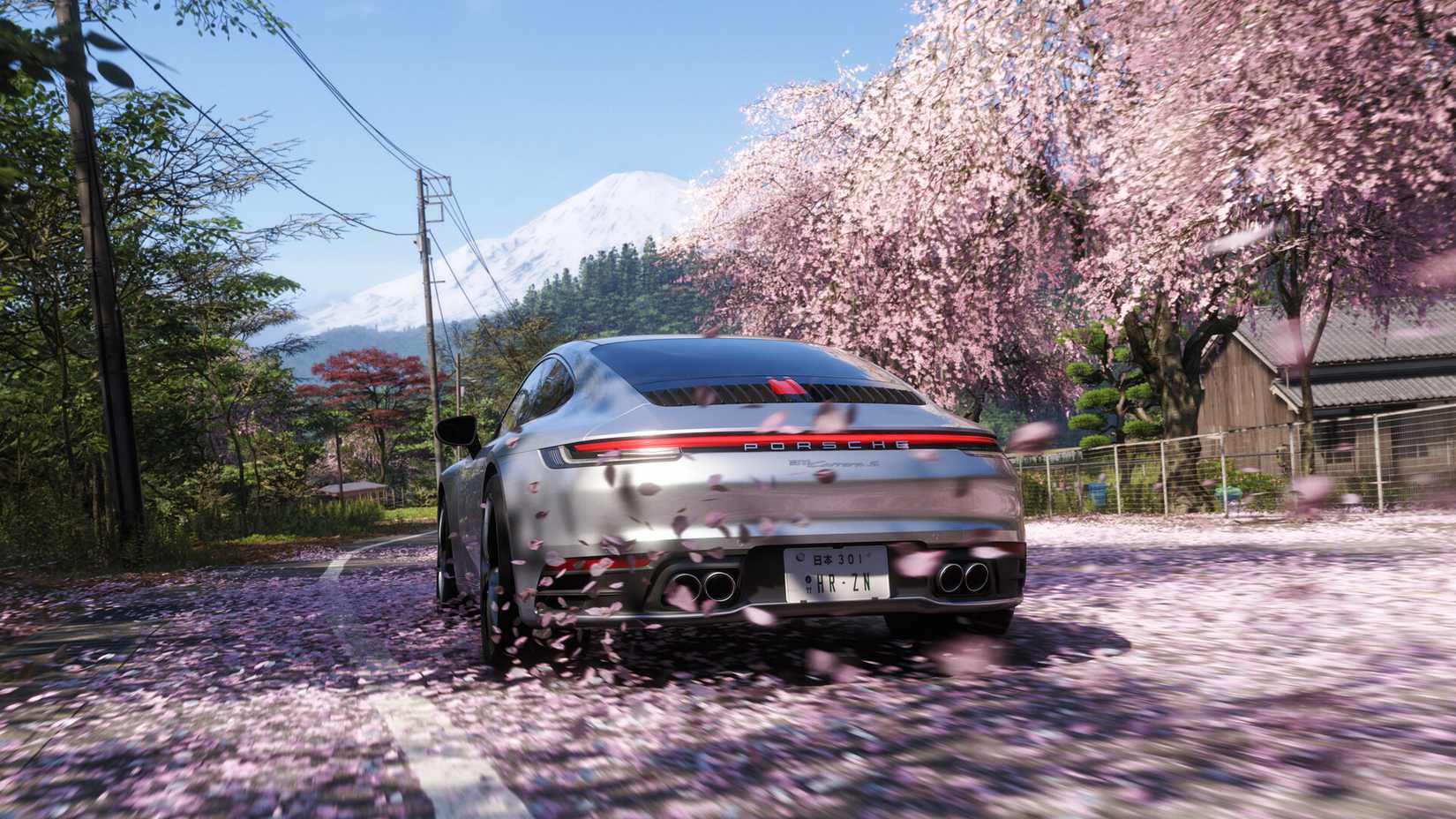
The implications for the industry are clear: players want more than just high-speed racing; they want a sense of place. The success of Forza Horizon 6 suggests that future racing titles must pivot toward creating more immersive, interactive worlds. As we look toward the future of the series, the question remains: where can the Horizon Festival possibly go next to top the heights of Japan?
Conclusion
Forza Horizon 6 is, in every sense, a magnificent achievement. It is a refinement of a winning formula that respects the legacy of the franchise while pushing the boundaries of what is possible on current-generation hardware. It offers a playground that is as beautiful as it is dangerous, and as challenging as it is accessible.
For the racing enthusiast, the game is an essential purchase. For the casual player, it is an inviting, neon-lit journey through one of the most beautiful countries on Earth. Playground Games has proven once again that they are the undisputed masters of the open-world racer. As players begin their journey from the start line, the only thing they need to worry about is which car they will drive first as they chase the horizon.
Quick Specs
- Developer: Playground Games
- Publisher: Xbox Game Studios
- Release Date: May 19, 2026
- Platform: Console and PC
- ESRB Rating: Everyone (Mild Lyrics, Users Interact, In-Game Purchases)
Adam Beck is a veteran of the gaming industry with over twenty years of experience. His coverage focuses on RPGs and open-world titles, driven by a lifelong passion for the medium.


 Asro
Asro
 Muslim