

By Jake Valentine
Published May 14, 2026
Few franchises in the history of interactive entertainment have experienced a trajectory as improbable as Forza Horizon. What began in 2012 as a spirited, arcade-leaning spin-off to the more clinical, simulation-focused Forza Motorsport has evolved into the industry’s gold standard for open-world racing. While the mainline Motorsport series has struggled to maintain its footing amidst a landscape of changing player expectations and technical hurdles, Playground Games’ Horizon has remained a bastion of consistent quality, critical acclaim, and unabashed joy.
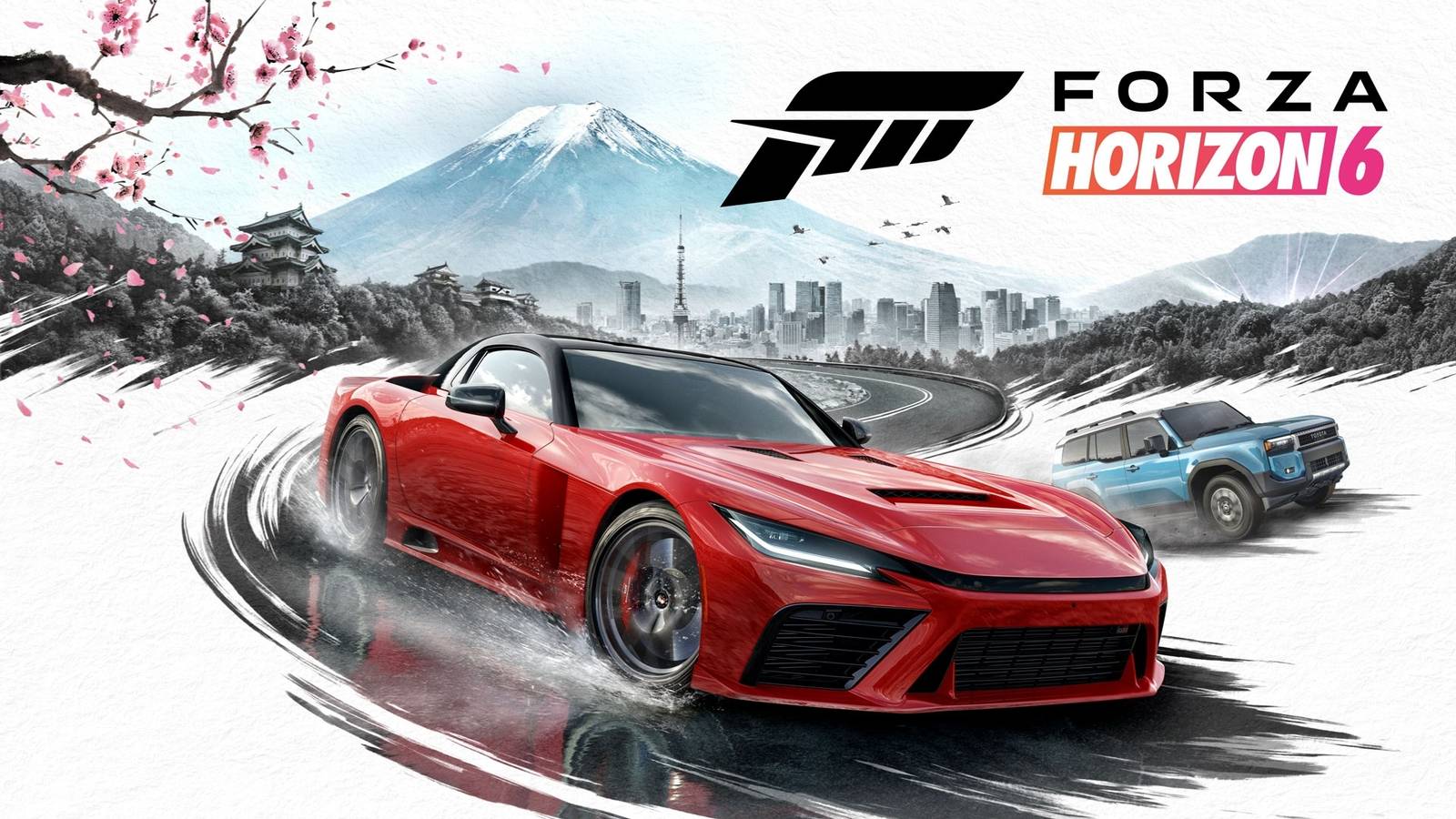
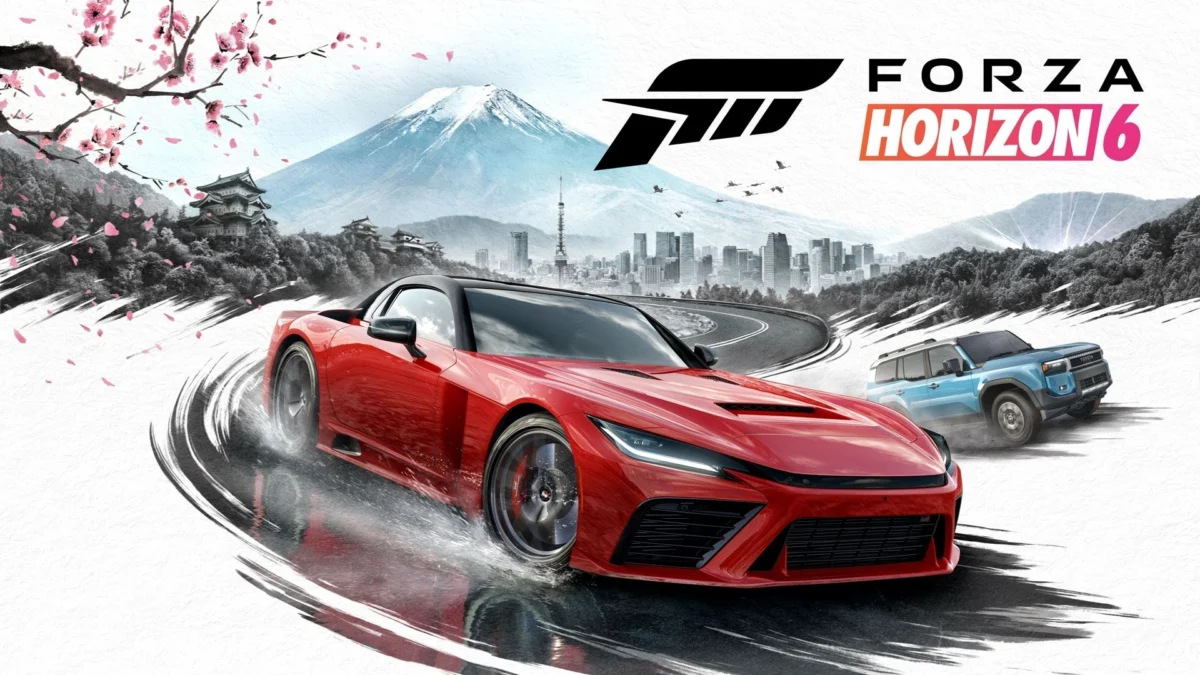
With the release of Forza Horizon 6, the developer has finally answered the prayers of a community that has clamored for a Japanese setting for over a decade. The result is not merely a new map—it is perhaps the most complete, polished, and soul-stirring racing experience ever put to silicon.
The Evolution of an Icon: From Colorado to the Rising Sun
To understand the weight of Forza Horizon 6, one must look at the path that led here. The original Horizon introduced players to the sweeping vistas of Colorado, establishing the "Horizon Festival" as a cultural phenomenon within the game world. Subsequent entries expanded the scope significantly: the Mediterranean beauty of Southern Europe in Horizon 2, the rugged Australian outback in Horizon 3, the cozy, seasonal charm of Great Britain in Horizon 4, and the vibrant, diverse biomes of Mexico in Horizon 5.

Each entry served as a technological proving ground. Horizon 4 introduced the revolutionary dynamic seasons system, while Horizon 5 pushed the boundaries of graphical fidelity and map density. Forza Horizon 6 does not attempt to reinvent the fundamental physics of the series. Instead, it operates with the confidence of a studio that knows exactly what its audience wants: a playground that rewards curiosity. By setting the game in Japan—a nation with an automotive culture as deep as it is legendary—Playground Games has provided the perfect canvas for their established formula.
Chronology of Development and the "Japan" Anticipation
The rumors regarding a Japanese setting for the Horizon franchise began circulating almost immediately after the release of the second game. For years, fans speculated on message boards, created mock-up maps, and dissected every hint from the developers. Following the 2024 announcement, the community buzz reached a fever pitch.
- Mid-2024: Official confirmation that the team was heading to East Asia.
- Early 2025: Technical showcases focused on the lighting engine and the rendering of Tokyo’s neon-drenched urban environment.
- Late 2025: The "Discover Japan" campaign structure is revealed, shifting focus from pure race-winning to automotive tourism.
- May 2026: Global launch, marking the culmination of a three-year development cycle focused on refining the "Horizon experience."
The "Discover Japan" Initiative: A Shift in Narrative Design
One of the most profound changes in Forza Horizon 6 is how the game handles progression. In previous titles, the Horizon Festival was the sole gravitational pull for the player. While the festival remains, Forza Horizon 6 introduces the "Discover Japan" system. This is a narrative-driven exploration mechanic that eschews the traditional "win-to-progress" loop.
Players are introduced to the setting through the eyes of two protagonists, Mei and Jordy. The game frames the experience as a road trip rather than just a competition. Through this lens, the player is tasked with various objectives: performing delivery runs, documenting scenic spots, and participating in local street racing cultures. It turns the player into a tourist, allowing for a slower, more deliberate appreciation of the map. By grounding the racing in a sense of place, Playground Games has managed to make the environment feel like a character in its own right, rather than a mere backdrop for high-speed maneuvers.
Technical Prowess and the Visual Ceiling
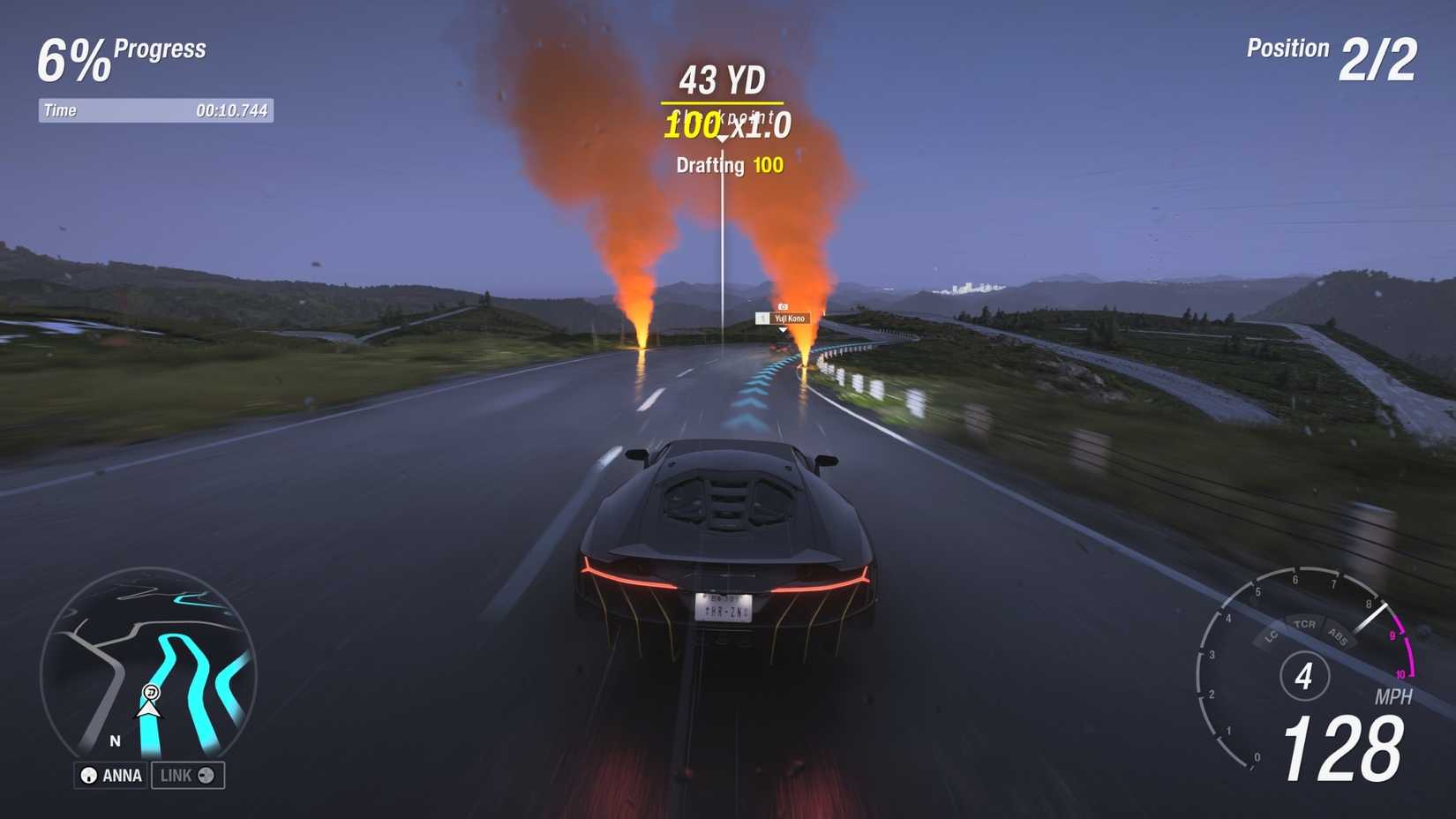
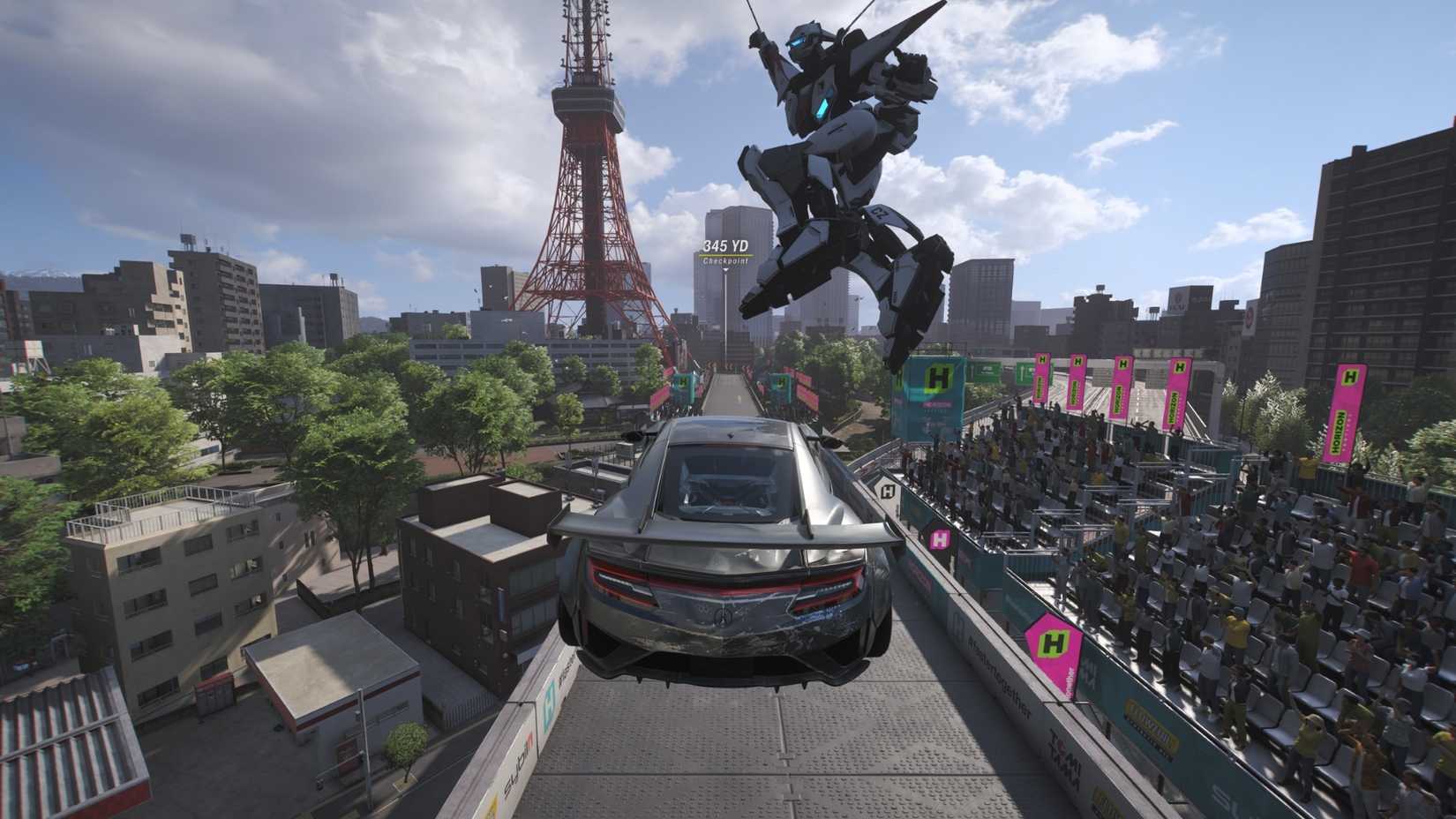
Visually, Forza Horizon 6 is a technical marvel, though it serves as a stark reminder of where we currently sit in the lifecycle of gaming hardware. While Forza Horizon 5 offered a massive generational leap from its predecessor, Horizon 6 focuses on iterative refinement. The lighting, particularly the way the neon of Tokyo’s districts reflects off wet asphalt during a midnight rainstorm, is arguably the best in the genre.
However, the game also highlights the current plateau of graphical fidelity. The biomes, while beautiful, do not provide the same stark "wow factor" that the transition to the current generation of consoles provided years ago. This is not a slight against the developers—the game is stunning—but rather a reflection of a maturing industry. The density of Tokyo, while slightly condensed to ensure smooth gameplay, manages to feel vast and vertical, with the skyline looming over the player in a way that creates a sense of scale rarely seen in racing games.

Performance Hurdles and User Experience
Despite the polish, the experience is not without its friction points. The most notable issue involves the game’s loading architecture. In an era where players have become accustomed to near-instantaneous transitions, the periodic loading screens between events—specifically when transitioning from a race to a podium cutscene—can feel jarring. While these load times are not "excessive" by industry standards, they interrupt the "flow state" that the Horizon games are famous for cultivating.
Furthermore, the music implementation remains a point of contention. The game features an incredible, culturally relevant soundtrack—including tracks from J-Pop icons like Ado and the high-energy sounds of BABYMETAL—but the forced looping of tracks during specific events remains a nuisance. The ability to toggle off specific tracks or disable the infinite loop would be a welcome quality-of-life update.
Official Responses and Developer Philosophy
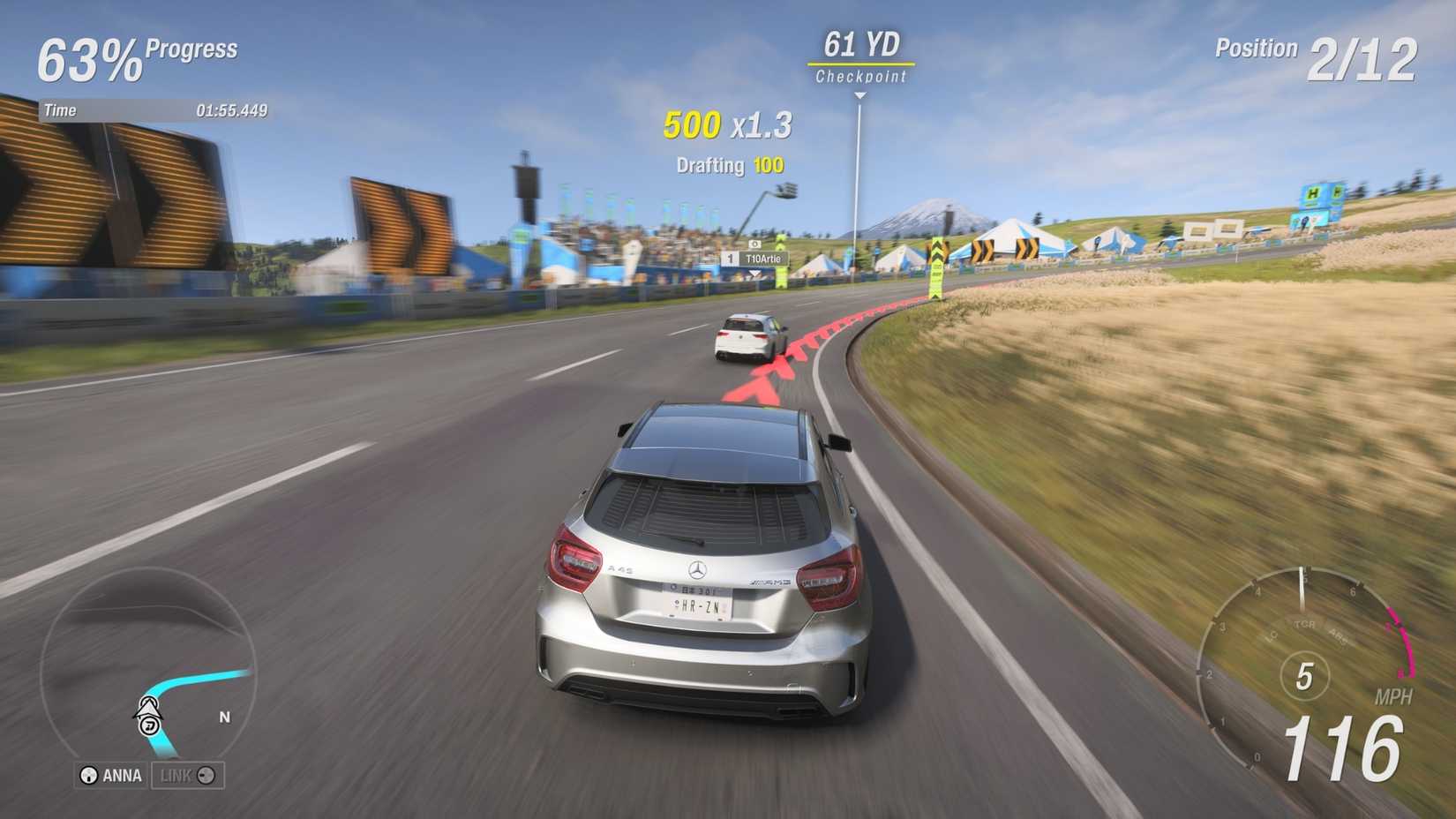
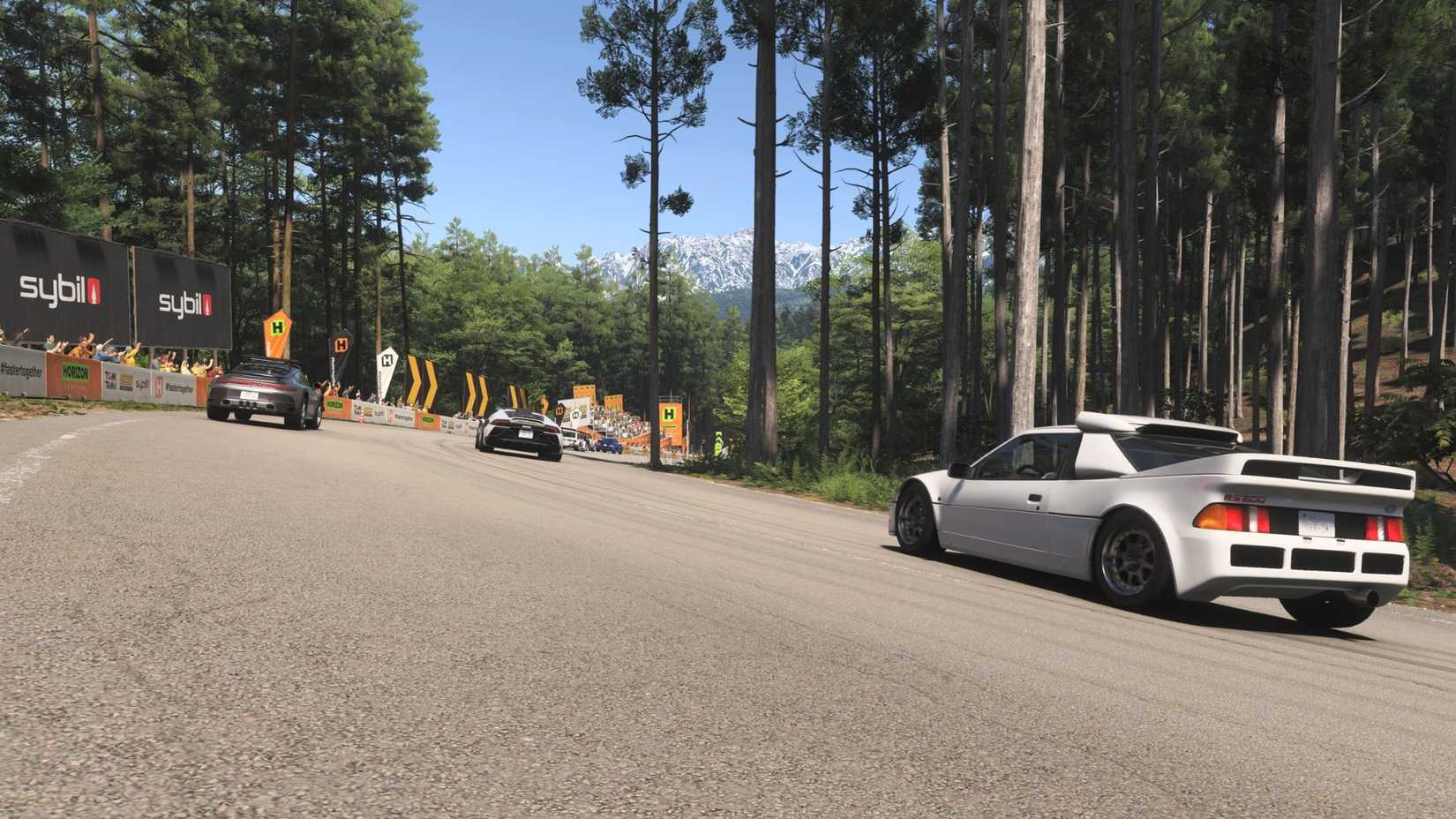
Playground Games has maintained a transparent dialogue with the community throughout the development of Forza Horizon 6. In recent interviews, creative leads emphasized that the goal for this entry was "cohesion." Rather than adding new, flashy features that might dilute the core driving experience, the team spent their resources on ensuring that every aspect of the game—from the physics of a drift around a mountain hairpin to the way the sun hits the mountainside—feels cohesive.
"We didn’t want to fix what wasn’t broken," one lead developer noted. "We wanted to make sure that the player felt the weight of Japan’s automotive history in every turn." This philosophy of refinement over revolution is clearly evident in the final product.
Implications for the Future of Racing Games
Forza Horizon 6 sets a high bar for the genre, but it also signals a shift in what players value in open-world games. The move toward "tourist-style" gameplay, as seen in the "Discover Japan" mode, suggests that the future of racing games lies in immersion and world-building rather than just technical simulation.
The success of Forza Horizon 6 confirms that the "Horizon" formula is robust enough to survive for years to come. By successfully capturing the spirit of Japan, Playground Games has effectively silenced critics who questioned if the series had reached its peak. The implications for the industry are clear: players want a deep, meaningful connection to their virtual environments.
Conclusion: A Masterclass in Refinement
Forza Horizon 6 is not a revolution, but it is a masterpiece of refinement. It understands its identity, respects its heritage, and executes its vision with a level of polish that few other developers can match. While it may not offer the massive leap in technology that some might have expected, it offers something arguably more important: a sense of belonging in a world that is a joy to traverse.
Whether you are a hardcore car enthusiast looking to master the drift lines of a mountain pass or a casual player looking to cruise through the neon streets of a digital Tokyo, Forza Horizon 6 delivers. It is a testament to the fact that when you get the fundamentals right, you don’t need to reinvent the wheel—you just need to make sure the ride is as smooth as possible. Playground Games has once again proven that they are the undisputed kings of the open road.
Key Specifications
- Release Date: May 19, 2026
- Developer: Playground Games
- Publisher: Xbox Game Studios
- ESRB Rating: Everyone (Mild Lyrics, Users Interact, In-Game Purchases)
- Platform: Xbox Series X|S, PC












No comments yet. Be the first to join the conversation!