

By Casey Duby
Published May 14, 2026
Hulu’s highly anticipated adaptation of Margaret Atwood’s The Testaments, the long-awaited sequel to the culturally seismic The Handmaid’s Tale, has successfully navigated the precarious path of expanding a beloved universe without merely retreading old ground. Since its premiere on April 8, 2026, the series has garnered critical attention for its tonal shift, distancing itself from the visceral, high-stakes survivalism of its predecessor while maintaining the core existential dread that defines the Republic of Gilead.
By pivoting away from the central figure of June Osborne and the plight of the Handmaids, The Testaments offers a more nuanced, terrifying exploration of life under totalitarianism—one where the shackles are not just physical, but psychological.
The New Frontier: A Departure from June’s Rebellion
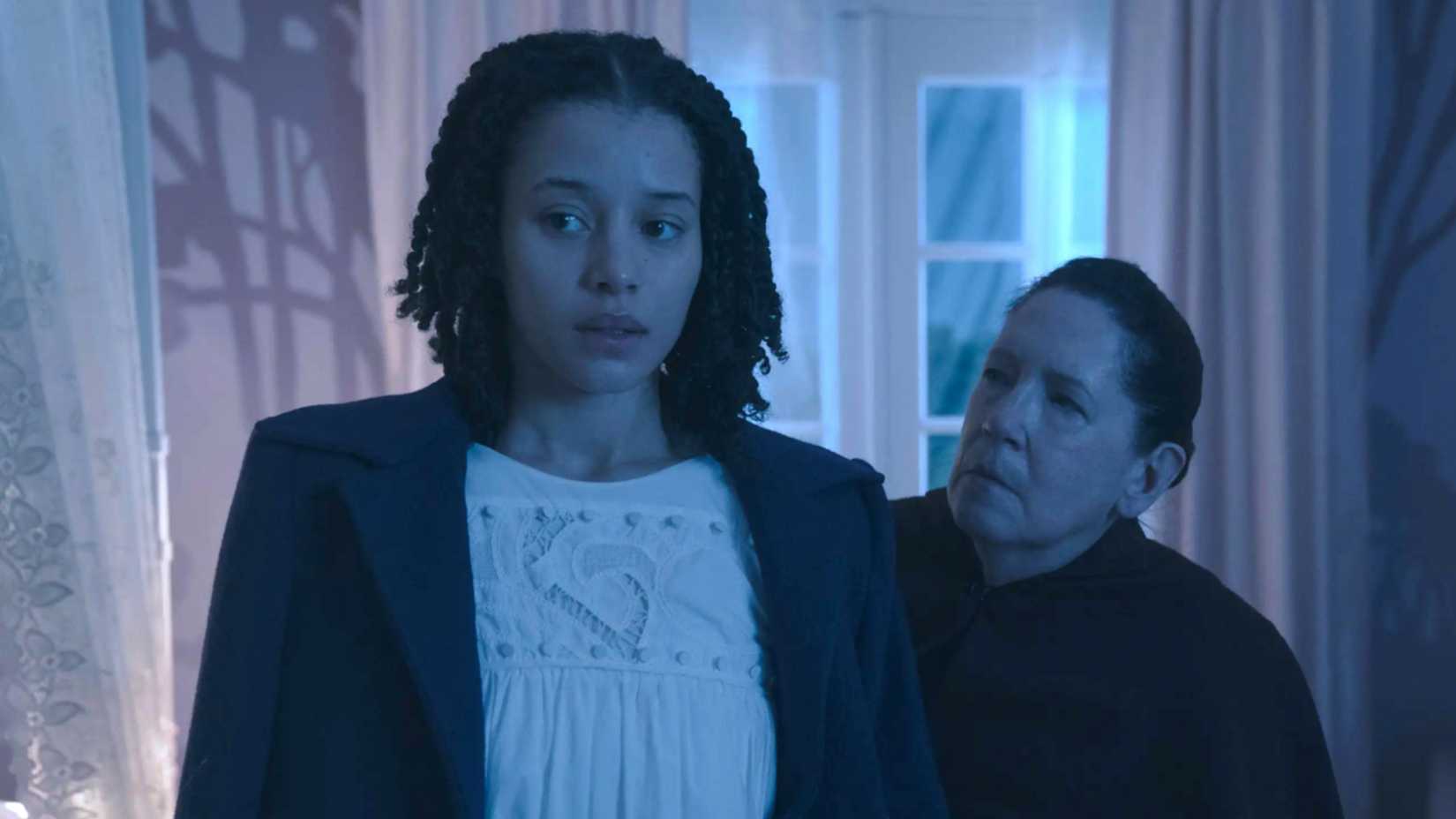
The most striking departure in The Testaments is the absence of the Handmaid narrative that defined the previous series. While Aunt Lydia (Ann Dowd) remains a linchpin of the story, her role has shifted, and the familiar red cloaks are largely absent from the primary narrative focus.
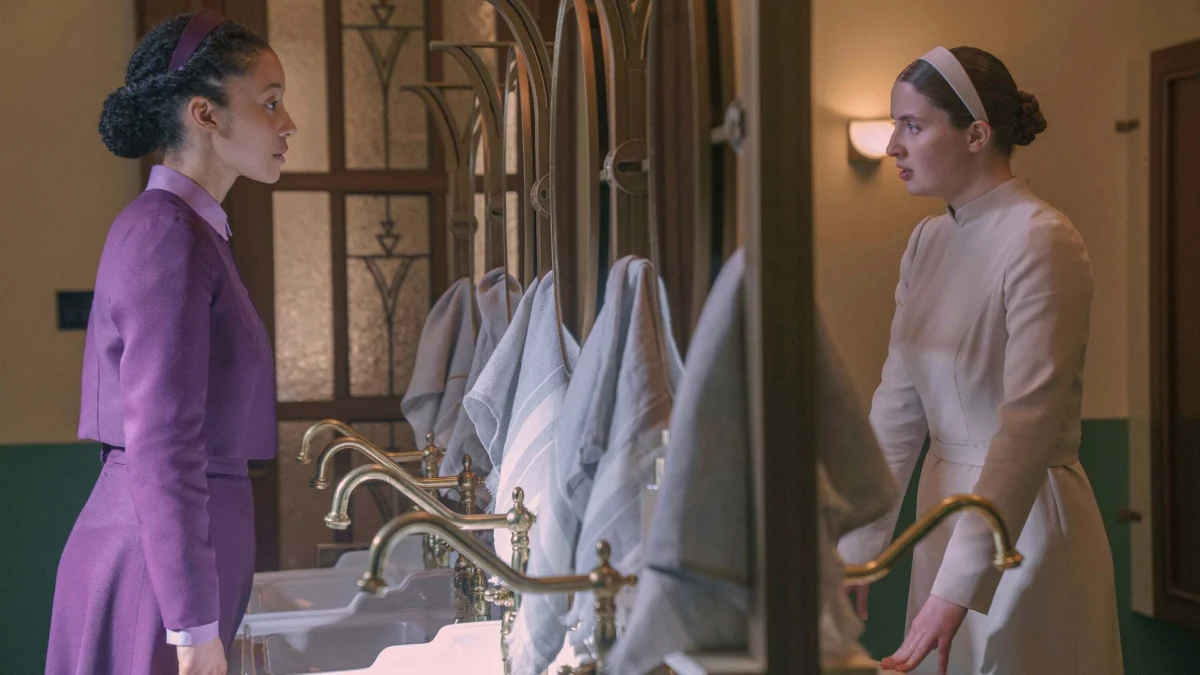
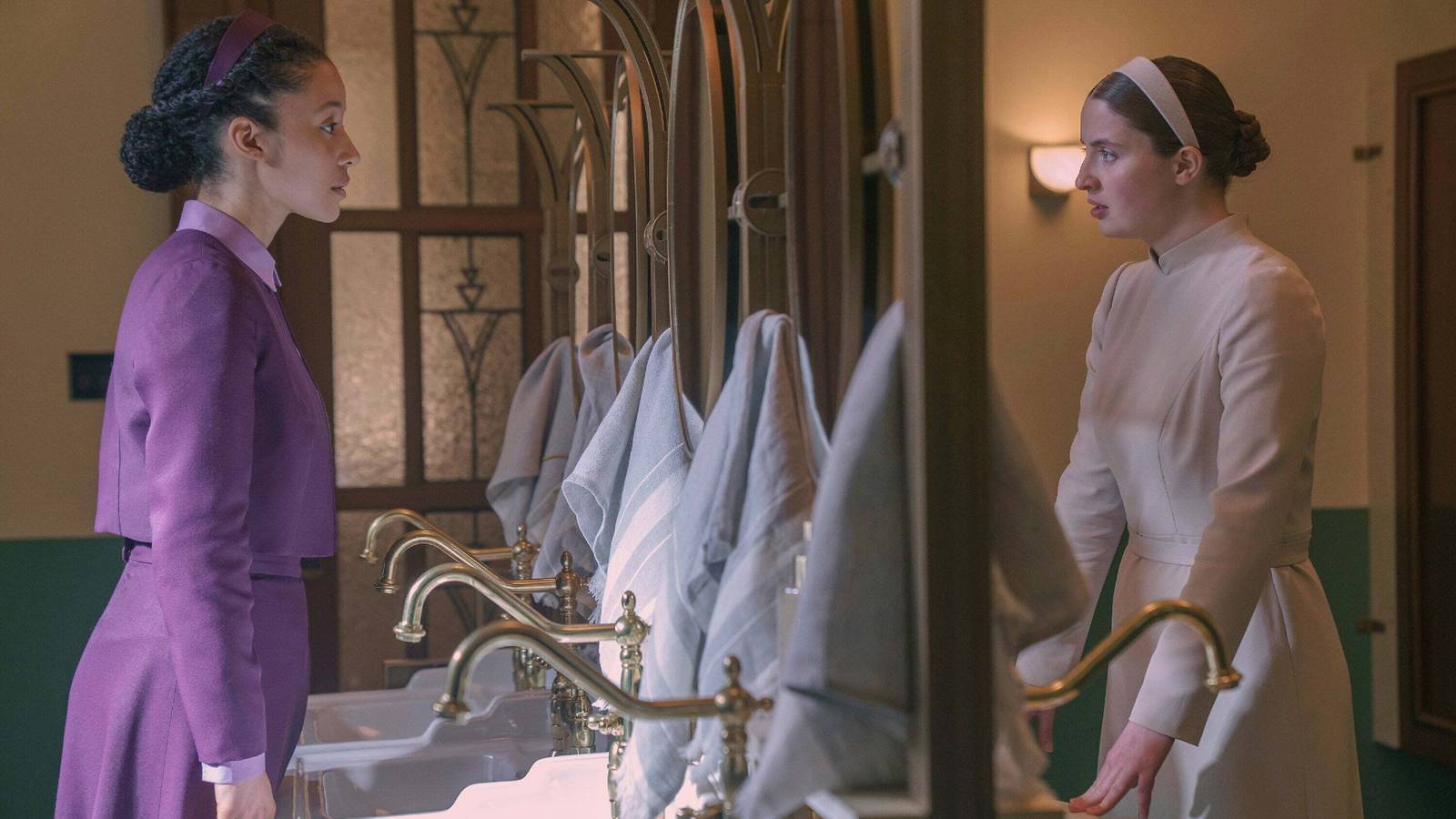
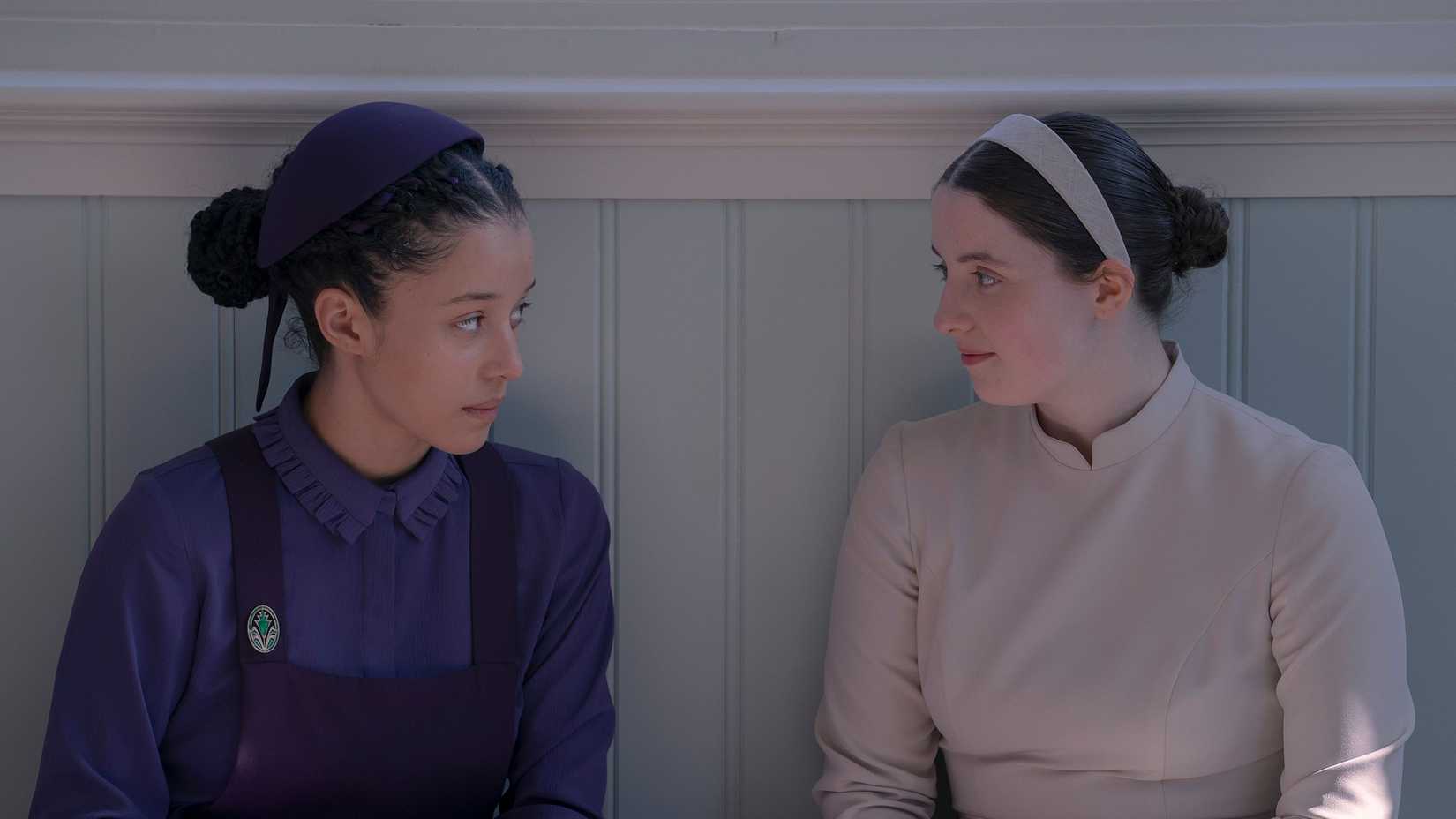
In The Handmaid’s Tale, June Osborne was the embodiment of fire and defiance. Her journey was defined by a constant, unwavering commitment to rebellion. She was a woman who had seen the world before and refused to let the memory of it die. The Testaments, however, introduces a different breed of protagonist: Agnes (Chase Infiniti), June’s daughter, who has been raised entirely within the confines of Gilead.
Unlike her mother, Agnes is the model citizen. She is prim, proper, and profoundly indoctrinated. Her existence challenges the audience’s expectations of what a protagonist should be in a dystopian story. She does not wake up every morning planning an escape; she wakes up trying to survive the rigid expectations of her society.

Chronology of the Shift: From Resistance to Indoctrination
To understand why The Testaments feels so distinct, one must look at the timeline of the world-building.
- The Handmaid Era (The Foundation): The original series focused on the "first generation" of Gilead—women who remembered life in the United States, who knew what rights were, and who possessed the cognitive dissonance necessary to fuel a revolution.
- The Testament Era (The Erasure): The new series shifts the lens to the next generation. These are children who were born into the regime or raised in it during their formative years. They do not compare their lives to a free society; they compare their lives to the strict, often violent expectations of Gilead’s leaders.
This chronological shift creates a chilling dynamic. While June fought for what was stolen, characters like Agnes are struggling with the loss of a world they never truly possessed. Their "innocence" is a form of tragedy, as they are unable to conceptualize the concept of individual liberty.
Supporting Data: The Psychology of the "New Citizen"
Agnes’s character is not merely a plot device; she is a psychological case study. In her interactions—specifically her budding, naive interest in the Guardian named Garth—we see the stark contrast between her and June. Where June used her sexuality and her connections to survive and subvert, Agnes uses hers to find a semblance of "normalcy" within the horrific framework of the state.
The Naïveté as Horror
The true horror of The Testaments lies in the fact that the citizens of Gilead are no longer just victims; they are the architects of their own repression. Agnes’s world is small, her desires are limited to what the state allows, and her fear of authority is absolute.
Research into the narrative arc of the show suggests that the longer a totalitarian regime remains in power, the more effective it becomes at erasing the "memory of freedom." Agnes represents this perfectly. She is not a rebel in the traditional sense; she is a product of systemic erasure. This makes her journey toward potential awakening far more difficult—and, by extension, more rewarding for the audience to witness—than a simple breakout story.
Official Responses and Creative Direction
Show creator Bruce Miller and his team have been transparent about their intent to avoid creating a "June 2.0." The casting of Chase Infiniti was a deliberate subversion of expectations. Audiences, having seen her in projects like One Battle After Another where she played a character with a "rebellious spirit," expected her to be a mirror of her mother.
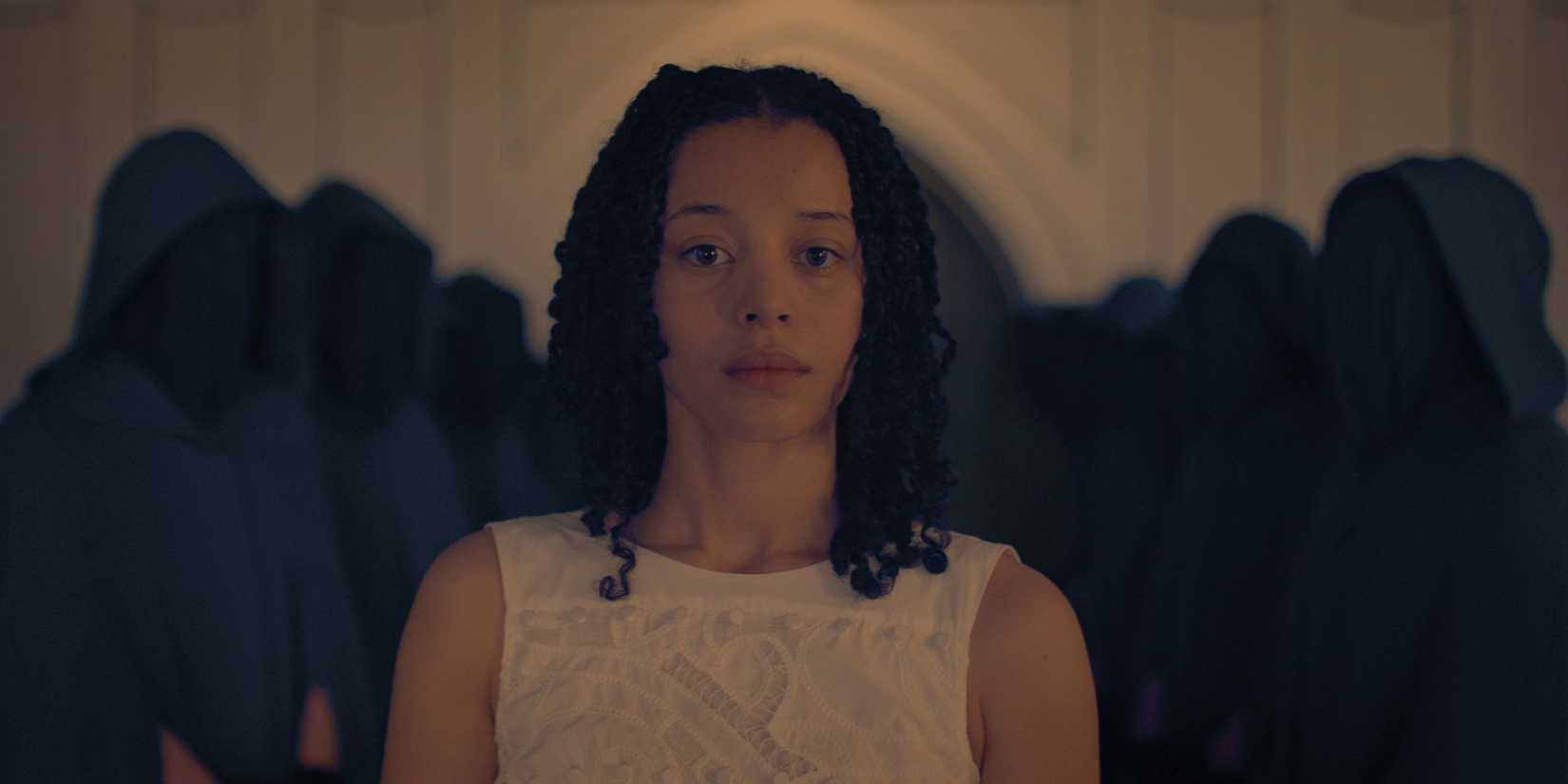
However, the creative team opted for something more subversive. By making June a legendary figure—a "ghost" of the resistance—they have effectively elevated her to a status that no living character can or should try to inhabit.
"We knew we couldn’t fill Elisabeth Moss’s shoes," notes the production team. "Instead, we chose to change the shoes entirely." By treating June as a symbol rather than a protagonist, the show grants the new cast the space to build their own legacies, free from the crushing weight of the original show’s high-octane, hero-centric narrative.
Implications: Can the System Be Broken from Within?
The central question of The Testaments is whether someone raised in a void of information can ever truly find their way to the truth.
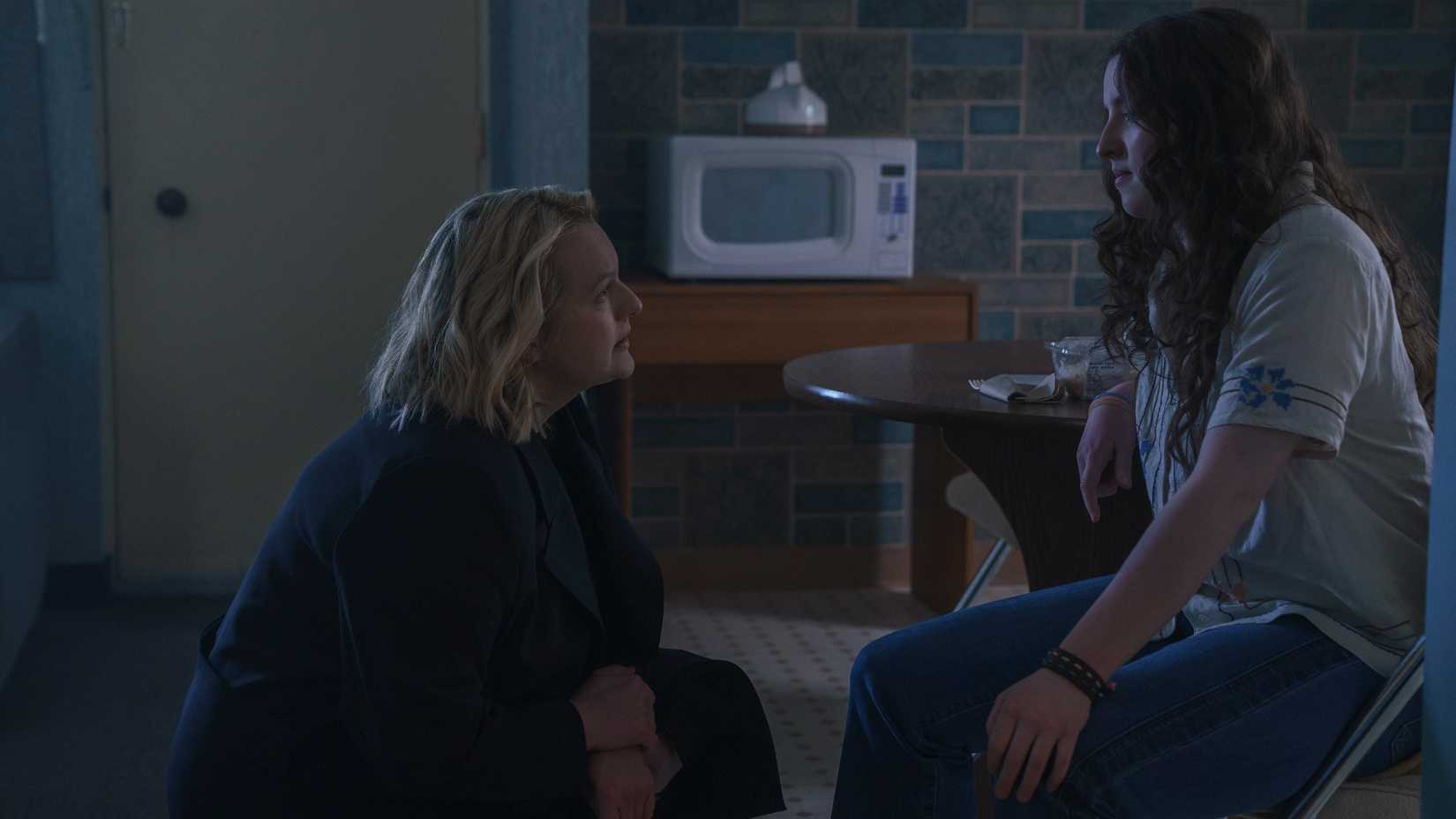
In Episode 7, "Commitment," we see Agnes grappling with a sense of self-doubt. She feels she has "no personality," which is an indictment of the Gilead education system. Yet, her actions—specifically her refusal to participate in the scapegoating of her peers—suggest that the human spirit is not as easily erased as the regime hopes.
The Role of the "Canary"
In the episode "Broken," we see a pivotal moment where Agnes fails to stand up to authority, using another girl as a "canary in the coal mine" to gauge the safety of speaking out. While this is a moment of cowardice, it is also a moment of intense, calculated intelligence. Agnes is learning to navigate the danger.
This suggests a long-term arc where the "hardened tolerance" that Gilead forces upon its children might eventually be the very tool they use to dismantle the state. If they can learn to hide their thoughts, they can learn to organize them.
The Path Forward: Why This Story is Necessary
Some critics initially questioned if a continuation of The Handmaid’s Tale was necessary, given the satisfying, albeit heavy, conclusion of the original series. However, The Testaments argues that the story of a revolution is not just about the moment of rebellion; it is about the long, slow, and often invisible work of sustaining a culture that has been hollowed out.
The show is not trying to replicate the adrenaline of June’s escape; it is attempting to document the slow creep of enlightenment in a dark world. It is a necessary follow-up because it forces us to confront the reality that for many people living under authoritarian regimes, the biggest hurdle to freedom is not the barbed wire or the guards—it is the internal belief that the current world is the only world that exists.
As we continue through the first season, the tension lies not in whether the characters will escape, but in whether they will ever realize they are in a cage to begin with. By focusing on the internal lives of the next generation, The Testaments manages to find a fresh, haunting, and vital way to continue the conversation started by Margaret Atwood decades ago.
The legacy of June Osborne lives on, not in those who mimic her, but in the ripple effects of the seeds she planted—even if those seeds are taking root in the most unlikely, and most repressed, of places.











No comments yet. Be the first to join the conversation!