

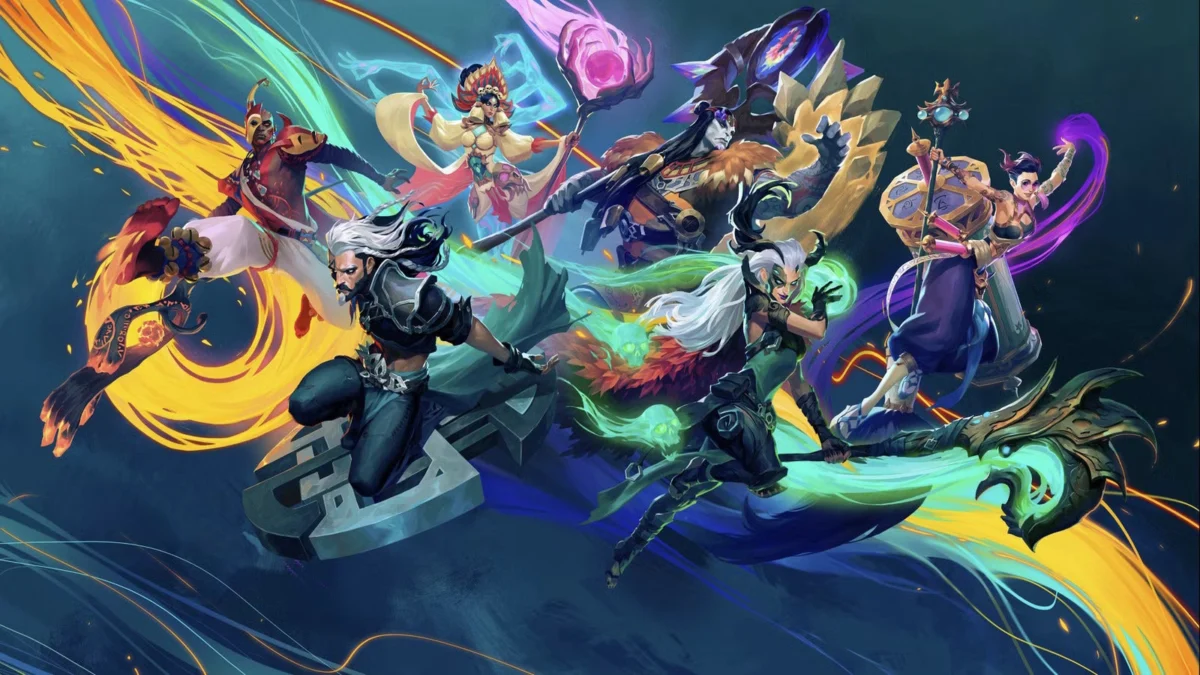
Paris, France – In a swift and decisive move that underscores the brutal realities of the modern gaming landscape, acclaimed developer Quantic Dream has announced the shutdown of its multiplayer title, Spellcasters Chronicles, a mere three months after its launch. The ambitious venture, which marked a significant departure from the studio’s celebrated narrative-driven single-player experiences, failed to garner the necessary audience to ensure its long-term viability, prompting an internal reorganisation and a renewed focus on its established strengths, most notably the highly anticipated Star Wars Eclipse.
Players who invested in the early access phase of Spellcasters Chronicles have been assured of full refunds upon request. The game’s servers are slated to go offline permanently on June 19, 2026, offering a substantial grace period before its ultimate demise. This decision, while difficult, highlights the intense pressures faced by developers attempting to innovate in an increasingly saturated and competitive online gaming market.
A Swift Retreat from the Multiplayer Arena
The announcement of Spellcasters Chronicles‘ imminent closure has sent ripples through the gaming community, particularly among those who keenly observed Quantic Dream’s foray into the multiplayer genre. The studio, globally recognised for its cinematic, choice-driven narratives in titles like Heavy Rain, Beyond: Two Souls, and Detroit: Become Human, ventured into uncharted territory with Spellcasters Chronicles. This game, conceptualised as a multiplayer experience, represented a strategic pivot for the Paris-based developer, aiming to diversify its portfolio and tap into a broader player base.
However, the journey into this new realm proved short-lived. Just a quarter after its initial release, the game has been deemed unsustainable. Quantic Dream’s official statement cited a "particularly challenging market environment" and the game’s inability to "reach the audience needed to ensure its long-term sustainability" as the primary reasons for the shutdown. This candid admission reflects a harsh truth: even established developers with a strong track record can struggle to penetrate the fiercely competitive live-service market without an immediate and overwhelming reception.
In response to the closure, Quantic Dream has initiated an internal reorganisation, with a stated priority on reassigning affected development staff to support other ongoing productions. Crucially, the studio confirmed that its high-profile project, Star Wars Eclipse, remains entirely unaffected by this strategic realignment. This reassures fans of the studio’s flagship title, which promises to deliver the narrative depth and choice-driven gameplay that Quantic Dream is renowned for, albeit within the expansive and beloved Star Wars universe. The provision of full refunds for early access purchasers demonstrates the studio’s commitment to mitigating negative impact on its player community, a gesture of goodwill often seen in the challenging landscape of live-service game closures.
Chronology of a Short-Lived Endeavor
The lifespan of Spellcasters Chronicles has been remarkably brief, from its conceptualisation as a "risky, bold, new move" to its rapid discontinuation. Understanding this timeline provides crucial context to Quantic Dream’s decision.
The Build-Up: A New Direction for Quantic Dream
While specific details regarding the initial announcement and development timeline of Spellcasters Chronicles were not extensively publicised, the project garnered attention precisely because it represented such a significant departure for Quantic Dream. For years, the studio had cultivated a distinct identity rooted in crafting meticulously detailed, emotionally resonant single-player experiences. The very notion of a multiplayer title from Quantic Dream signaled a strategic shift, likely driven by a desire to expand its market footprint beyond its niche and engage with the burgeoning live-service model that has seen immense success for many other studios.
In an interview with GamesIndustry.biz last October, Quantic Dream co-CEO Guillaume de Fondaumière provided insight into the studio’s thinking behind Spellcasters Chronicles. He candidly described the project as a "risky, bold, new move into a totally new direction," acknowledging the inherent challenges of innovation. Fondaumière elaborated on the difficulties in precisely defining a target audience or projecting market share when venturing into an entirely new genre. "You’re just innovating, and hoping that you’re going to attract a sufficient amount of players around the world to sustain the project," he stated. This quote perfectly encapsulates the speculative nature of such an undertaking and foreshadowed the very outcome now being reported. The studio was well aware of the gamble it was taking, balancing the potential rewards of diversification against the established comfort and proven success of its narrative blockbusters.
Launch and Rapid Decline
Based on the announcement that the game is "shutting down three months after launch," and the servers will go offline on June 19, 2026, we can infer that the game likely launched in late 2025 or early 2026, with the decision to shut down being made roughly in early 2026. This implies that the initial reception and player engagement over those crucial first few months were insufficient to meet the studio’s sustainability metrics.
The period immediately following a live-service game’s launch is critical. It’s when initial player numbers are established, community feedback is gathered, and the game’s long-term retention potential is assessed. For a new IP, especially one from a studio venturing into an unfamiliar genre, building a sustainable player base from scratch is an monumental task. It requires not only a polished and engaging core experience but also a clear content roadmap, active community management, and continuous updates to keep players invested. The rapid decision to cease operations suggests that Spellcasters Chronicles struggled on multiple fronts, failing to generate the critical mass of players needed to justify continued investment in server maintenance, ongoing development, and future content. The lengthy grace period until the server shutdown in June 2026, over a year from the likely announcement date, is a thoughtful measure, allowing existing players ample time to conclude their experience and process refunds, demonstrating a commitment to a fair transition despite the game’s commercial failure.
Supporting Data and Market Context
The failure of Spellcasters Chronicles is not an isolated incident but rather a stark reminder of the highly volatile and unforgiving nature of the online gaming market. It highlights broader trends and challenges that even well-funded and established developers must contend with.
The Volatile Multiplayer Landscape
Launching a new multiplayer game, particularly a new intellectual property (IP), is one of the riskiest propositions in the video game industry today. The market is saturated with countless live-service titles, ranging from free-to-play behemoths to subscription-based experiences, all vying for players’ attention and wallets. For a new entry to succeed, it must possess a compelling unique selling proposition, robust technical infrastructure, a constant stream of engaging content, and highly effective community engagement strategies. The competition is not just about attracting players at launch, but crucially, about retaining them over months and years.
Many promising multiplayer titles, even those from reputable studios, have failed to find a sustainable audience. Factors contributing to these struggles include:
- High Development and Maintenance Costs: Live-service games require continuous investment in content updates, server infrastructure, and anti-cheat measures.
- Player Retention Challenges: Players are fickle; they move quickly to the next big thing if a game doesn’t consistently deliver fresh, engaging experiences.
- Marketing Overload: Cutting through the sheer volume of new releases and marketing noise is incredibly difficult.
- Community Building: A strong, active, and positive community is vital for a live-service game, but it’s hard to cultivate without a compelling initial hook.
Quantic Dream’s statement about a "particularly challenging market environment" rings true. The global economic climate, coupled with an oversaturation of digital entertainment options, means that consumers are more selective than ever about where they invest their time and money. Studios face immense pressure to deliver exceptional quality from day one, often with the understanding that if a game doesn’t immediately resonate, its chances of long-term survival diminish rapidly.
Quantic Dream’s Niche and Diversification Efforts
Quantic Dream’s core identity has been inextricably linked to its unique brand of interactive storytelling. Since its founding in 1997 by David Cage, the studio has pioneered a specific genre characterized by branching narratives, moral dilemmas, and cinematic presentation. Games like Fahrenheit (Indigo Prophecy), Heavy Rain, Beyond: Two Souls, and Detroit: Become Human have cemented its reputation as a master of immersive, single-player drama. This niche has garnered them a dedicated fanbase and critical acclaim, but it also placed them in a relatively specialized corner of the industry.
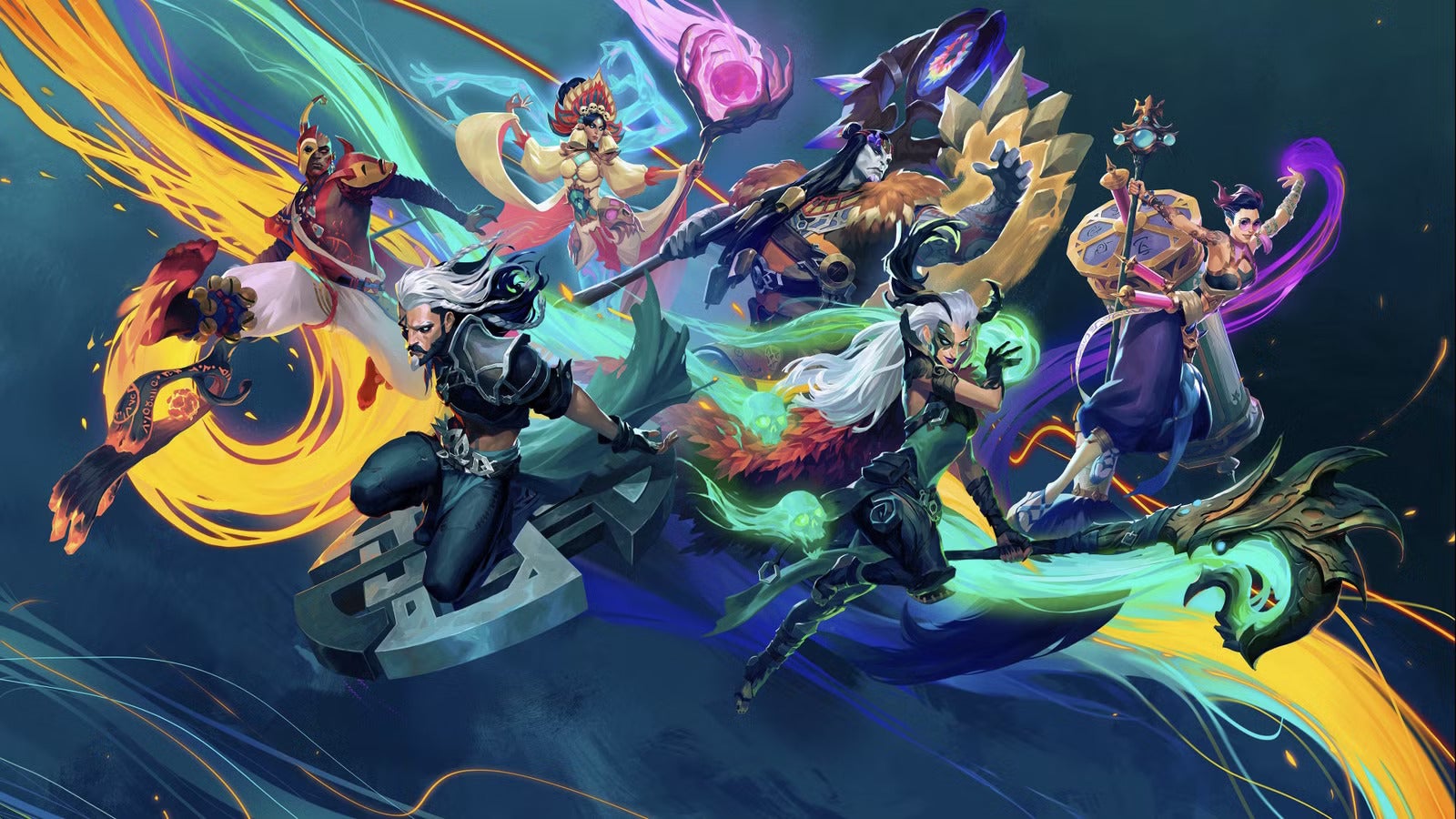
Spellcasters Chronicles represented a bold, almost jarring, pivot away from this established identity. Moving from intricate, player-choice-driven narratives to a multiplayer-focused game indicated a strategic ambition to diversify. Such diversification efforts are common in the industry; studios often seek to expand their creative horizons, mitigate reliance on a single genre, or tap into new revenue streams. For Quantic Dream, it might have been an attempt to:
- Expand Audience Reach: Multiplayer games inherently have the potential for broader appeal and longer engagement cycles than single-player titles.
- Explore New Creative Avenues: Developing a multiplayer game would undoubtedly challenge the studio’s designers, engineers, and artists in new ways, fostering different skill sets.
- Adapt to Market Trends: The live-service model, with its potential for recurring revenue and sustained player interaction, is a dominant force in modern gaming.
However, this departure also presented significant risks. The expertise required for a successful multiplayer game—network infrastructure, balancing, continuous content pipelines, and competitive design—is vastly different from that needed for a linear or branching single-player narrative. While Quantic Dream possesses immense talent in world-building and character development, translating that into a compelling and sustainable multiplayer loop proved to be a formidable challenge. The studio’s historical strength might, in this instance, have become a weakness in a genre where their specific expertise was less directly applicable.
Official Responses and Corporate Strategy
Quantic Dream’s communication surrounding the shutdown of Spellcasters Chronicles has been measured and professional, emphasizing both the commercial rationale and a commitment to stakeholders.
Quantic Dream’s Statement on Closure
The studio’s official statement provides a clear, albeit concise, explanation for the difficult decision: "In today’s particularly challenging market environment, the game has not reached the audience needed to ensure its long-term sustainability. We have therefore made the difficult decision to refocus our efforts on our other projects." This language is carefully chosen. By referencing the "challenging market environment," Quantic Dream frames the situation as a broader industry issue rather than solely a failure of their game’s design or execution. This externalizes some of the blame, though it still acknowledges the game’s inability to attract a sufficient player base.
The second part of their statement is equally important: "We are fully committed to handling this transition with fairness, care, and respect." This commitment extends to two primary groups:
- Players: The offer of full refunds for early access purchases is a critical demonstration of "fairness and respect." It acknowledges that players invested in a product that will not see its full potential realized and seeks to mitigate their financial loss. This move is crucial for maintaining goodwill with their existing fanbase, who might be wary of future Quantic Dream live-service ventures.
- Employees: The internal reorganisation with a focus on reassignments indicates "care and respect" for their staff. Rather than mass layoffs, the studio is prioritizing the retention and redeployment of talent to other projects, minimizing the human cost of the game’s failure. This approach is vital for maintaining employee morale and retaining institutional knowledge within the company.
Reorganization and Refocusing on Core Strengths
The internal reorganisation is a pragmatic and strategic response to the Spellcasters Chronicles situation. By reassigning development teams, Quantic Dream can consolidate its resources and talent around its more promising ventures. The explicit mention that Star Wars Eclipse remains "unaffected" is a cornerstone of this announcement. It reassures the gaming public and investors that the studio’s flagship project, one that aligns perfectly with its established strengths, is moving forward unhindered.
Guillaume de Fondaumière’s previous comments from the October interview gain even more significance in light of this closure. He had contrasted Spellcasters Chronicles as the "wild card" with Star Wars Eclipse as the "safe bet." He elaborated, stating, "There’s one path which is continuing to work on the single-player, narrative-branching experiences that we have been creating for so many years — and that is Star Wars Eclipse. Most of the people that worked on Detroit: Become Human, with a few exceptions, are today working on Star Wars Eclipse." This statement, made months before the shutdown announcement, strongly indicated where Quantic Dream’s core focus and confidence lay. The closure of Spellcasters Chronicles now confirms this strategic direction. It suggests that, for the foreseeable future, Quantic Dream will likely double down on the genre where it has proven expertise and a loyal following, leveraging its unique storytelling capabilities within a globally recognized and beloved IP. This approach minimizes risk and maximizes the potential for critical and commercial success, especially after the costly experiment of Spellcasters Chronicles.
Implications for Quantic Dream and the Industry
The rapid demise of Spellcasters Chronicles carries significant implications, not only for Quantic Dream’s strategic direction but also for the broader video game industry, offering cautionary tales and reinforcing existing trends.
Impact on Quantic Dream’s Future Trajectory
For Quantic Dream, the primary impact of this closure is a strategic recalibration. While the studio boldly attempted to diversify, the swift failure of Spellcasters Chronicles will undoubtedly lead to a more conservative approach to future projects, at least in the short to medium term. The financial outlay for developing, launching, and briefly operating a multiplayer title, even if it was a smaller "wild card" project, represents a considerable investment. Cutting losses early is a financially prudent decision, but it underscores the cost of failed diversification.
The studio’s immediate future is now even more heavily tied to the success of Star Wars Eclipse. This project, which promises to deliver the rich narrative and impactful choices characteristic of Quantic Dream’s best work, is positioned as their next major blockbuster. Its success will be crucial in reaffirming the studio’s standing and recouping the investment and reputational capital spent on Spellcasters Chronicles. The internal reorganisation and reassignment of staff will ensure that the most talented individuals are now focused on making Star Wars Eclipse a resounding success, leveraging the studio’s core strengths. This experience may also make Quantic Dream more cautious about future ventures outside their established genre, or at least prompt a much more rigorous evaluation process for any new genre explorations. The lesson learned is likely to stick: innovate, but do so from a position of strength, or with significantly more market research and a more robust proof of concept.
Lessons for Developers in a Crowded Market
The fate of Spellcasters Chronicles serves as a poignant case study for the entire gaming industry, particularly for studios contemplating a move into the live-service or multiplayer space.
- The Difficulty of Genre Transition: It highlights the immense challenge for studios, particularly those with a highly specialized niche, to successfully transition into entirely different genres. The skills, pipelines, and design philosophies required for narrative-driven single-player games are distinct from those needed for sustainable multiplayer experiences.
- High Barrier to Entry in Live Services: The online gaming market is unforgiving. It’s not enough to simply launch a game; it must capture attention immediately, foster a community, and provide a compelling reason for players to return consistently. New IPs face an uphill battle against established titans and viral sensations.
- Importance of Strong IP and Differentiation: While Spellcasters Chronicles was a new IP, its failure underscores the power of existing, beloved intellectual properties. Star Wars Eclipse, for instance, benefits immensely from the built-in fanbase and rich lore of the Star Wars universe, giving it a significant head start in player interest and brand recognition that Spellcasters Chronicles lacked.
- Consumer Perspective and Trust: For players, the closure of a live-service game, especially one so soon after launch, reinforces the inherent risk of investing time and money in such titles. While Quantic Dream’s refund policy is commendable, it can still erode player trust in the longevity of new online games. This can lead to increased skepticism and a "wait-and-see" approach from consumers, making it even harder for future new IPs to gain traction.
In conclusion, the shutdown of Spellcasters Chronicles is a sobering reminder that even renowned developers are not immune to the harsh realities of the modern video game industry. It marks the end of a brief, ambitious, but ultimately unsuccessful experiment for Quantic Dream, pushing the studio back towards its proven strengths and reinforcing the formidable challenges of carving out a space in the relentlessly competitive world of live-service gaming. All eyes now turn to Star Wars Eclipse, a project that carries the weight of Quantic Dream’s legacy and future ambitions.











No comments yet. Be the first to join the conversation!