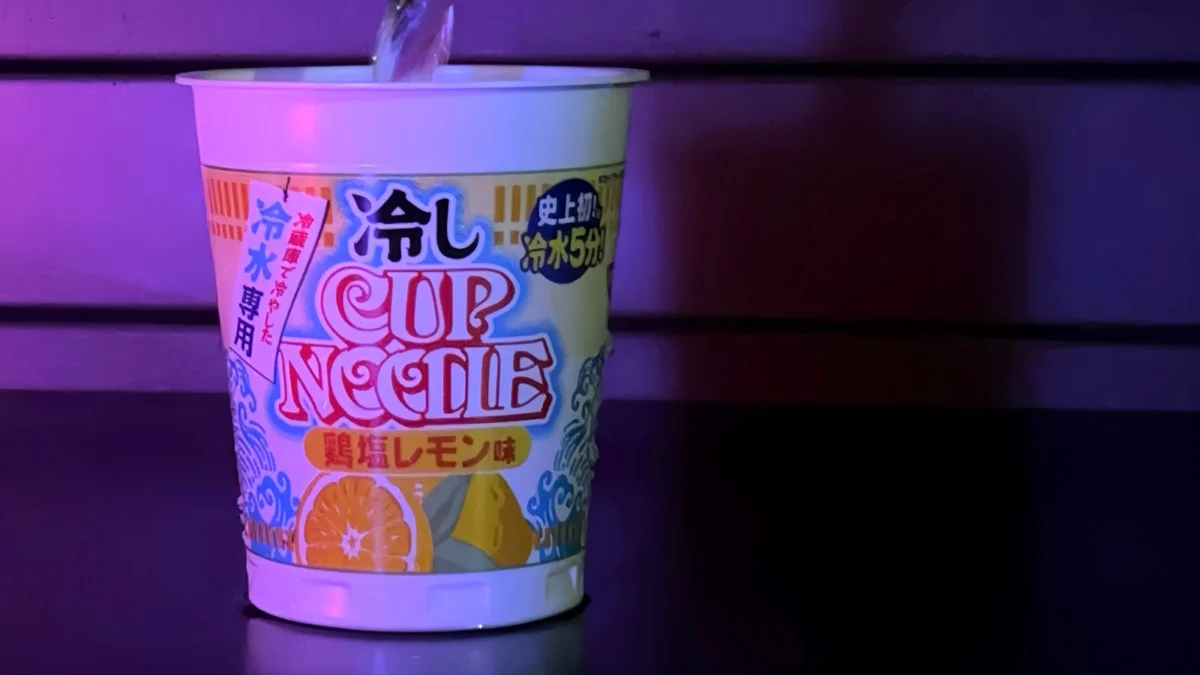
In a move that marks the most significant technical departure in its 55-year history, Nissin Foods has officially unveiled its latest innovation: a range of Cup Noodles designed to be prepared exclusively with cold water. This breakthrough, which eliminates the need for kettles, stoves, or microwave heating, represents a paradigm shift for the world’s most recognizable instant noodle brand. Designed to combat the sweltering heat of Japanese summers, the new product line promises to redefine the "instant" in instant meals, offering a refreshing, firm-textured alternative to the traditional piping-hot bowl.
The Evolution of Convenience: A Chronology of Innovation
To understand the magnitude of this release, one must first look at the history of the product that changed global food culture.
1971: The Birth of the Cup
The original Cup Noodles were introduced by Nissin founder Momofuku Ando in 1971. At the time, the concept of a self-contained, boil-in-the-cup meal was revolutionary. It solved a logistical problem for convenience stores and office workers alike, turning instant ramen from a block of dry noodles into a portable, lifestyle-oriented food item. Over the next five decades, the brand became a global phenomenon, spawning thousands of regional variations and flavors.
2021: The Half-Century Milestone
As the brand celebrated its 50th anniversary in 2021, the focus shifted toward sustainability and "future-proofing" the product. Nissin began experimenting with eco-friendly packaging and alternative preparation methods, recognizing that the modern consumer’s relationship with time and temperature was changing.
2023: The Gamer-Centric Pivot
In 2023, Nissin demonstrated its willingness to stray from tradition by launching "Gaming Cup Noodles." These brothless, caffeinated noodles were designed specifically for the esports market, preventing soup spills on hardware—a clear signal that the company was prioritizing situational utility over strict adherence to the traditional "soup-and-noodle" format.
2026: The Cold Water Breakthrough
The announcement of the Cold Cup Noodles is the culmination of five years of intensive R&D. Following a string of record-breaking heatwaves in Japan, Nissin identified a market gap: consumers wanted the convenience of Cup Noodles during summer months, but found the process of boiling water—and subsequently consuming a boiling-hot meal—to be physically uncomfortable in high-temperature environments.
The Science of Hydration: Nissin’s Patented Process
The primary technical challenge in developing cold-water noodles is starch gelatinization. Under normal circumstances, starch molecules in dried noodles require high-heat energy to absorb water and achieve the characteristic "springy" texture consumers expect.
The "Cold Rehydrate" Manufacturing Process
Nissin’s engineering team developed a proprietary "Cold Rehydrate" technology. While the specific chemistry remains a closely guarded trade secret, industry analysts suggest the process involves a unique structural modification of the noodle’s starch matrix, likely utilizing pre-gelatinized ingredients that are flash-dried to create a porous structure. This allows refrigerated water (ideally around 5°C to 10°C) to penetrate the noodle strands rapidly, softening them within five minutes without the need for thermal energy.
The result is a noodle that maintains a firm, "al dente" bite, avoiding the soggy texture that usually plagues instant noodles when they are left to soak in cool water.
Product Portfolio: Two Summer-Inspired Flavors
At launch, the cold-water range focuses on profiles that complement a chilled eating experience.
1. Cold Cup Noodles Spicy Kimchi
This flagship flavor targets the demand for "appetite-stimulating" foods during the summer. The broth is a sophisticated chicken-based liquid designed to hold its flavor profile at low temperatures. It features:
- The Signature "Mystery Meat": Seasoned pork cubes that maintain their integrity when rehydrated in cold water.
- Kimchi and Egg: Added for a tangy, fermented complexity that pairs well with the cooling sensation of the broth.
- Aromatic Finish: Sesame seeds and green onions provide a textural crunch that cuts through the heat of the kimchi spice.
2. Cold Cup Noodles Chicken Salt Lemon
Designed for those seeking a lighter, more refreshing meal, this iteration moves away from the heavier spice profiles.
- The Broth: A delicate combination of chicken, bonito, and dried sardine stock (niboshi). This seafood-forward base is light enough to be consumed cold without the "waxy" mouthfeel that fat sometimes creates at lower temperatures.
- The Citrus Note: A distinct lemon aroma is infused into the soup, providing a bright, acidic finish that mimics the experience of chilled noodle dishes like hiyashi chuka.
- Toppings: Steamed chicken, egg, and red pepper provide a balanced nutritional profile for a quick, mid-day lunch.
Implications for the Global Market
The introduction of this product has significant implications for both the food industry and consumer behavior.
A Warning to the Consumer
Perhaps the most unusual aspect of this launch is the prominent warning label on the packaging. For the first time in 55 years, Nissin must explicitly instruct customers not to use boiling water. The chemical composition of these noodles is optimized for cold water; using hot water may result in a texture that is overly soft or "mushy," undermining the careful engineering of the Cold Rehydrate process. This instruction is a necessary shift in communication, as it challenges the ingrained "add boiling water" habit that consumers have followed for over half a century.
Changing Seasonal Consumption Patterns
Traditionally, the instant noodle market experiences a "summer slump" as consumers pivot toward cold salads, sandwiches, or cold pasta dishes. By entering the cold-food space, Nissin is effectively reclaiming its market share during the summer months. If successful in Japan, this technology could easily be adapted for global markets, particularly in regions where instant ramen is a staple but climate conditions make hot meals less appealing.
Operational and Environmental Impact
From a sustainability perspective, the energy savings associated with this product are substantial. While the scale of impact depends on widespread adoption, eliminating the need to boil water—even for five minutes—reduces the electricity or gas consumption for millions of individual servings. As ESG (Environmental, Social, and Governance) targets become a priority for multinational corporations, Nissin’s ability to market this as an "energy-efficient" meal option could prove to be a powerful secondary marketing strategy.
Official Response and Future Outlook
Nissin executives have described this launch as a "bold experiment in convenience." In a recent press briefing, a company spokesperson stated:
"For 55 years, our brand has been defined by heat. Today, we are proving that the essence of Cup Noodles—the texture, the flavor, and the speed—is not dependent on the temperature of the water, but on the ingenuity of our craft. We are listening to our customers who are living through hotter summers and looking for new ways to stay cool without sacrificing the taste they love."
The company has not yet released figures regarding when or if the Cold Cup Noodles will be exported to international markets. However, the move is being closely watched by industry analysts who see this as a potential blueprint for how heritage food brands can modernize their portfolios to address changing climate and lifestyle trends.
Conclusion: A New Era for the Cup
The Cold Cup Noodle is more than just a seasonal gimmick; it is a testament to the brand’s ability to innovate within its own strict constraints. By solving the technical riddle of cold-water starch rehydration, Nissin has opened a new front in the instant meal wars.
Whether the public will fully embrace the idea of "chilled ramen" remains to be seen. However, as global temperatures rise and the demand for instant, effortless, and cool meals increases, Nissin has once again positioned itself as the leader in the field. For now, the instruction is clear: keep the kettle off, grab a bottle of cold water, and prepare for a completely different kind of Cup Noodles experience. The 55-year-old brand has successfully proven that while it was born in heat, it is more than capable of thriving in the cold.