

By Patrick O’Rourke | May 29, 2026
For over a decade, Wemo was a household name in the smart home industry. To many early adopters, the Belkin-owned brand was synonymous with the very concept of the "smart plug." It was the gold standard for reliability, the go-to recommendation for tech enthusiasts, and the bridge that allowed millions to experience the magic of voice-controlled lighting long before the industry coalesced around modern standards like Matter and Thread.
However, as of early 2026, that era has officially come to an end. Following months of speculation, user frustration, and a gradual degradation of service, Belkin has effectively shuttered the Wemo brand. For those of us who built our smart home ecosystems on the back of Wemo hardware, the transition hasn’t just been a minor inconvenience—it has been a stark lesson in the fragility of proprietary cloud-dependent infrastructure.
The Writing on the Wall: A Chronology of a Shutdown
The signs of Wemo’s decline didn’t appear overnight. For those paying close attention, the "writing on the wall" began to manifest in late 2025. It started, as many tech revelations do, on social media. A random Reddit thread in November 2025 began circulating theories that Belkin was preparing to sunset its smart home portfolio. At the time, the skepticism was high—how could a legacy player with such a massive install base simply walk away?
"There’s no way they’re cutting off support for Wemo, right?" was the prevailing sentiment. But as the weeks rolled on, the anecdotal evidence grew. Users reported increased latency, frequent "device unresponsive" errors in Google Home and Amazon Alexa, and a general lack of firmware updates.
My own experience mirrored this decline perfectly. I had been battling intermittent connectivity issues with my Wemo smart plugs for months. I initially blamed my Wi-Fi network, then my router, and eventually my Google Home hub. It wasn’t until mid-February 2026—when I sat down to watch television and was greeted by a cold, digital "I can’t find that device" from my smart assistant—that the reality set in. I had missed the January 31, 2026, official sunset date. My once-trusted smart plugs had essentially been rendered into "dumb" paperweights.

The Illusion of Permanence in a Cloud-First World
The primary issue with the Wemo shutdown, and indeed the broader issue with early smart home hardware, is the reliance on proprietary cloud servers. Wemo devices were designed to communicate with Belkin’s servers before relaying commands to your local network or voice assistant. When the company decided to pull the plug, that communication chain was severed.
Unlike modern devices that support local control via Matter, these legacy Wemo units were "locked" into the Belkin ecosystem. Once the servers went dark, the hardware lost its ability to receive the "handshake" required to function within a smart home ecosystem. This is a recurring theme in the Internet of Things (IoT) space: products are sold as long-term investments, but their lifespan is dictated by the business viability of the parent company rather than the hardware’s actual durability.
The Pivot: Embracing the Matter Standard
Following the Wemo collapse, I was forced to audit my entire home setup. I realized that my reliance on a single brand had created a "single point of failure." My research into replacements led me down the rabbit hole of modern smart home connectivity.
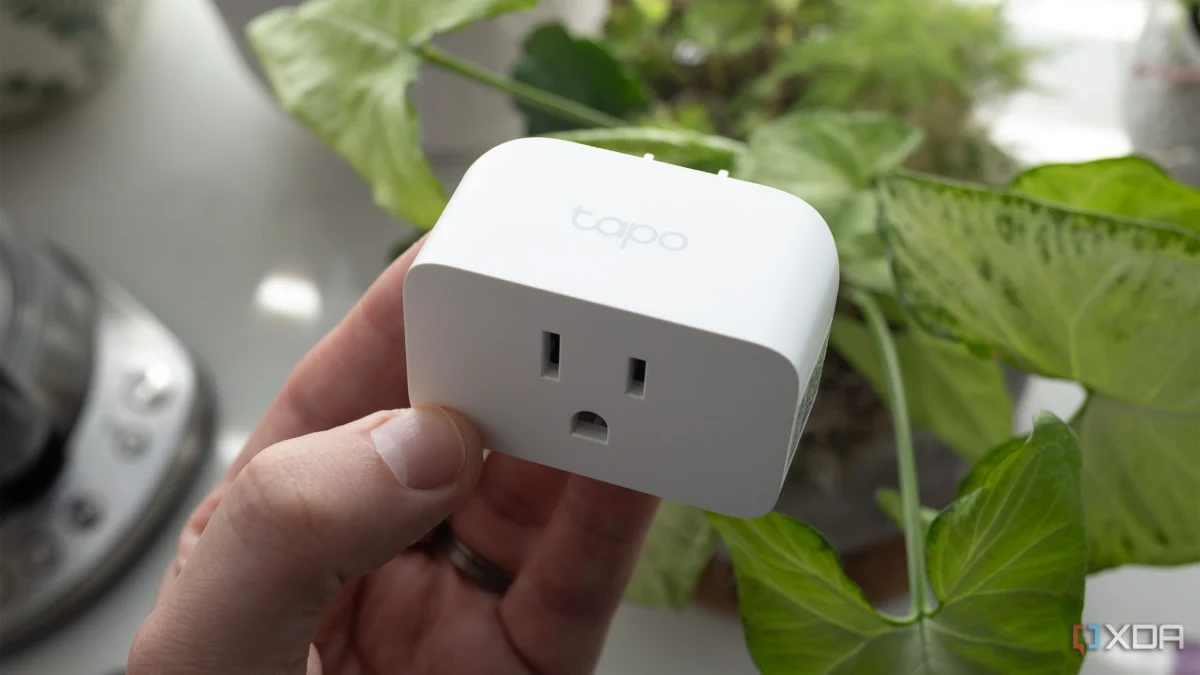
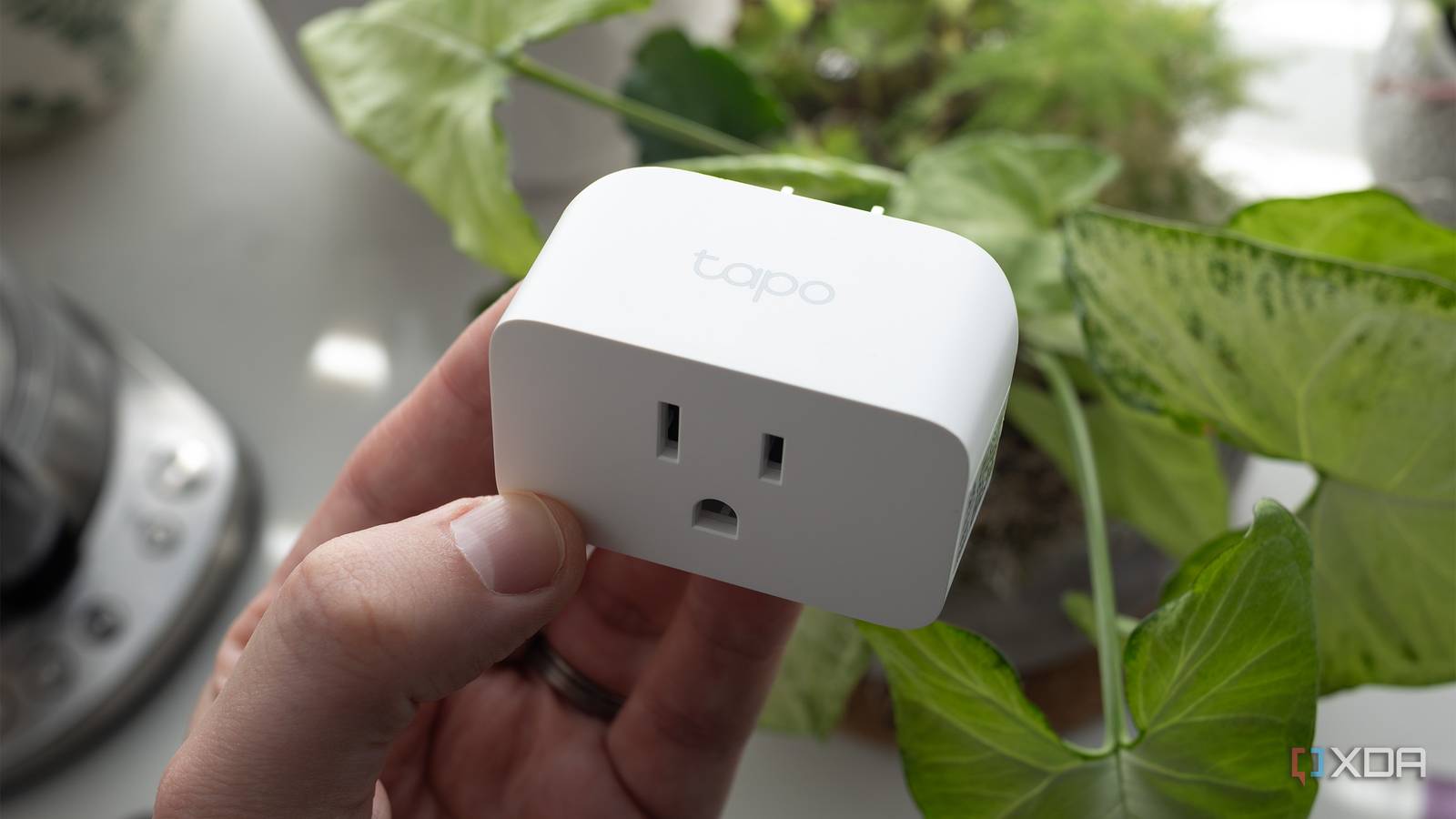
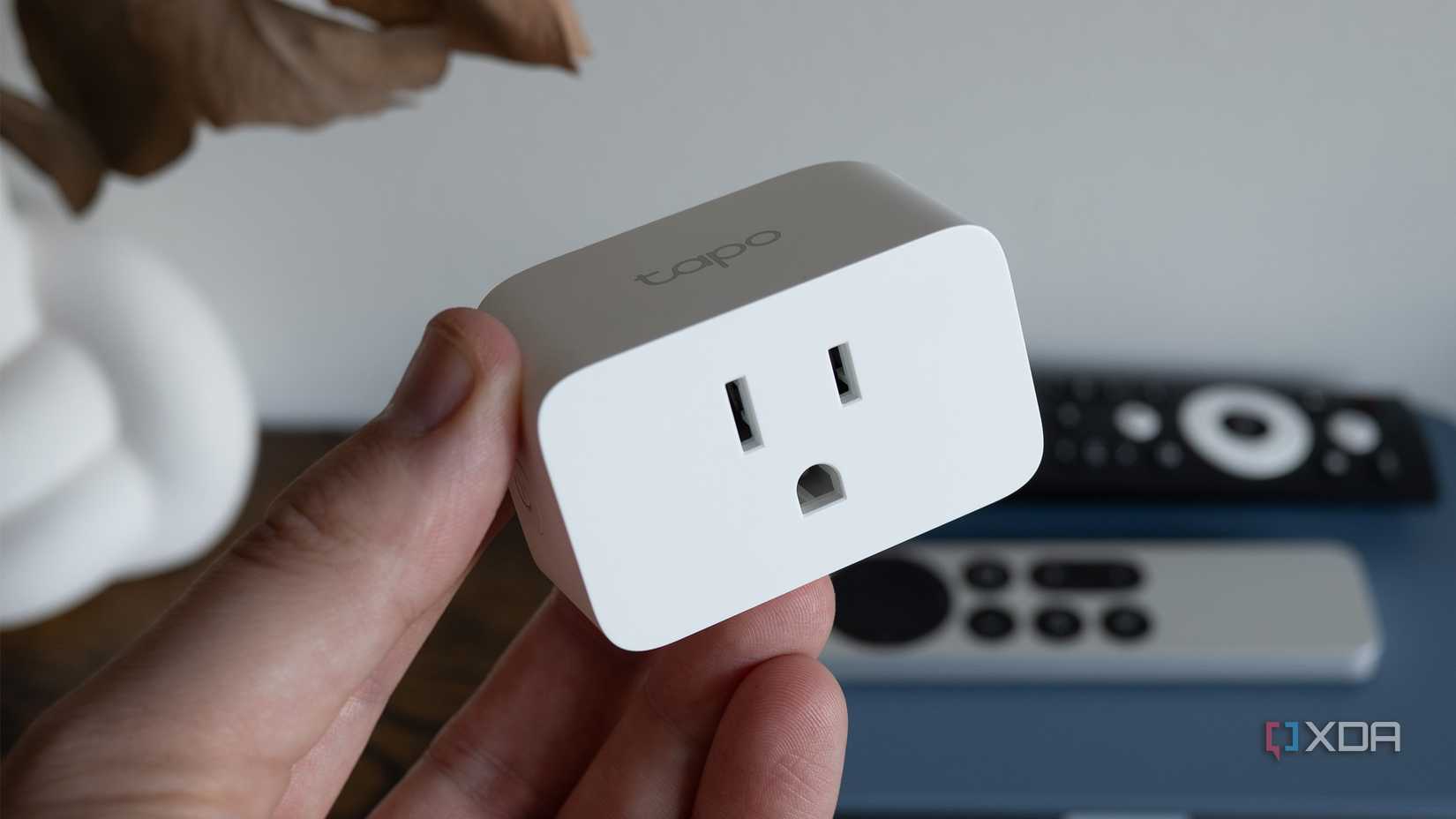
I eventually settled on the TP-Link Tapo Matter-supported Smart Plug Mini. The decision was driven by one core factor: Future-proofing. By choosing a device that supports the Matter standard, I am no longer tethered to a single manufacturer’s cloud infrastructure. Matter allows devices to communicate locally, meaning that if TP-Link were to undergo a similar shift in business strategy years down the line, these plugs would theoretically remain functional within any Matter-compatible ecosystem, such as Apple Home, Google Home, or Samsung SmartThings.
The transition also highlighted the evolution of the market. I picked up a three-pack of these plugs for $20—a price point that felt like a steal compared to the premium I originally paid for Wemo products years ago. The accessibility of these devices has increased as the complexity of the underlying technology has matured.
The Implications of "Smart" Obsolescence
The death of Wemo raises critical questions about consumer rights and the lifecycle of "smart" hardware. When we purchase a lightbulb or a wall plug, we expect it to last for years—perhaps even a decade. Yet, the tech industry has normalized the idea that these products have a shelf life dictated by software support.
1. E-Waste Concerns
Every time a major manufacturer sunsets a smart product line, thousands of units—which are otherwise physically functional—become e-waste. This is an environmental crisis that the tech industry has yet to adequately address. When a device like a smart plug becomes "unresponsive," the internal electronics are still intact, but the proprietary firmware makes them useless.
2. The Trust Deficit
Consumers are becoming increasingly wary of "smart" home investments. The "Wemo situation" has likely made many users think twice before buying into a new ecosystem. There is a growing demand for devices that offer local-only control, reducing the reliance on external servers and protecting users from the whims of corporate pivots.
3. The Necessity of Interoperability
The rise of Matter and Thread is the industry’s attempt to solve the fragmentation problem. By standardizing how devices talk to each other, the goal is to prevent the "walled garden" approach that led to Wemo’s ultimate demise. However, as I noted in my earlier reporting, Matter is not a magic bullet. It has its own technical hurdles and adoption challenges. Nevertheless, it is currently the only viable path forward for a stable, cross-platform home.

Reflections: Why the Switch Was Necessary
While losing my Wemo setup was frustrating, the experience forced a necessary upgrade. My new Tapo setup, while not perfect, is significantly more reliable than my Wemo units ever were. The integration with Google Home is seamless, and the lack of reliance on the original manufacturer’s app for daily automation has simplified my home management.
One notable trade-off in my current setup is the lack of Thread support. While my new plugs are Matter-certified, they still rely on Wi-Fi. For a power user with dozens of devices, this could lead to network congestion. However, for the average consumer, the shift from a proprietary, cloud-dependent system to a standardized, local-capable system is a massive upgrade in terms of reliability.
Looking Ahead: The Future of Your Smart Home
The departure of Wemo from the smart home market is not just an obituary for a brand; it is a signal for consumers to be more selective. When you are outfitting your home today, consider the following:
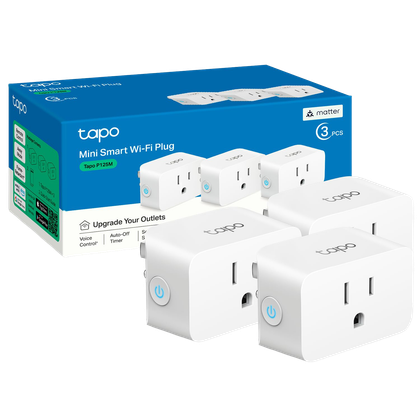
- Prioritize Standards: Look for the "Matter" logo on packaging. It is the best insurance policy you have against future brand shutdowns.
- Check for Local Control: Research whether a device can function without an active internet connection. If the device requires a cloud login to toggle a light, it is a liability.
- Avoid "Over-Investing" in Niche Brands: While smaller, innovative companies often push the envelope, larger ecosystems with clear commitments to open standards are safer bets for long-term support.
In conclusion, the Wemo shutdown was a wake-up call. It reminded us that in the smart home space, we are often "renting" the functionality of our devices until the manufacturer decides otherwise. By moving toward open standards and prioritizing hardware that functions locally, we can take back control of our homes. My smart lights finally work reliably again, but more importantly, I finally feel like I own the infrastructure that powers them. As the industry continues to consolidate, the lesson of Wemo will remain: the best smart home is one that doesn’t depend on a single company to keep the lights on.












No comments yet. Be the first to join the conversation!