

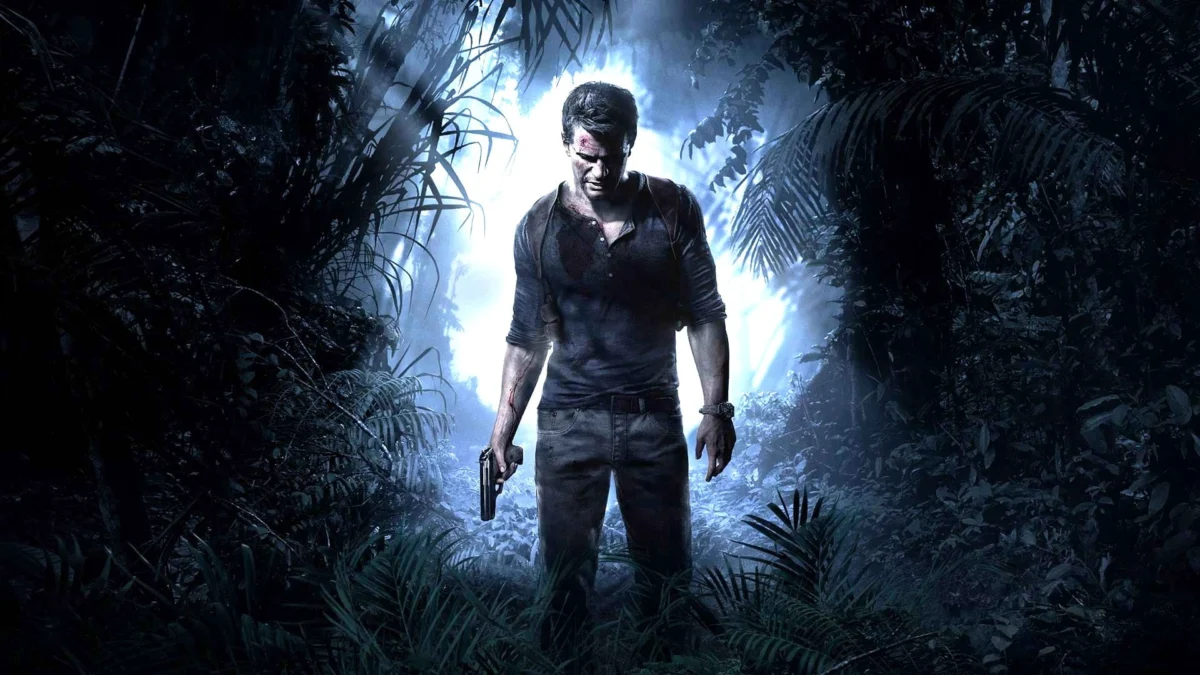
PlayStation’s beloved treasure-hunting saga, Uncharted 4: A Thief’s End, celebrates its tenth anniversary today, marking a full decade since the last mainline installment in the critically acclaimed series. Released in 2016, the game not only solidified its place as one of the PlayStation 4’s finest achievements but also sparked a fervent debate among fans about its standing within the franchise’s illustrious history. This milestone prompts a deeper examination of its tumultuous development, its evolution in tone and gameplay, and its lasting impact on the gaming landscape.
The Weight of Expectation: A Decade Since the Last Great Heist
For a decade now, the iconic call to adventure echoing from the Uncharted series has been largely silent, save for the standalone expansion Uncharted: The Lost Legacy. Uncharted 4: A Thief’s End, released on May 10, 2016, represents the last time players embarked on a grand, globe-trotting quest with the charismatic treasure hunter Nathan Drake. Its release was met with widespread critical acclaim, lauded for its breathtaking visuals, compelling narrative, and refined gameplay mechanics. Many consider it the pinnacle of the series, a testament to Naughty Dog’s unparalleled storytelling and technical prowess.
However, reaching this celebrated status was far from a smooth journey. The development of Uncharted 4 was plagued by significant challenges, a stark contrast to the polished final product that captivated millions. This anniversary serves as a poignant reminder of the arduous path Naughty Dog navigated to deliver what is widely regarded as a masterpiece.
A Development Odyssey: From Visionary Departures to Near Cancellation
The seeds of Uncharted 4 were sown early in the PlayStation 4’s lifecycle. The game was initially announced as a launch title for the new console in 2013, generating immense anticipation. However, within months of this announcement, the project was thrown into disarray with the departure of its original director, Amy Hennig. Hennig, a key architect of the Uncharted series’ early success, left Naughty Dog under circumstances that remained largely private at the time, leaving the future of A Thief’s End uncertain.
This seismic shift necessitated a fundamental re-evaluation of the game’s direction. The reins were eventually passed to Neil Druckmann and Bruce Straley, the acclaimed creative leads behind The Last of Us. Their arrival marked a pivotal moment, ushering in a new creative vision for the franchise. Yet, the transition was not seamless. Reports from former Naughty Dog employees paint a vivid picture of a development cycle fraught with internal struggles and creative redirection.
One former Naughty Dog developer, speaking anonymously, recently recounted the dire state of the project during this period. While not explicitly naming Uncharted 4, their description of a game that was "failing" and on the verge of cancellation aligns perfectly with the known timeline and challenges of A Thief’s End. The narrative shared was one of intense pressure and a palpable sense of crisis within the studio. The developer’s account highlights a specific instance where Sony executives, deeply concerned about the project’s trajectory, threatened to "pull funding" if significant improvements weren’t made, underscoring the precariousness of the game’s existence.
The situation was reportedly so critical that the game was staring down the barrel of outright cancellation. It was only the intervention of Druckmann and Straley, who had recently concluded their work on the critically acclaimed The Last of Us, that salvaged the project. Their experience in crafting deeply emotional and character-driven narratives, coupled with their proven ability to navigate complex development cycles, proved instrumental in steering Uncharted 4 back towards its intended course. This period of uncertainty and the significant creative overhaul it necessitated are crucial elements in understanding the game’s eventual triumph.
A New Tone, A Heavier Heart: Evolving the Uncharted Formula
Druckmann and Straley’s influence brought a distinct shift in the Uncharted formula. While retaining the series’ signature blend of thrilling action, witty banter, and exotic locales, they infused A Thief’s End with a newfound maturity and emotional depth. The game explored themes of legacy, mortality, and the consequences of obsession, presenting a more introspective and grounded narrative for Nathan Drake.
This thematic evolution was mirrored in the gameplay and pacing. Uncharted 4 emerged as the longest installment in the series by a considerable margin. A significant portion of this extended runtime was dedicated to extensive, cinematic cutscenes that delved deeper into the characters’ motivations and backstories. The game’s pacing was noticeably more deliberate, allowing for moments of quiet reflection and character development amidst the high-octane set pieces.
The result was a "grown-up" Uncharted experience. The stakes felt higher, the dangers more palpable, and the characters more complex. This shift resonated with a segment of the fanbase who appreciated the narrative ambition and the more nuanced portrayal of its beloved protagonists. The visual fidelity also reached new heights, pushing the boundaries of what was considered possible on the PlayStation 4. Even a decade later, the game’s environments remain breathtaking, its character models remarkably detailed, and its animation fluid and lifelike.

However, this departure from the more lighthearted tone of its predecessors also proved to be a point of contention for some players. While the enhanced storytelling and character development were widely praised, some lamented the loss of the series’ earlier, more carefree spirit. The increased emphasis on narrative and cinematic presentation, while lauded by many, was perceived by others as making the game "heavier" and less focused on the pure, unadulterated adventure that defined earlier entries. This divergence in opinion highlights the subjective nature of artistic interpretation and the challenge of evolving a beloved franchise without alienating its core audience.
Supporting Data: Critical Acclaim and Commercial Success
Despite the developmental hurdles and the evolving fan reception, Uncharted 4: A Thief’s End achieved remarkable success, both critically and commercially. Upon its release, it garnered near-universal praise from critics, with many outlets awarding it perfect or near-perfect scores. Reviewers consistently highlighted its stunning graphics, sophisticated storytelling, superb voice acting, and polished gameplay.
Metacritic, a prominent review aggregation website, currently lists Uncharted 4 with an aggregated score of 93 out of 100 based on over 110 critic reviews, a testament to its widespread critical acclaim. Publications like IGN, GameSpot, and Eurogamer hailed it as a masterpiece and a fitting conclusion to Nathan Drake’s saga.
Commercially, the game was a resounding success for Sony Interactive Entertainment. It sold over 16 million units worldwide by February 2020, making it one of the best-selling titles on the PlayStation 4. This strong sales performance indicated a significant appetite for the Uncharted franchise and a broad appreciation for the direction Naughty Dog had taken it. The game’s enduring popularity is also evident in its continued presence in PlayStation’s "Greatest Hits" and "PlayStation Hits" lineups, further solidifying its status as a cornerstone of the PS4 library.
Official Responses and Future Implications: The Legacy of a Thief
While Naughty Dog and Sony have largely remained circumspect about the specific details of Uncharted 4‘s troubled development, their public statements and the game’s eventual success speak volumes. The decision to entrust the project to Druckmann and Straley, the creators of The Last of Us, was a bold one that ultimately paid off. Their ability to salvage a project facing near-certain cancellation and transform it into a critically and commercially successful title is a testament to their leadership and creative vision.
The success of Uncharted 4 reinforced Naughty Dog’s reputation as a premier developer capable of delivering high-quality, narrative-driven experiences. It also demonstrated their willingness to push the boundaries of established franchises, introducing new thematic elements and gameplay refinements. This willingness to evolve has been a hallmark of their work, evident in their subsequent projects.
The ten-year hiatus since the last mainline Uncharted game has led to much speculation about the future of the series. While The Lost Legacy offered a glimpse into the potential of spin-off adventures, the absence of a direct sequel has left fans eager for more. The enduring popularity of Uncharted 4, coupled with the unresolved narrative threads and the vast potential for further exploration of its universe, suggests that the door remains open for future installments.
However, the question of whether Uncharted 4 represents the absolute zenith of the series remains a subject of ongoing debate. Titles like Uncharted 2: Among Thieves are consistently lauded for their pure adventure and tight pacing, often cited as the series’ defining entry. Uncharted 4, with its more mature themes and deliberate pacing, offers a different, yet equally compelling, experience.
As players reflect on a decade of Uncharted 4: A Thief’s End, the game stands as a powerful example of perseverance in game development. It is a testament to the creative resilience of Naughty Dog, a showcase of stunning technological achievement, and a narrative journey that continues to resonate with players. Whether it is considered the "best" Uncharted is a matter of personal preference, but its impact on the PlayStation legacy and its place in the pantheon of great video games are undeniable. The treasure of A Thief’s End continues to shine brightly, a decade after its arduous discovery.











No comments yet. Be the first to join the conversation!