Evan Lee Salim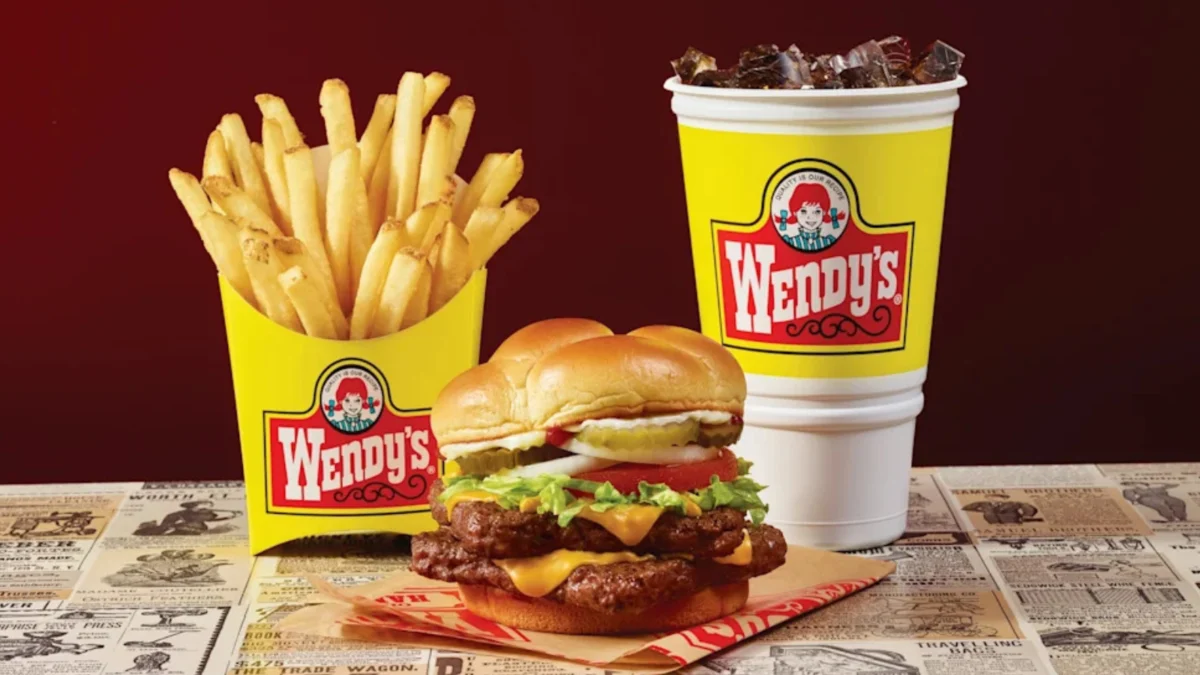
In an era defined by rapid digital transformation and hyper-minimalist corporate branding, Wendy’s is taking a definitive step backward—not in progress, but in spirit. The fast-food giant has officially announced that it will be resurrecting its iconic, vibrant yellow packaging, a move that serves as a visual bridge to the company’s roots. This decision, long anticipated by a fervent fanbase, marks a significant shift in the chain’s marketing strategy, prioritizing emotional resonance over modern industrial design.
For millions of customers, those bright yellow cups, burger wrappers, and fry cartons represent more than just food containers; they are vessels of collective memory. Starting September 28, the company will begin a nationwide rollout of the throwback designs, ensuring that the visual aesthetic of the late 20th century finds its way back into the hands of a new generation.
The Chronology of an Icon: From Columbus to Global Presence
To understand the weight of this decision, one must look back to the inception of the brand. When Dave Thomas opened the very first Wendy’s restaurant in Columbus, Ohio, in 1969, the branding was inextricably linked to that signature golden-yellow hue. It was a color scheme that defined the “Old Fashioned” experience the chain promised—a departure from the cookie-cutter fast-food establishments of the time.
For decades, the yellow packaging was the standard. It adorned the tables of families during the 1970s and 80s, becoming a backdrop for post-school hangouts, late-night study sessions, and the simple, universal pleasure of dipping fries into a Frosty. As the brand grew, however, the industry-wide push toward modernization led to a transition toward the red-and-white color palette that dominates today’s Wendy’s locations.
The transition away from yellow was not a failure of design, but a byproduct of evolution. As the brand expanded internationally and sought a more contemporary identity, the packaging evolved to reflect a more streamlined, "cleaner" aesthetic. Yet, as time marched on, the yellow packaging transitioned from "outdated" to "vintage," eventually reaching a status of "cult classic." In recent years, the internet has become a repository for nostalgia, with fans frequently posting photos of old Wendy’s memorabilia on social media, fueling a quiet but persistent campaign for the return of the original look.
The Strategy Behind the Sentiment: Why Now?
The return of the yellow packaging is not merely a whimsical decision; it is a calculated masterstroke of consumer-centric marketing. Tariq Hassan, Wendy’s Chief Marketing and Customer Growth Officer, has been at the forefront of this initiative, championing the idea that a brand’s strongest asset is its emotional equity.
"Fans asked. Constantly," Hassan remarked in an interview with USA Today. "It’s one of the most requested things we’ve ever had come back."
The implication here is profound. In a competitive landscape where fast-food chains are constantly vying for market share through aggressive pricing and complex menu innovations, Wendy’s has identified that sometimes the most effective innovation is actually a restoration. By tapping into the "nostalgia economy," Wendy’s is attempting to differentiate itself from competitors who remain tethered to strictly modern branding.
Hassan notes that the old design acts as a sensory trigger. For many, seeing the yellow packaging evokes memories of specific life stages. It represents a simpler time when a trip to the drive-thru was an event rather than a routine necessity. "That kind of emotional connection is powerful and you can’t design it into packaging," Hassan explained. "It’s created in those special moments and something all brands hope to earn: a meaningful place in people’s lives."
Implications for the Brand and the Industry
The decision to reintroduce the yellow packaging signifies a broader trend in the food and beverage industry: the "Vintage Revival." We are currently seeing a cultural movement where consumers are gravitating toward the familiar. In an increasingly unstable world, brands that lean into their heritage offer a sense of comfort and stability.

The "Nostalgia Effect" as a Marketing Tool
Wendy’s is not the first to realize that the past is a goldmine. The recent resurgence of classic soda flavors, retro logos on apparel, and the revival of defunct menu items suggests that companies are leaning heavily on the psychological comfort of the past.
This is not a temporary promotional gimmick. Wendy’s has confirmed that the rollout will continue through 2027, signaling a multi-year commitment to this aesthetic shift. By integrating this into their long-term operations, the company is ensuring that the nostalgia is not just a "moment," but a lasting part of the customer experience.
A Domino Effect of Retro-Restoration
The industry is taking notice. We are seeing a ripple effect across the sector. For instance, a Pizza Hut franchisee has gained significant media attention for meticulously restoring locations to their classic 1980s appearance—complete with the iconic red-tented cups, checkered tablecloths, and even functioning arcade machines. This proves that consumers are not just looking for a product; they are looking for an environment.
Furthermore, individual Wendy’s locations have been experimenting with their own forms of "retro-marketing." The recent, albeit quiet, revival of the nine-patty T-Rex Burger as a localized eating challenge serves as another example of the chain leaning into its history to drive engagement. By blending these "legendary" menu items with the return of heritage packaging, Wendy’s is curating a holistic experience that feels authentic to its roots.
The Logistics of the Rollout
Transitioning the packaging of a global chain is an immense logistical undertaking. The process, beginning on September 28, involves more than just a change in ink; it requires a comprehensive overhaul of supply chain management for every restaurant in the nationwide network.
The rollout will be phased. Customers can expect to see the yellow wrappers, cups, and fry boxes appearing gradually as local inventories are depleted and replaced with the new-old stock. This phased approach serves a secondary purpose: it creates a "treasure hunt" atmosphere. As fans document their first sightings of the yellow packaging on platforms like TikTok and Instagram, the brand earns a secondary layer of organic, user-generated marketing that money simply cannot buy.
Looking Ahead: A Future Rooted in the Past
As Wendy’s moves into 2027 with its yellow branding, the industry will be watching closely to see if this leads to an increase in customer loyalty and sales. The data suggests it will. Brands that successfully manage the tension between modernity and nostalgia often find themselves with a more resilient, devoted customer base.
However, the challenge for Wendy’s will be maintaining this balance. The goal is not to become a museum of the 1970s, but to remain a contemporary leader that respects its own story. By utilizing modern food safety standards and efficient kitchen technology while wrapping the final product in a piece of history, Wendy’s is attempting to offer the best of both worlds.
Final Thoughts: The Power of Identity
The return of the yellow packaging is a testament to the power of a brand’s identity. It reminds us that corporations, while often viewed as faceless entities, can hold a place in our personal histories. When a company acknowledges that connection—when they listen to the fans who say, "I remember this"—they aren’t just selling a burger. They are validating the lives of the people who have eaten there for over half a century.
As the yellow containers begin to populate drive-thrus across the United States, we are reminded that in the fast-paced world of modern retail, sometimes the most forward-thinking move is to reach back and reclaim the things we loved the most. Wendy’s has bet on the fact that the future of their brand lies in the warm, yellow glow of the past, and if the early response from the public is any indication, it is a bet they are going to win.



 Lina Irawan