

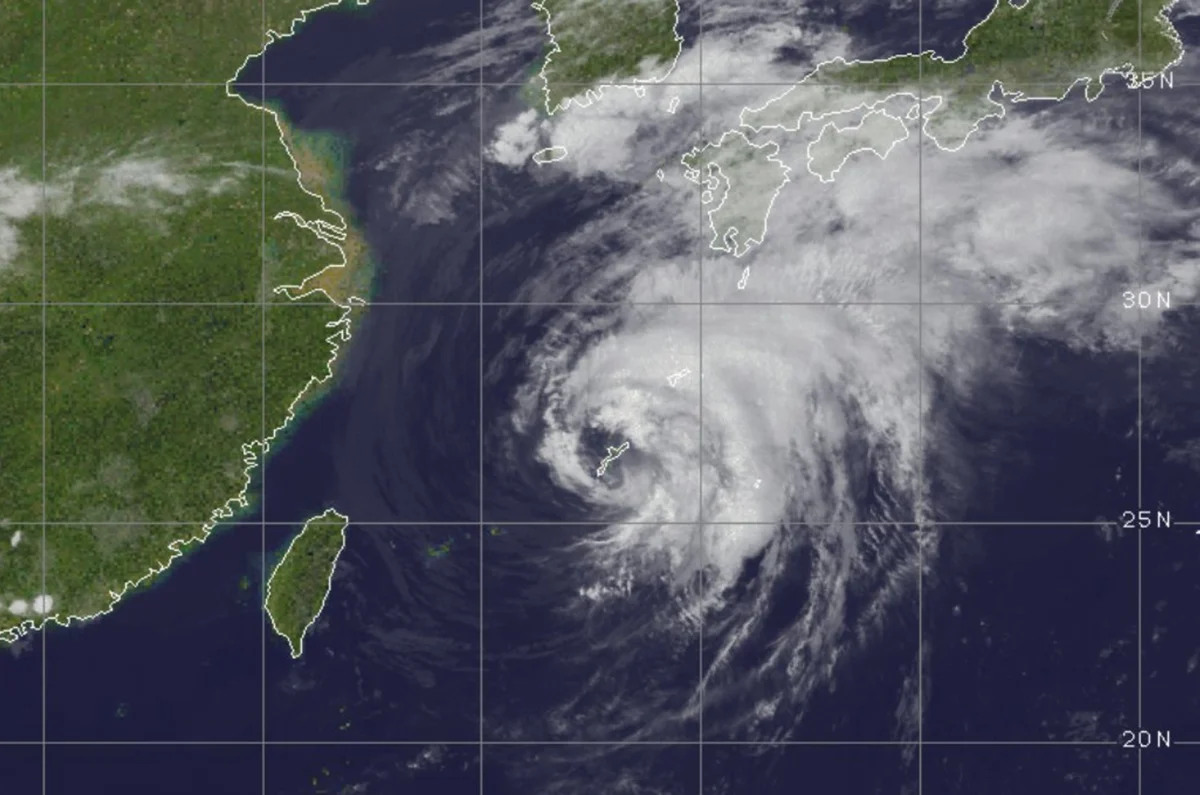
TOKYO – Japan is bracing for significant disruption as Tropical Storm Jangmi, formerly categorized as a powerful typhoon, continues its destructive path across the archipelago. The storm, which has already left a trail of damage across Okinawa and parts of southwestern Japan, is forecast to bring torrential rain, life-threatening winds, and widespread travel paralysis to much of the country through Wednesday.
As of Tuesday morning, the Japan Meteorological Agency (JMA) reported the storm was positioned approximately 40 kilometers west-southwest of Yakushima Island. With its slow-moving, high-intensity structure, the storm has already forced local authorities to issue urgent warnings for millions of residents, urging them to prioritize safety and heed evacuation orders.
A Chronology of the Storm’s Path and Impact
The trajectory of Tropical Storm Jangmi has been marked by a transition from a maritime typhoon to a severe tropical storm that is currently impacting high-density population centers.
Early Onset: The Okinawa Impact
The storm’s initial arrival in the Okinawa prefecture was marked by high-velocity wind gusts that overwhelmed local infrastructure. Reports reaching the mainland on Monday evening and early Tuesday confirmed that the storm’s outer bands caused significant structural damage to homes and commercial buildings. The combination of intense wind shear and debris has been the primary cause of civilian harm, with the national broadcaster NHK reporting that over 10 individuals have sustained injuries. Most of these injuries were attributed to projectiles—objects such as roof tiles, signage, and tree branches—being lifted by wind gusts and crashing into vehicles and pedestrians. Others were reported to have been knocked off their feet by the force of the wind, resulting in fractures and head injuries.
The Shift to Kyushu and Beyond
By Tuesday, the storm’s center of circulation had shifted toward the Kyushu region. The arrival of the storm in Kagoshima Prefecture triggered immediate power grid failures. As the storm intensified, the electrical distribution network struggled to maintain stability under the pressure of downed power lines and transformers.
Meteorological Outlook
The JMA maintains that while the system has been downgraded from a typhoon, its potential for localized flooding and landslides remains critical. Meteorologists are particularly concerned about the storm’s slow forward speed, which allows it to drop significant volumes of rainfall over a single area for an extended period. Areas in the direct path of the storm are expected to see heavy rainfall totals, leading to a high risk of river overflow and mudslides in mountainous regions.
Supporting Data: The Scale of the Crisis
The scale of Tropical Storm Jangmi’s impact is evidenced by the massive disruption to the nation’s infrastructure, affecting energy supplies and air travel.
Energy Infrastructure Vulnerability
The sheer force of the storm has incapacitated large sections of the power grid. By Tuesday morning, approximately 17,000 households in Okinawa were without electricity. This number surged as the storm hit the mainland, with over 30,000 households in Kagoshima Prefecture reporting power outages. Utility companies have struggled to dispatch repair crews due to the severity of the wind, meaning that many households may remain in the dark for an extended period until conditions subside.
Aviation and Logistics Paralysis
The impact on Japan’s aviation sector has been nothing short of catastrophic for travel plans. The country’s two flagship carriers, Japan Airlines (JAL) and All Nippon Airways (ANA), confirmed a combined cancellation of 600 flights between Monday and Wednesday. These cancellations have rippled across the national transport network, stranding thousands of travelers at regional airports and creating logistical nightmares for both domestic and international connections. Passengers are being advised to check airline websites frequently, as the window for flight resumption remains fluid and dependent on the storm’s exit velocity.
Official Responses and Public Safety Mandates
The Japanese government has activated emergency response protocols, with senior officials emphasizing the importance of individual vigilance.
Chief Cabinet Secretary’s Urgent Appeal
Chief Cabinet Secretary Minoru Kihara addressed the public in a tense press conference on Tuesday morning. His message was clear: the threat to life is significant, and complacency is not an option.
"For those of you living in areas likely to be affected by the storm, please pay close attention to evacuation information issued by your municipalities, and heed early evacuation warnings," Kihara stated. He further emphasized the unpredictable nature of the storm, adding, "Please remain vigilant and take action to protect your life."
Kihara specifically warned that the impact would not be limited to the southern regions. As the storm tracks north, residents in Tokyo and the surrounding Kanto plain should expect significant disruptions to local transportation and potential hazards associated with heavy rain and wind gusts starting late Wednesday.
Municipal Disaster Preparedness
Local governments across the affected prefectures have opened emergency shelters, though they are currently operating under strict guidelines to manage both storm safety and existing public health protocols. Municipalities have been tasked with monitoring river levels and the stability of slopes prone to landslides, issuing "Level 3" and "Level 4" evacuation alerts in high-risk zones.
Economic and Transport Implications
Beyond the immediate human cost, the storm is testing the resilience of Japan’s sophisticated transit infrastructure.
The Shinkansen Dilemma
Japan’s high-speed rail network, the Shinkansen, is a vital artery for the national economy. Operators have issued a stern warning: the severity of the storm may necessitate the suspension of operations on the Sanyo and Kyushu Shinkansen lines starting Tuesday night.
While operators noted that services were running as scheduled as of Tuesday afternoon, they underscored that this could change at a moment’s notice. "Services may be delayed or canceled depending on weather conditions," a spokesperson for the rail operators noted. The potential suspension of the Shinkansen poses a significant risk to the supply chain and business travel, given the network’s importance in connecting the major economic hubs of the south to the rest of the country.
Long-Term Resilience Challenges
This event has prompted a renewed conversation regarding the resilience of Japanese infrastructure in the face of increasingly powerful tropical systems. With experts noting that climate change is potentially intensifying the strength of typhoons hitting the region, the current event serves as a stress test for both emergency management systems and physical infrastructure.
Conclusion: A Call for Vigilance
As Tropical Storm Jangmi continues its progression, the focus remains squarely on survival and mitigation. The combination of power outages, the risk of landslides, and the near-total cessation of transport services in the affected regions represents one of the more significant weather events of the current year.
For residents in the path of the storm, the coming 24 to 48 hours will be critical. Authorities continue to urge the public to avoid non-essential travel, stay updated via official meteorological channels, and keep emergency supplies readily available. As the storm moves toward the capital, the nation waits in a state of alert, hoping that the rigorous safety measures in place will minimize the toll of what has already proven to be a dangerous meteorological encounter.
Travelers are strongly encouraged to verify their flight statuses and railway schedules before heading to transport hubs. With the situation evolving, the message from the government remains unchanged: prioritize personal safety above all else, and do not underestimate the power of the approaching storm.












No comments yet. Be the first to join the conversation!