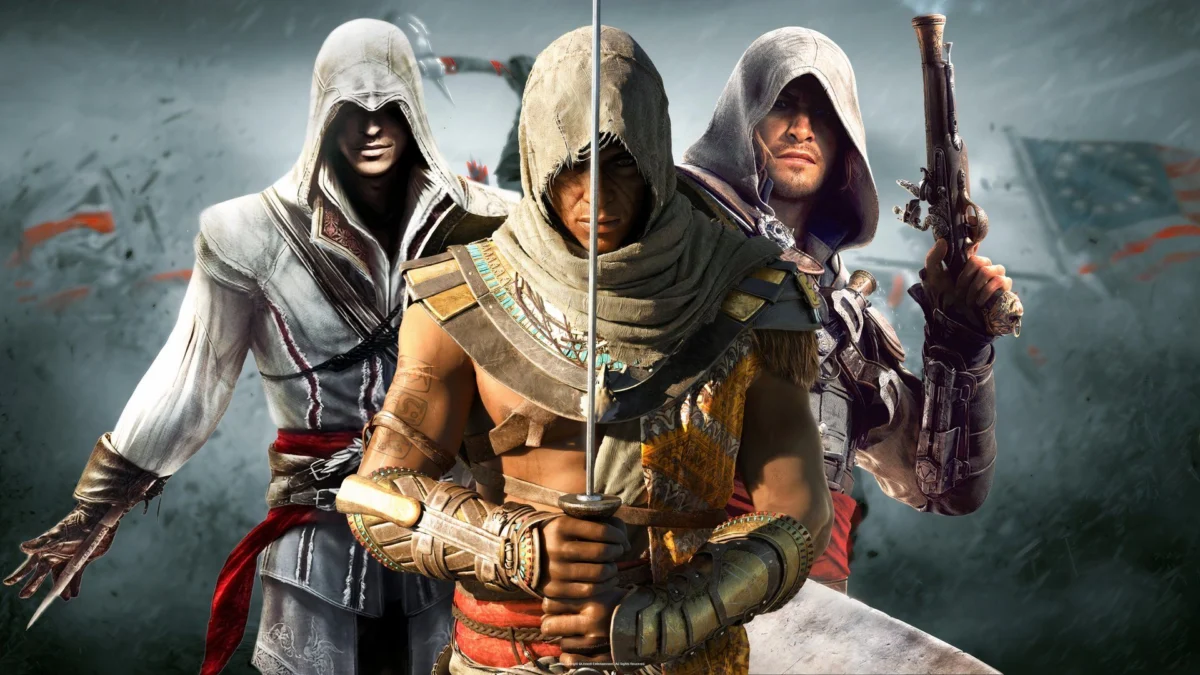
For nearly two decades, the Assassin’s Creed franchise has captivated gamers worldwide, carving out a significant niche in the annals of interactive entertainment. Since its inception in 2007, the series has sold over 250 million copies, a testament to its enduring appeal and its ability to consistently reinvent itself while staying true to its core tenets. Each installment has not only expanded the intricate lore of the Assassin-Brotherhood and their eternal conflict with the Templar Order but has also served as a meticulously crafted digital tapestry, weaving together historical accuracy with thrilling stealth-action gameplay.
While the journey through history has been largely celebrated, not every foray into the past has been met with universal acclaim. Some titles have soared, becoming benchmarks for open-world design and narrative depth, while others have faltered, struggling to find their footing amidst evolving gameplay mechanics and ambitious storytelling. As Ubisoft continues to expand this vast universe, with recent ventures like the remake of Assassin’s Creed IV: Black Flag, now is an opportune moment to revisit the mainline entries and critically assess their impact, gameplay innovation, and overall entertainment value. This comprehensive ranking delves into the heart of what makes each Assassin’s Creed game resonate, from its narrative prowess to its engaging mechanics, offering a definitive look at the series’ most memorable adventures.
The Evolution of an Icon: A Chronological Journey Through Assassin’s Creed
The Assassin’s Creed saga began with a bold premise: a modern-day descendant, Desmond Miles, reliving the memories of his ancestors through a revolutionary device called the Animus. This unique narrative structure allowed players to experience pivotal moments in history firsthand, embodying skilled assassins as they navigated complex conspiracies and fought for freedom.
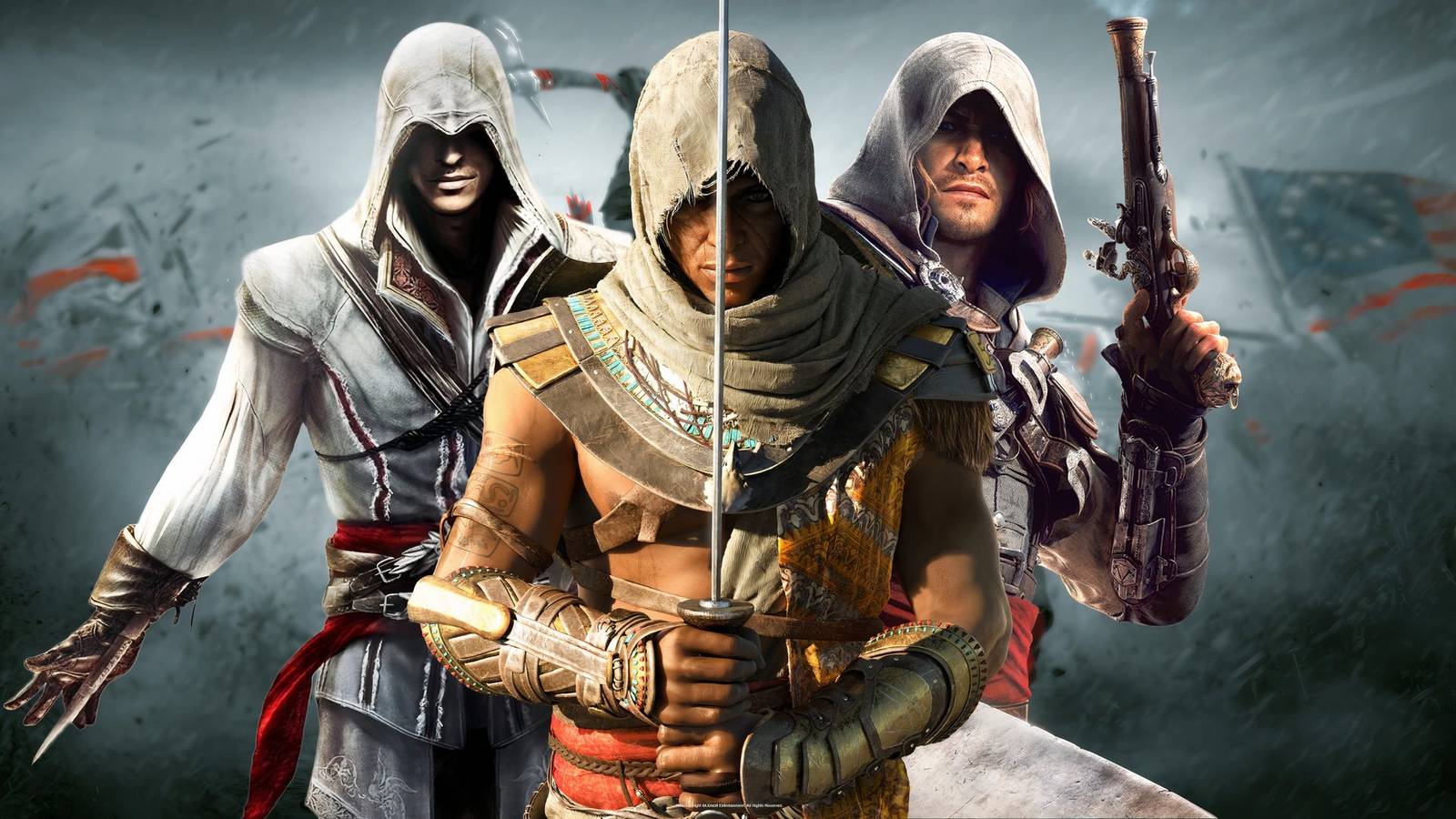
The original Assassin’s Creed, released in 2007, laid the groundwork with Altaïr Ibn-La’Ahad during the Third Crusade. Its groundbreaking parkour system and emphasis on stealth were revolutionary for their time, establishing the core gameplay loop that would define the franchise. The sequel, Assassin’s Creed II (2009), introduced the beloved Ezio Auditore da Firenze, a charismatic Renaissance nobleman whose trilogy would become a cornerstone of the series. Assassin’s Creed: Brotherhood (2010) continued Ezio’s story and innovated with its recruitment system and competitive multiplayer, while Assassin’s Creed: Revelations (2011) provided a poignant conclusion to both Ezio and Altaïr’s narratives, alongside Desmond’s evolving modern-day plot.
The franchise then embarked on a new era with Assassin’s Creed III (2012), introducing Connor Kenway during the American Revolution. This installment explored themes of indigenous rights and the complexities of war. Assassin’s Creed IV: Black Flag (2013) shifted focus to the Golden Age of Piracy, offering a vast open world, engaging naval combat, and a morally ambiguous protagonist in Edward Kenway, proving that the series could successfully venture beyond the direct Assassin-Templar conflict.
The eighth generation of consoles brought significant changes. Assassin’s Creed Unity (2014), set during the French Revolution, aimed for unprecedented detail and a more dynamic parkour system but was plagued by technical issues at launch. Assassin’s Creed Rogue (2014), released concurrently, offered a unique perspective by allowing players to control a Templar, Shay Cormac, providing a counterpoint to the traditional assassin narrative.

The franchise then transitioned into a more RPG-heavy format. Assassin’s Creed Syndicate (2015) explored Victorian London with twin protagonists, Jacob and Evie Frye, introducing a grappling hook for faster traversal. Assassin’s Creed Origins (2017) marked a significant reboot, delving into ancient Egypt and revamping combat and progression systems to embrace a full RPG experience. This new direction continued with Assassin’s Creed Odyssey (2018), set in ancient Greece, which expanded on the RPG elements with dialogue choices and a focus on mythological elements. Assassin’s Creed Valhalla (2020) took players to the Viking age, offering a massive open world and further refining the RPG mechanics, though it sometimes leaned heavily into Norse mythology. Most recently, Assassin’s Creed Mirage (2023) returned to the series’ stealth-action roots, focusing on a tighter, more focused experience in 9th-century Baghdad with Basim Ibn Ishaq. The upcoming Assassin’s Creed Shadows (2024) promises to transport players to feudal Japan, featuring dual protagonists Naoe and Yasuke.
The Pantheon of Blades: Ranking the Mainline Assassin’s Creed Games
This ranking meticulously evaluates each mainline Assassin’s Creed game based on its narrative depth, gameplay innovation, world-building, and overall player experience. It acknowledges the strengths and weaknesses that have defined each title, ultimately creating a definitive hierarchy of the franchise’s most impactful entries. (Note: This ranking excludes spin-off titles such as Assassin’s Creed: Bloodlines, Assassin’s Creed III: Liberation, and the Assassin’s Creed Chronicles series.)
The Lower Ranks: Acknowledging the Stumbles
While every Assassin’s Creed game contributes to the rich tapestry of the franchise, some entries have faced more significant criticism than others. These titles, while holding their own unique places in the series’ history, often struggled with execution or narrative cohesion.
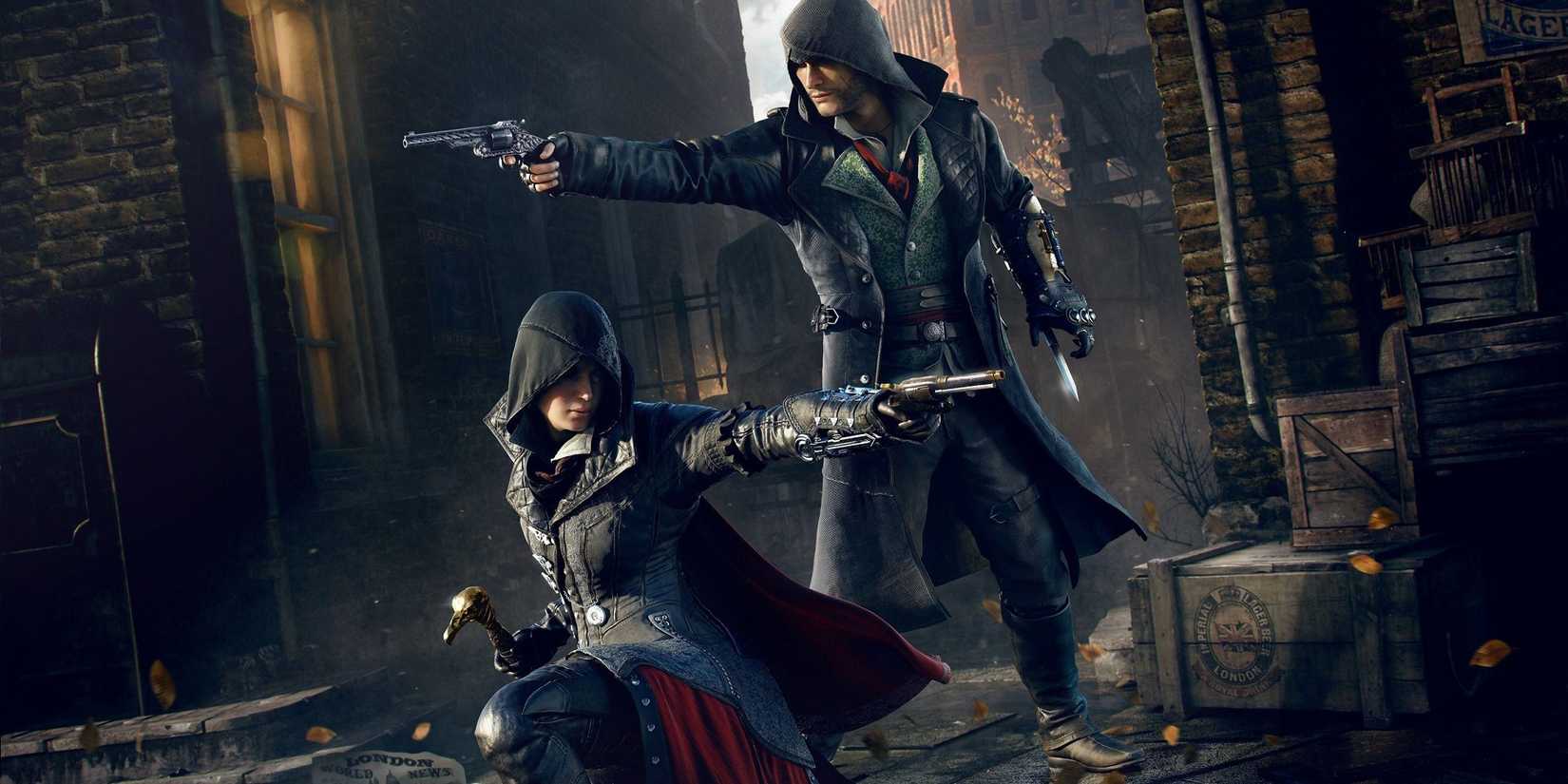
15. Assassin’s Creed Syndicate (2015)
A Missed Opportunity in Victorian London
Released during a transitional period for the Assassin’s Creed franchise, Syndicate aimed to capture the grimy charm of Victorian London with its twin protagonists, Jacob and Evie Frye. However, the game ultimately fell short of expectations due to several key missteps. The combat system, which relied on a chaining attack mechanic reminiscent of the Batman: Arkham series, often felt tedious, with enemies frequently surviving an improbable number of hits. The introduction of dual protagonists, while a novel idea, was hampered by a narrative that veered too far into comedic territory, with the main antagonist, Crawford Starrick, coming across as cartoonishly evil. Furthermore, the modern-day segments were largely forgettable, offering little impact on the overarching narrative and serving only as brief cutscenes. Despite its vibrant setting, Syndicate struggled to establish a compelling gameplay loop and a memorable story, making it a low point in the series.
14. Assassin’s Creed Valhalla (2020)
An Overstuffed Epic Lost in Mythology
Initially promising a deep dive into Viking culture, Assassin’s Creed Valhalla ultimately became an overwhelmingly vast and often unfocused experience. The game’s narrative took a sharp turn into Norse mythology, with protagonist Eivor revealed as a reincarnation of Odin, blurring the lines between historical fiction and fantasy. While the series has always incorporated elements of the Isu and their advanced technology, Valhalla pushed this too far, allowing players to explore realms like Asgard and battle mythological creatures, diluting the grounded historical immersion that many fans cherished. Gameplay-wise, while Valhalla reintroduced social stealth in some urban environments, its stealth mechanics were significantly curtailed. Combat often devolved into repetitive battles against "arrow sponges," and Eivor’s use of a hidden blade, despite not being a formal member of the Hidden Ones, felt narratively incongruous. The sheer scale of the game, coupled with its mythological focus and gameplay shortcomings, left many players feeling overwhelmed rather than engaged.
13. Assassin’s Creed Odyssey (2018)
Abandoning the Creed’s Core Tenets
Following the historical reboot of Origins, Odyssey continued the franchise’s dive into RPG territory, transporting players to the vibrant world of ancient Greece. However, this installment marked a significant departure from the series’ established lore by featuring Kassandra, a Spartan mercenary and a literal demigod, as its protagonist. The game largely abandoned the core tenets of the Assassin-Templar conflict, instead focusing on the Peloponnesian War and its political machinations. While the inclusion of mythological creatures and a more player-driven narrative offered a fresh experience, it felt like a step away from what made Assassin’s Creed unique. The game presented the first wielder of the hidden blade, Darius, but limited player interaction with this pivotal figure, underscoring a feeling that Odyssey prioritized broad RPG appeal over a cohesive narrative tied to the Assassin’s Creed itself.
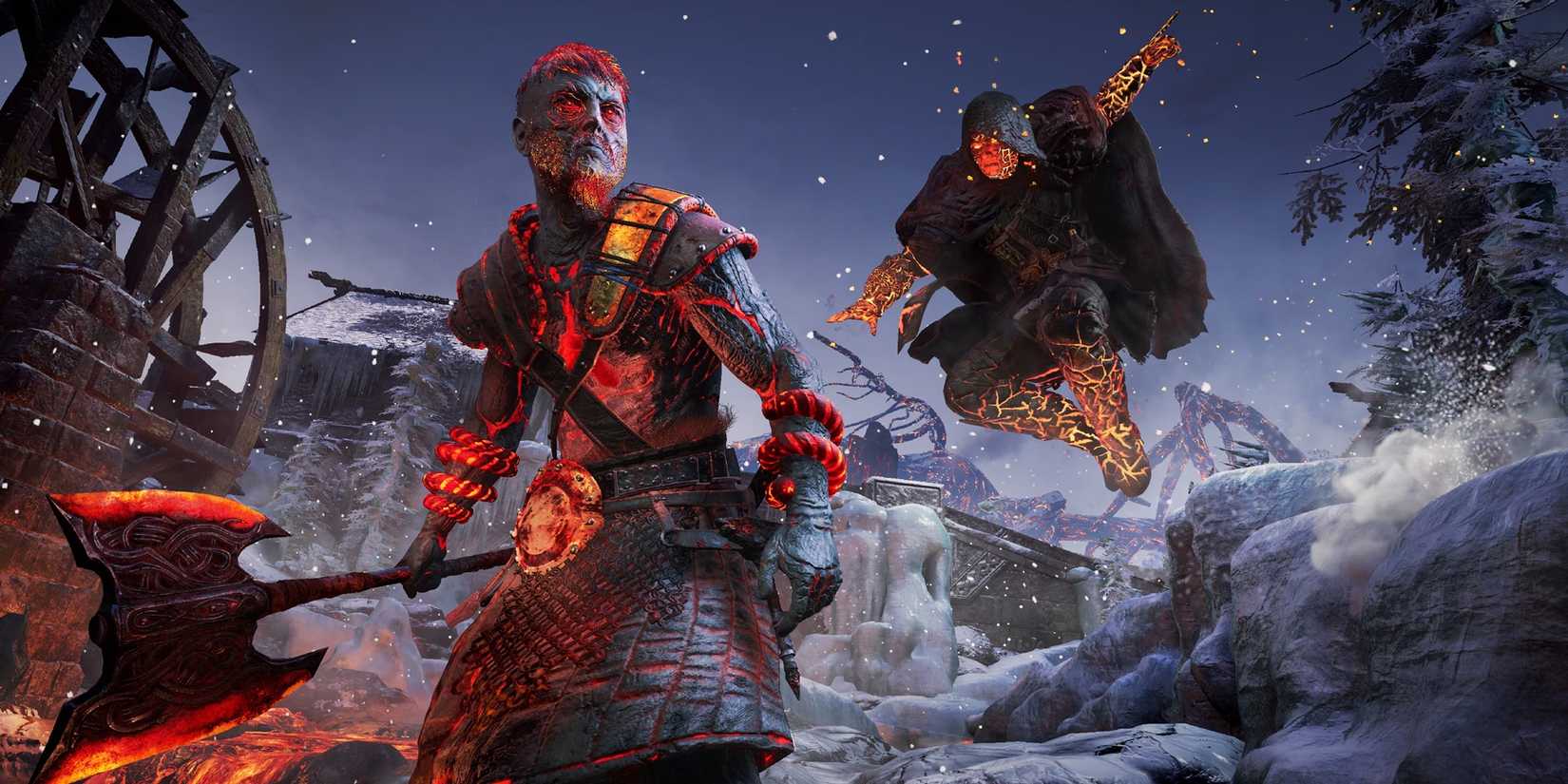
12. Assassin’s Creed: Brotherhood (2010)
A Strong Sequel with a Short Reach
Originally conceived as downloadable content for Assassin’s Creed II, Brotherhood evolved into a full-fledged mainline entry, continuing the saga of Ezio Auditore as an Assassin Mentor in 16th-century Rome. While the game offered a fun and engaging experience, its relatively short length and limited setting prevented it from reaching the heights of its predecessor. The modern-day story, centered around Desmond Miles’ struggle within the Animus, felt somewhat underdeveloped, a consequence of its original DLC status. However, Brotherhood did introduce a groundbreaking innovation: competitive multiplayer. This mode, where players trained as Templars in the Animus to hone their assassination skills, was a unique and highly addictive addition that set the franchise apart. Despite its narrative limitations, Brotherhood remains a solid entry that provided a satisfying, albeit brief, continuation of beloved characters’ journeys.
11. Assassin’s Creed Unity (2014)
The Ambitious but Flawed French Revolution
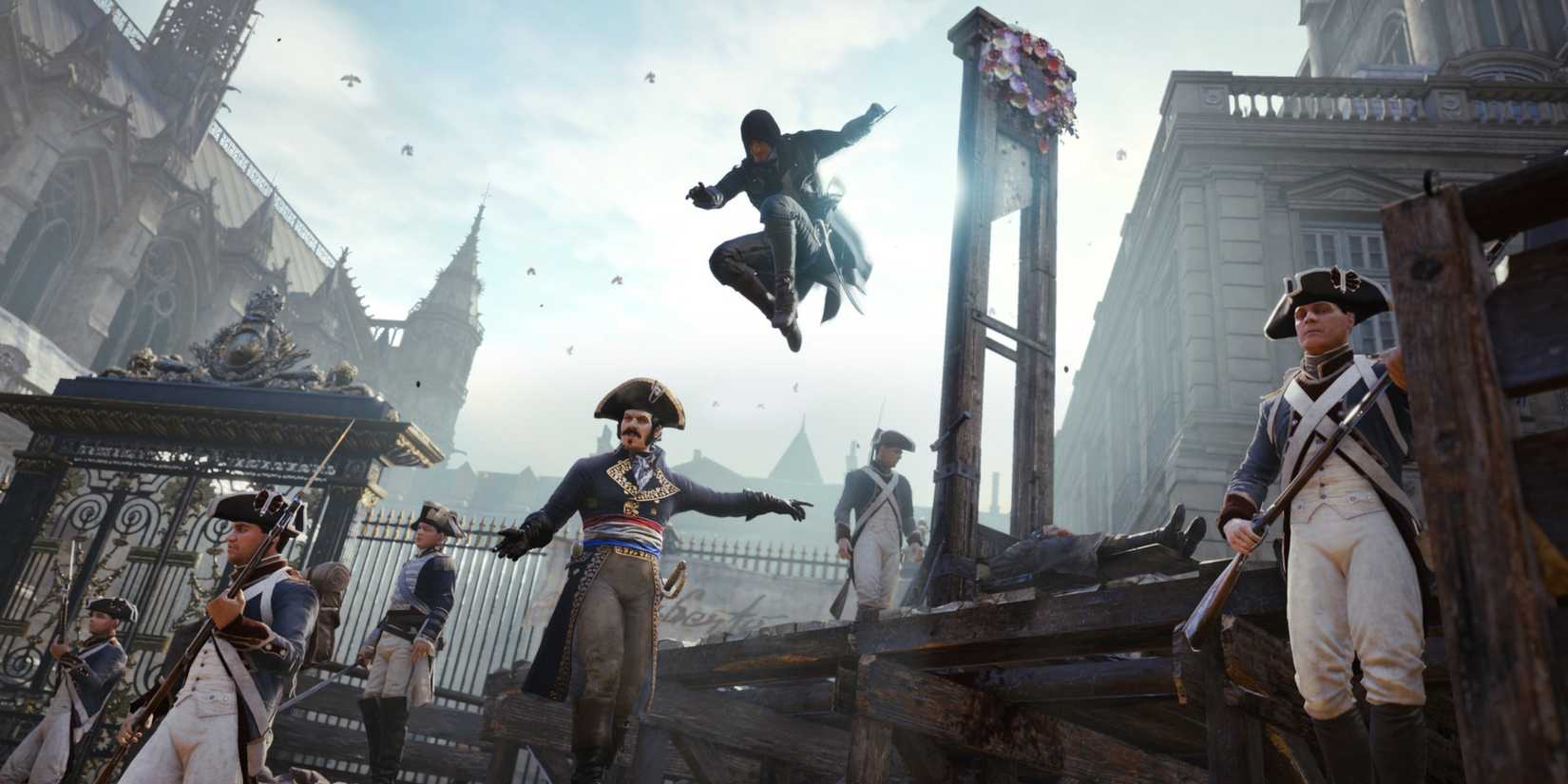
Heralded as the franchise’s first true next-generation title, Assassin’s Creed Unity arrived with immense expectations. Set against the backdrop of the tumultuous French Revolution, the game aimed for unparalleled visual fidelity and a more intricate parkour system. However, a disastrous launch marred by widespread bugs and performance issues overshadowed its potential. The marketing promised a robust PvE multiplayer experience where players could embody unique Assassins alongside protagonist Arno Dorian, but the final product offered a more limited four-player mode with cloned characters. Despite these technical and marketing missteps, Unity delivered a compelling story of forbidden love between Arno and the Templar Elise de la Serre. Its modern-day segments, however, were largely sidelined, with Arno’s brief appearance in World War II doing little to advance the overarching narrative.
The Middle Ranks: Solid Adventures with Enduring Appeal
These games represent the consistent quality and innovation that the Assassin’s Creed franchise is known for. They offer compelling stories, engaging gameplay, and memorable worlds that have left a lasting impression on players.
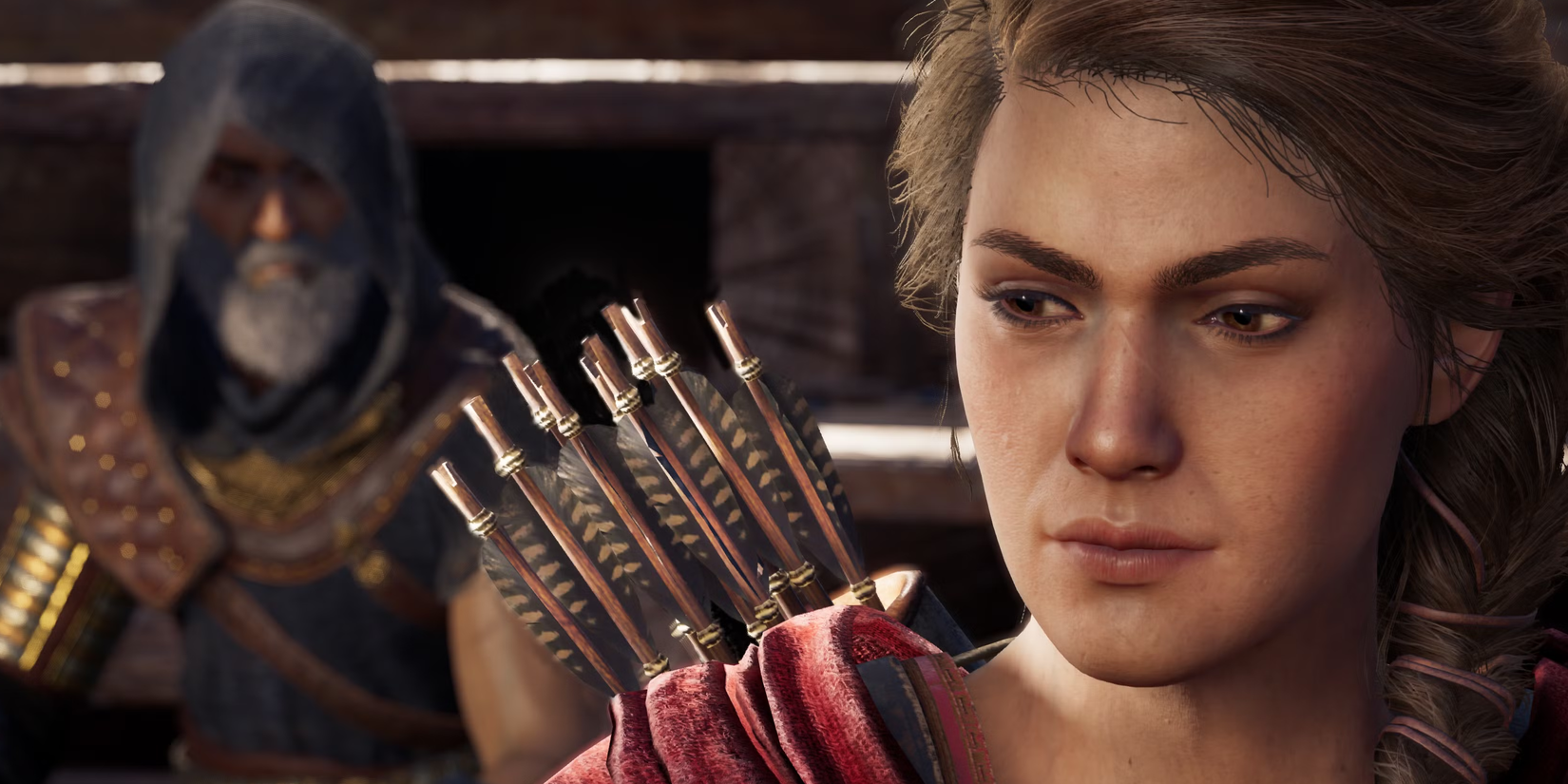
10. Assassin’s Creed Shadows (2024)
Naoe and Yasuke’s Underrated Journey
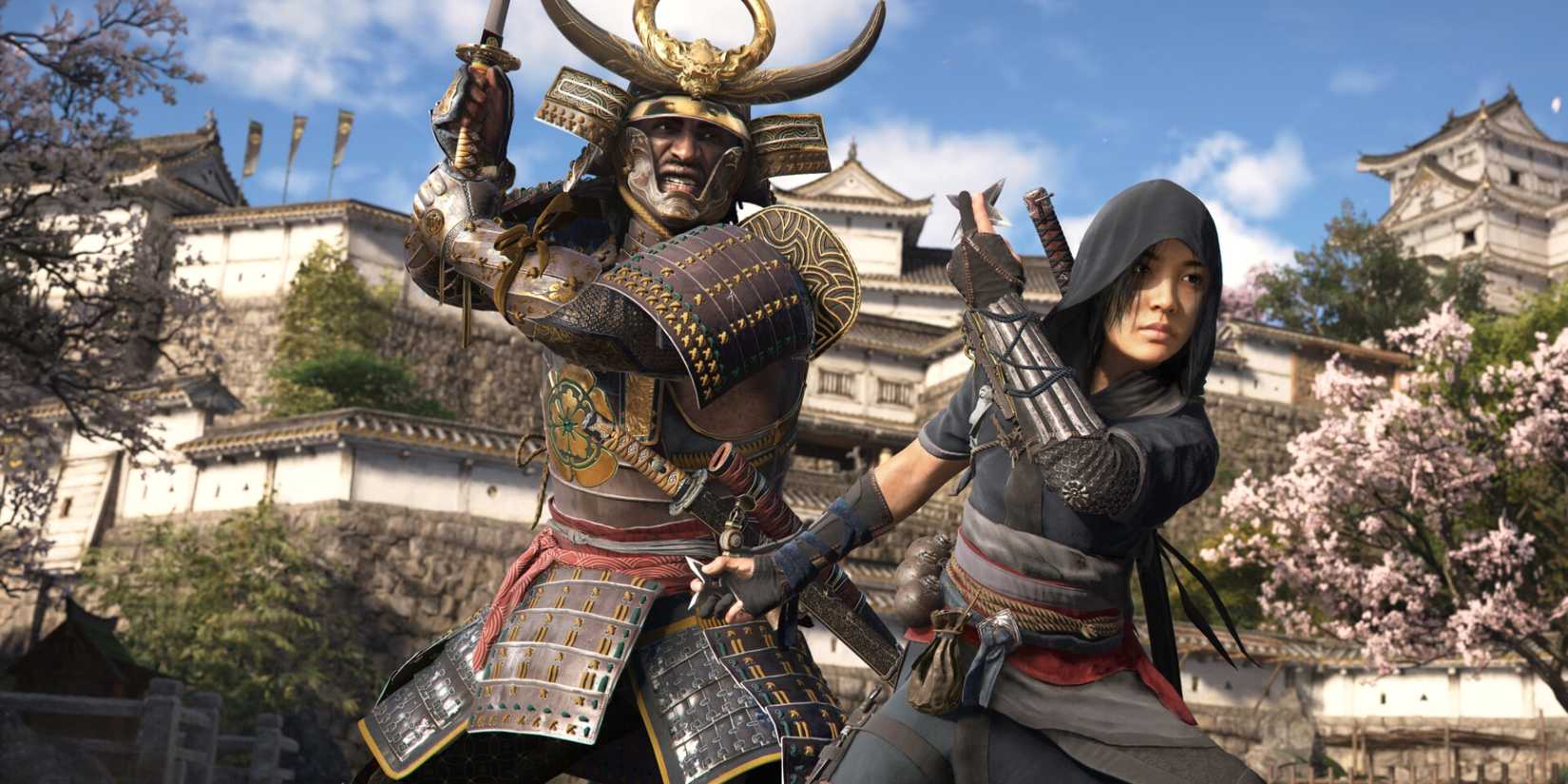
The latest mainline entry, Assassin’s Creed Shadows, marks a significant return to the series’ more grounded roots after the mythological explorations of recent titles. Set in feudal Japan during the Sengoku period, the game introduces dual protagonists: Naoe, a shinobi, and Yasuke, an African samurai. Their intertwined quest to liberate Japan from foreign and internal Templar influence following the death of Oda Nobunaga forms the narrative core. While the game’s storytelling has been criticized for its fragmented delivery through free updates and paid DLC, Shadows excels in its gameplay. Naoe offers a masterclass in stealth and agility, while Yasuke provides a more direct, combat-oriented approach, showcasing the best of both worlds. The game’s commitment to historical detail and its dual protagonist system make it a promising, albeit slightly compromised, addition to the franchise.
9. Assassin’s Creed Mirage (2023)
Basim’s Tragic but Enthralling Origin
Much like Brotherhood before it, Assassin’s Creed Mirage began its life as a smaller project, initially envisioned as DLC for Assassin’s Creed Valhalla. However, it blossomed into one of the most well-received modern AC titles by deliberately scaling back the RPG elements and focusing on the series’ stealth-action origins. Serving as a prequel to Valhalla, Mirage chronicles Basim Ibn Ishaq’s journey from a street thief to a skilled Hidden One in 9th-century Baghdad. The game’s compact size, coupled with its tight gameplay loop and compelling narrative of Basim’s personal struggles and burgeoning skills, offers a refreshing experience. While its DLC expansion, "Valley of Memory," adds further depth, the core game stands as a testament to the enduring appeal of classic Assassin’s Creed design, proving that a focused approach can yield exceptional results.
8. Assassin’s Creed (2007)
Altaïr and Desmond’s Series-Defining Tale
The game that started it all, the original Assassin’s Creed, revolutionized the gaming landscape with its ambitious blend of historical fiction, parkour, and stealth. Players stepped into the shoes of Altaïr Ibn-La’Ahad during the Third Crusade, experiencing his journey of redemption and mastery within the Assassin Brotherhood. The dual narrative structure, interweaving Altaïr’s medieval exploits with Desmond Miles’ modern-day predicament, was groundbreaking. While its combat and side activities may feel dated by today’s standards, the core mechanics of stealth, free-running, and assassination remain incredibly influential. The game’s intriguing narrative, exploring the age-old conflict between Assassins and Templars and the search for Isu artifacts, laid a robust foundation that continues to resonate with players, making it a timeless classic.
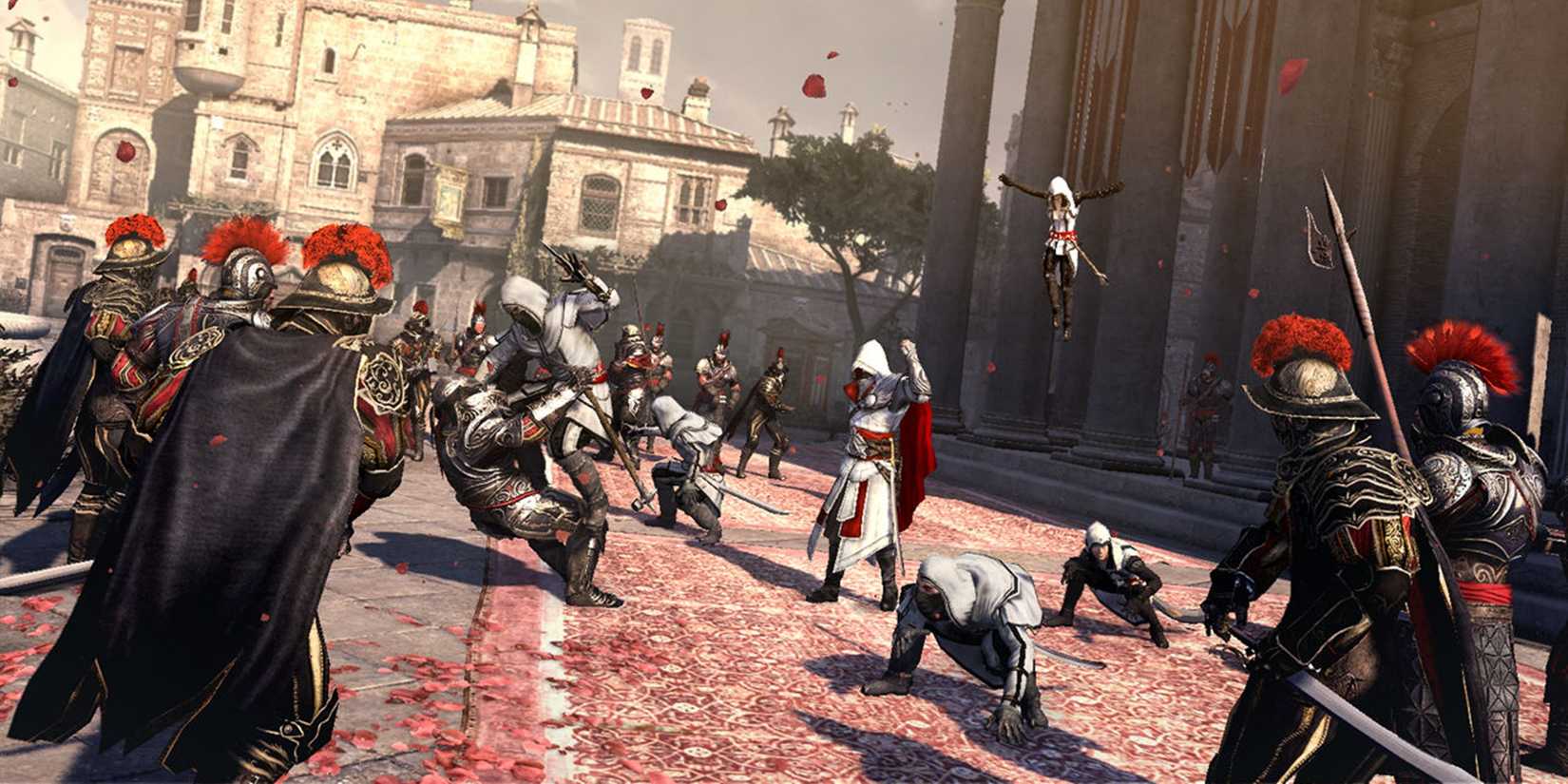
7. Assassin’s Creed Rogue (2014)
The Templar’s Time to Shine
Developed for the previous generation of consoles, Assassin’s Creed Rogue served as a crucial narrative bridge between Black Flag, Assassin’s Creed III, and Unity. The game offers a unique perspective by centering on Shay Cormac, an Irish-American Assassin who becomes disillusioned with the Brotherhood and turns to the Templar Order. Built on the engine and gameplay mechanics of Black Flag, Rogue delivers satisfying naval combat and exploration across the North Atlantic during the French and Indian War. While its story, though fascinating, felt somewhat rushed due to development constraints, it provided a compelling counter-narrative to the traditional Assassin-centric plots. The exploration of Templar motivations and Shay’s complex moral journey make Rogue a standout entry that deserves greater recognition.
6. Assassin’s Creed Revelations (2011)
Altaïr and Ezio’s Perfect Sendoff
Concluding the iconic Ezio Auditore trilogy and providing a definitive end to Altaïr Ibn-La’Ahad’s story, Assassin’s Creed Revelations was a fitting farewell to beloved characters. While the modern-day narrative featuring Desmond Miles took a backseat, focusing on his coma-induced exploration of the Animus, the historical segments were deeply impactful. Players journeyed with an aging Ezio to Constantinople and Masyaf, seeking ancient knowledge, while Altaïr’s later life was depicted as he worked to rebuild the Assassin Brotherhood. The game’s mature storytelling and the emotional weight of these characters’ final chapters are its strongest assets. Although the setting of Constantinople wasn’t as expansive as previous Ezio installments, the poignant conclusion to these intertwined narratives cemented Revelations as a memorable and emotionally resonant chapter in the Assassin’s Creed saga.
The Upper Echelons: Masterpieces of the Series
These games represent the pinnacle of the Assassin’s Creed franchise, delivering exceptional storytelling, innovative gameplay, and immersive worlds that have set benchmarks for the series and the open-world genre as a whole.
5. Assassin’s Creed III (2012)
A Revolution in Gameplay and Narrative
Assassin’s Creed III marked a significant turning point for the franchise, ushering in a new protagonist, Connor Kenway, and a sprawling historical setting during the American Revolution. The game boasted a vastly expanded open world, featuring the untamed wilderness of the frontier alongside bustling colonial cities. Its gameplay saw substantial improvements, including more fluid combat, enhanced free-running mechanics, and the introduction of naval combat, which would later be refined in Black Flag. The narrative explored complex themes of revolution, indigenous rights, and the moral ambiguities of war, offering a mature and thought-provoking storyline. While its pacing and some narrative choices were debated, Assassin’s Creed III‘s ambition, scale, and gameplay innovations cemented its status as a pivotal and highly enjoyable entry in the series.
4. Assassin’s Creed IV: Black Flag (2013)
The Golden Age of Piracy, Reimagined
Assassin’s Creed IV: Black Flag is widely regarded as one of the franchise’s most beloved titles, masterfully blending the core tenets of Assassin’s Creed with the thrilling allure of the Golden Age of Piracy. Players take on the role of Edward Kenway, a pirate captain who stumbles into the Assassin-Templar conflict. The game’s open world, encompassing the Caribbean Sea and its islands, was breathtakingly realized, offering a seamless transition between land-based exploration and exhilarating naval combat. The ship battles were a highlight, providing a sense of freedom and power as players commanded their vessel, the Jackdaw. Edward’s journey from a self-serving pirate to a conflicted individual entangled in the Assassin’s cause was compelling. Black Flag‘s focus on freedom, exploration, and its rich, vibrant setting make it an enduring masterpiece.
3. Assassin’s Creed Origins (2017)
The Dawn of a New Era
Assassin’s Creed Origins represented a bold and necessary reinvention for the franchise, taking the series back to its roots in ancient Egypt and fundamentally overhauling its gameplay mechanics. The game introduced a revamped combat system that embraced RPG elements, with a focus on loot, skill trees, and diverse weapon types. The world of Egypt was brought to life with stunning detail, offering a vast and ancient landscape ripe for exploration. Players stepped into the sandals of Bayek of Siwa, a Medjay seeking justice, whose personal journey of grief and discovery formed the emotional core of the narrative. Origins not only established the RPG direction for subsequent titles but also delivered a deeply engaging story, a rich historical setting, and a satisfying gameplay loop that revitalized the Assassin’s Creed formula.
2. Assassin’s Creed II (2009)
The Renaissance Masterpiece
Assassin’s Creed II is often hailed as the game that perfected the Assassin’s Creed formula and introduced one of gaming’s most iconic protagonists, Ezio Auditore da Firenze. Set in Renaissance Italy, the game expanded upon the foundations laid by its predecessor with a more intricate narrative, a larger and more vibrant world, and significantly improved gameplay. Ezio’s journey from a vengeful nobleman to a master assassin was a captivating saga of love, loss, and redemption. The game introduced a wealth of new mechanics, including dual hidden blades, a money-making system, and a more engaging mission structure. The vibrant cities of Florence, Venice, and Rome were meticulously recreated, offering endless opportunities for exploration and assassination. Assassin’s Creed II remains a benchmark for storytelling, character development, and open-world design in the series.
1. Assassin’s Creed IV: Black Flag (2013)
The Pinnacle of Freedom and Adventure
While Assassin’s Creed II is a foundational masterpiece, Assassin’s Creed IV: Black Flag stands out as the ultimate realization of the franchise’s potential for player freedom and epic adventure. The game’s masterful integration of naval exploration and combat with the traditional Assassin’s Creed formula created an unparalleled sense of immersion and agency. Edward Kenway’s journey, though initially driven by personal gain, evolves into a complex exploration of the Assassin and Templar philosophies, offering a nuanced perspective on the eternal conflict. The Caribbean setting is brought to life with stunning detail, from bustling ports to treacherous waters, and the sheer breadth of activities available—from ship battles and treasure hunting to diving for sunken riches—ensures that no two playthroughs are exactly alike. Black Flag‘s emphasis on player choice, its engaging narrative, and its unforgettable pirate fantasy solidify its position as the undisputed king of the Assassin’s Creed franchise. Its legacy continues to inspire, proving that true freedom lies in the choices the player makes, both on land and at sea.