Asep Darmawan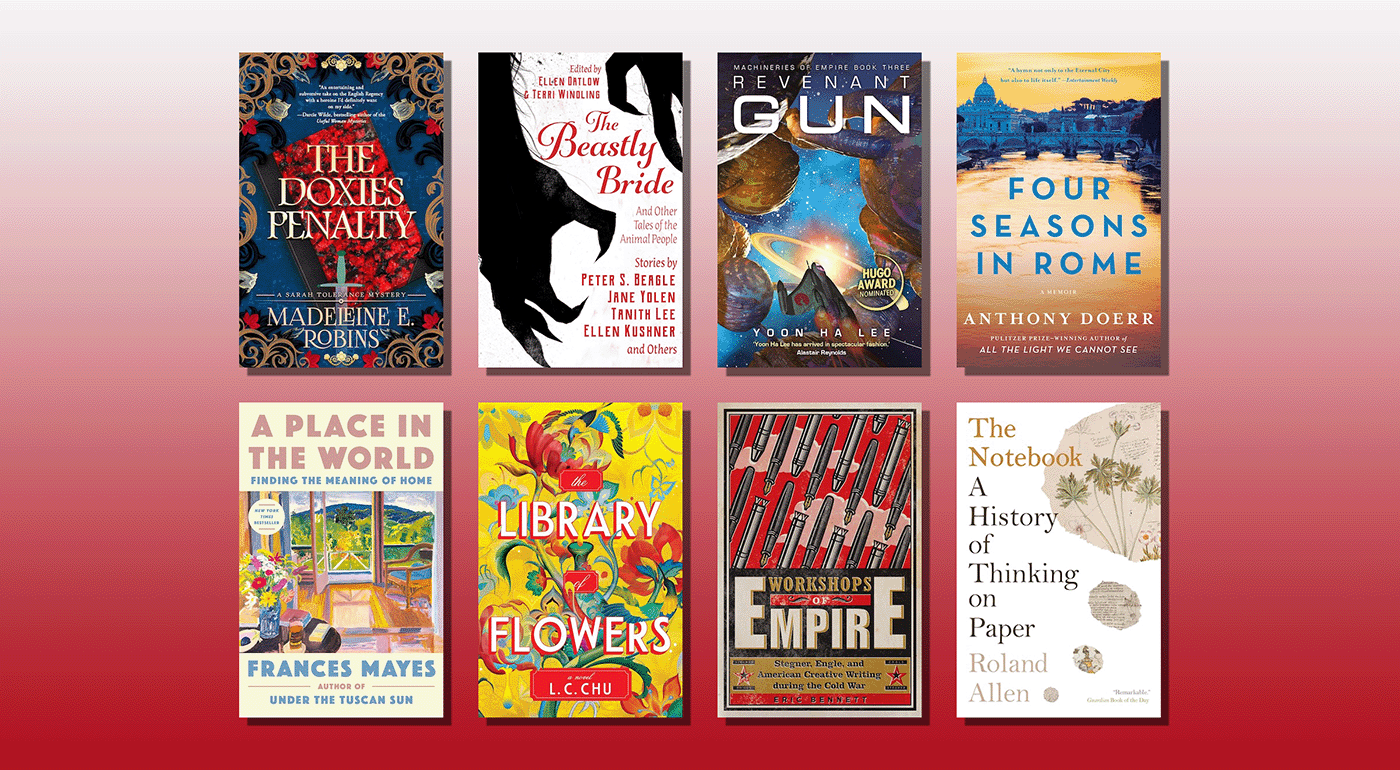
The transition from late summer into early autumn often serves as a period of introspection for bibliophiles, a time when the rhythm of travel and the stillness of seasonal change converge to create the perfect environment for deep reading. For one avid observer, this past August was defined by a cross-continental trajectory—a journey beginning in the historic streets of Florence, extending through a rail-bound excursion to Britain, and concluding back in the heart of Tuscany.
Amidst this mobility, the act of reading served as a constant. Having completed fourteen books in a single month, the reader found an unintentional but cohesive theme threading through their selections: the nuanced, often melancholic, and deeply stratified world of nineteenth-century England. This literary survey, shared with a global audience of readers, offers a unique window into the intersection of personal travel and intellectual exploration.
Chronology of a Reading Odyssey
The reader’s August was marked by an eclectic mix of contemporary memoir, historical analysis, and speculative fiction, all while engaging with the rigors of academia and the joys of Italian culture.
The Fiction of Manners and Magic
The month began with a focus on D.E. Stevenson’s 1966 novel, The House on the Cliff. Despite the predictability of its plot—a young woman inherits an ancestral home in Devon without the funds to maintain it—the reader noted the work’s "graceful and charming" execution. The central takeaway was an analysis of "cozy" literature: the plausibility of such narratives often rests not on the logic of the plot, but on the meticulous construction of character and setting.
In contrast, the reader delved into the speculative realm with The Library of Flowers (2026) by L.C. Chu. The novel, which explores the complexities of family legacy and the weight of magical inheritance within a Chinese-Canadian family, was lauded for its emotional resonance. The reader identified it as a significant piece of "women’s fiction," noting that while a love interest exists, the primary narrative arc is a profound examination of the relationship between a daughter and her mother.
Additional fiction included the latest Sarah Tolerance mystery, The Doxies Penalty by Madeleine E. Robins (2025), which offers an alternate-history take on Regency London. The reader appreciated the series’ expansion of the social strata of "Fallen Women," arguing that even in an alternate-world setting, the strength of the characterization supersedes the mechanics of the mystery itself.
Non-Fiction and Cultural Commentary
The reading list was bolstered by several rigorous non-fiction works that provided a broader intellectual context for the month’s travel. Roland Allen’s The Notebook: A History of Thinking on Paper (2023) emerged as a standout, particularly for its historical grounding regarding the advent of cheap paper and its impact on artistic evolution—specifically the generation of artists that included Giotto.
A more controversial entry was Legends of Florence (1895) by Charles Godfrey Leland. Described as "bizarre," the book claims to be a collection of local folklore told to the author by a witch. The reader expressed skepticism, suggesting that Leland may have fabricated much of the material, yet acknowledged that the prose held a certain idiosyncratic charm that resulted in the creation of original poetry by the reader.
Perhaps the most intellectually demanding title was Eric Bennett’s Workshops of Empire (2015). The book posits a provocative thesis: that during the Cold War, organizations such as the Rockefeller Foundation and the CIA subsidized American creative writing programs to cultivate a specific, apolitical style of fiction. The reader praised the work as "well-written, scholarly, and interesting," highlighting its role in explaining why contemporary literary fiction often adheres to rigid, unexamined standards of "sensory description" and "lack of politics."
Supporting Data: The 14-Book Log
The following titles comprised the core of the August reading marathon:
- The House on the Cliff – D.E. Stevenson (1966)
- The Beastly Bride and Other Tales of the Animal People – Ellen Datlow and Terri Windling (2010)
- The Notebook: A History of Thinking on Paper – Roland Allen (2023)
- A Place in the World – Frances Mayes (2022)
- The Doxies Penalty – Madeleine E. Robins (2025)
- The Library of Flowers – L.C. Chu (2026)
- Spring, Summer, Asteroid, Bird – Henry Lien (2025)
- Legends of Florence – Charles Godfrey Leland (1895)
- Revenant Gun – Yoon Ha Lee (2018)
- April Twilights and Other Poems – Willa Cather (1903)
- Workshops of Empire – Eric Bennett (2015)
- The Letters of Elizabeth Barrett Browning (Vol 1) – Elizabeth Barrett Browning (2011)
- Four Seasons in Rome – Anthony Doerr (2007)
- Miss Marjoribanks – Mrs. Oliphant (1865)
Official Perspectives on the "Florence Abroad" Initiative
The reader’s current location—Florence, Italy—is not merely a vacation destination but a site of professional engagement. They are currently assisting with Ada Palmer’s "Florence Abroad" intensive course, an academic program hosted by the University of Chicago.
The course, which explores the "Living History" of Florence, requires participants to engage deeply with the city’s complex past. For the reader, this professional immersion provides a striking parallel to their reading habits. Engaging with the primary source materials—such as the letters of Elizabeth Barrett Browning, who famously resided in Florence—allows the reader to bridge the gap between historical literature and the lived environment of the city.
Implications for Future Literacy
The diversity of this reading list reveals an important trend in contemporary literary consumption: the breakdown of barriers between "high" and "low" culture. The reader successfully navigated Victorian novels, academic histories of the CIA, and contemporary speculative fiction with equal rigor.
The "Victorian" Revival
The unexpected highlight of the month was Mrs. Oliphant’s 1865 novel, Miss Marjoribanks. The reader’s discovery of the book via social media, followed by their subsequent consumption of it on Project Gutenberg, serves as a testament to the enduring accessibility of 19th-century literature in the digital age. The novel’s "slyly funny" and "clever" nature reinforces the idea that the Victorian period remains a fertile ground for modern readers seeking social insight.
The Impact of Travel on Intellectual Focus
The reader noted that the long rail journeys through France and Britain provided the necessary solitude for sustained focus. In a modern era characterized by the fragmentation of attention, the act of reading fourteen books in a month while navigating international transit is a significant, albeit private, intellectual achievement. It suggests that despite the ubiquity of digital distractions, there remains a dedicated space for deep, immersive reading, provided one has the discipline to carve out the time.
Conclusion
As August gives way to the autumn, the reader continues to balance the demands of academic instruction with the pursuit of literary discovery. Their journey serves as a reminder that the best reading lists are not curated in a vacuum, but are instead informed by the places we visit, the people we meet, and the questions we ask about our own history. Whether through the lens of a Victorian social comedy or an analysis of Cold War literary policy, the books we choose to read provide the map for our own personal development. As the reader turns to the second volume of Elizabeth Barrett Browning’s letters, one is reminded that the journey of a book—like the journey of a traveler—is never truly finished.


 Rifan Muazin
 Asro
Asro