


By Steve Hannley
Published May 8, 2026
Having spent over two decades navigating the labyrinthine halls of international gaming conventions, I have become well-acquainted with the standard "booth tour." Typically, these excursions involve a curated walk-through with a PR representative, a series of polished demos, and brief introductions to developers. It is a formulaic dance, one I have performed countless times at events from E3 to Tokyo Game Show. However, my experience at the Abragames booth during gamescom latam 2026 shattered every expectation I held.
What I encountered was not merely a display of software, but a seismic shift in the global gaming landscape. The energy surrounding the Brazilian contingent was palpable, a testament to a burgeoning industry that is no longer content with being a spectator in the global market.

The Epicenter: An Overwhelming Display of Talent
Arriving at the Abragames booth, I found myself physically struggling to navigate the space. It was not a matter of poor design; rather, the booth was a victim of its own success. From the moment the doors opened to the public, the space was swamped—a dense, shifting crowd of industry professionals, international press, and eager gamers all vying for a turn at one of the 36 available demo stations.
This collective effort, organized by Abragames in collaboration with Brazil Games and The Brazilian Trade and Investment Promotion Agency (ApexBrasil), showcased a level of cohesion that is rare in the indie space. The curation was masterful, featuring a mix of highly polished titles nearing gold master status and ambitious, early-stage projects born from the industry’s Accelerator programs.
A Chronology of Discovery: Navigating the 36
The sheer volume of titles—36 in total—made it impossible to play every demo. Yet, the quality on display ensured that every interaction felt meaningful. The following highlights represent only a fraction of the innovation happening within the Brazilian development scene.

Talaka: The Artistic Triumph
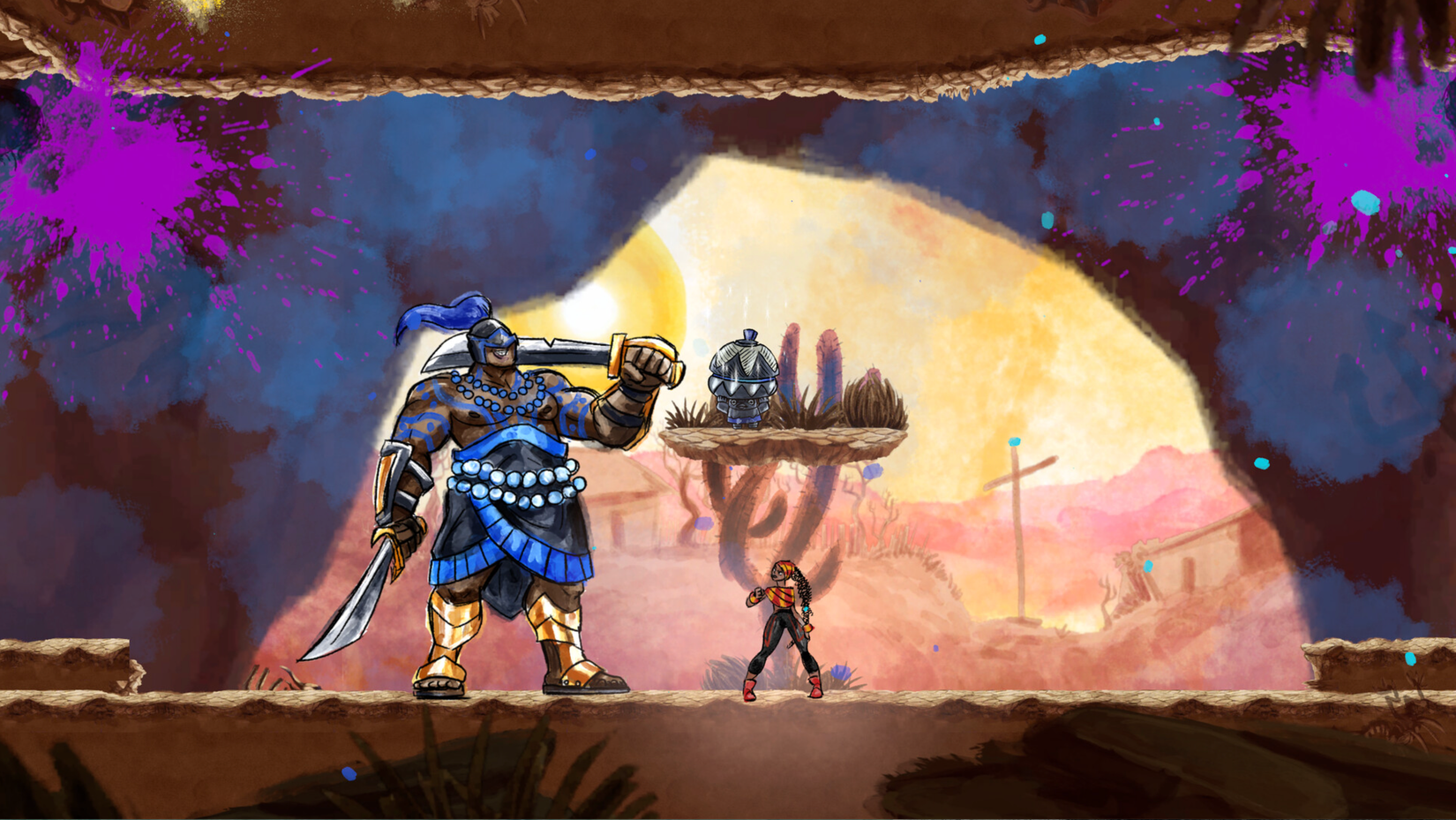
My first stop was Talaka, developed by the three-person team at Potato Kid. Founded by Paulo Santos, Julia Marques, and Stiven Valeiro, the studio is a classic example of creative rebirth. After years of grinding in the AAA industry, the trio sought to escape the cycle of burnout by returning to their roots. The result is a 2D roguelite that feels like a living watercolor painting.
The game’s aesthetic, which draws heavily from Afro-Brazilian mythology, is breathtaking. Every frame is saturated with hand-drawn detail, providing a visual depth that most indie titles fail to achieve. Mechanically, the game is equally sharp, tasking players with discovering why the myths of their world have turned hostile. For fans of strategic, high-stakes gameplay like Slay the Spire, Talaka is an essential title to track.
Ghostless: The Sci-Fi Survivalist
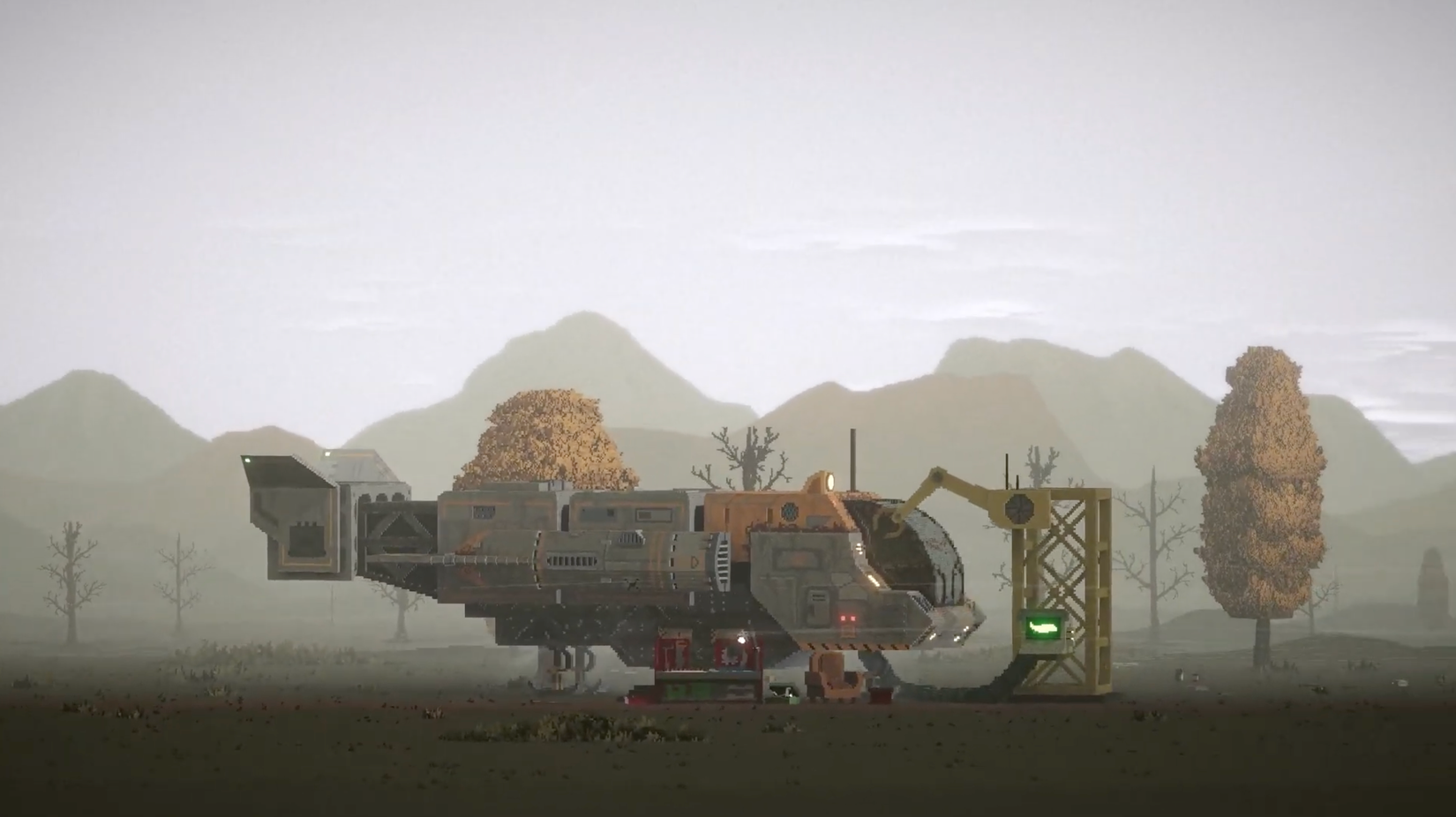
The aesthetic diversity of the Brazilian booth was further emphasized by Ghostless, developed by Coffeenauts. This survival-action colony sim immediately grabbed my attention with its distinct pixel art, which pays homage to 1980s sci-fi classics like Alien and Blade Runner.
The gameplay loop is deceptively complex: you recruit companions in a harsh environment, but the core tension arises from constant suspicion. Using a sophisticated dialogue tree and behavior analysis system, players must determine who among their crew is human and who is a covert android. It is a dark, atmospheric, and intellectually stimulating project that, despite a current lack of digital footprint, is poised to make a massive splash upon release.
A Cat in the Cangaço: The Cultural Roguelike
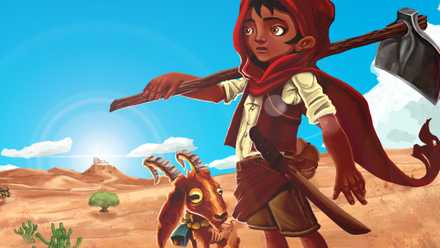
Perhaps the most intriguing concept was A Cat in the Cangaço. Self-described as a "Brazilian roguelike," the title utilizes a dual-nature mechanic where the protagonist is a cat by day and a man by night. Navigating the vibrant, dangerous landscape of the sertão, the player engages in a hybrid of auto-shooting and deck-building mechanics. It is an eclectic mix of genres, but in practice, it feels cohesive, unique, and deeply rooted in its regional identity.
Supporting Data: The Rise of an Ecosystem
The success at gamescom latam is not an accident; it is the result of years of institutional investment. The Abragames initiative has effectively bridged the gap between raw, localized talent and the global publishing market.
According to data presented by industry analysts at the show, the Brazilian game development sector has seen a 30% year-over-year increase in international partnerships. This growth is largely fueled by the Accelerator programs mentioned earlier, which provide developers with the business acumen required to translate local cultural concepts into global commercial products.
Furthermore, the booth hosted an array of other noteworthy titles that warrant immediate attention:
- Tiny Little Bastard: A masterclass in metroidvania design.
- Sunny Trails: A refreshing, cozy turn-based RPG that serves as a perfect antidote to the high-stress nature of most modern gaming.
- Sigils of Nightfall: A gothic-inspired roguelike deckbuilder with a hauntingly beautiful art style.
Official Perspectives: The Vision for 2026 and Beyond
During the event, I had the opportunity to speak briefly with representatives from the various studios. The common thread among them was a profound sense of pride. There is a palpable shift in the narrative within the country; where once Brazilian developers felt they had to look abroad to find success, they are now building an ecosystem where they can thrive at home while exporting their culture to the world.
The presence of ApexBrasil, in particular, signals that the Brazilian government recognizes the economic potential of the digital creative arts. By treating game development as a key export sector, they are ensuring that studios like Potato Kid and Coffeenauts have the resources to scale their operations without compromising their creative integrity.
Implications: A Global Shift
What does this mean for the average gamer in North America, Europe, or Asia? It means the monopoly on "innovative indie content" is rapidly dissolving. The Brazilian scene is proving that cultural specificity—the use of local folklore, historical settings like the sertão, and distinct visual traditions—is not a barrier to entry, but a competitive advantage.
The enthusiasm of the younger attendees at the booth, many of whom were seeing their own heritage represented in a high-quality interactive medium for the first time, was the most telling indicator of the future. When a new generation sees their compatriots succeeding on an international stage, it creates a virtuous cycle of inspiration and ambition.
As I left the booth, navigating back through the crowded aisles of gamescom latam, I couldn’t help but feel that we have reached a turning point. The industry is expanding, not just in terms of technology, but in terms of geography and voice. Brazil is no longer just a market to be sold to; it is a creative powerhouse that is actively shaping the next decade of gaming.
Keep a close eye on these studios. The titles I experienced in São Paulo are only the vanguard of what is clearly a massive wave of innovation. If the quality of Talaka, Ghostless, and A Cat in the Cangaço is any indication, the future of gaming is looking decidedly more diverse, more vibrant, and undeniably more Brazilian.











No comments yet. Be the first to join the conversation!