

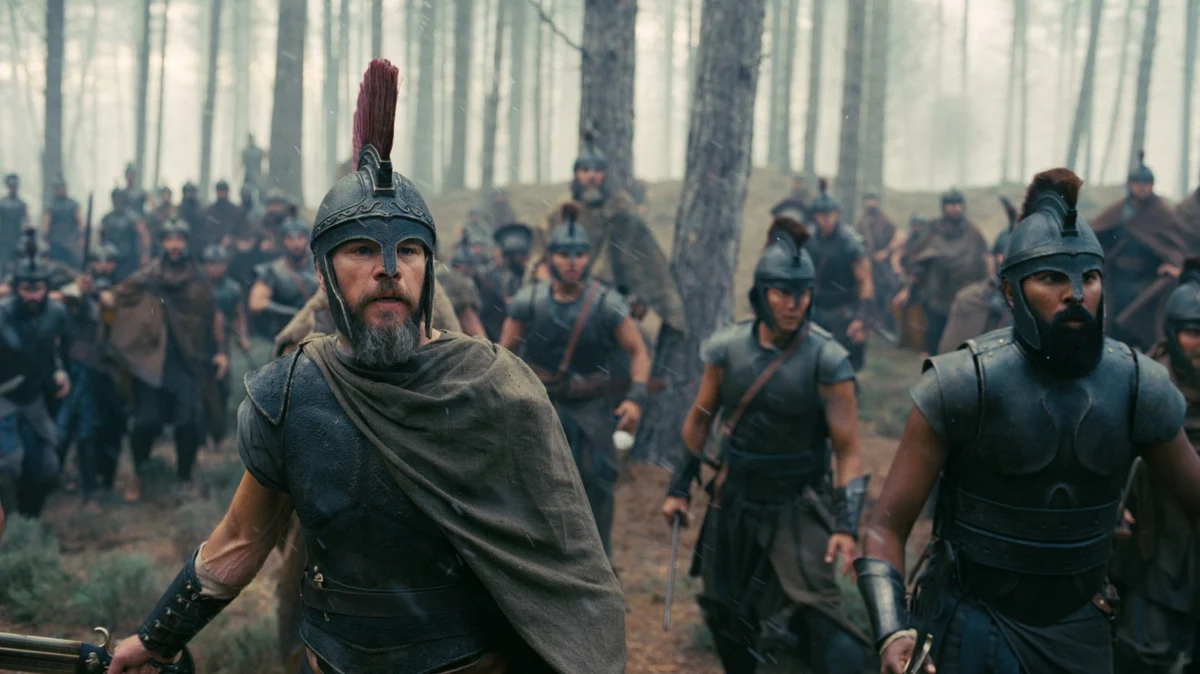
In the hyper-accelerated landscape of modern Hollywood, few filmmakers possess the ability to command the cultural conversation quite like Christopher Nolan. Following the monumental success of his historical epic Oppenheimer—which swept the Academy Awards and dominated the global box office—the industry has been watching with bated breath to see if the director could sustain such an improbable momentum. With the impending release of his latest magnum opus, an ambitious, large-scale retelling of Homer’s The Odyssey, the answer has arrived in the form of an unprecedented critical consensus.
As the embargoes on press screenings have lifted, the data is unequivocal: The Odyssey is not merely another entry in Nolan’s celebrated filmography; it is his most critically acclaimed work to date. With a staggering 98% approval rating on Rotten Tomatoes based on over 100 reviews, the film has officially surpassed the records held by his most iconic projects, signaling a new peak in a career already defined by consistent excellence.
The Metrics of Success: A New High-Water Mark
The significance of this score cannot be overstated. Christopher Nolan has long occupied a unique space in the cinematic pantheon, balancing intellectual rigor with the scale of a summer blockbuster. Historically, his filmography has consistently hovered in the upper echelons of critical favor. Before The Odyssey, the director’s highest-rated films were his seminal noir-thriller Memento and the cultural phenomenon The Dark Knight, both of which maintained a 94% Tomatometer score.
To climb to 98% is a feat of rare air in modern criticism. By outpacing Oppenheimer (93%), Dunkirk (92%), and Inception (87%), The Odyssey has effectively rewritten the internal hierarchy of Nolan’s portfolio. The film is currently enjoying near-universal praise for its visual ambition, Matt Damon’s transformative performance as the titular Greek king, and the director’s ability to ground ancient myth in visceral, human stakes.
Chronology: From Speculation to Critical Triumph
The path to this record-breaking achievement was paved with the typical volatility that accompanies a Nolan production.
- The Announcement: When news first broke that Nolan would be tackling the Homeric epic, the reaction was a mixture of intense anticipation and skepticism. Critics questioned whether the source material could be adapted without losing the narrative density that defines the medium of film.
- The Ticket Stunt: As production moved into high gear, Nolan’s marketing strategy—notably, his unconventional approach to advanced ticket sales—drew significant media attention. The buzz generated by these "ridiculous" sales figures served as an early indicator that the public appetite was far outpacing industry projections.
- The Early Junkets: Following initial press junket screenings, the "word-of-mouth" began to shift from curiosity to awe. Early attendees cited a shift in Nolan’s directorial style, noting a newfound emotional vulnerability paired with the technical precision his fans have come to expect.
- The Full Review Cycle: As the review embargo lifted, the influx of critical responses solidified the 98% score. Leading publications and niche outlets alike praised the film’s pacing, Hans Zimmer’s evocative score (if applicable), and the seamless integration of practical effects, ultimately culminating in the record-breaking certification.
Supporting Data: The Anatomy of an Epic
When analyzing why The Odyssey has resonated so deeply with critics, several recurring themes emerge across reviews. First is the "Damon Effect." Critics have pointed to Matt Damon’s performance as the anchor of the film. By humanizing a character who is often treated as a stoic archetype, Damon has provided a gateway for audiences to engage with the narrative’s more complex philosophical questions.
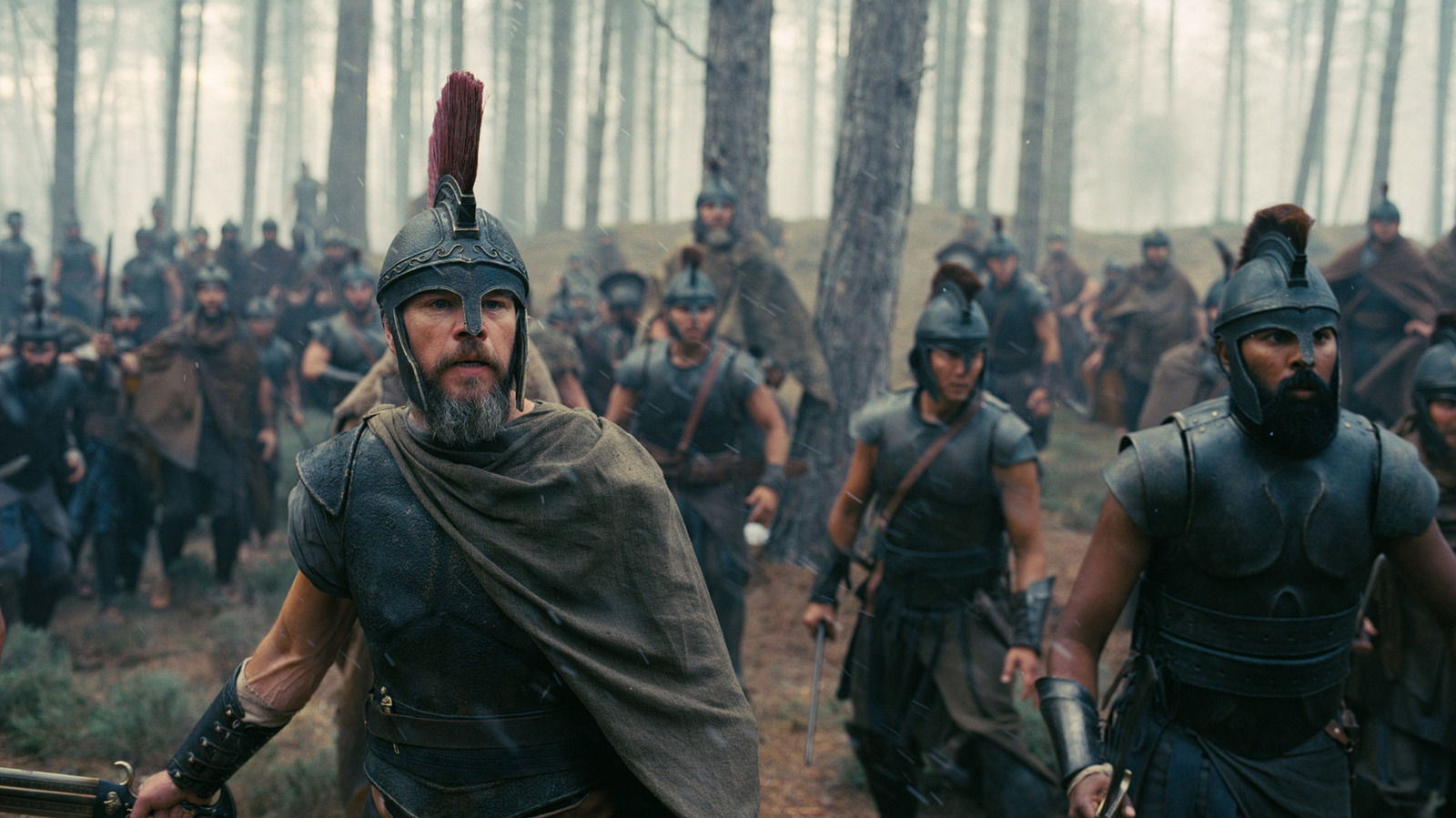
Second, the technical prowess on display serves as a masterclass in modern filmmaking. While many contemporary blockbusters rely heavily on post-production digital augmentation, reports from the set indicate that Nolan’s commitment to in-camera practical effects remains the bedrock of his production philosophy. This "tactile" quality is frequently cited in reviews as a primary reason for the film’s critical success—audiences and critics alike are feeling the weight of the production’s ambition.
Furthermore, early box office tracking suggests that the critical acclaim is directly influencing commercial projections. With the film projected to have a larger opening weekend than Oppenheimer, it serves as a massive rebuke to the "Go woke, go broke" sentiment that has frequently been lobbed at high-profile, non-franchise films in recent years. The market, it seems, is proving that a sophisticated, well-executed epic is exactly what audiences are craving.
Official Responses and the Industry Pulse
While Christopher Nolan is famously understated regarding his own accomplishments, the response from his collaborators and industry peers has been one of validation. The cast, led by Damon and Himesh Patel, has spoken at length about the grueling, immersive nature of the production, describing a set where the director’s singular vision fostered an environment of high-stakes experimentation.
Industry analysts are also weighing in on the implications of this record. For years, the narrative surrounding the theatrical experience has been one of decline. The success of The Odyssey—a three-hour, non-franchise epic—is being hailed by theater owners as a vital win for the industry. By consistently drawing audiences to the largest possible screens (IMAX, 70mm), Nolan is effectively holding the line for the "event cinema" model.
The Implications: What This Means for the Future
The implications of The Odyssey achieving a 98% score extend far beyond the numbers on a website.
1. The Death of the "Nolan Formula" Critique
Critics who once argued that Nolan was becoming too reliant on cold, mechanical structures for his scripts are having to re-evaluate their positions. The emotional resonance found in The Odyssey suggests a director who is maturing, moving away from puzzles and toward deep character studies.
2. A Mandate for Originality
In an era dominated by cinematic universes and reboots, The Odyssey stands as a testament to the power of original (or adapted) standalone storytelling. Studios are likely to look at the financial and critical success of this project as a mandate to greenlight more high-budget, director-driven visions that do not rely on pre-existing franchise IP.
3. Setting the Bar for Awards Season
While it is premature to discuss the Academy Awards for a film yet to be released, the current critical consensus has already placed The Odyssey at the front of the pack. If the film maintains this momentum, it is almost certain to be a major player in technical and acting categories come the following spring.
Final Verdict: The Road Ahead
As the release date of July 17, 2026, approaches, the noise from internet detractors has largely been drowned out by the sheer force of the film’s quality. The "Odyssey" is, by every metric, a triumph of the modern age. It is a rare instance where the hype, the expectations, and the final product have aligned to create something truly historic.
For the movie-going public, the advice remains clear: set aside the online discourse and prepare for a cinematic experience that demands to be seen on the largest possible canvas. Christopher Nolan has not only outdone his own record; he has reminded the world that when visionary filmmaking meets uncompromising execution, the result is nothing short of legendary.
As we look toward the premiere, one thing is certain: the journey of The Odyssey has only just begun, and it promises to be the defining cinematic event of the decade.










