Azzam Bilal Chamdy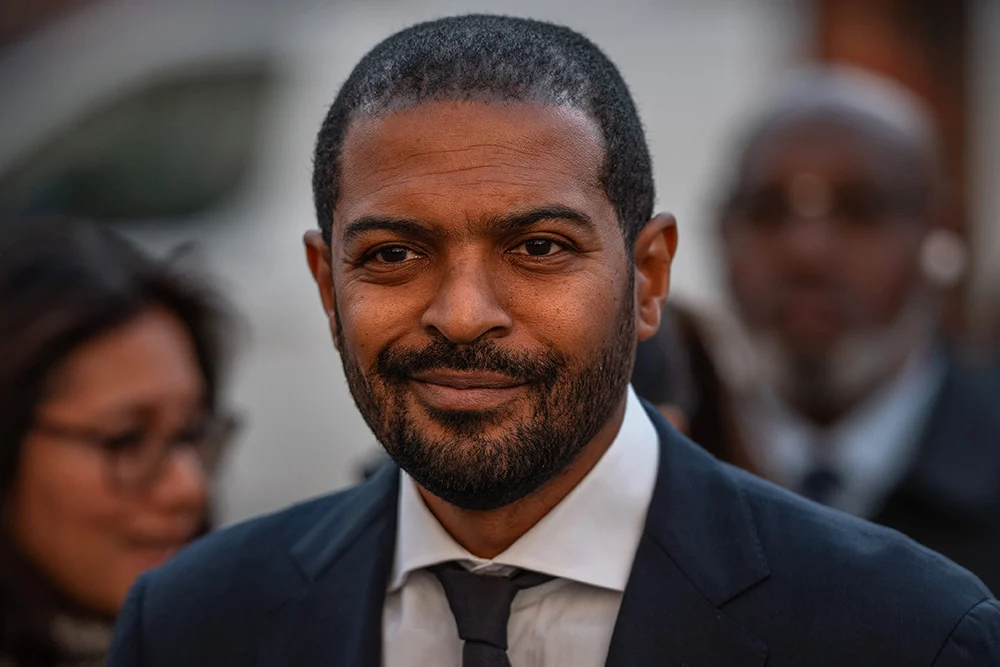
By Variety Staff
Updated: September 9, 2026, 5:48 a.m. PT
Noel Clarke, the prominent British actor, director, and producer—widely recognized for his roles in Doctor Who and his influential Hood film trilogy—has been formally charged with multiple sexual offenses. The charges, which follow a lengthy investigation by the Metropolitan Police, include counts of sexual assault, voyeurism, and exposure.
The development marks a significant turning point in a case that has sent shockwaves through the British film and television industry, prompting a national conversation regarding professional standards, safeguarding, and accountability within the entertainment sector.
The Core Developments: A Legal Watershed
On Wednesday, the Crown Prosecution Service (CPS) confirmed that it had authorized the Metropolitan Police to charge Noel Clarke following the submission of an extensive file of evidence. The decision to proceed with formal charges comes after a protracted period of scrutiny that began in the spring of 2021.

The specific nature of the charges—spanning allegations of sexual assault, voyeurism, and exposure—reflects the gravity of the accusations brought forward by multiple complainants. Legal experts note that the authorization of these charges indicates that prosecutors believe there is a "realistic prospect of conviction" based on the evidence gathered by investigators over the past several years.
A Chronology of the Allegations
The path to these criminal charges has been complex, defined by high-profile reporting, professional fallout, and a rigorous legal process.
The Initial Allegations (2021)
In April 2021, The Guardian published a landmark investigative report detailing allegations from 20 women who had worked with Clarke in a professional capacity. The women alleged a pattern of sexual harassment, bullying, unwanted touching, and professional intimidation spanning nearly two decades. The report cast a shadow over Clarke’s career, which had previously been celebrated as a cornerstone of Black British cinema and television.
Immediate Professional Consequences
Within days of the publication, the industry moved swiftly to distance itself from the filmmaker. BAFTA, which had recently awarded Clarke with an Outstanding British Contribution to Cinema award, suspended his membership and revoked the honor. Sky, which produced and aired his series Bulletproof, halted all future projects involving the actor, and ITV withdrew programs featuring him from its streaming services.

The Police Investigation
Following the public outcry and the subsequent formal complaints, the Metropolitan Police launched a criminal investigation. For several years, the case remained in a state of investigative limbo as detectives sifted through testimonies, digital records, and professional documentation. During this time, Clarke consistently denied any criminal wrongdoing, maintaining that the accusations were without merit.
The Libel Claim (2025)
Earlier in 2025, the case returned to the public eye when Clarke initiated a libel claim against Guardian News and Media. The high-stakes legal battle was seen by many as a tactical maneuver to clear his name. However, the continuation of the police investigation—which culminated in this week’s charges—has now shifted the focus from civil litigation to the criminal justice system.
Supporting Data: The Scope of Misconduct Allegations
The evidence compiled by investigators is understood to be substantial, relying on the corroborated accounts of numerous individuals who worked alongside Clarke on sets, in production offices, and during auditions.
- Systemic Patterns: The allegations suggest a recurring pattern of behavior that exploited the power dynamics inherent in the film industry. Many of the complainants described instances where Clarke allegedly used his position as a producer and director to coerce or manipulate subordinates.
- Witness Corroboration: The Metropolitan Police investigation reportedly included interviews with dozens of industry insiders, including actors, crew members, and administrative staff, many of whom corroborated specific details of the alleged incidents.
- The Weight of Documentation: Beyond oral testimony, investigators have scrutinized digital communications and employment records, which were crucial in building the evidentiary framework required by the Crown Prosecution Service to proceed with formal charges.
Official Responses and Industry Reaction
The announcement of the charges has elicited a measured but stern response from industry bodies and advocates.

The Crown Prosecution Service (CPS)
A spokesperson for the CPS stated that the decision to charge was made after a thorough review of the evidence provided by the Metropolitan Police. "We have concluded that there is sufficient evidence to provide a realistic prospect of conviction and that it is in the public interest to proceed with these charges," the statement read.
Industry Advocacy
Organizations such as Time’s Up UK and various entertainment unions have issued statements emphasizing the importance of this case for the safety of workers in the arts. While refraining from commenting on the specifics of the trial, these groups have argued that the case serves as a benchmark for how the industry handles reports of abuse.
"This is not just about one individual; it is about the environment that allowed such behavior to persist for so long," said one industry consultant who wished to remain anonymous. "The industry has a long way to go to ensure that the culture of silence is dismantled."
Implications for the Film and Television Industry
The criminal prosecution of a figure as prominent as Noel Clarke carries profound implications for the U.K. creative sector.

A Culture Shift in Safeguarding
In the years since the initial allegations, major production companies have overhauled their safeguarding policies. The introduction of "intimacy coordinators" on sets, mandatory HR training, and independent reporting channels have become the standard. The Clarke case serves as a permanent reminder of the consequences of failing to implement these protections.
The Impact on Legacy and Distribution
Clarke’s career, once viewed as a trailblazer for diversity in British film, is now subject to a radical re-evaluation. Many distributors and platforms have already purged his work from their libraries. The legal outcome will likely determine whether his projects remain permanently consigned to the "cultural archive" or if there is any path to reconciliation—though most industry analysts suggest his career in front of and behind the camera is effectively over.
The Legal Precedent
This case is one of the most high-profile sexual misconduct trials in the British entertainment industry in recent memory. It will likely set a legal precedent for how future allegations of historical abuse in the workplace are handled, particularly regarding the intersection of civil libel claims and ongoing criminal investigations.
Looking Ahead: The Trial
As the case moves toward trial, the legal proceedings will be closely monitored by both the public and the media. Clarke is expected to appear in court in the coming weeks to enter his plea. If convicted, the sentences for the charges of sexual assault, voyeurism, and exposure could lead to significant custodial time.

The victims, many of whom have waited years for this moment, have remained largely out of the public eye since the investigation began. Their resilience in pursuing the case through both the media and the police system has been noted by legal observers as a critical factor in the progression of the investigation.
As the industry grapples with this news, the primary focus remains on the judicial process and the necessity of ensuring a fair trial for the accused, while finally addressing the voices of those who have come forward to demand accountability.
This is a developing story. Further details regarding the court schedule and specific charge particulars will be reported as they become available.

 Siti Muinah
 Dwi Wanna