Ali Ikhwan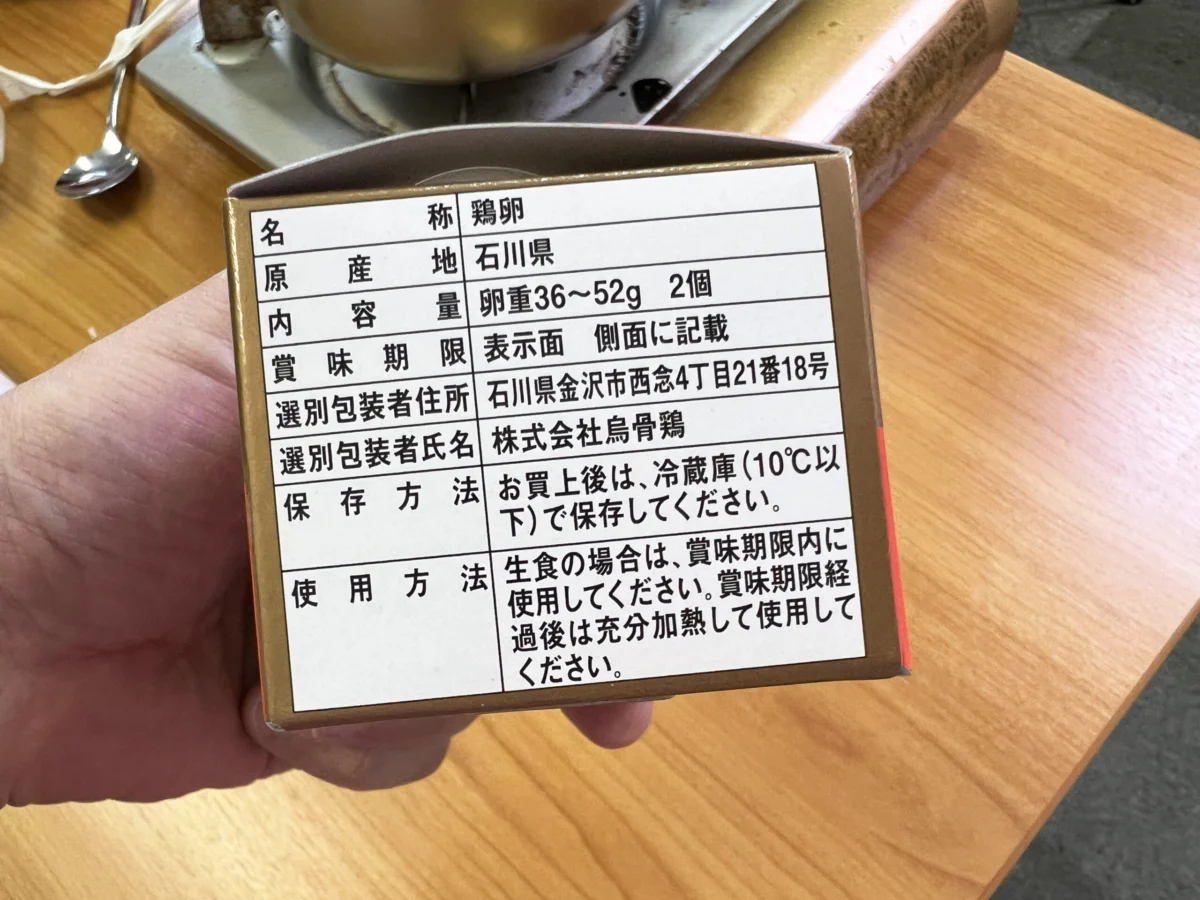
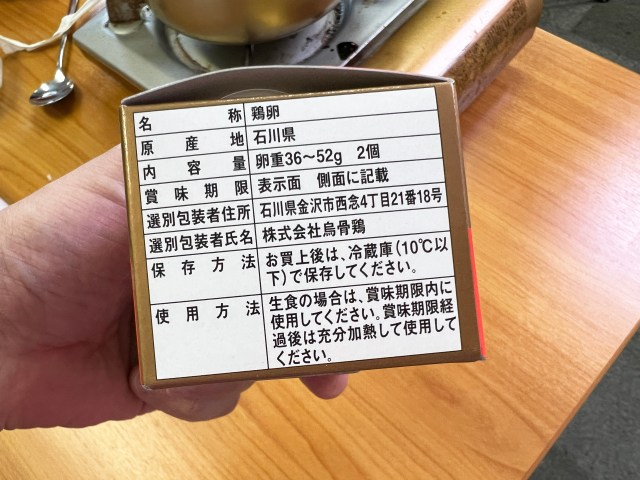
In the heart of Shinjuku’s opulent Isetan department store, a location synonymous with Japan’s most refined culinary offerings, a quiet revolution in the egg aisle has been causing double-takes. Among the meticulously curated produce, one product stands out for its staggering price point: the Tenran Ukokkei Ran. These "Silkie Chicken Eggs," sourced from the Ishikawa Prefecture, retail for an eye-watering 1,512 yen (approximately US$10.40) for a two-pack. This translates to 756 yen per egg—a price that commands the attention of even the most affluent gourmands.
To put this in perspective, a standard carton of twelve large eggs at a conventional Japanese supermarket typically retails for around 360 yen, or roughly 30 yen per egg. The Tenran egg is, therefore, roughly 25 times more expensive than the protein found in the average household refrigerator. But what exactly does one receive for such a premium? And, more importantly, does the flavor profile justify the cost?
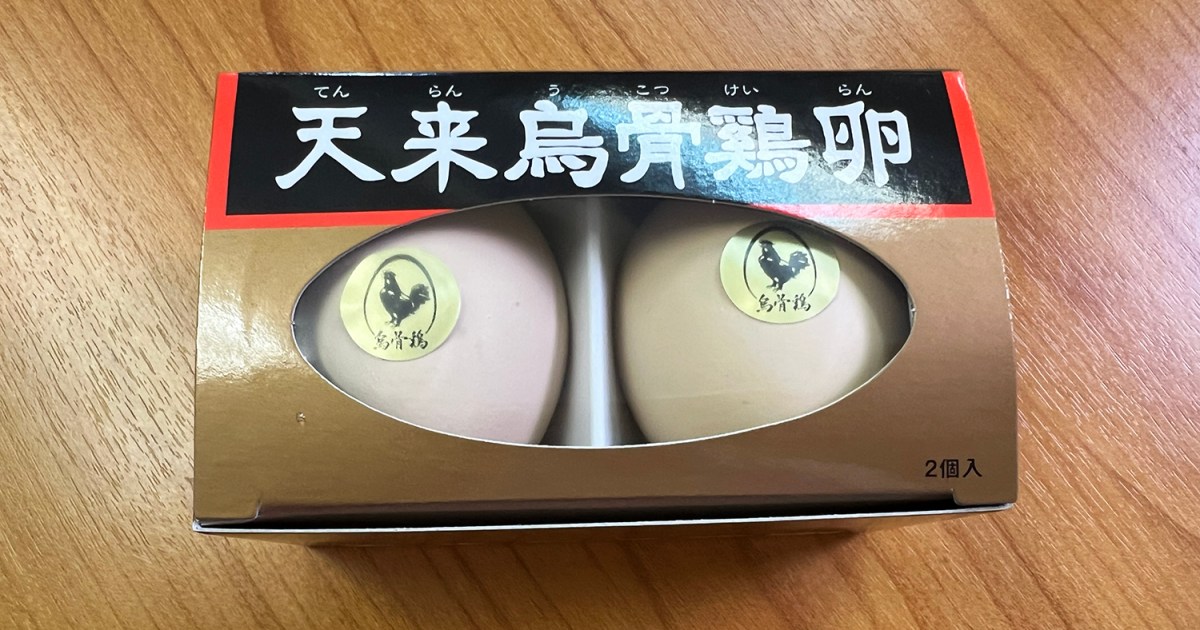
The Anatomy of Luxury: What is a Silkie Egg?
The Tenran designation is not merely a marketing term; it is a mark of provenance. These eggs are produced exclusively by the Kanazawa-based company Ukokkei, which manages its own specialized farms in the Ishikawa Prefecture. The source of these eggs is the Silkie chicken (Ukokkei), a breed prized for its unique plumage, dark skin, and historically medicinal associations in East Asian cuisine.
Raising Silkie chickens is a labor-intensive endeavor. Unlike the high-yield, commercial hybrid hens found in industrial egg production, Silkies are notoriously difficult to raise. They have lower egg-laying rates and require precise environmental conditions to thrive. Because of their scarcity and the specialized care required, these eggs are rarely seen in everyday kitchens. Instead, they are marketed as ultra-luxury gift items—often given as o-chugen (summer) or o-seibo (year-end) gifts, where the prestige of the giver is reflected in the rarity of the offering.
The Comparative Chronology: A Culinary Experiment
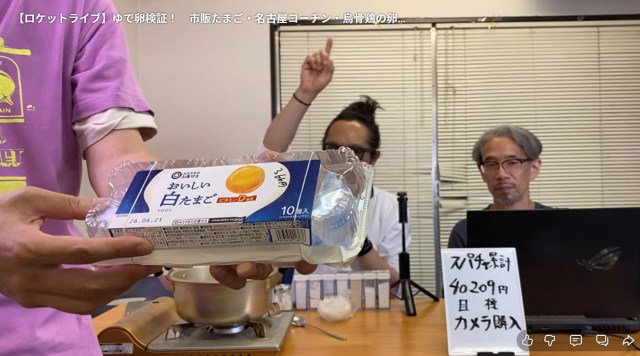
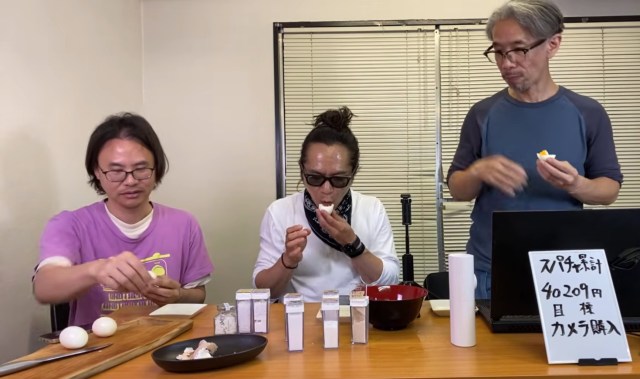
To determine if the price tag was a reflection of quality or simply the cost of exclusivity, our team conducted a rigorous, side-by-side taste test. We brought together three of our most seasoned reporters—Seiji Nakazawa, Go Hatori, and Mr. Sato—to act as the sensory panel for this experiment.
Phase 1: The Setup
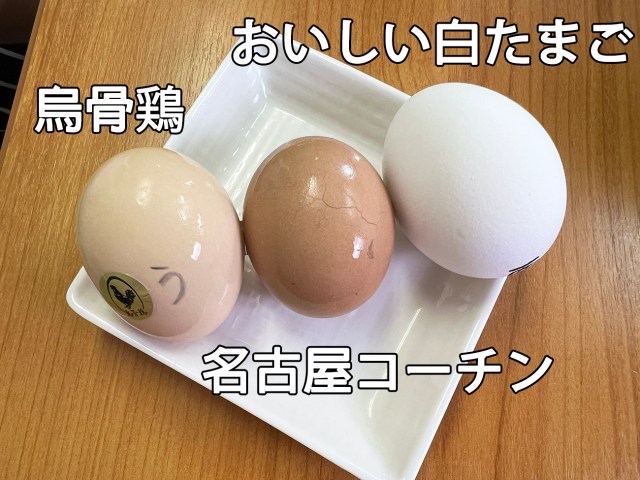
We procured three distinct categories of eggs for the comparison:
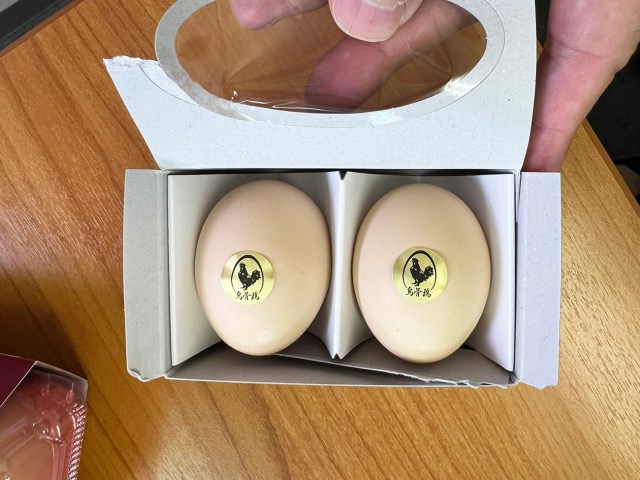
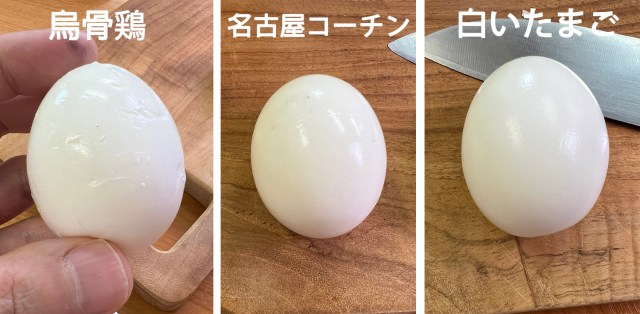
- The Luxury Tier: Tenran Ukokkei Ran (756 yen per egg).
- The Mid-Tier: Nagoya Cochin eggs (118 yen per egg), a premium Japanese breed known for its rich, flavorful yolk.
- The Baseline: A standard supermarket egg (36 yen per egg).
Phase 2: The Boiling Process
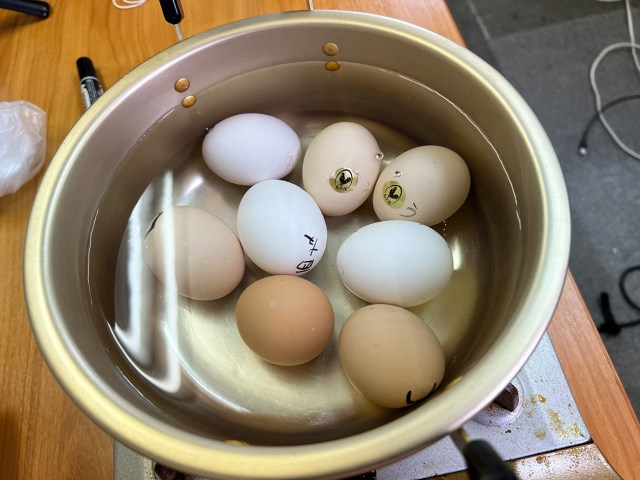
Adhering to the culinary advice of Go Hatori, the team opted to boil the eggs to isolate their inherent flavors without the interference of oils, butter, or seasonings. The eggs were placed in cold water, brought to a boil, and cooked for a controlled period. While initial plans called for a 10-minute boil, the thermal conductivity of our office’s stainless steel pot extended the process to 12 minutes.
Phase 3: Sensory Analysis
Upon peeling, the physical differences were subtle but noted. The Tenran eggs exhibited more surface markings, a result of their slightly more delicate shell structure during the peeling process. Visually, however, once the whites were set, the three eggs appeared strikingly similar.
The panel then moved to the tasting. In a blind comparison, the results were surprisingly uniform: the reporters found that the three varieties tasted remarkably similar.
Data and Discrepancies: The Panel’s Verdict
While the initial consensus was one of surprise—that such a vast price difference resulted in such a marginal variance in taste—the deeper analysis revealed nuances that only an expert palate might identify.
The "Melt-in-the-Mouth" Theory
Mr. Sato, in particular, offered a dissenting opinion regarding the texture. He noted that while the flavor of the yolk remained largely consistent across all three tiers, the Tenran egg displayed a "uniquely springy yet delicate" white. According to Mr. Sato, the protein structure of the Silkie egg white offered a smoother, almost melting sensation that was absent in the standard supermarket variety.
The "Century Egg" Connection
Go Hatori, after intense deliberation, suggested that the Tenran egg possessed an earthy, mineral-rich quality reminiscent of pidan (century eggs). He posited that the difference might be subtle enough that it would be indistinguishable in a blind taste test if the eggs were prepared in a dish with other ingredients, but when eaten plain, the "mouthfeel" of the outer layer was the only true differentiator.
The Yolk Consensus
Perhaps the most significant finding was the panel’s agreement on the yolk. Despite the premium branding, the richness and savory depth of the Tenran yolk did not significantly outshine the Nagoya Cochin or even the standard supermarket egg. This suggests that the "premium" nature of the Silkie egg is rooted more in its scarcity and the unique texture of its albumen rather than an overwhelming, superior flavor profile of the yolk itself.
Professional and Cultural Implications
The results of this taste test highlight a fascinating aspect of Japanese consumer culture: the concept of kachi (value) vs. aji (taste). In the luxury food market, price is often driven by rarity, the difficulty of production, and the prestige associated with the brand, rather than a quantifiable increase in flavor intensity.
The Role of Luxury Gifting
The existence of a 756-yen egg suggests that the product is not intended for the average consumer’s breakfast table. Instead, it serves as a luxury commodity—a gift item meant to convey respect, gratitude, or status. The act of gifting a pack of these eggs is a symbolic gesture, where the donor acknowledges the recipient’s appreciation for the refined and the rare.
The Influence of Preparation
The team acknowledged that their methodology might have played a role in the results. Boiling an egg is a "reductive" preparation method; it strips away external flavors and highlights the core ingredient. However, some culinary experts argue that the true brilliance of high-end eggs is only revealed in tamago kake gohan (raw egg over hot rice), where the richness of the yolk is tempered by the warmth and starch of the rice.
Future Investigations
Because the initial boiled test yielded such nuanced results, the team has decided to expand the study. On June 17, as part of our ongoing weekly livestream series, the panel will return to evaluate these eggs in their raw form. By cracking the Tenran, Nagoya Cochin, and standard eggs over fresh rice, we hope to determine if the "luxury" difference manifests more clearly when the egg is served in its most celebrated Japanese form.
Conclusion: Is it Worth the Price?
If you are a casual shopper looking for a delicious breakfast, the Tenran Ukokkei Ran is, by any objective metric, an inefficient purchase. However, if you are looking to engage with a piece of Japanese agricultural heritage, or if you are seeking a gift that carries the weight of exclusivity, the Tenran egg represents the pinnacle of its class.
For our reporters, the experiment served as a humbling reminder that in the world of high-end gastronomy, sometimes the most expensive ingredient is not necessarily the "tastiest," but rather the most difficult to produce. As the team prepares for their raw egg analysis, the question remains: will the Tenran shine when served raw, or is its reputation entirely sustained by the prestige of its origin?
Join us on our next broadcast to see the final verdict. Whether or not these eggs are worth the price tag, one thing is certain: they have certainly sparked a conversation about the intersection of tradition, luxury, and the humble egg.


 Neng Nana
 Asro
Asro