Adobe has officially signaled a transformative shift in the landscape of digital design. In a major announcement, the software giant unveiled a suite of new AI-powered features for its flagship application, Photoshop, centered around a sophisticated, beta-stage "AI-assisted editor." This development marks more than just a feature update; it represents a fundamental change in how professional designers and casual creators interact with complex image-editing workflows. By introducing a dedicated space for natural language prompt-based editing, Adobe is pushing the industry toward a future defined by "conversational design."
The Core Transformation: From Manual Control to Conversational Flow
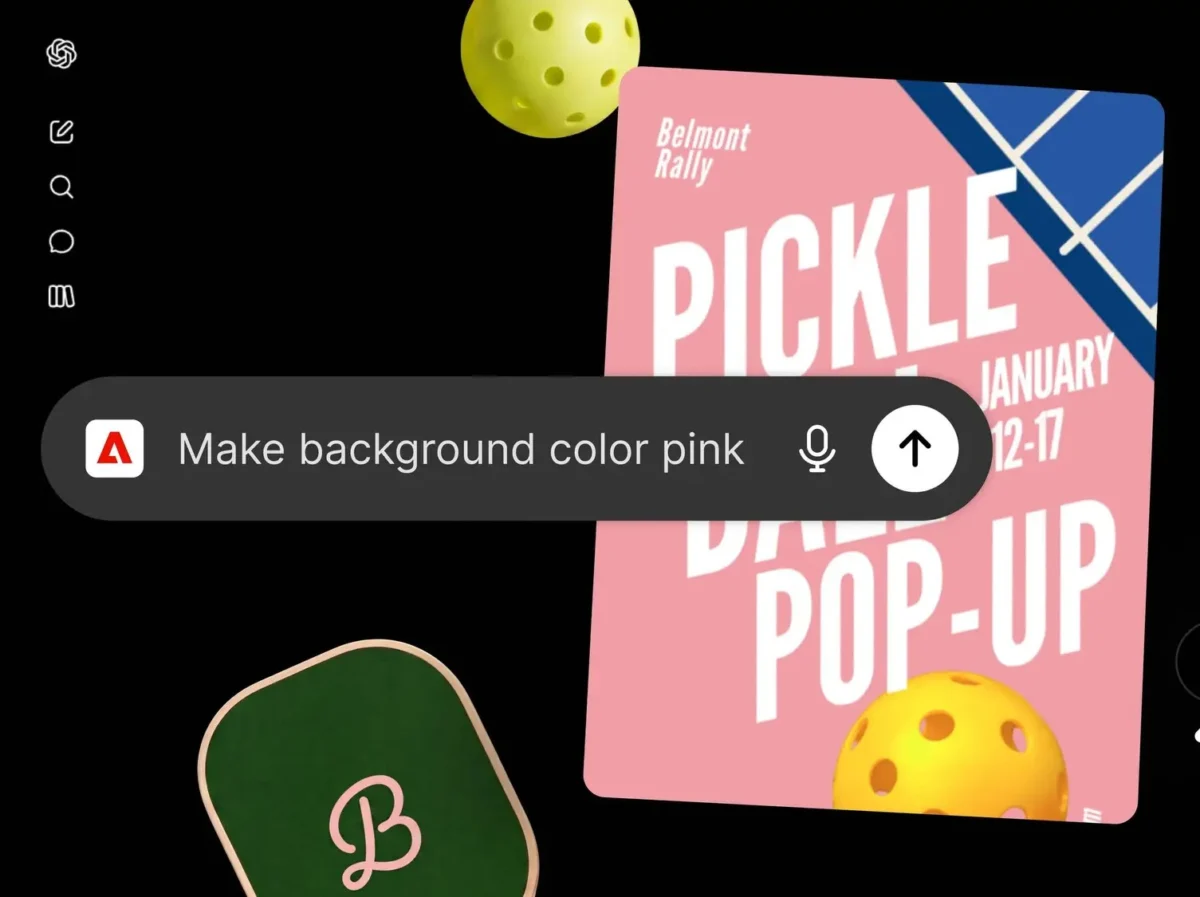
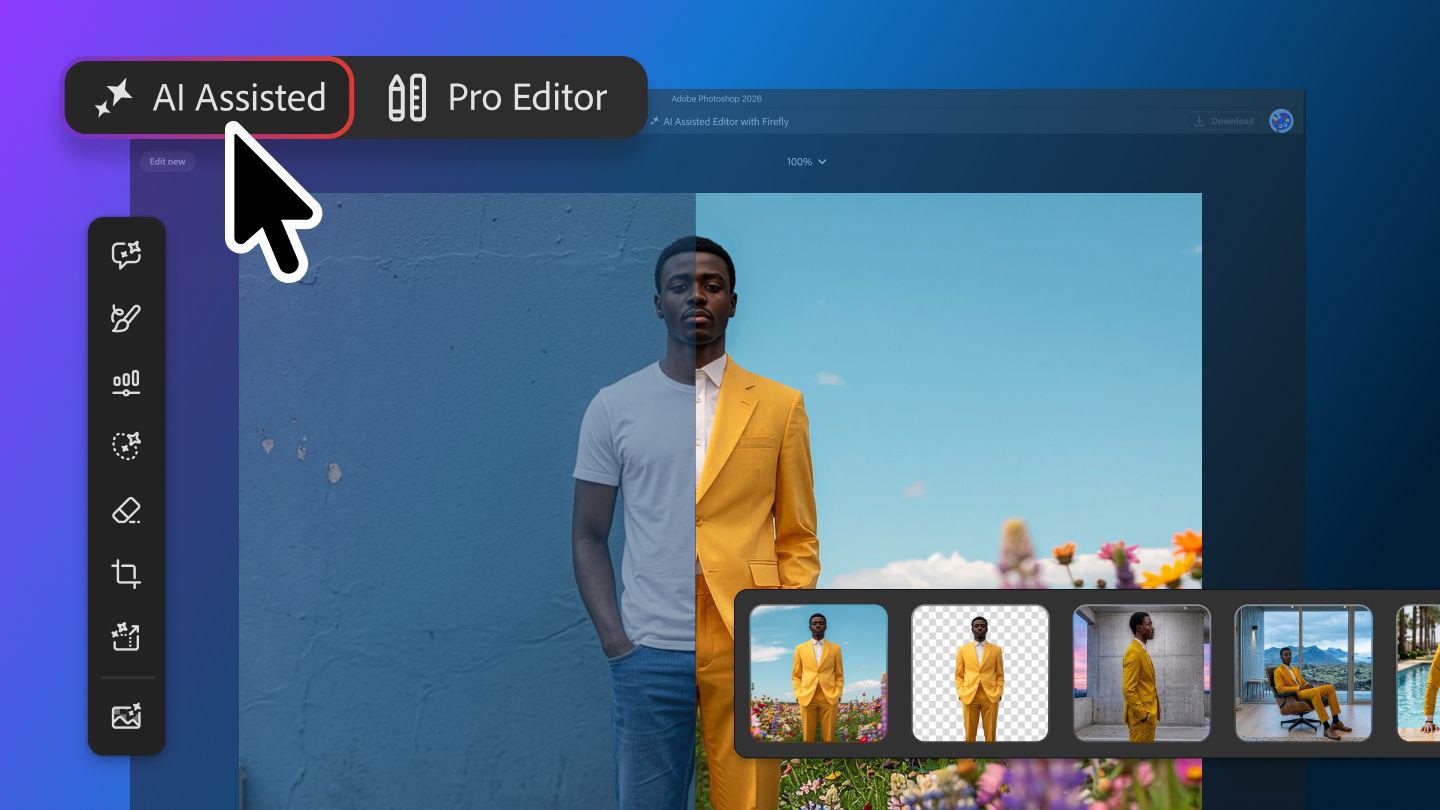
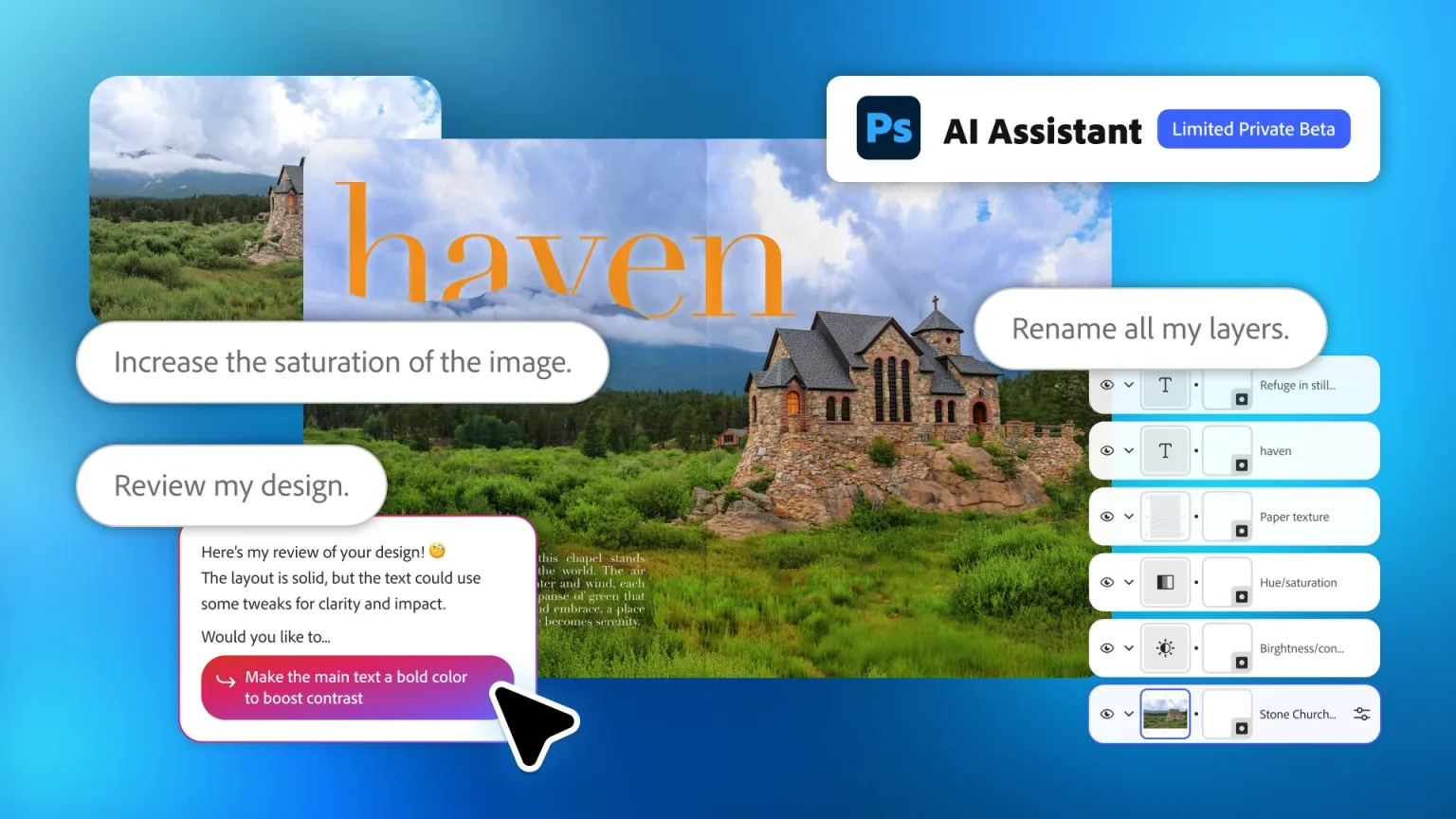
The centerpiece of this update is the new AI-assisted editing interface, which allows users to dictate changes to an image using plain English prompts. Rather than navigating deep, multi-layered menus or hunting for specific selection tools, a user can simply type a command—such as "change the background color to sunset orange" or "remove the clutter from the desk"—and let the AI models interpret and execute the request.
This interface does not exist in a vacuum; it acts as an orchestration layer for Adobe’s existing, highly capable generative AI tools, including Generative Fill, Generative Expand, and Generative Upscale. By centralizing these features into a prompt-based window, Adobe is effectively lowering the barrier to entry for high-level photo manipulation while simultaneously offering power users a faster, more iterative workflow.
Chronology of Adobe’s AI Integration
To understand the magnitude of this shift, one must look at the rapid-fire timeline of Adobe’s generative AI adoption:
- The Foundation (Firefly Launch): Adobe introduced its proprietary generative AI model, Firefly, with a focus on ethical training. This set the stage for all subsequent developments by ensuring that generated content was commercially safe.
- The Integration Phase: Following the debut of Firefly, Adobe began aggressively seeding AI tools into its core ecosystem, starting with the headline-grabbing "Generative Fill" in Photoshop, which allowed users to expand images and add objects with remarkable photorealism.
- Expansion to Express: Recognizing the need for speed among non-professional creators, Adobe integrated similar AI capabilities into Adobe Express, effectively democratizing high-end design for social media marketers and small business owners.
- The Present (Conversational Editing): With the latest announcement, Adobe has transitioned from "tool-based AI" (where the user clicks a button to trigger an AI effect) to "conversational AI" (where the user engages in a dialogue with the software). This beta launch is the most significant leap since the inception of the Creative Cloud.
Supporting Data: Why AI Is Reshaping the Workflow
The move toward conversational editing is backed by shifting industry trends. According to recent internal data and industry reports, the demand for high-quality visual content has surged by over 40% in the last two years, driven primarily by the explosion of short-form video and social commerce.
However, the "Time-to-Content" metric—the duration between a creative concept and a finished asset—has remained stagnant due to the complexity of legacy software. Adobe’s data suggests that prompt-based editing can reduce repetitive tasks, such as masking, color correction, and object removal, by up to 60%. By offloading these tedious, manual processes to an AI assistant, creative professionals can reallocate their time to the conceptual, high-value stages of their projects.
Official Responses and Strategic Philosophy
Adobe has been keenly aware of the apprehension surrounding the ubiquity of AI in the creative process. In their official communication, the company has emphasized a philosophy of "co-creation" rather than "automation."
"We are not looking to replace the designer," an Adobe spokesperson noted in a recent blog post. "We are looking to remove the friction that prevents a designer from realizing their vision."
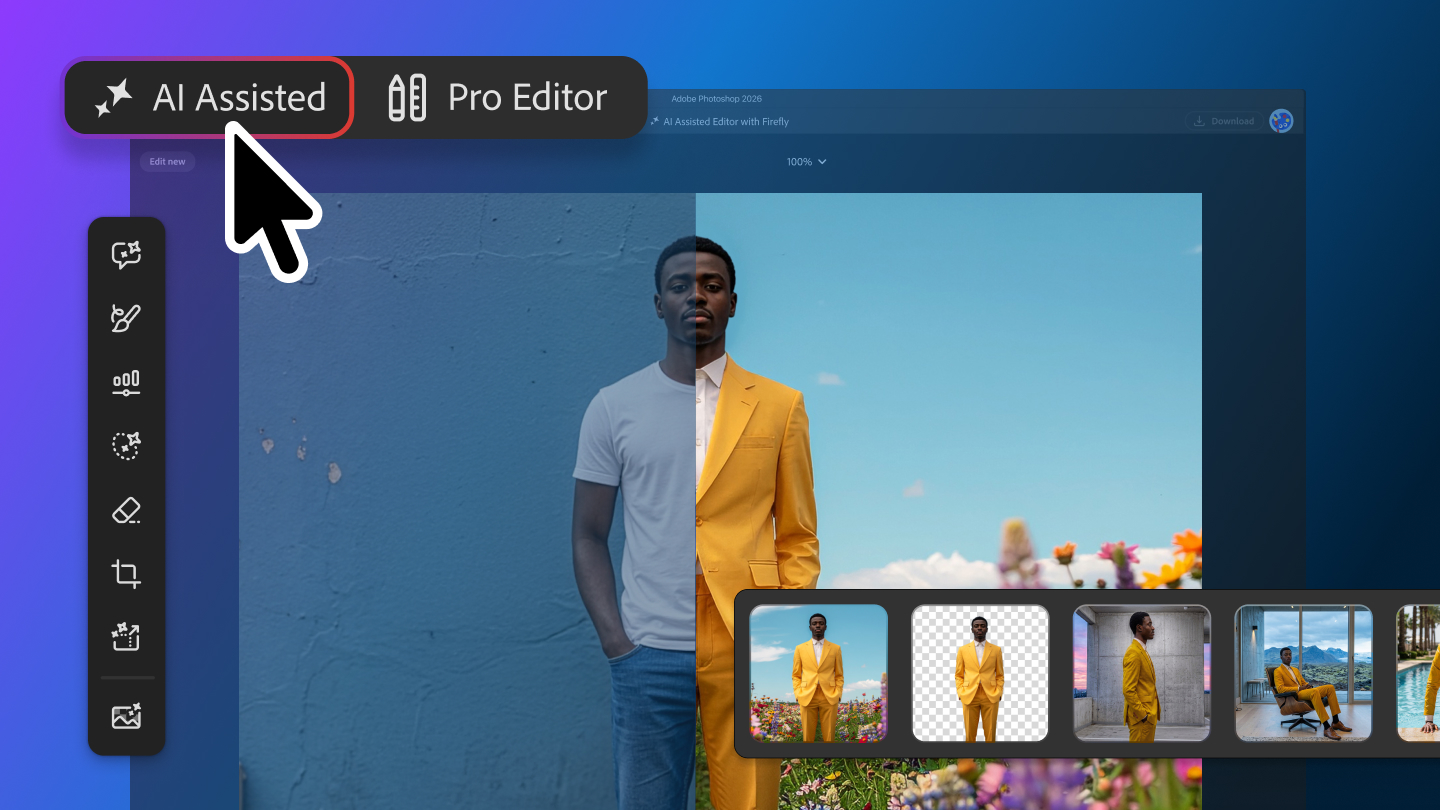
Adobe is specifically positioning this new editor as an optional companion. Understanding that many professionals rely on the precise, pixel-perfect control of traditional tools, the company has ensured that these AI features can be disabled entirely. Furthermore, for those who find the new dedicated interface too detached from their canvas, Adobe has introduced "Prompt to Edit" directly into the Pro Editor’s Contextual Task Bar. This allows users to maintain their existing workflow while leveraging the power of natural language for complex adjustments.
The Implications: A New Era for Professional Creativity
The implications of this shift are profound and multifaceted, touching on everything from workforce development to the nature of intellectual property in design.
1. The Death of the "Software Learning Curve"
For decades, becoming a "Photoshop expert" meant mastering thousands of shortcuts and a deep understanding of layer masks, adjustment channels, and filters. Conversational editing threatens to flatten this learning curve. While the need for an "eye for design" remains, the need for deep technical expertise in software operation may diminish. This could lead to a democratization of the industry, where the value of a creative lies in their taste and conceptual strategy rather than their ability to navigate a toolbar.
2. Workflow Efficiency and Professional Burnout
Professional designers are often tasked with producing a high volume of variations for a single campaign. By allowing the AI to handle the "grunt work"—such as adjusting lighting across different product images or creating variations of a background—the industry may see a reduction in burnout. Designers can focus on the "big picture" of a brand’s identity, letting the AI act as a tireless assistant that handles the technical execution.
3. Ethical and Artistic Integrity
Despite the efficiency gains, there remains a vocal contingent within the creative community that views the encroachment of AI with skepticism. Concerns regarding the "homogenization" of design and the potential for AI to produce derivative work are rampant. Adobe has attempted to mitigate this by training its models on licensed or public domain imagery, but the debate over the "soul" of a piece of digital art—whether it is human-created or prompt-engineered—will likely continue to dominate industry discourse.
4. The Future of the "Human-in-the-Loop"
The most successful designers of the coming decade will likely be those who treat AI as a collaborator rather than a replacement. The new Photoshop features demonstrate that the best results come from a hybrid approach: using AI for the heavy lifting and human intervention for the final, critical polish. The "human-in-the-loop" model remains the standard for quality assurance, ensuring that the final output aligns with a brand’s specific guidelines and artistic intent.
Conclusion: Adapting to the New Normal
Adobe’s latest update is a definitive statement on where the design industry is headed. By integrating natural language processing into its most powerful tool, the company is betting that the future of creativity is not just about the quality of the render, but the speed of the iteration.
While the "AI-assisted editor" is currently in beta, it offers a glimpse into a future where the interface of a computer program is no longer a collection of buttons and sliders, but a conversation between human intent and machine execution. Whether this leads to a new golden age of creative efficiency or a dilution of artistic craft is a question that will be answered by the users themselves. For now, one thing is clear: the canvas is changing, and Adobe is holding the brush, even if it’s currently being guided by a prompt.