


In the modern age of instant digital gratification and algorithmic content consumption, the physical bookshelf has become a battlefield of guilt. For many bibliophiles, the sight of unread spines—or a sprawling, multi-tabbed Goodreads "To-Read" list—elicits a familiar pang of anxiety. We view these gaps in our reading progress as evidence of failure, a monument to the books we promised ourselves we would finish but somehow never did.
However, a shift in perspective is taking hold among literary enthusiasts. The "mood reader," once criticized for inconsistency, is reclaiming the narrative. We are moving away from viewing our towering to-be-read (TBR) piles as a to-do list and beginning to see them as what they truly are: an "anti-library." This collection of unread volumes is not a record of failure; it is a repository of potential, a sanctuary of future discoveries, and, ultimately, a vital intellectual resource.
The Philosophy of the Anti-Library: Beyond the To-Do List
The term "anti-library" was famously coined by the Italian philosopher and novelist Umberto Eco, who maintained a personal collection of over 30,000 books. It was later popularized by the risk analyst and essayist Nassim Nicholas Taleb in his seminal work, The Black Swan. The core thesis is both radical and liberating: a private library should consist not of books you have already read—which are mere tools of past knowledge—but of books you have not yet read.
Taleb argues that the value of an anti-library lies in the "unknowable." He writes: "Read books are far less valuable than unread ones. The library should contain as much of what you do not know as your financial means, mortgage rates, and the currently tight real-estate market allows you to put there."
In this light, every unread book on your shelf is a challenge to your current intellectual comfort zone. As we age, our collection of unread books grows, and while they may seem to look down at us "menacingly," they are actually markers of our expanding curiosity. The more we know, the more we realize how vast the unknown remains. An anti-library is, therefore, the physical manifestation of one’s intellectual humility.
Chronology of a Reader’s Evolution: From Guilt to Gratitude
For many SFF (Science Fiction and Fantasy) readers, the pace of the industry exacerbates the "TBR guilt." The constant churn of new releases, dazzling cover art, and the "shiny object syndrome" common to bibliophiles means that classic titles are often pushed to the margins.

The Tolkien Threshold
Take, for instance, the classic journey of reading J.R.R. Tolkien’s The Lord of the Rings. For many, admitting a lack of familiarity with Middle-earth feels like a betrayal of the fantasy genre itself. However, gaps in reading often lead to more meaningful experiences later in life. By waiting to engage with these texts, readers often find the opportunity to share the experience with others—perhaps with children or partners—turning a solitary act of consumption into a shared cultural event. When a parent reads The Hobbit or The Lord of the Rings aloud to their children, the "gap" in their own reading history becomes the catalyst for an enduring family memory.
The Decades-Long Wait
Consider the case of Tad Williams’ Osten Ard saga. A reader might acquire The Dragonbone Chair during their teenage years, only to find the sequels migrating across state lines in moving boxes for decades, unread. While the initial impulse to buy was driven by a desire to explore a world, the timing simply wasn’t right. When that reader finally returns to the series—perhaps in a new, accessible format—they often discover that the themes resonate more deeply with the wisdom of adulthood than they ever could have in adolescence.
Supporting Data: Why We Collect, Why We Wait
The psychological underpinnings of the anti-library are rooted in our relationship with time and discovery. In the realm of genre fiction, the "tide" of books is relentless. Indie fantasy, in particular, has seen a renaissance since the late 2010s, creating an entirely new category of "unread potential."
Research into reader habits suggests that the act of acquiring a book is distinct from the act of reading it. The purchase represents an optimistic investment in one’s future self—the version of you who will finally have the time, the focus, and the emotional capacity to inhabit a complex, 12-book series like Rachel Neumeier’s Tuyo.
When a reader finally picks up a long-neglected title, they often find that the book has "waited" for the right moment. The deep world-building, political intrigue, and emotional resonance of a book like Tuyo—which features intricate social dynamics and high-stakes character development—often require a specific level of reader maturity to fully appreciate. Had the reader tackled it five years prior, the nuances might have been lost.
Official Perspectives: The Value of the Unread
Critics and literary scholars have long debated the role of the personal library. Traditionally, a library was meant to signal what one had learned. Modern proponents, however, argue that a library is a map of where one intends to go.
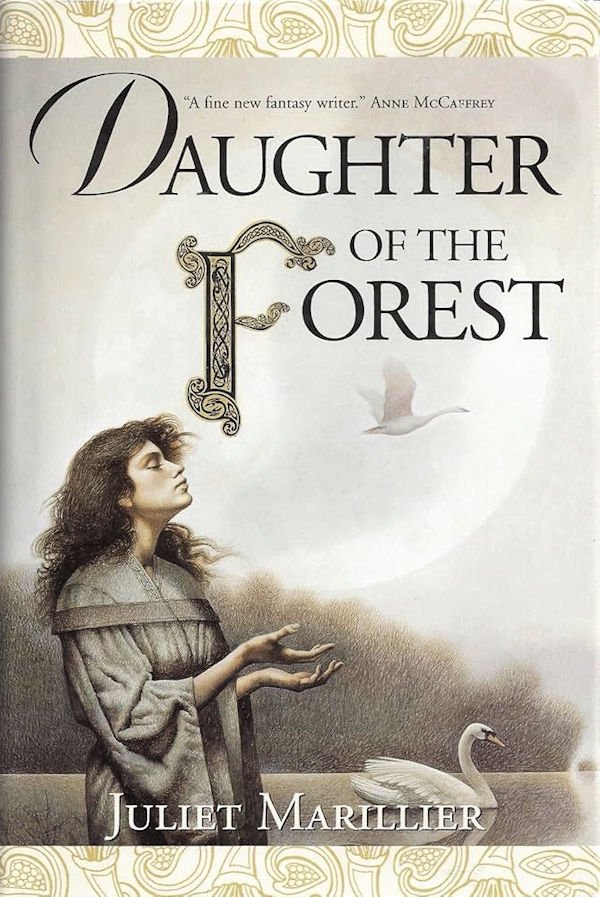
According to library science professionals, the "curation" of a personal space—even if that space is just a bookshelf—is an act of self-definition. When you keep a copy of Juliet Marillier’s Daughter of the Forest on your shelf for twenty years, you are holding onto an aspiration. You are asserting that the romantic, historical fantasy genre is a fundamental part of your identity, even if you have yet to turn the first page.
This sentiment is echoed by those who study the impact of digital versus physical media. While Kindle and audiobooks provide convenience, there is a "tactile feedback" provided by physical books that serves as a constant, gentle reminder of our intellectual goals. Replacing an unreadable, small-print mass-market paperback with a fresh, trade-sized copy is not merely a purchase; it is a renewal of a commitment to oneself.
Implications for the Modern Reader
The implications of adopting the anti-library philosophy are twofold: it drastically reduces the stress associated with reading, and it increases the quality of the reading experience itself.
- Reduction of Performance Anxiety: When you stop viewing your TBR pile as a checklist of tasks to complete, you remove the "work" from reading. You are free to pick up whatever book your mood dictates, rather than feeling obligated to finish a book simply because it has been sitting on your shelf for years.
- The "Inspirational Soup": We are products of what we consume. By maintaining a vast, unread collection, you are essentially keeping a diverse array of voices, styles, and ideas in your "inspirational soup." You may not have read them yet, but their presence influences your taste, your writing, and your worldview.
- The Joy of Discovery: The realization that a series you’ve been meaning to read—like Neumeier’s Tuyo—is actually twelve books long should not be a cause for despair. It should be a cause for celebration. It is the discovery of a long-term companion, a promise of many hours of immersion.
Conclusion: Living in the Library
We must stop apologizing for the books we haven’t read. We must stop viewing the gaps in our literary history as deficiencies and start seeing them as the fertile ground for our future growth. Whether it is the classic epics of Tolkien, the historical romance of Marillier, or the indie gems that have yet to cross our path, every book on our shelf is a promise.
The books we haven’t read are not dead weight; they are part of the architecture of our minds. They represent the infinite possibilities of what we might learn, feel, and experience tomorrow. As we continue to navigate a world that is increasingly fast-paced and screen-dominated, the physical, unread library remains one of the last, best places to inhabit. After all, what better place to live than a library?
By embracing our anti-libraries, we are not just collecting books; we are collecting the potential for a deeper, more intellectually vibrant life. The next time you look at your shelves and see a "gap," do not see a failure. See a destination you have yet to reach.










No comments yet. Be the first to join the conversation!