

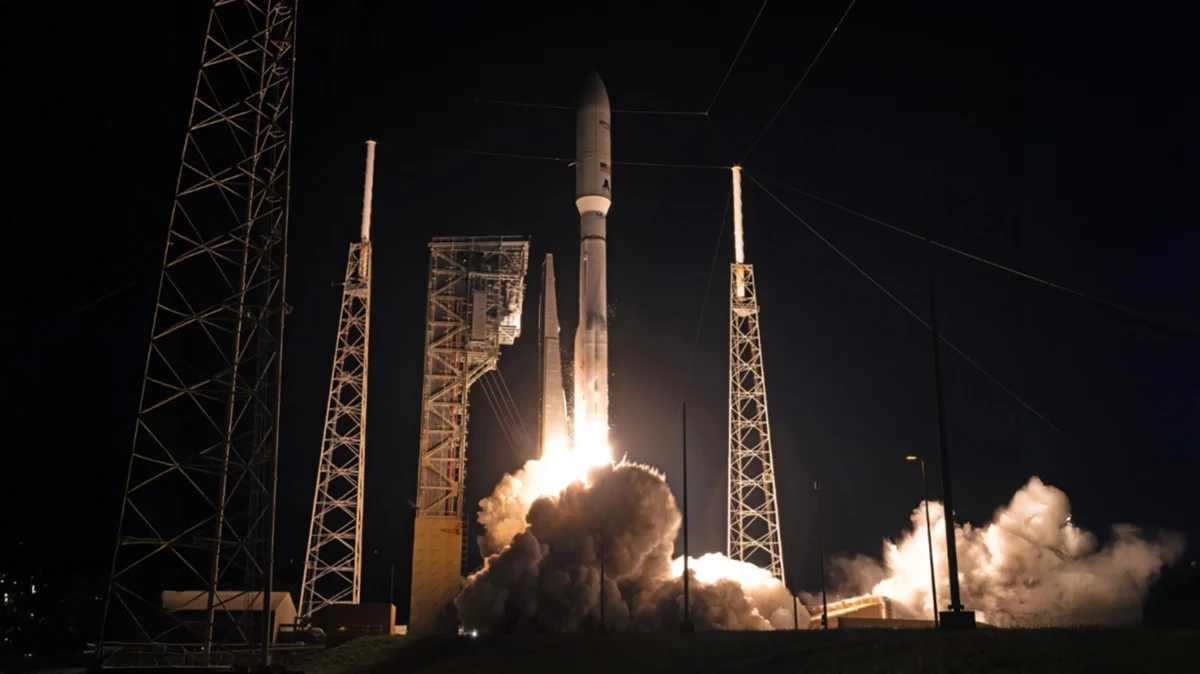
In the high-stakes theater of global satellite internet, a major milestone was reached in the early hours of July 2, 2026. A United Launch Alliance (ULA) Atlas V rocket ascended from Florida’s Cape Canaveral Space Force Station, carrying a payload of 29 Amazon Leo satellites. This launch was not merely another routine mission; it marked a pivotal threshold for Amazon’s satellite broadband initiative, Project Kuiper. With these units now in orbit and successfully communicating with ground control, Amazon has confirmed that it has reached the critical mass necessary to begin providing continuous satellite broadband service across its initial target latitudes.
The Milestone: Reaching Operational Capacity
Amazon’s latest deployment brings the total number of operational Leo satellites to over 390. According to Chris Weber, Vice President of Amazon Leo, this number is the "magic figure" required to support the first phase of their commercial rollout. While the satellites are currently being maneuvered to their assigned operational altitude of 392 miles, the successful deployment and handshake protocols confirm that the infrastructure is ready to transition from a testing phase to a functional, service-oriented network.
The Atlas V mission also carries symbolic weight. It was the final flight for the Atlas V rocket in the context of the Leo program, having successfully delivered 224 of the company’s satellites to orbit. As the industry shifts toward more efficient, heavy-lift capabilities, this retirement signals a transition to a more aggressive deployment schedule.
A Chronology of Ambition: From Concept to Orbit
The journey to this point has been characterized by meticulous planning, regulatory hurdles, and intense aerospace engineering.
- 2019: Project Kuiper Unveiled: Amazon officially announced its intent to build a constellation of low-Earth orbit (LEO) satellites to provide high-speed, low-latency broadband to underserved and unserved communities worldwide.
- 2021-2023: Regulatory Approval and Prototyping: Amazon secured the necessary FCC licenses to deploy thousands of satellites. This period focused on the development of the "KuiperSat" architecture and the refinement of optical inter-satellite links.
- 2023: The Prototype Launch: Amazon launched its first two prototype satellites (Kuipersat-1 and -2), which served as the "proof of concept" for the entire network architecture.
- 2024-2025: Scaling the Constellation: Amazon began a steady cadence of launches, utilizing both ULA’s Atlas V and preparatory tests for the upcoming Vulcan and New Glenn vehicles.
- July 2, 2026: The Critical Threshold: The successful deployment of the latest 29 satellites brought the total count over 390, officially enabling continuous coverage for the first time.
Supporting Data: The Logistics of the Leo Constellation
Building a satellite constellation is a logistical challenge of unprecedented proportions. Amazon has approached this by diversifying its launch providers, a strategy designed to mitigate risks associated with individual rocket failure or scheduling delays.
The Launch Vehicle Transition
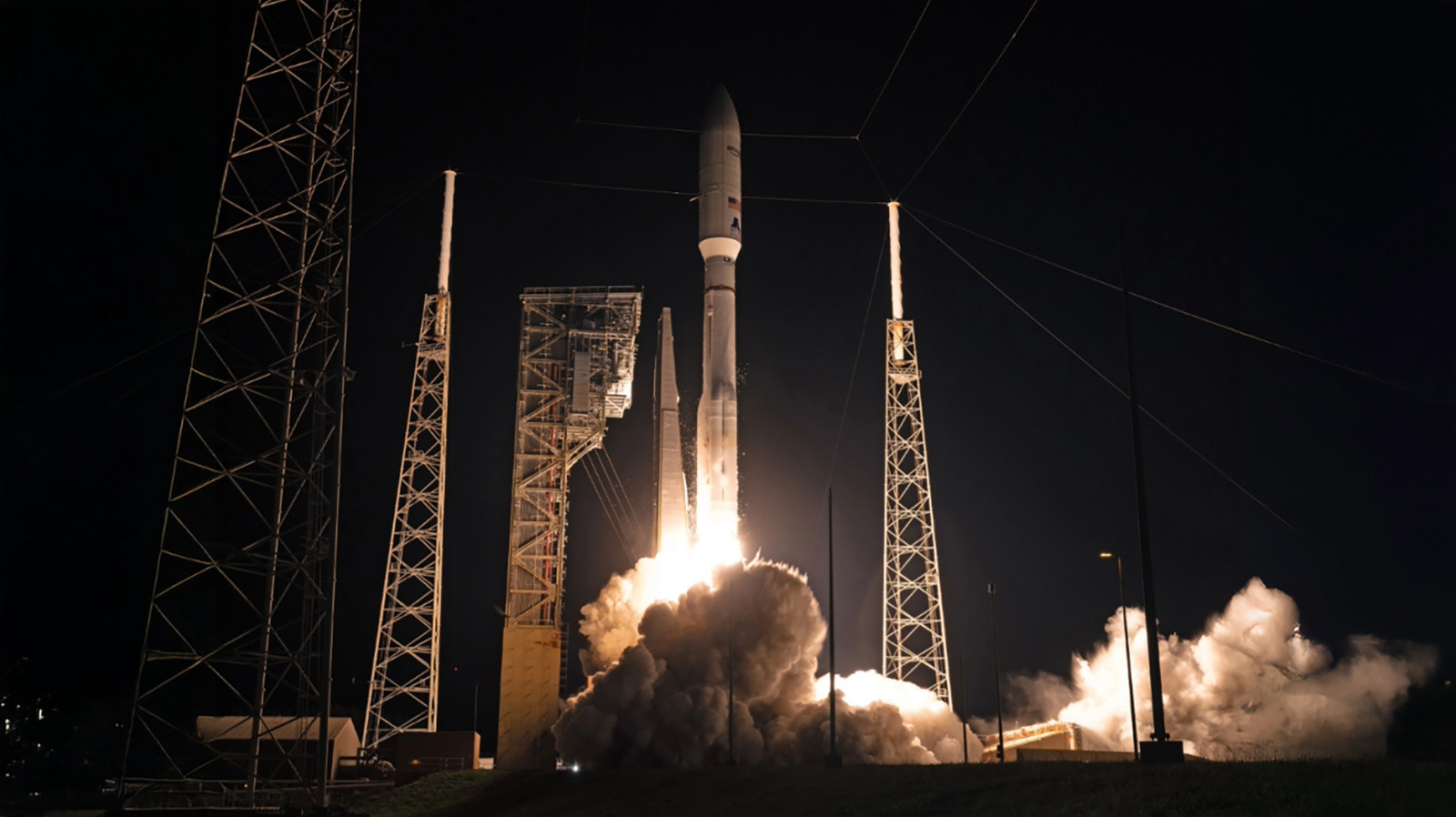
The shift from the Atlas V to ULA’s heavy-lift Vulcan vehicle represents a significant leap in capacity. While the Atlas V served as a reliable workhorse for the initial deployment phase, the Vulcan vehicle is designed for high-frequency, high-volume missions. It is capable of carrying more than 40 satellites per launch. This increase in throughput is vital for Amazon’s goal of competing with established players in the satellite broadband market.
Infrastructure Readiness
Beyond the hardware in space, Amazon has invested heavily in ground infrastructure. Melissa Wuerl, Director of Launch Systems at Amazon Leo, noted that the company has established a new, dedicated vertical integration facility at Cape Canaveral. This facility allows for the rapid processing and stacking of satellites, which is essential for maintaining the high launch cadence required to build out the full, multi-thousand satellite constellation.
Official Responses and Strategic Outlook
The leadership team at Amazon remains measured but optimistic. The transition from engineering milestones to consumer-facing services is the next major hurdle.
"We have a clear path to increase launch and deployment cadence," Wuerl stated, following the successful July 2 launch. "Helping us quickly expand network coverage following an initial service rollout later this year."
The sentiment from the project leads is that while the "continuous service" threshold has been met, the project is still in its infancy compared to the ultimate vision. The company is managing expectations by highlighting that this is a phased rollout. Initial service will be geographically limited to specific latitudes, with expansion occurring as the total satellite count grows.
Implications: The Competitive Landscape
The satellite broadband market is currently dominated by SpaceX’s Starlink, which operates a vast network of over 10,000 satellites. For Amazon, the task is twofold: catch up in terms of total coverage and offer a competitive value proposition that leverages its existing ecosystem.
The Starlink Comparison
With 390 satellites currently in orbit, Amazon has a long way to go to match the sheer density and capacity of the Starlink network. Starlink’s advantage lies not just in the number of satellites, but in the maturity of its ground segment and its established user base. However, Amazon’s entry is seen as a major market disruption. By utilizing the Blue Origin ecosystem—specifically the New Glenn rocket—Amazon hopes to achieve a competitive cost-per-launch that could eventually allow them to offer pricing models that undercut or challenge Starlink’s dominance.
The Role of New Glenn
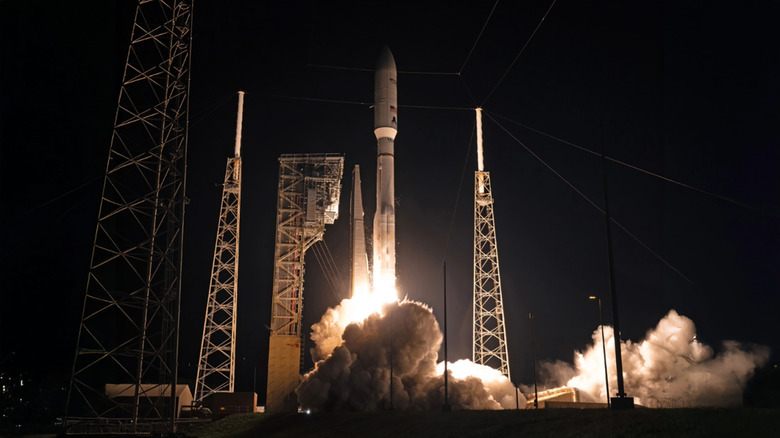
Blue Origin’s New Glenn vehicle is central to Amazon’s long-term strategy. Designed to carry more than 48 satellites per launch, the vehicle is a critical piece of the puzzle. The project recently faced a setback when a launchpad exploded during a hotfire test in May 2026, forcing a temporary delay in the certification process. However, recent updates from Blue Origin confirm that a new, modernized launchpad is nearing completion, with the company aiming to resume New Glenn operations by the end of the year.
Economic and Global Impact
The implications of a successful, full-scale Amazon Leo network are profound. Satellite broadband provides a lifeline for rural, remote, and disaster-stricken areas where traditional fiber-optic or cellular infrastructure is economically unfeasible. By providing high-speed internet access to these regions, Amazon is positioning itself to capture a significant share of the global digital divide market.
Moreover, the integration of Leo with Amazon’s cloud infrastructure (AWS) could lead to new enterprise-grade services, such as edge computing in remote environments, which would be a significant differentiator from consumer-focused competitors.
Conclusion: Looking Ahead
As of July 2026, the mood at Amazon is one of cautious triumph. The company has moved beyond the theoretical and into the operational. The coming months will be defined by the "raising" of the new satellites to their operational altitudes and the start of beta testing for commercial customers.
While the gap between Amazon and SpaceX remains wide, the foundation has been laid. With a new heavy-lift launch cadence on the horizon and a robust ground infrastructure already in place, Amazon is no longer just "planning" a satellite service—it is deploying one. The race for the sky is entering a new, more intense phase, and for the global consumer, the result will likely be a more competitive, more accessible, and more reliable satellite broadband market.
As the company prepares for its initial service rollout later this year, the global tech community will be watching closely to see if Amazon can scale its operations as efficiently as it has planned them. One thing is certain: the era of satellite-based global connectivity is no longer a distant vision; it is a live, operating reality.











