Following the successful July debut of the Radeon RX 6600 XT—a card positioned as the definitive solution for high-fidelity 1080p gaming—AMD has officially expanded its mid-range lineup. The company has launched the highly anticipated Radeon RX 6600, a graphics card engineered to capture the heart of the 1080p gaming segment while offering a more accessible entry point for builders and system integrators alike.
As the market continues to grapple with supply constraints and evolving performance demands, this new arrival is more than just a minor SKU update; it represents a strategic consolidation of AMD’s RDNA2 architecture in the most competitive segment of the GPU market.
Main Facts: The Anatomy of the Radeon RX 6600
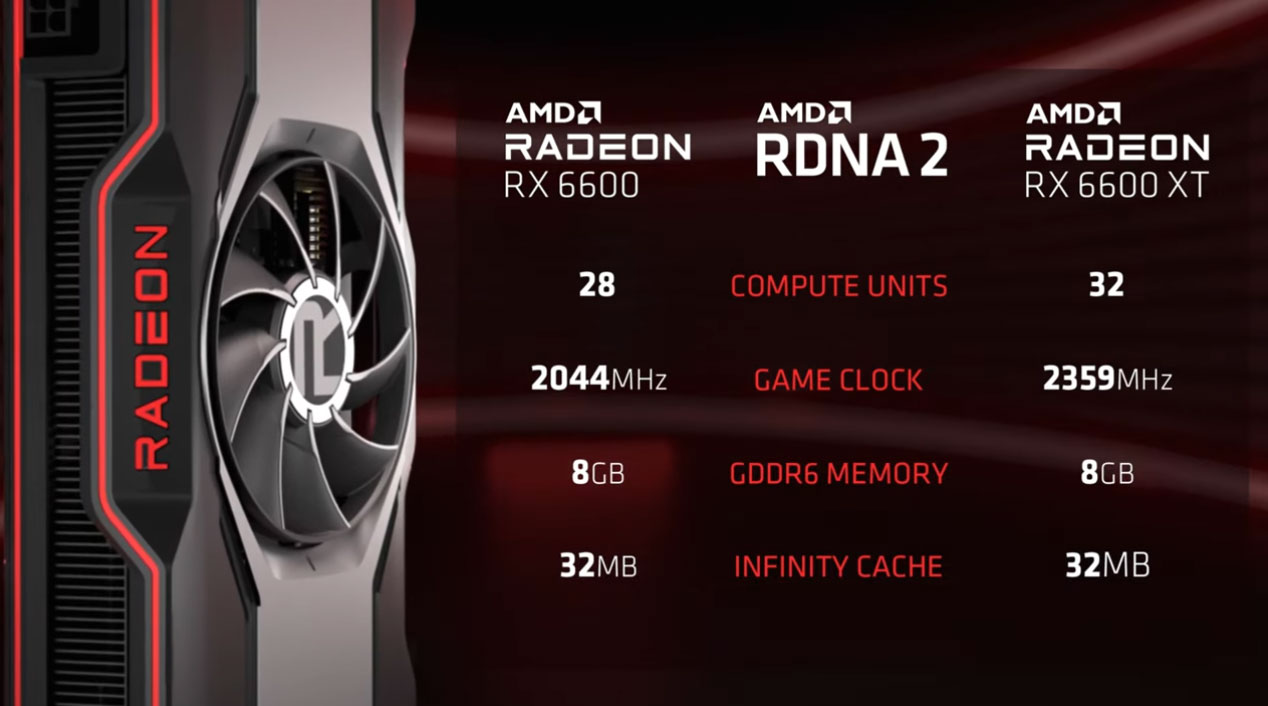
The Radeon RX 6600 is built upon the same Navi 23 silicon as its "XT" sibling, utilizing the cutting-edge RDNA2 architecture that has defined AMD’s current generation of graphics hardware. However, the RX 6600 is intentionally refined to hit a specific price-to-performance ratio.
At a $50 lower MSRP than the XT model, the non-XT variant offers a proportional reduction in core specifications. While the Raster Operations Pipelines (ROPs) remain unchanged at 64, the card features a cut-down count of streaming processors and texture units. Furthermore, the memory subsystem has been adjusted; the RX 6600 utilizes 14Gbps memory compared to the 16Gbps found in the XT variant. These architectural adjustments are coupled with more conservative boost and game clock speeds, ensuring that the card remains efficient while hitting its intended performance targets.
Despite these "cuts," the card is marketed as "future-ready," offering a seamless experience for gamers who prioritize high refresh rates over raw 4K processing power. It is designed specifically to thrive in the 1080p ecosystem, where the majority of the global PC gaming population currently operates.
Chronology: The Road to the Mid-Range
The journey to the RX 6600 began with the broader rollout of the RDNA2 architecture, which first showcased its potential in the flagship RX 6000 series.
- Late 2020: AMD launched the high-end RX 6800 and 6900 series, setting the stage for the architecture’s dominance.
- July 2021: AMD officially unveiled the Radeon RX 6600 XT, signaling a shift toward the mainstream market and targeting the 1080p "high-frame-rate" demographic.
- Late Q3 2021: Rumors began to circulate regarding a non-XT version of the Navi 23 card. Tech enthusiasts and leakers identified the product in various regulatory filings and driver strings, anticipating a sub-$400 price point.
- October 13, 2021: AMD officially announced the Radeon RX 6600, confirming the specifications and the strategic positioning of the card to compete directly with Nvidia’s mid-range offerings.
Supporting Data: Performance Benchmarks and Efficiency
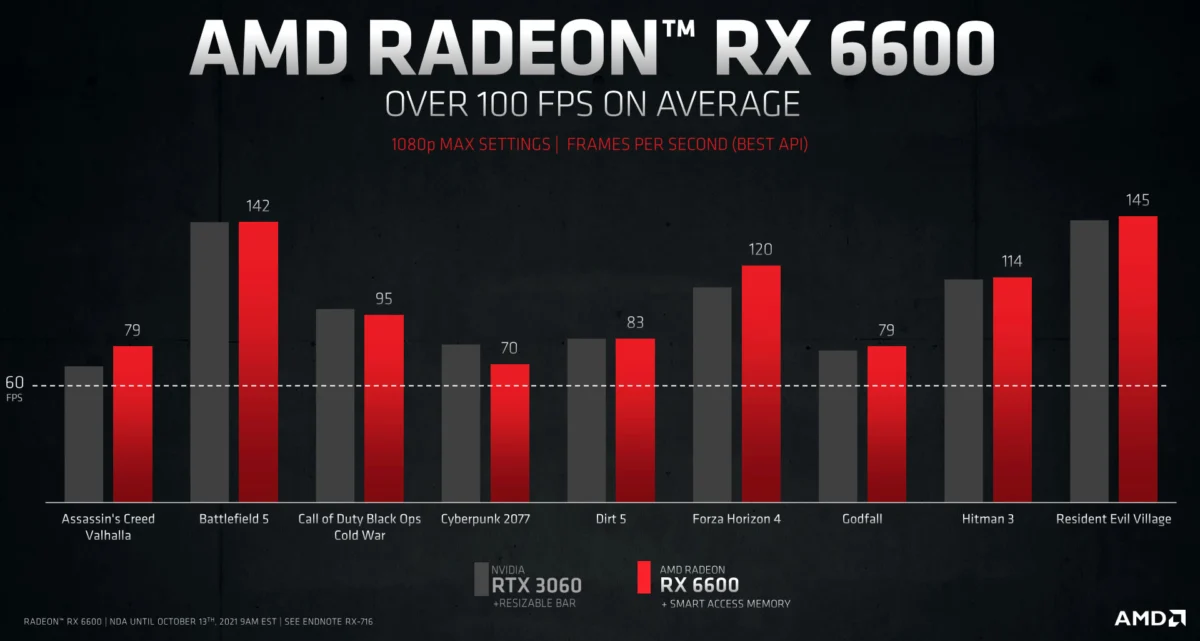
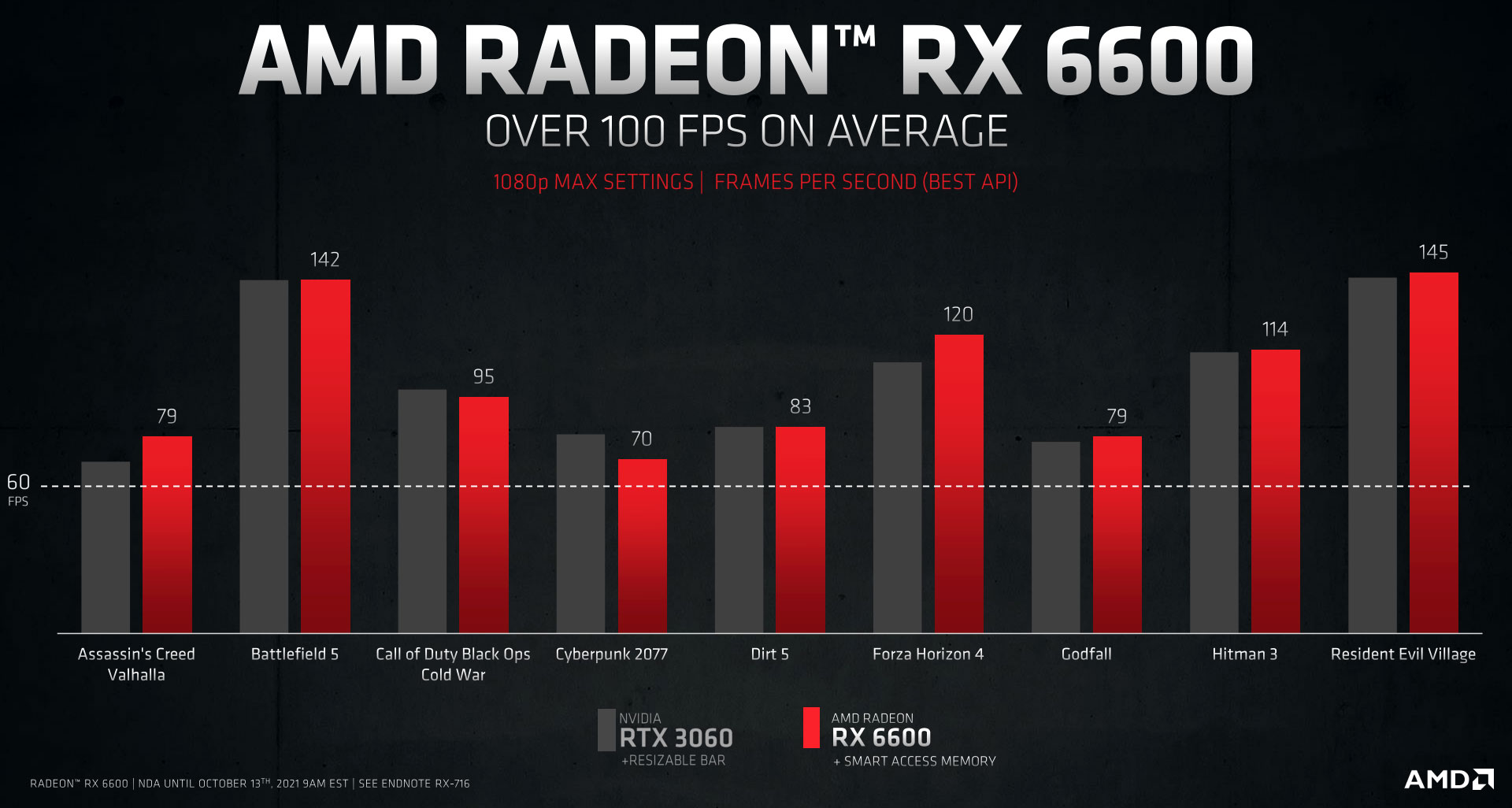
Early third-party testing confirms that the Radeon RX 6600 serves as a formidable rival to the Nvidia GeForce RTX 3060. While both cards share a similar MSRP, their performance profiles differ based on the specific game engine and API optimization.
Thermal and Power Efficiency
Perhaps the most impressive aspect of the RX 6600 is its power profile. With a Total Board Power (TBP) of just 132W, the card is exceptionally efficient. This efficiency translates into lower thermal output, making it an ideal candidate for smaller form factor (SFF) builds and pre-built systems that might have limited cooling overhead.
Interestingly, because many board partners utilized the existing chassis designs originally developed for the 160W RX 6600 XT, the new RX 6600 often runs exceptionally cool. Many partner cards feature bulky, dual-fan, or even triple-fan cooling solutions that are, by design, overkill for a 132W chip, resulting in near-silent operation under load.
Gaming Performance
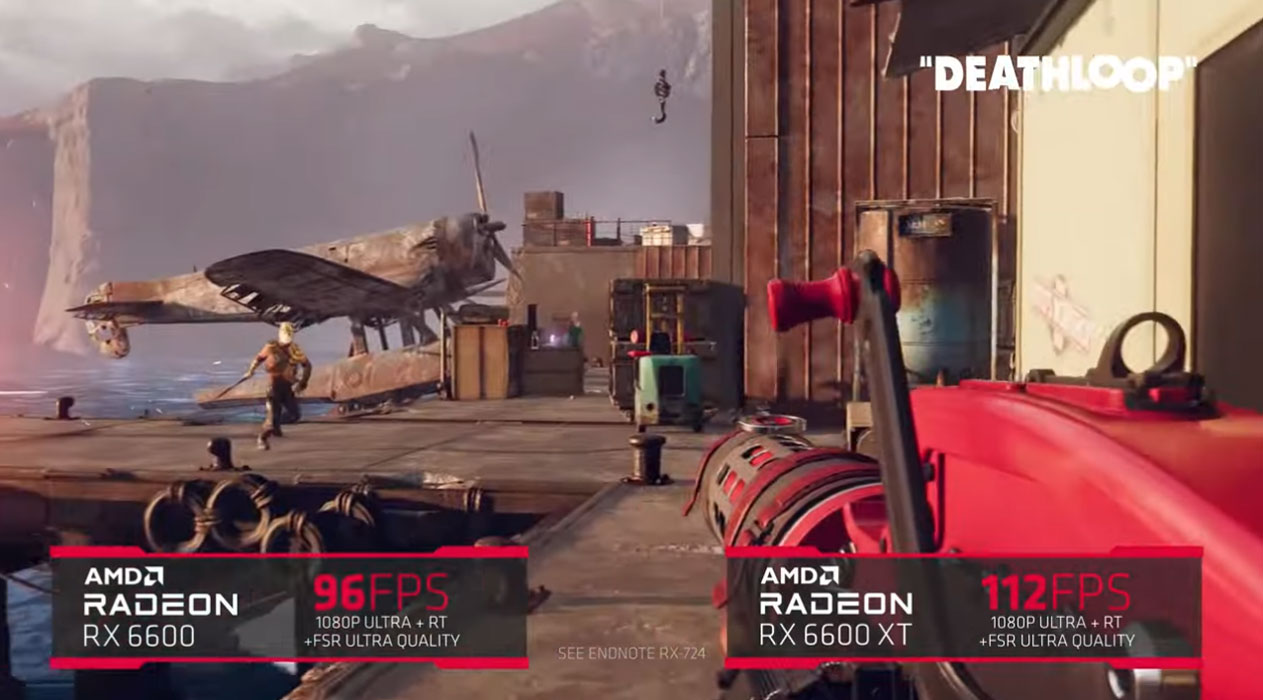
In real-world testing, the RX 6600 consistently hits the mark for 1080p gaming. While ray tracing performance is present, it is a secondary feature; the card excels at pure rasterization. For titles that support AMD’s FidelityFX Super Resolution (FSR), the card can push frame rates significantly higher, often making it viable for entry-level 1440p gaming in less demanding titles.
Official Responses and Partner Ecosystem
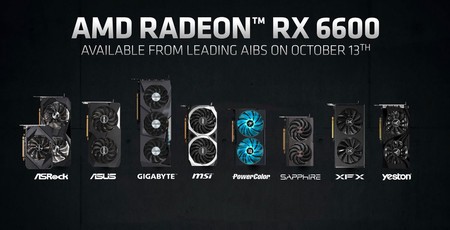
AMD has mobilized a massive network of board partners to ensure the RX 6600 reaches the market immediately. The launch lineup includes cards from major manufacturers such as ASRock, Asus, Gigabyte, MSI, PowerColor, Sapphire, XFX, and Yeston.
The diversity of the partner lineup is notable. Consumers can find everything from minimalist, single-fan designs to enthusiast-grade, overclocked triple-fan cards with custom RGB lighting. AMD’s strategy here is clear: by allowing partners to recycle the high-end cooling solutions developed for the 6600 XT, they have lowered the barrier to entry for production, allowing for a wider variety of SKUs to hit retail shelves concurrently.
Implications: The Market Landscape
The launch of the RX 6600 arrives at a critical juncture for the GPU market. With global silicon shortages impacting availability, the "actual" price of these cards at retail often deviates from the MSRP. However, the arrival of the RX 6600 provides a necessary supply injection for the mid-range segment.
Competition with Nvidia
The rivalry between the RX 6600 and the RTX 3060 is emblematic of the current "Red vs. Green" battle. While Nvidia continues to lean on its software stack (DLSS and specialized ray tracing cores) as a primary selling point, AMD is betting on raw efficiency and a highly optimized RDNA2 architecture that provides excellent value for traditional gaming.
Future Rumors: The RTX 3050 and Beyond
The release of the RX 6600 has already sparked speculation regarding Nvidia’s next move. Industry chatter suggests that Nvidia may be preparing to respond with a desktop version of the GeForce RTX 3050 or 3050 Ti. Rumors point toward these cards potentially featuring higher VRAM quotas (up to 6GB or 12GB of GDDR6), which would be a direct attempt to undercut the value proposition of AMD’s lower-tier RDNA2 offerings.
The Consumer Perspective
For the average consumer, the choice between these cards has become increasingly complex. The "luxury of choice" is limited by stock availability and regional pricing fluctuations. However, for those who manage to secure an RX 6600 at or near the suggested retail price, the card represents a highly competent, power-efficient, and reliable solution for the vast majority of gaming workloads today.
As we look toward the remainder of the year, the impact of the RX 6600 will likely be felt most in the pre-built desktop market. System integrators favor the 132W power requirement, as it allows for smaller power supplies and less expensive cooling solutions, ultimately driving down the total cost of ownership for a gaming PC.
Final Thoughts: Is the RX 6600 Right for You?
If your gaming horizon is limited to 1080p at high refresh rates, the Radeon RX 6600 is currently one of the most balanced options on the market. It manages to balance the performance-per-watt metric in a way that few cards in this generation have achieved.
While it lacks the sheer ray-tracing brute force of the higher-end 6800 or 6900 series, its focus is sharp and its delivery is consistent. It is a card designed for the "now"—a capable, quiet, and efficient piece of hardware that understands the current needs of the mid-range gamer. Whether you are upgrading from an older generation card or building your first rig, the RX 6600 demands to be on your shortlist. As the market continues to evolve, AMD has successfully planted its flag in the mid-range, ensuring that the RDNA2 legacy remains relevant for years to come.