Sagoh
Sagoh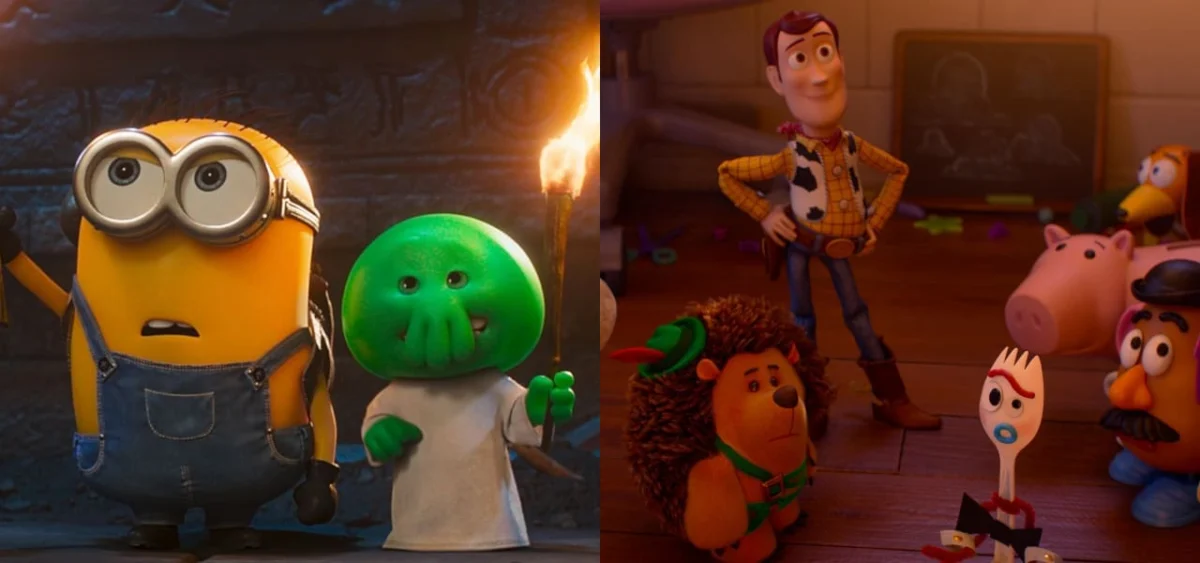
By Industry Correspondent
The 2026 summer theatrical landscape has reached a pivotal inflection point, confirming a trend that many analysts had only cautiously predicted: animation has firmly reclaimed its status as the most reliable engine of global box office revenue. Over the recent Fourth of July weekend, the top two spots on the global charts were held exclusively by animated features, signaling a profound shift in consumer appetite as audiences pivot away from traditional live-action tentpoles in favor of high-quality, character-driven animation.
The State of the Global Box Office: A July 4th Overview
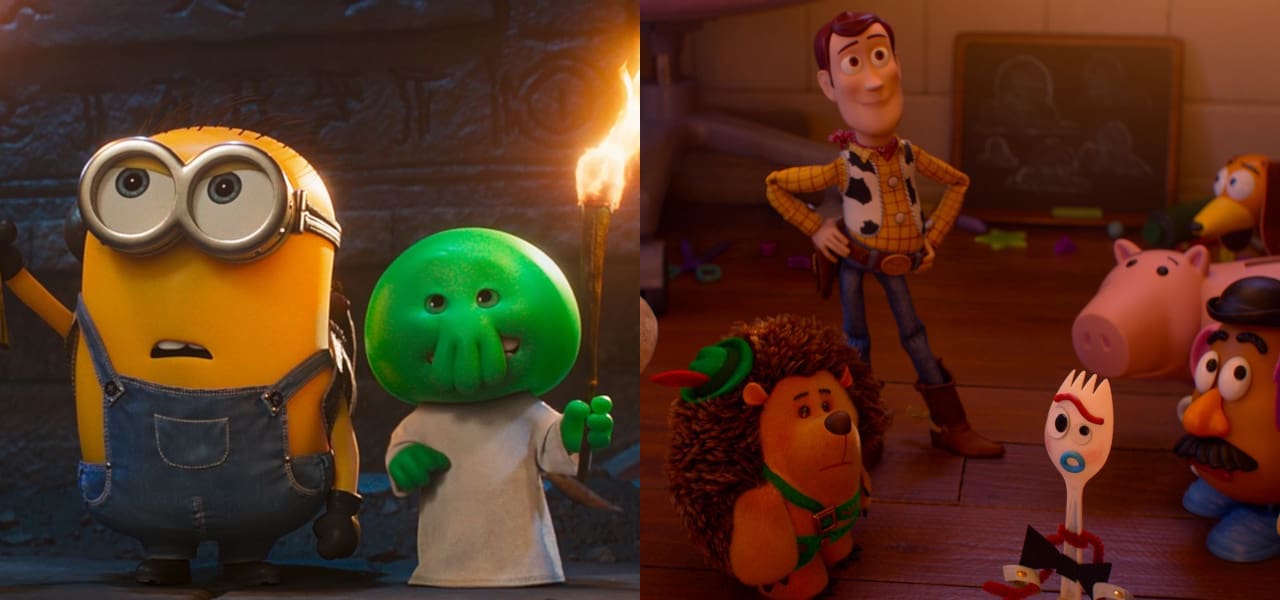
According to industry data from Comscore, the weekend was defined by a massive $221 million collective haul from two powerhouses: Universal and Illumination’s Minions & Monsters and Disney/Pixar’s Toy Story 5.
Minions & Monsters, the latest installment in the juggernaut Despicable Me franchise, captured the top position with a robust $121.4 million global opening. While trade publications have noted that this represents the smallest opening weekend in the franchise’s storied history, the film’s performance nonetheless underscores the enduring cultural gravity of the Minions.
Following closely behind, Pixar’s Toy Story 5 continued its remarkable run, pulling in $100.3 million in its third weekend of release. The film has now crossed the $764 million mark globally, cementing its place as one of the most successful animated features of the decade.
A Detailed Chronology of the Summer Surge
The trajectory of the 2026 box office did not happen in a vacuum. To understand the current dominance of these two films, one must look at the staggered release strategies employed by the studios.
The International "Soft Launch" Strategy
Minions & Monsters utilized a staggered release strategy, bowing in select overseas territories one week prior to its North American debut. By the time it arrived in U.S. theaters, it had already begun building critical momentum.
The North American Independence Day Push
By the time the holiday weekend arrived, the domestic market was primed. Minions & Monsters secured $36.4 million domestically, while Toy Story 5 held onto a massive share of the family demographic. For the first five days of its domestic release, the Illumination title grossed $61.4 million.
The Third-Weekend "Long Tail"
Toy Story 5, directed by industry titans Andrew Stanton and McKenna Harris, has demonstrated exceptional "legs." Despite the arrival of new competition, its domestic cumulative gross reached $366.3 million by the end of this weekend. The film’s ability to sustain such high numbers in its third week is a testament to the strong word-of-mouth and the "must-see" nature of the Pixar brand.
Supporting Data: By the Numbers
The economic reality of the 2026 summer season is best viewed through the raw data provided by Comscore and studio reporting.
| Film | Weekend Global Gross | Domestic Total | Global Cumulative |
|---|---|---|---|
| Minions & Monsters | $121.4 Million | $36.4 Million | $159.9 Million |
| Toy Story 5 | $100.3 Million | $31 Million | $764.3 Million |
Note: The figures for ‘Minions & Monsters’ include international markets and five-day North American totals.
The success of these films is not merely a matter of brand recognition; it is a matter of reach. Minions & Monsters opened across 72 international markets, a logistical feat that highlights the global infrastructure Universal Pictures has spent over a decade cultivating. Pixar’s international performance of $69.3 million during the same frame demonstrates that even in its third week, Toy Story 5 remains a top-tier priority for international exhibitors.
Industry Implications: The "Nostalgia Fatigue" Factor
Perhaps the most significant takeaway from the July 4th weekend is the apparent "nostalgia fatigue" setting in among general audiences regarding live-action blockbusters. For several years, the industry relied heavily on live-action reboots and sequels, which have seen diminishing returns throughout 2026.
In contrast, animated features—even those within long-running franchises—are perceived as "event" cinema. They offer a level of visual spectacle and narrative consistency that audiences feel they can trust.
The Shift Toward Animation as a Premium Experience
Analysts are pointing to the quality of animation in 2026 as a key driver. With advancements in real-time rendering and stylized aesthetics, the visual language of modern animation is distancing itself from the "uncanny valley" that often plagues live-action CGI.
"Audiences are exhausted by the generic, assembly-line feel of some recent live-action franchises," says one lead analyst. "When they go to a theater, they want a distinct visual experience. Animation is currently providing that in a way that live-action is failing to do."
.png)
Official Responses and Studio Strategy
While studio executives are typically cautious about commenting on opening weekend figures until the full global rollout is complete, the sentiment from Universal and Disney is one of quiet confidence.
Universal, in particular, views the "smaller" opening of Minions & Monsters as a non-issue. The studio’s strategy has always prioritized longevity over short-term spikes. By keeping the budget lean relative to live-action counterparts and banking on the global "Despicable Empire" brand, Universal is positioned to see a high return on investment regardless of the opening weekend records.
For Disney, Toy Story 5 represents a validation of their return-to-theaters strategy. After years of experimenting with day-and-date streaming releases, the massive $764 million global total proves that audiences will still show up for tentpole animated films on the biggest screen possible.
Looking Forward: What the Future Holds
As we look toward the remainder of the 2026 summer, the dominance of these two films suggests that the "Animation Summer" is far from over. Smaller independent animated features and mid-budget studio projects are now looking at a landscape where the "family audience" is actively engaged and looking for content.
The primary question for exhibitors now is sustainability. Can the momentum generated by Minions and Toy Story carry the industry through the late summer slump, or will the absence of a third major animated title leave a void in the market?
Industry insiders suggest that the success of these two films will likely lead to an even greater investment in animated pipelines by major studios. If animation can continue to outperform live-action in a crowded, high-stakes market, we may see a fundamental restructuring of studio release calendars in 2027 and beyond.
Conclusion
The July 4th weekend of 2026 will be remembered as the moment the tides turned. While live-action cinema struggles to find its footing in a post-nostalgia landscape, the medium of animation is thriving. With over $221 million generated by two animated giants in a single weekend, the message to Hollywood is clear: if you give audiences high-quality, emotionally resonant, and visually stunning animation, they will fill the theaters—regardless of the season, the date, or the competition.
As Minions & Monsters continues its international rollout and Toy Story 5 heads toward the billion-dollar milestone, the industry is left with a clear blueprint for the future of theatrical distribution. Animation is not just a genre; in 2026, it is the bedrock of the global box office.

 Nana Wu
 Neng Nana