

Introduction: A New Contender in the Ego-Perspective Arena
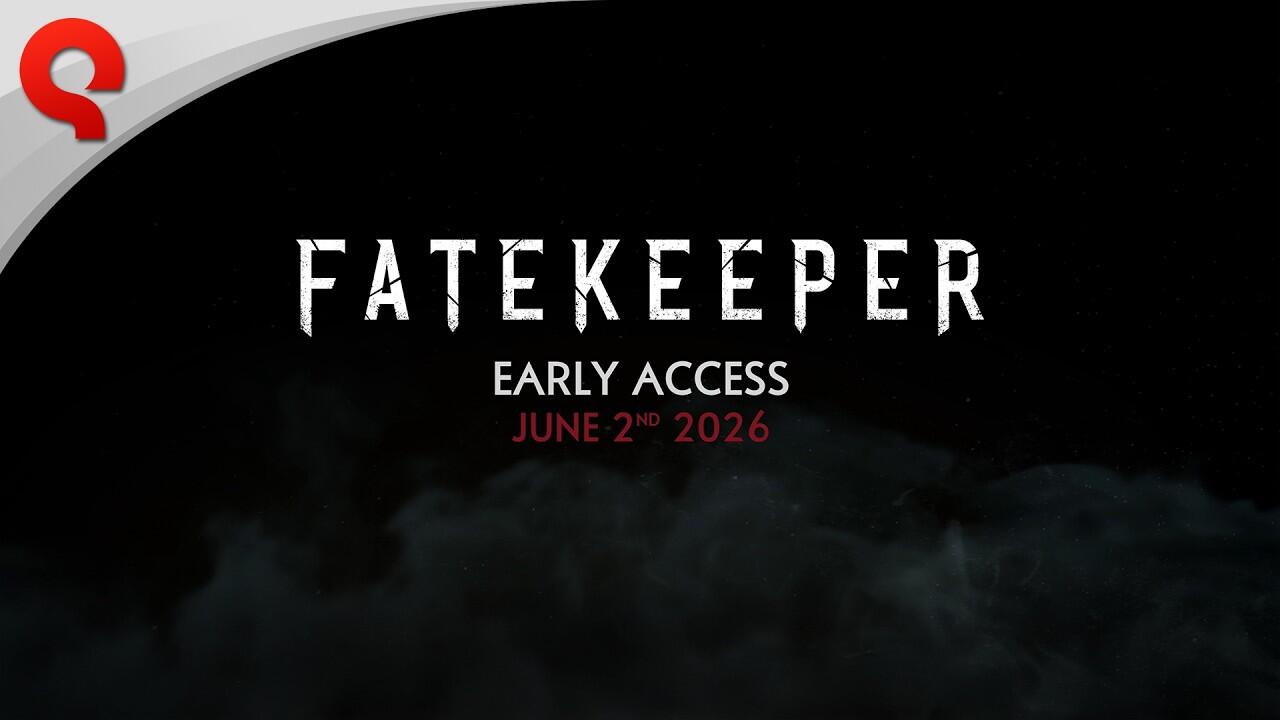
The landscape of dark fantasy action role-playing games (ARPGs) is set to receive a compelling, albeit mysterious, addition. Fatekeeper, an ambitious project developed by the German studio Paraglacial—a subsidiary of the Austrian publishing giant THQ Nordic—has officially set its sights on a public release. Following months of speculation and a growing buzz within the hardcore gaming community, the developers have confirmed that the title will enter Early Access on Steam on June 2nd.
This project promises a visceral, first-person experience that blends swordplay with arcane magic. While the team remains relatively small, their ambition is anything but, aiming to capture the atmospheric tension of classics like Dark Messiah of Might and Magic while integrating the expansive exploration found in modern titans like The Elder Scrolls V: Skyrim.
The Chronology of Development
The trajectory of Fatekeeper has been marked by steady, deliberate growth. When the game was first unveiled to the public in the summer of 2025, it was spearheaded by a lean team of ten developers. At the time, the announcement was met with cautious optimism; in an industry dominated by massive AAA studios with hundreds of employees, a small team taking on a complex, first-person RPG was seen as a bold gamble.
However, the months following the announcement revealed a strategic expansion. Recent reports indicate that the team size has increased to 13 dedicated members. This growth, while modest by industry standards, reflects a commitment to polishing the core mechanics of the game. Throughout the latter half of 2025 and the early months of 2026, the studio maintained a focused silence, broken only by the occasional gameplay trailer that ignited significant interest on platforms like YouTube. Fans were quick to praise the gritty, blood-soaked combat mechanics and the oppressive, atmospheric world-building, leading to a burgeoning "cult following" status even before the game reached a playable state.
Core Gameplay: Sword, Sorcery, and Strategy
At its heart, Fatekeeper is designed to be a high-stakes, first-person experience. The gameplay loop centers on a delicate balance between melee prowess and magical ability. Unlike some RPGs that allow players to "brute force" through encounters, the footage released by Paraglacial suggests a system that rewards timing, spatial awareness, and resource management.
Hand-Crafted Worlds vs. Procedural Ambition
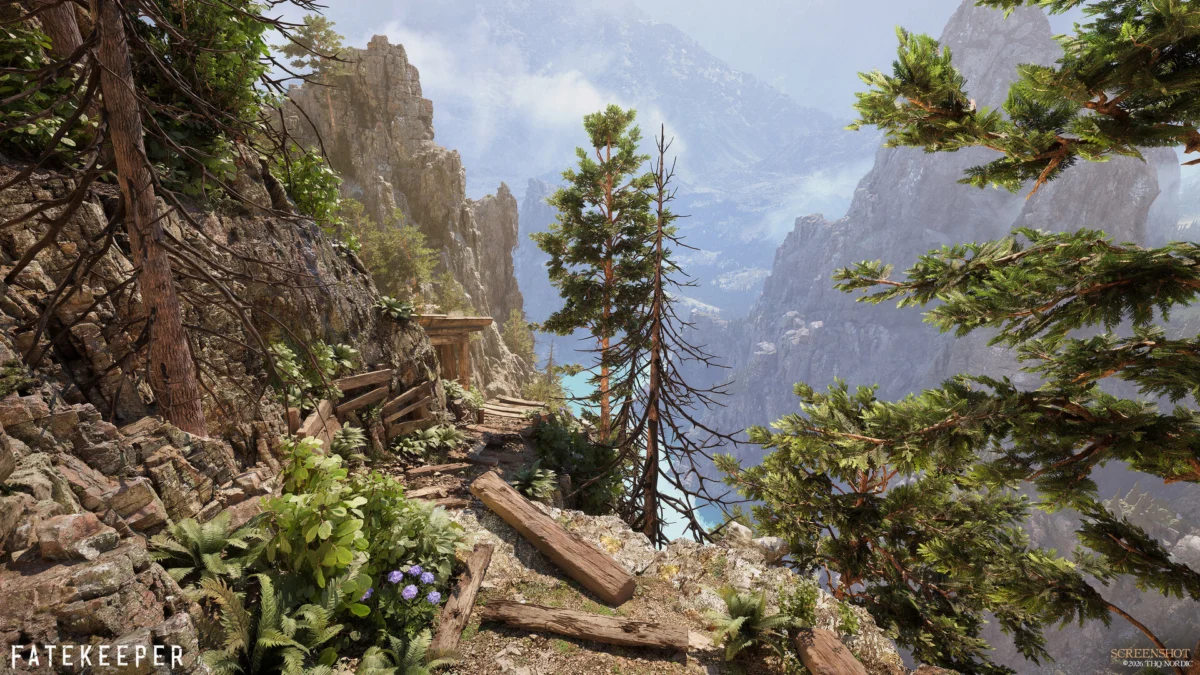
One of the most notable features highlighted on the official Steam store page is the emphasis on a "hand-crafted world." In an era where procedural generation is often used to mask a lack of narrative depth, Paraglacial is positioning Fatekeeper as a title that prioritizes environmental storytelling. The developers have teased that the game’s ruins are not mere background textures; they are intended to be narrative vessels that tell the history of "past catastrophes."

The game is structured to offer a duality of experience:
- Linear Narrative: Players can engage with a structured, story-driven campaign that guides them through the world’s lore and primary conflicts.
- Open Exploration: For those who prefer to deviate from the beaten path, the world is designed to encourage free-roaming, rewarding curious players with secrets, loot, and lore that might be missed during a traditional playthrough.
Character Customization and Progression
True to the genre’s roots, Fatekeeper offers a deep character development system. Players are not locked into a single playstyle; rather, they are encouraged to experiment with various equipment loadouts and ability trees. Whether a player prefers the visceral impact of a heavy blade or the tactical utility of elemental magic, the game allows for a personalized progression path. This flexibility is expected to be a cornerstone of the Early Access period, as the developers look to balance these systems based on player feedback.

System Requirements and Technical Considerations
As the June 2nd Early Access launch approaches, the technical requirements for the game have sparked some discussion among hardware enthusiasts. Paraglacial has provided a set of specifications that are, for the time being, marked as preliminary.
The Hardware Debate
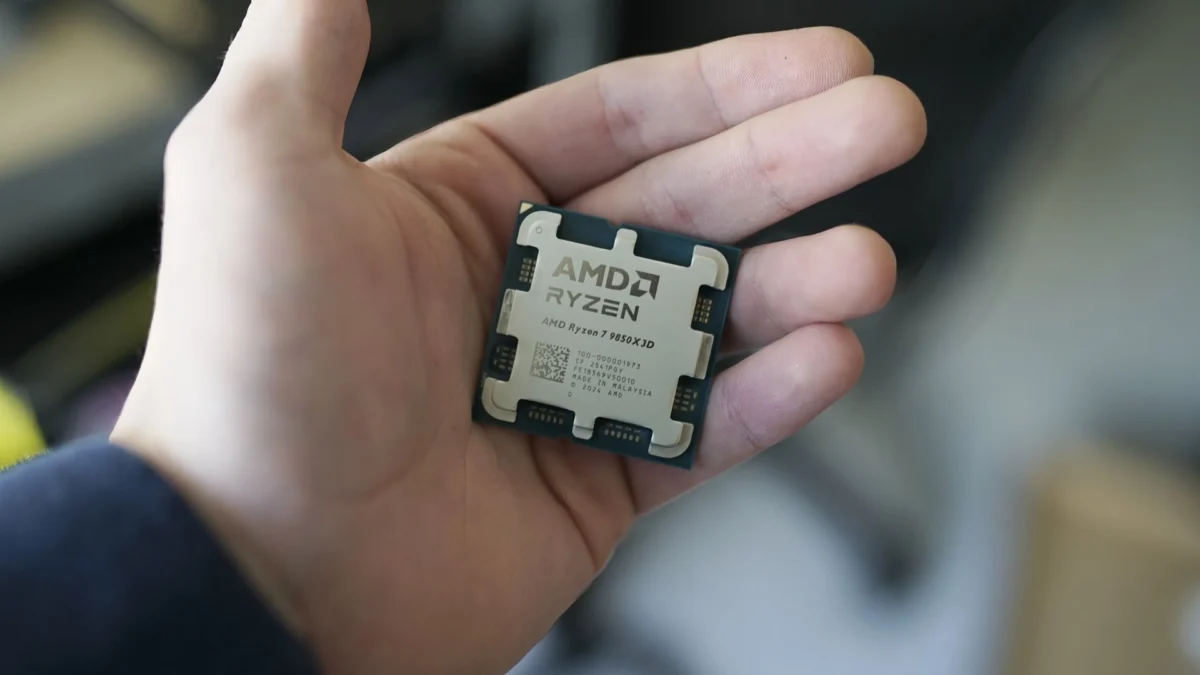
The current list of requirements presents an interesting anomaly. The CPU and GPU requirements are notably moderate, suggesting that the game may be well-optimized for a broad range of mid-tier gaming rigs. However, the recommended RAM stands at 32 GB—a significantly higher figure than what is standard for most modern titles. This has led to speculation that the game may rely heavily on streaming large, detailed assets into memory, or that the engine is still undergoing optimization phases that require more "breathing room" for the hardware.

Furthermore, the listed storage requirement of 20 GB is remarkably low by contemporary standards. This suggests a highly compressed architecture, though whether this represents the final footprint of the game remains to be seen as more content is added throughout the development cycle.
Official Stances and Community Expectations
THQ Nordic’s involvement provides a crucial safety net for Paraglacial. Being under the wing of such a prominent publisher grants the small team access to marketing resources, quality assurance testing, and logistical support that they would likely lack as an independent entity.

The studio has maintained a transparent, albeit sparse, line of communication. Their primary message to the community is one of managed expectations. By labeling the June 2nd release as an "Early Access" phase, they are signaling that Fatekeeper is a work in progress. They are actively seeking feedback on the combat feel, the balance of the magic system, and the overall performance of the game world.
Implications for the RPG Genre
Fatekeeper represents a specific trend in the industry: the rise of the "mid-sized" project. As AAA development costs skyrocket and indie titles continue to iterate on 2D or stylized 3D aesthetics, there is a clear appetite for high-fidelity, first-person action RPGs that do not require the resources of a five-year, $200 million development cycle.

If Fatekeeper succeeds, it could serve as a blueprint for other small teams. By leveraging the power of modern engines (like Unreal or Unity) and focusing on a core, high-impact gameplay loop, developers can create experiences that stand toe-to-toe with genre staples. However, the risk is equally high. The comparisons to Dark Messiah and Skyrim set an incredibly high bar. If the combat feels clunky or the world feels empty, the community’s high expectations could lead to a swift and harsh reaction.
Looking Ahead: The Road to June
As we move closer to the June 2nd launch, the gaming community will be watching closely for two things:

- Polished Performance: Can the team deliver a stable experience that justifies the 32 GB RAM recommendation?
- Depth of Content: Will the "hand-crafted" world feel alive, or will it suffer from the "wide as an ocean, deep as a puddle" syndrome that often plagues ambitious RPGs?
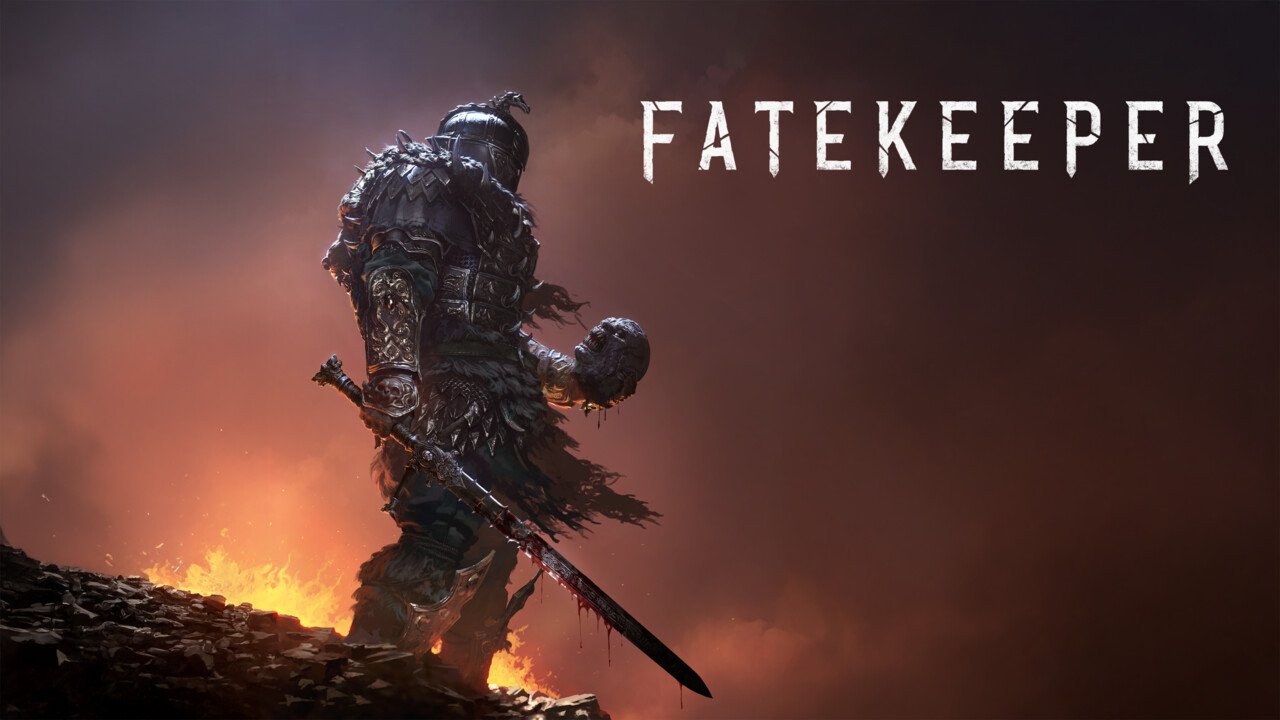
The blood-splattered, dark fantasy aesthetic is undeniably appealing. The combat, as shown in previous trailers, has a weight and impact that feels distinctly satisfying. If Paraglacial can marry this kinetic action with a compelling narrative and a world that feels truly lived-in, Fatekeeper may well become the dark horse of the 2026 gaming calendar.
For now, the countdown has begun. On June 2nd, the gates to this new fantasy world will open, and the players—not the developers—will finally be the ones to decide the fate of Fatekeeper. Whether it becomes a classic of the genre or a cautionary tale of over-ambition, one thing is certain: the eyes of the RPG community are firmly fixed on this small, determined team from Germany.










No comments yet. Be the first to join the conversation!