

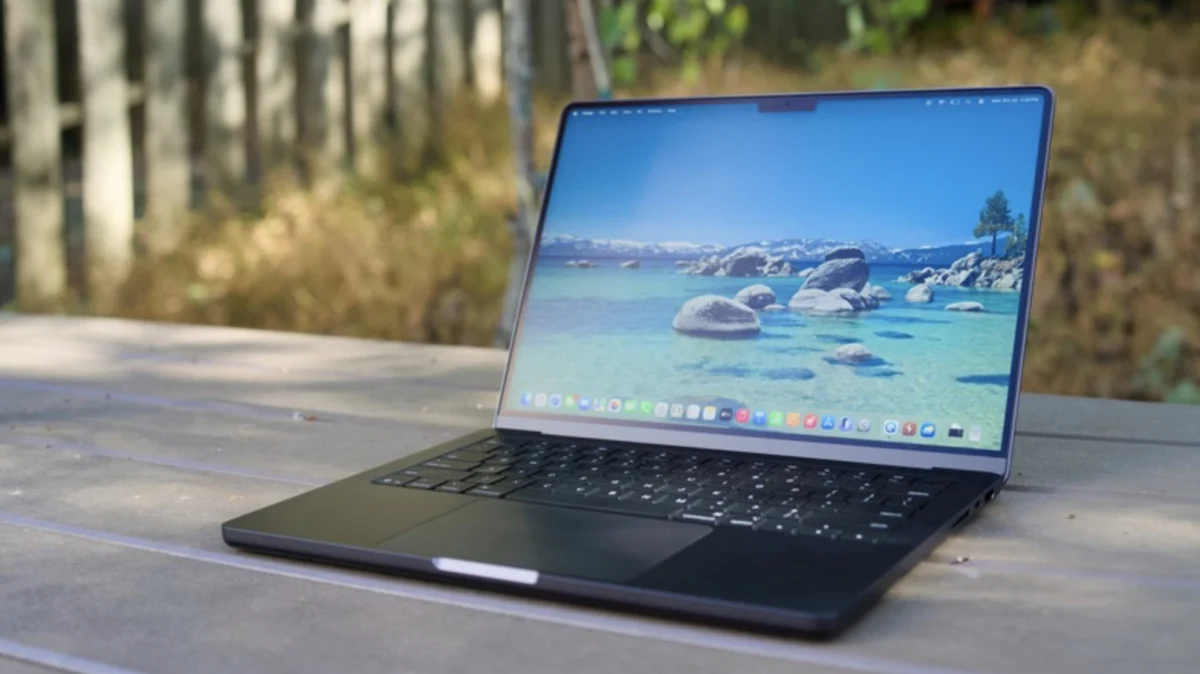
The first half of 2027 is shaping up to be one of the most transformative periods in Apple’s recent history. According to fresh reporting from Mark Gurman at Bloomberg, the Cupertino-based tech giant is preparing a comprehensive refresh of its core hardware lineup. From a long-awaited visual overhaul of the entry-level MacBook Pro to the introduction of groundbreaking touchscreen interfaces and a potential leapfrog in silicon architecture, Apple is signaling that it is not content to rest on its laurels.
As the tech industry pivots toward a future dominated by AI integration and versatile computing, these upcoming product releases are not merely iterative updates; they represent a strategic realignment of Apple’s hardware ecosystem.
Main Facts: What to Expect in Early 2027
The core of the upcoming announcement cycle centers on three distinct pillars: the entry-level MacBook Pro, the iPad Pro refresh, and the expansion of the iPhone 18 family.
The MacBook Pro Visual Overhaul
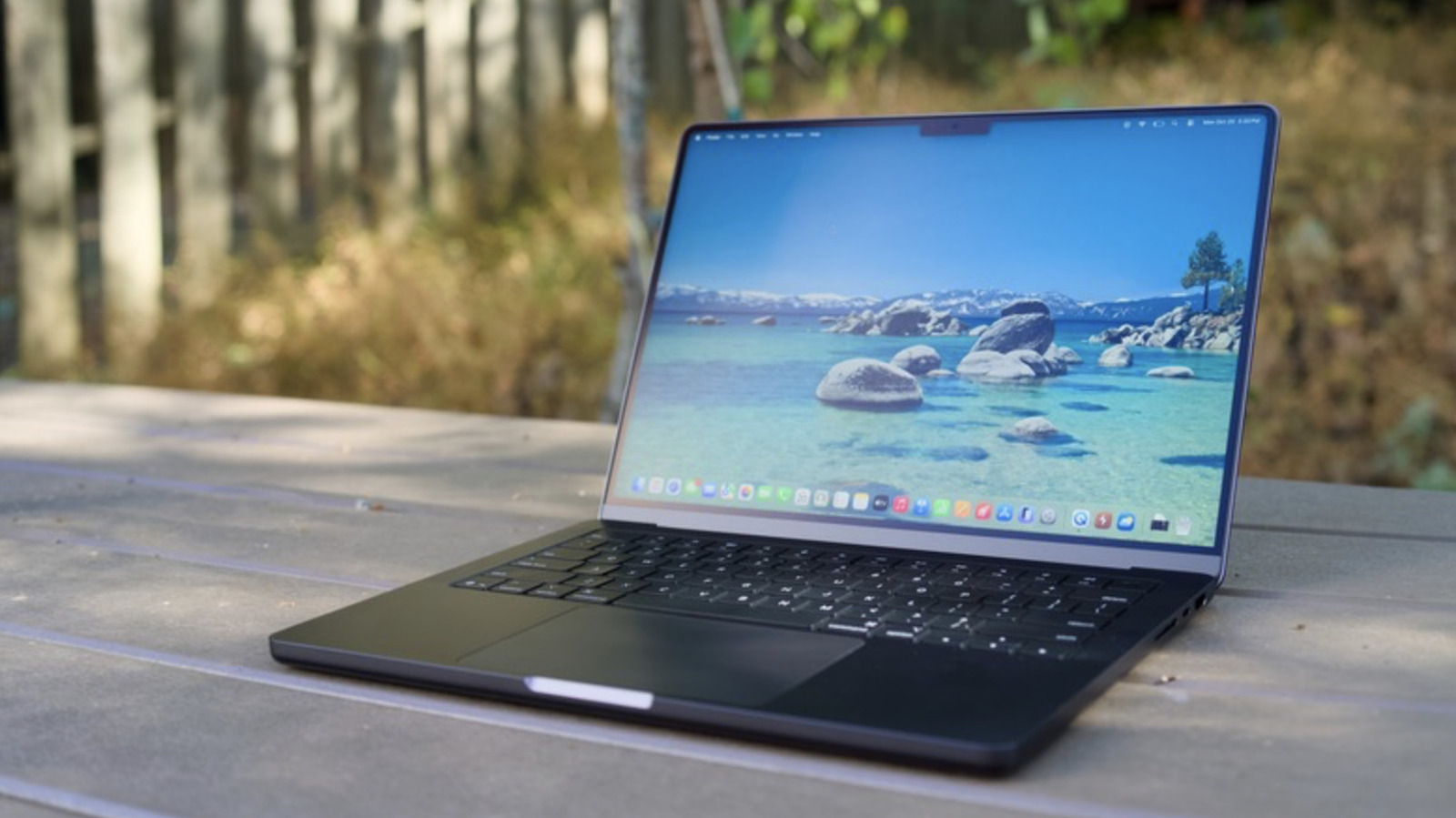
Perhaps the most significant news for the professional-leaning, entry-level demographic is the planned redesign of the 14-inch MacBook Pro. For years, the baseline MacBook Pro has occupied a unique middle ground, often sharing design language with its predecessors while benefiting from internal chip upgrades. Reports suggest that the 2027 model will move away from this conservative approach, adopting a design aesthetic that aligns with the high-end M7-powered machines slated for the following autumn. This visual uniformity suggests that Apple is looking to unify the "Pro" brand, ensuring that entry-level users feel as though they are wielding the same premium technology as those in the creative and enterprise sectors.
The Touchscreen Revolution
Rumors that have persisted since the M6 generation are finally coalescing into reality. Apple is reportedly moving forward with its plans for a touchscreen MacBook. By integrating touch interfaces into the macOS environment, Apple is effectively bridging the gap between its iPad and Mac product lines, a move that critics and enthusiasts have debated for over a decade.
iPad Pro Performance Focus
While the exterior design of the iPad Pro is expected to remain largely consistent—retaining the 11-inch and 13-inch form factors—the internal hardware is undergoing a significant overhaul. Sources indicate that Apple is currently testing four distinct iPad Pro configurations, all aimed at pushing the boundaries of tablet-based performance. These updates are likely geared toward supporting the increasingly heavy computational loads required by advanced creative software and on-device machine learning tasks.
Chronology: A Season of Constant Innovation
Apple has spent the last several years refining its "Spring Event" cadence. Historically, the company used spring announcements to fill gaps in its portfolio, but in recent years, this period has evolved into a powerhouse season of its own.
- Spring 2026: This was the watershed moment. The debut of the "MacBook Neo," alongside the economically positioned iPhone 17e, redefined how consumers interact with the Apple ecosystem. It proved that Apple could sustain high levels of interest in the first half of the year, independent of its traditional fall iPhone event.
- The Transition Period (Late 2026): Throughout the latter half of 2026, industry insiders noted a shift in supply chain activity, pointing toward an aggressive push for next-generation silicon.
- Spring 2027 (The Target): This window is now viewed as the primary launchpad for the next generation of portable computing. With the potential arrival of the iPhone 18 base model and an updated iPhone Air, the spring of 2027 promises to be a condensed, high-impact release cycle.
Supporting Data: The Silicon Leap
The most intriguing technical rumor involves the M7 silicon. While the industry was braced for an incremental M6 Pro and Max release, whispers suggest that Apple may skip this iteration entirely to jump straight to the M7 architecture.
Why M7 Matters
If Apple skips the M6 Pro/Max branding, it signals a massive shift in manufacturing efficiency or architectural breakthrough. The M7 chip is expected to be built on a significantly smaller node, likely delivering a higher performance-per-watt ratio that allows for the implementation of the aforementioned touchscreen capabilities without sacrificing battery life.
The iPhone 18 and iPhone Air
The iPhone 18 series is expected to serve as the standard-bearer for Apple’s 2027 mobile strategy. Alongside it, the second-generation iPhone Air will likely solidify its place in the market. By introducing a second camera module to the Air, Apple is addressing the primary consumer complaint regarding the original device, potentially making it the most attractive "middle-ground" phone in the company’s history.
Official Responses and Corporate Strategy
As is standard policy, Apple has declined to comment on these reports. The company maintains a "no comment" stance on unreleased products. However, the internal culture at Apple, as described by those familiar with the company’s operations, is one of intense preparation for a unified user experience.
The focus on "Pro" parity—ensuring the entry-level MacBook Pro matches the aesthetic and capability of the flagship models—is a clear response to market saturation. As consumers hold onto their devices for longer periods, Apple must offer compelling reasons to upgrade. By aligning the design of all Pro models, they are creating a cohesive identity that appeals to a broader range of professionals.
Implications: The Future of the Apple Ecosystem
The integration of touchscreen technology into the MacBook line represents the most significant shift in Apple’s design philosophy since the introduction of the Apple Silicon transition in 2020.
1. The Blurring of Product Lines
For years, Apple maintained a strict separation between the iPad (the touch-first, mobile device) and the Mac (the keyboard-first, productivity device). By bringing touch to the MacBook, Apple is implicitly acknowledging that modern work flows have evolved. Whether this leads to a full convergence of macOS and iPadOS remains to be seen, but the hardware barrier is certainly falling.
2. Market Impact
The move to consolidate the entry-level MacBook Pro’s design with the high-end machines will likely force competitors to rethink their own "budget-pro" laptops. Apple has a history of setting industry standards; when they move toward a more premium look and feel for their entry-level devices, the mid-range market often follows suit.
3. Sustainability and Longevity
The pivot to M7 silicon is also a statement about longevity. By offering hardware that is clearly ahead of current software requirements, Apple is ensuring that the 2027 fleet of devices will remain relevant for 5 to 7 years. This is a critical factor for enterprise clients who view their hardware purchases as long-term capital investments.
4. Competitive Pressure
The rumored updates to the iPad Pro line are likely a direct response to the increasing capability of desktop-class tablets from other manufacturers. Apple cannot afford to let its tablet lead slip, especially as the line between professional work and mobile content creation continues to erode.
Conclusion
As we look toward the spring of 2027, the narrative surrounding Apple is one of calculated ambition. By refreshing the MacBook Pro, introducing touch-enabled computing to the Mac lineup, and pushing forward with the M7 silicon transition, Apple is not just reacting to market trends—it is attempting to define the next era of personal computing.
Whether these devices will successfully bridge the gap between casual users and creative professionals remains to be seen. However, if history is any indicator, Apple’s ability to execute on these complex hardware transitions will likely set the tone for the industry for the remainder of the decade. Consumers, analysts, and competitors alike will be watching closely as the first half of 2027 approaches, waiting to see if these ambitious plans translate into the polished reality that the Apple brand has built its reputation upon.











