

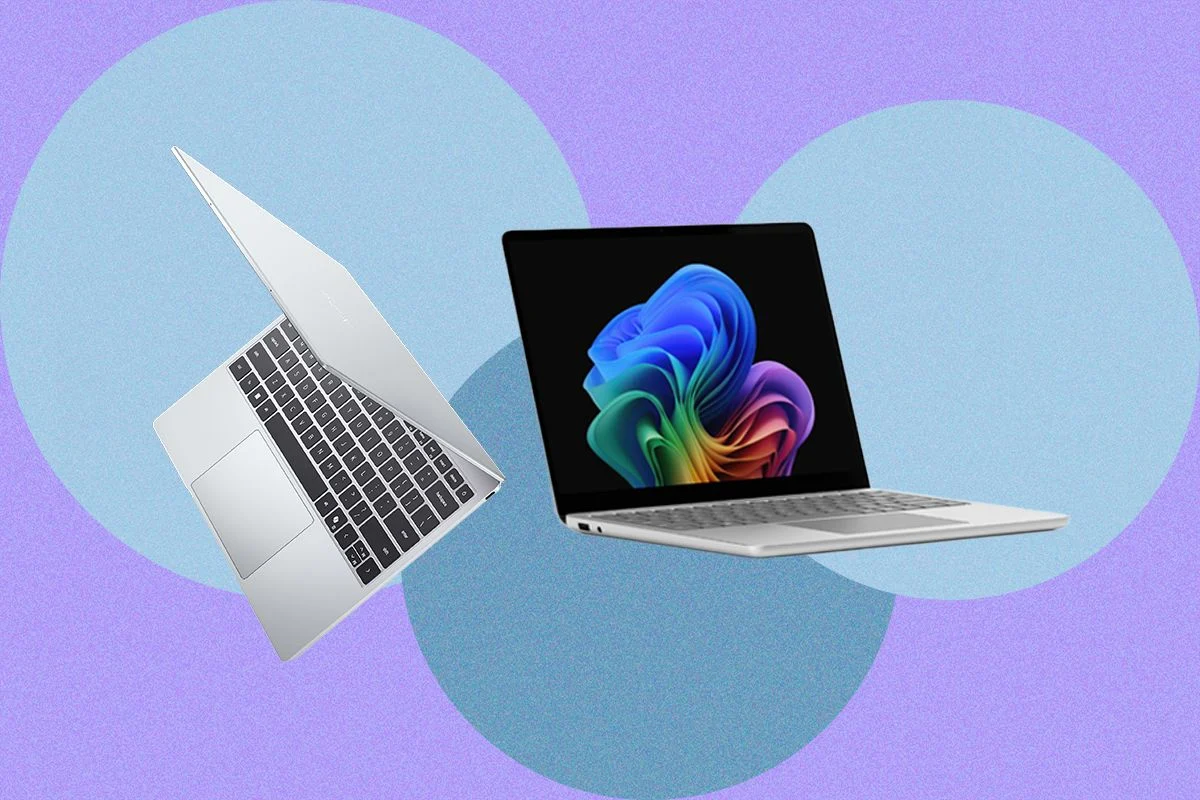
The introduction of the MacBook Neo sent a seismic shockwave through the personal computing landscape. By breaking the $600 price barrier, Apple didn’t just release a new product; it effectively redefined the floor for premium laptop hardware. For years, the Windows ecosystem relied on a delicate balance of specs and pricing, but Apple’s move—leveraging a $599 price point—has forced competitors into a reactive posture that is fundamentally altering how modern laptops are built, marketed, and sold.
The Catalyst: A Boulder in a Still Pond
The MacBook Neo was more than a hardware release; it was a strategic masterstroke that targeted a demographic previously ignored by the high-end market: users who demand premium industrial design and display quality but lack the professional workflow requirements that justify a $1,200 price tag.
However, this accessibility came with a controversial trade-off: a base configuration featuring a mere 8 GB of RAM. While tech enthusiasts and power users immediately criticized the decision, citing 16 GB as the necessary baseline for 2026, the market reality is far more complex. Driven by a global memory shortage that has crippled supply chains, manufacturers are finding themselves between a rock and a hard place. Apple’s decision to limit memory while maintaining the "premium" aesthetic has effectively set a new, albeit controversial, standard for the entry-tier segment.
A Chronology of the Shift
The transition toward "premium-lite" hardware has unfolded rapidly over the last eighteen months:
- Early 2026: The global memory supply chain hits a bottleneck, driving costs for high-capacity DDR5 modules to record highs.
- Spring 2026: Apple launches the MacBook Neo, opting for a highly optimized, custom silicon architecture that prioritizes efficiency over raw overhead, effectively masking the limitations of 8 GB of RAM for general users.
- Late Spring 2026: Dell pivots its strategy, aligning the XPS 13 design language with the Neo’s "premium-affordable" aesthetic, keeping the 8 GB entry point to hit a competitive $699 price tag.
- Mid-2026: Microsoft announces its "Surface for Business" lineup, sparking debate by introducing an 8 GB base model for the 13-inch Surface Laptop—a move viewed by many analysts as a regression from previous generational standards.
- Present Day: Qualcomm enters the fray with the "Snapdragon C" series, signaling a push for sub-$400 Windows machines, further intensifying the battle for the budget-conscious buyer.
Supporting Data: The Cost of Compromise
To understand why companies are cutting memory, one must look at the bill of materials. The modern laptop is no longer just a collection of parts; it is an exercise in resource allocation. When a company like Dell or Microsoft decides to hit a $599 or $699 price point, they must sacrifice somewhere.
%20052026%20SOURCE%20Microsoft.jpg)
The new Dell XPS 13 is a case study in deliberate trade-offs. It retains the signature aluminum chassis and a high-end 2560 x 1600 IPS display with a 120 Hz refresh rate—specs that effectively neutralize the MacBook Neo’s visual advantage. To fund this, the internal hardware is scaled back: an Intel Core 5 processor (distinct from the more powerful Ultra series) and the aforementioned 8 GB of RAM.
While competitors like HP and Lenovo have opted for a different path—offering 16 GB of RAM and more powerful chips in plastic-heavy, utilitarian chassis—they fail to capture the "premium feel" that the Neo and the new XPS 13 prioritize. This creates a bifurcated market: the "Performance Value" segment (HP/Lenovo) versus the "Premium-Lite" segment (Apple/Dell).
The Microsoft Conundrum
Microsoft’s recent trajectory stands in stark contrast to its peers. With the announcement of the 13-inch Surface Laptop for Business, the company has signaled a shift that has left industry observers puzzled.
The 13.8-inch Surface model remains a powerhouse, maintaining the 16 GB baseline and the latest Intel Core Ultra X7 368H Panther Lake processor. However, the smaller 13-inch sibling, slated for release later this year, starts at $1,200 while still restricting the base model to 8 GB of RAM. Unlike Dell, which uses the 8 GB limit to reach a lower price, Microsoft appears to be applying it to a mid-to-high-tier device.
Industry analysts suggest this is a "generational downgrade." By attempting to maintain high profit margins while succumbing to the supply-chain-induced memory shortage, Microsoft risks alienating its core user base. If the upcoming consumer Surface Laptop 8 similarly launches with 8 GB as the standard, it will confirm that Redmond is chasing Apple’s hardware-limiting strategy without the benefit of the deep vertical integration that makes Apple’s OS so efficient on limited memory.

Implications: A Market in Flux
The ripple effects of this "memory squeeze" are profound.
1. The Death of the "Good Enough" Mid-Range
As manufacturers push the limits of what an 8 GB machine can handle, the distinct line between "budget" and "premium" is blurring. Buyers are now forced to decide between beautiful, sleek devices with limited multitasking capabilities, or clunkier, powerful machines that don’t offer the same tactile satisfaction.
2. The Rise of ARM and Snapdragon
Qualcomm’s introduction of the Snapdragon C chip is the next phase of this war. By targeting a $300 price point, Qualcomm is attempting to undercut the entire "Premium-Lite" debate by simply changing the math. If a $300 laptop can provide a decent browsing and document-editing experience, the justification for a $600 machine with 8 GB of RAM becomes much harder to defend.
3. Sustainability and Longevity
The most significant long-term implication is the impact on device longevity. A laptop with 8 GB of RAM in 2026 is, for many power users, already approaching obsolescence. As software, web browsers, and background processes grow more memory-intensive, these "premium" 8 GB machines may find their utility window significantly shortened compared to their 16 GB predecessors.
The Road Ahead
As we look toward the remainder of the year, particularly with Microsoft’s Build conference on the horizon, the industry remains in a state of hyper-competition. The diversity of the Windows ecosystem remains its greatest asset. While Apple’s MacBook Neo provided the spark, the fire it ignited is spreading in unpredictable directions.

Some companies, like Dell, are leaning into the design-led approach, betting that consumers prioritize a beautiful screen and sturdy chassis over raw multitasking headroom. Others, like HP, are betting on the utilitarian value of higher specs. Meanwhile, Microsoft finds itself in a precarious position, attempting to balance legacy pricing with a shifting supply chain landscape.
For the consumer, the takeaway is clear: the era of "one-size-fits-all" hardware is over. Whether you value the aesthetic, the raw performance, or the rock-bottom price, the market is currently offering a vast, if somewhat confusing, array of choices. The "Great Memory Squeeze" has forced manufacturers to show their true colors, and for the first time in years, the choice between buying a laptop and investing in a computing tool has never been more consequential. Strap in—the competition is only just beginning.












No comments yet. Be the first to join the conversation!