

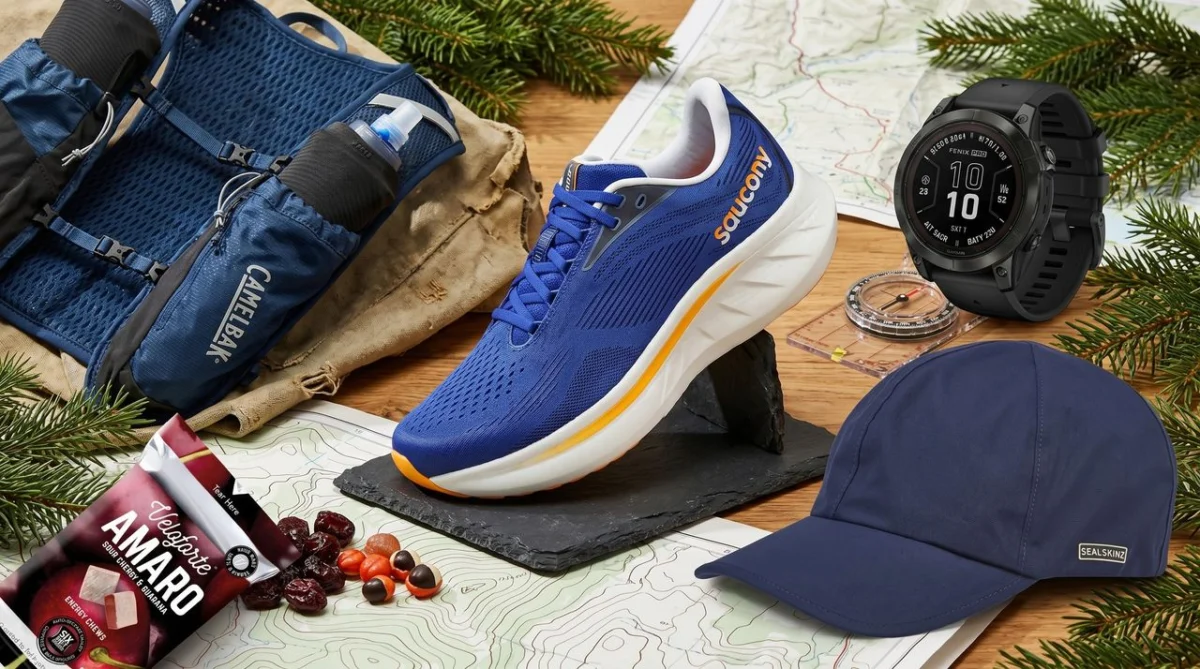
For the modern runner, the barrier to entry has never been lower, yet the barrier to entry-level decision making has never been higher. A decade ago, a pair of trainers and a stopwatch were the only prerequisites for a workout. Today, the running industry is a multi-billion-dollar juggernaut, bombarding enthusiasts with carbon-plated super shoes, biometric sensors, and hydration systems that look more like flight-deck hardware than athletic apparel.
As a UK Athletics running coach and ultra-marathoner who has guided over 100 athletes—from nervous first-timers taking their maiden steps to seasoned veterans tackling 100-mile endurance challenges—I have witnessed this paradigm shift firsthand. Perhaps the most surprising aspect of my coaching tenure is that I have become an unofficial, on-call consultant for gear. My athletes are overwhelmed, and rightfully so. When every advertisement promises a "personal best" and every influencer touts the latest "essential" upgrade, how does one discern the signal from the noise?
The Paradox of Choice in Modern Athletics
The current market is saturated with choice. While innovation has undoubtedly improved the comfort and longevity of our gear, it has also introduced a paradox: more options lead to decision fatigue. Athletes frequently approach me with the same anxieties: Which shoe will prevent injury? Which watch provides the most accurate data? How do I choose a vest that doesn’t chafe or bounce?
My response is always the same: Performance is not purchased; it is earned. While high-end gear can provide marginal gains and improved comfort, the most important piece of equipment you own is your commitment to the training plan. However, that does not mean all kit is created equal. Through thousands of miles of road, trail, and mountain terrain—including 250km treks across Tanzania and competitive ultra-marathon podiums—I have learned that the best gear is often the least conspicuous. It is the equipment that disappears, allowing you to focus entirely on the rhythm of your breath and the path ahead.
Chronology of a Runner’s Kit Evolution
To understand how we select gear, it helps to look at the developmental arc of a runner. This evolution typically follows a predictable trajectory:
- The Novice Phase (Weeks 1-12): Focus is on comfort and injury prevention. The priority here is a "neutral" shoe that fits correctly, simple moisture-wicking apparel, and a reliable way to track time. Most beginners over-spend on technology they don’t yet need.
- The Habit-Building Phase (Months 3-12): The runner begins to notice the limitations of basic kit. This is when issues like "runner’s toe," chafing, or the lack of hydration options arise. This is the stage where quality technical apparel (socks, base layers) becomes a necessity rather than a luxury.
- The Endurance Transition (Year 1+): As distances increase, the runner moves into the "technical" realm. This involves hydration vests, high-capacity GPS watches with long battery life, and specialized nutrition strategies.
- The Veteran Phase: At this stage, the runner has curated a "survival kit." They no longer chase the newest trends; they rely on pieces of gear that have survived hundreds of wash cycles, mountain rainstorms, and grueling ultra-distance events.
Data-Driven Decisions: What Matters Most?
When I evaluate gear for my clients or for professional publications, I look past the marketing gloss. I rely on three core pillars: Durability, Ergonomics, and Utility.
1. Durability (The "Cost-per-Mile" Metric)
While a £200 pair of shoes might seem excessive, if they last 500 miles, the cost per mile is significantly lower than a cheap pair that loses its cushioning after 150 miles. I look for high-abrasion rubber outsoles and reinforced stitching in high-friction areas.
2. Ergonomics (The "Invisible" Factor)
The best gear is the kind you forget you are wearing. Whether it is a hydration vest that hugs the torso without restricting lung expansion or socks that lock the heel in place to prevent blisters, ergonomics is the difference between a successful long run and a DNF (Did Not Finish).
3. Utility (The "Multipurpose" Standard)
In an era of hyper-specialization, I champion gear that performs multiple roles. Can your jacket double as a windbreaker for cycling? Can your running watch track your sleep and recovery metrics alongside your GPS coordinates? The more versatile the tool, the higher its value in your long-term kit rotation.
Official Perspectives: The Industry vs. The Athlete
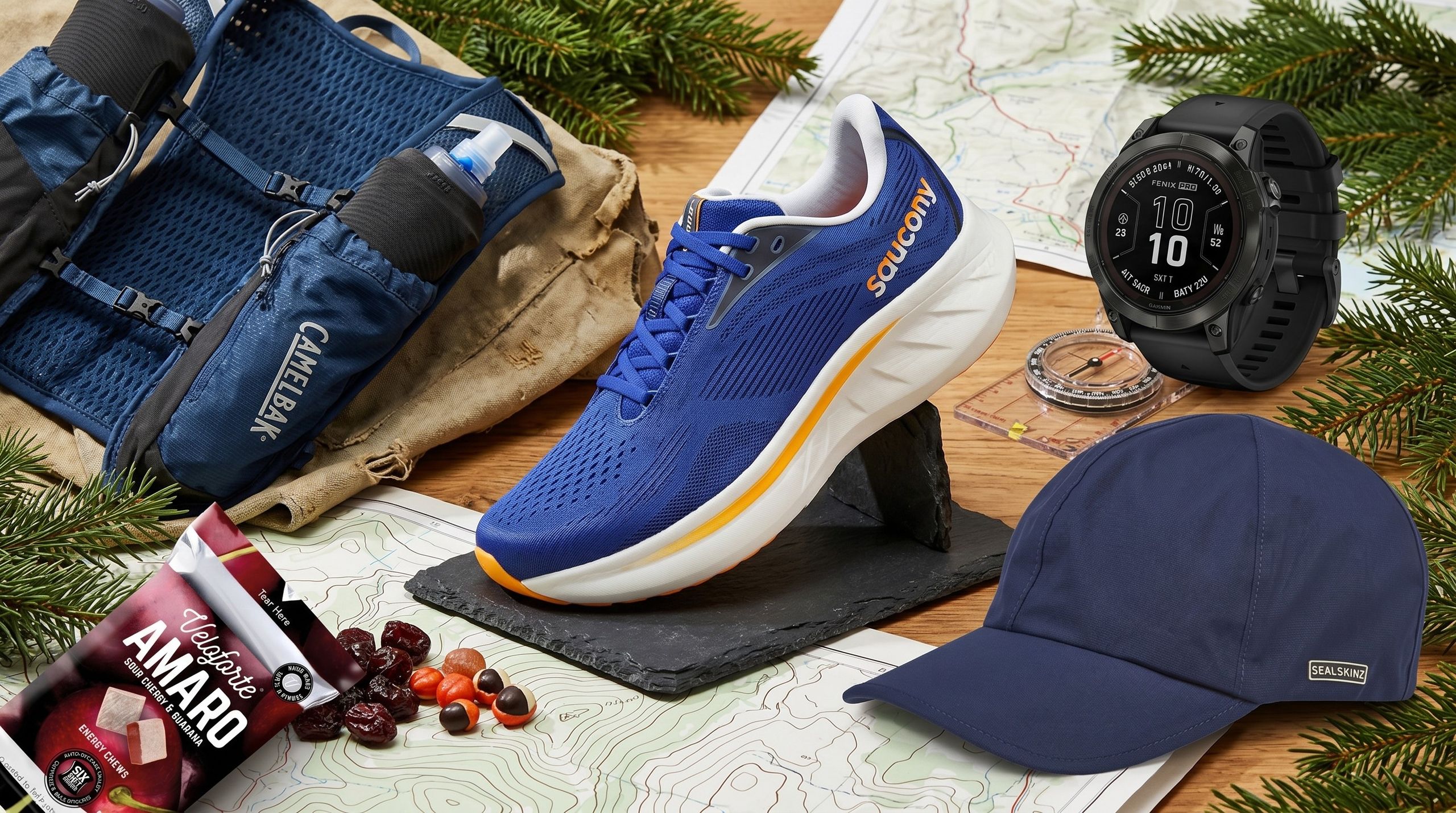
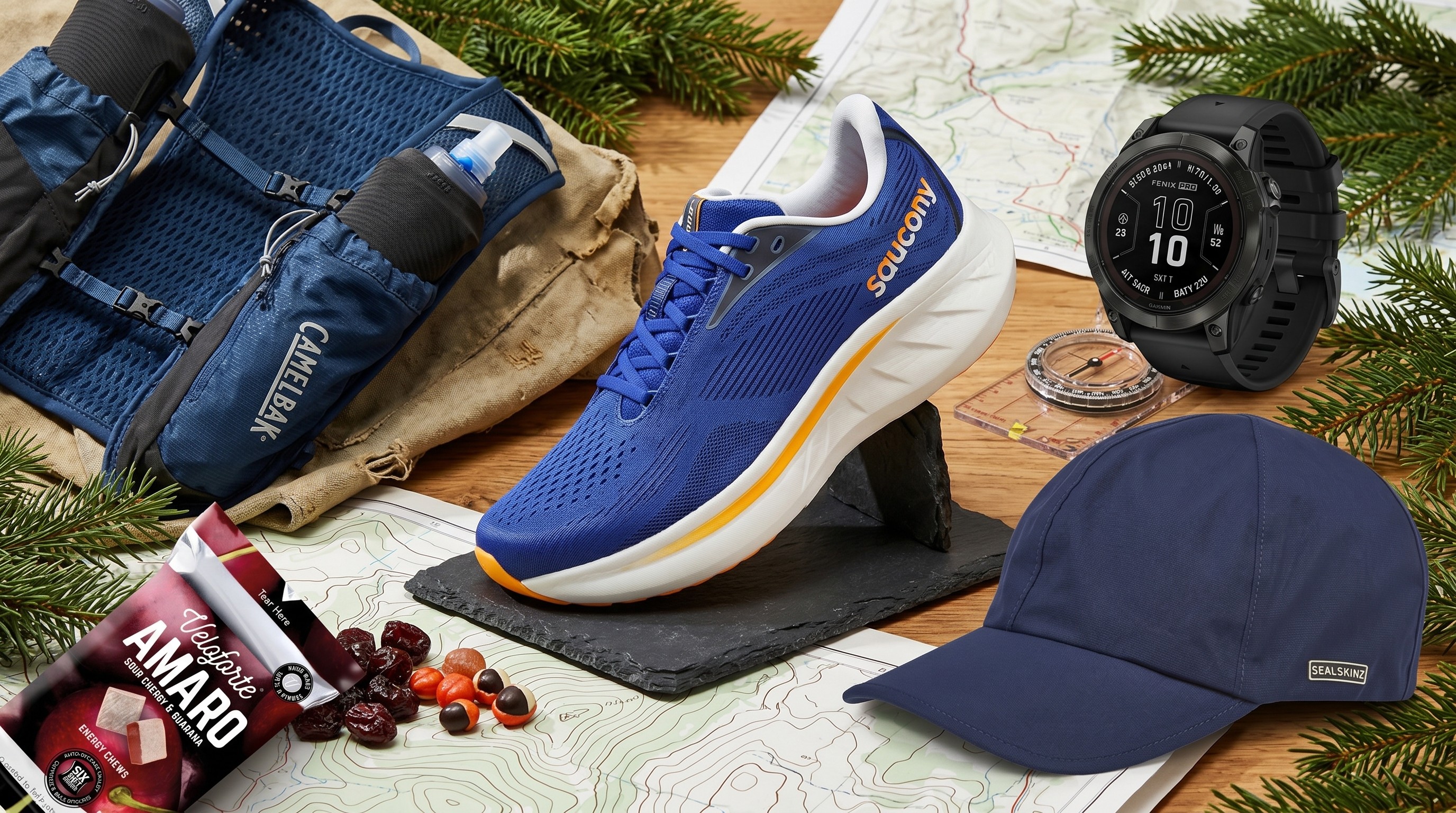
Industry giants like Saucony, CamelBak, and Garmin often dictate the standards of the sport. Their research and development departments spend millions on biomechanical studies and material science. However, there is often a disconnect between the "Lab-Tested" performance and "Trail-Tested" reality.
For instance, a watch might feature a dozen advanced metrics, but if the interface is too complex to navigate with sweaty fingers in the middle of a rainstorm, it fails the athlete. Similarly, a shoe might have a world-record-breaking foam, but if the heel counter is too stiff for the average runner’s anatomy, it becomes a liability. My role as a coach is to bridge this gap, helping athletes interpret what is actually necessary for their specific goals versus what is simply "feature-bloat."
The Implications: Moving Toward Mindful Consumption
The implication of our current consumer culture is that many runners are spending money on "solutions" for problems they haven’t yet encountered. By shifting the focus toward a "tried and tested" methodology, we can achieve several outcomes:
- Financial Sustainability: By resisting the urge to buy the latest "must-have" gear every season, runners can allocate more budget to coaching, race entries, or professional gait analysis.
- Environmental Responsibility: The running apparel industry is a significant contributor to textile waste. Investing in high-quality, long-lasting gear rather than "fast fashion" running kit is a small but meaningful step toward more sustainable athletic habits.
- Psychological Clarity: When you trust your gear, you remove a layer of mental friction. Knowing your pack won’t bounce and your shoes won’t slip allows you to enter a "flow state" more easily.
Curating Your Permanent Kit
As you build your own collection, remember that my list of favorites includes items that are often fraying, stained, or permanently smelling of mud—and that is a badge of honor. A piece of gear that has been through 500 miles of training is worth ten pieces of pristine, store-bought equipment.
When you look at your gear, ask yourself three questions:
- Does this solve a specific problem I am currently facing?
- Is this the most durable version of this product I can afford?
- Will this still be in my rotation in two years?
If the answer to all three is "yes," you are making an investment in your longevity as a runner.
The sport of running is fundamentally simple. We strip away the complexities of modern life to find peace in the repetition of a stride. Do not let the complexity of the equipment obscure the simplicity of the act. Invest wisely, train consistently, and keep your focus on the road—or the trail—ahead. Your kit should be a quiet partner in your journey, not the primary focus of it.
Whether you are aiming for your first 5K or your tenth 100-miler, remember: the best gear is the stuff that survives the test of time, the elements, and your own ambition. Everything else is just packaging.












No comments yet. Be the first to join the conversation!