

As temperatures across the country climb into the triple digits, the quest for a restorative night’s sleep has become increasingly difficult. For many, the bedroom has transformed from a sanctuary into a sweltering furnace, making the choice of sleep surface more critical than ever. While air conditioning provides a baseline of comfort, the mattress itself plays a pivotal role in thermal regulation.
In light of the ongoing heatwaves, industry experts are highlighting the efficacy of hybrid mattress technology—specifically models like the Saatva Memory Foam Hybrid—as a vital tool in managing body temperature. With the 4th of July mattress sales currently drawing to a close, consumers are being urged to consider how advanced materials can mitigate the impact of rising nighttime temperatures.
The Science of Sleep and Thermal Regulation
The relationship between core body temperature and sleep quality is well-documented by sleep scientists. To fall asleep and remain in deep, restorative stages of slumber, the human body needs to drop its internal temperature by approximately two to three degrees Fahrenheit. When ambient bedroom temperatures remain high, or when a mattress traps body heat, the body struggles to reach this cooling threshold, leading to fragmented sleep, increased tossing and turning, and the dreaded "night sweats."
Traditional memory foam mattresses, while lauded for their pressure-relieving qualities, have historically faced criticism for their heat-retention properties. The dense, closed-cell structure of early-generation foams acted like an insulator, trapping heat rather than dissipating it. However, the current landscape of mattress engineering has shifted significantly toward "breathable architecture," utilizing hybrid designs that combine the contouring benefits of foam with the airflow advantages of coil-based support systems.
Chronology of a Heatwave: Testing the Saatva Memory Foam Hybrid
The recent evaluation of the Saatva Memory Foam Hybrid was conducted under the most rigorous conditions possible: a confluence of personal night sweats and a regional heatwave. This "double-whammy" provided a real-world testing environment that laboratory settings often struggle to replicate.
Phase 1: Initial Integration
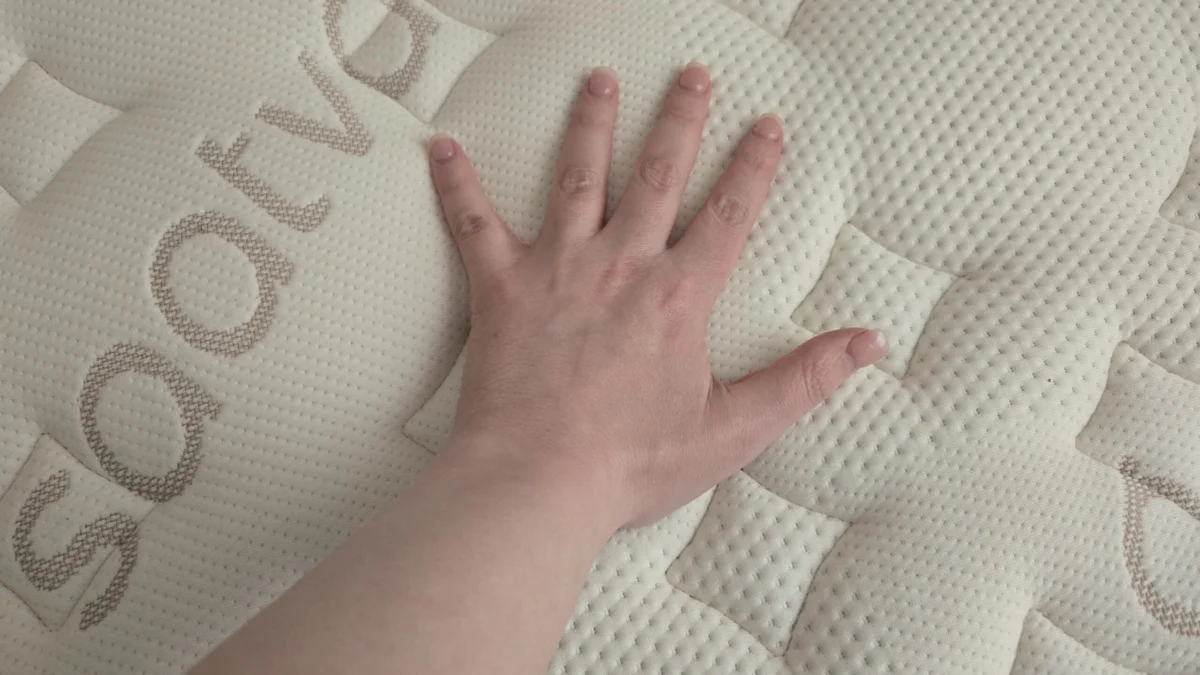
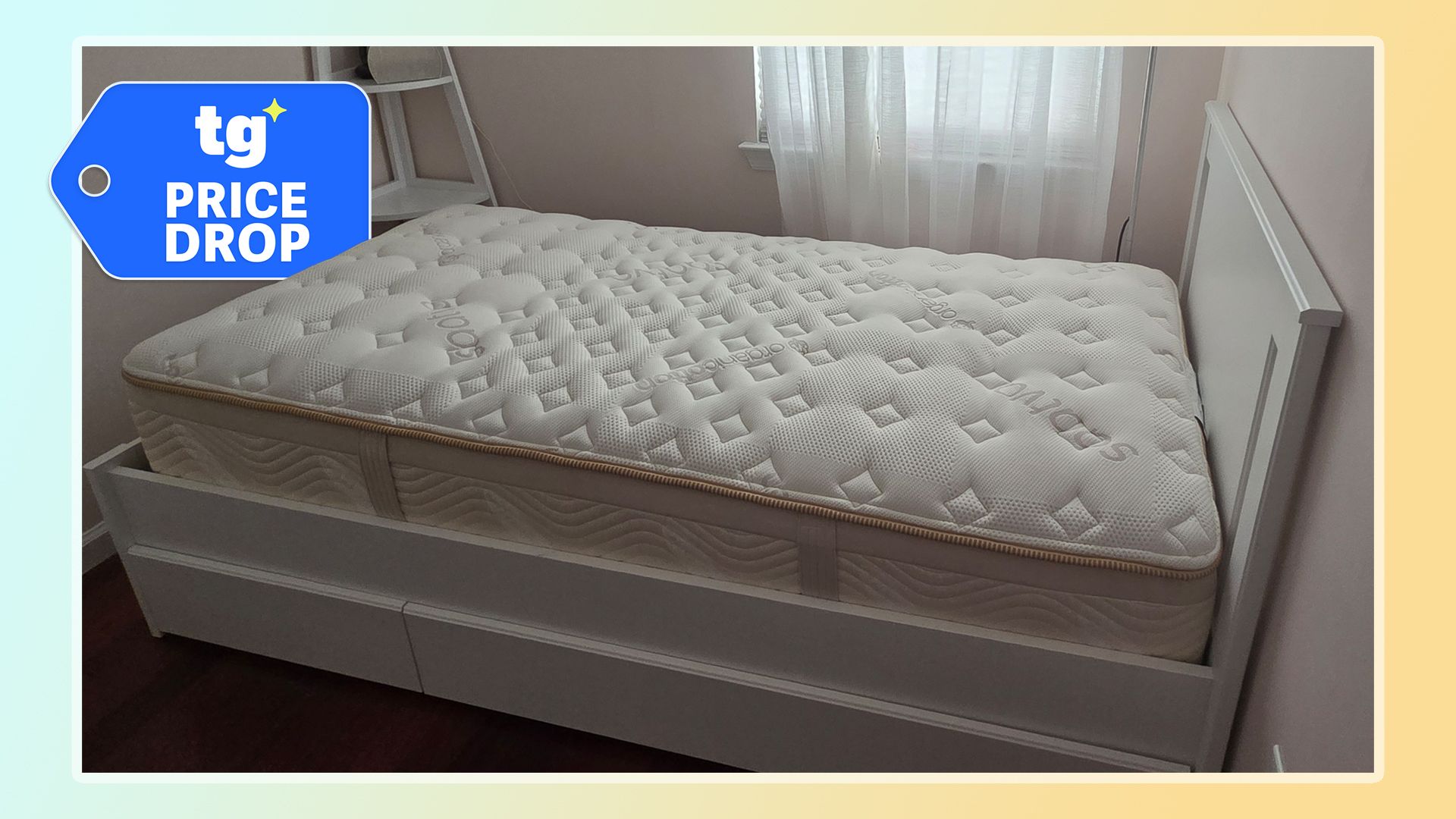
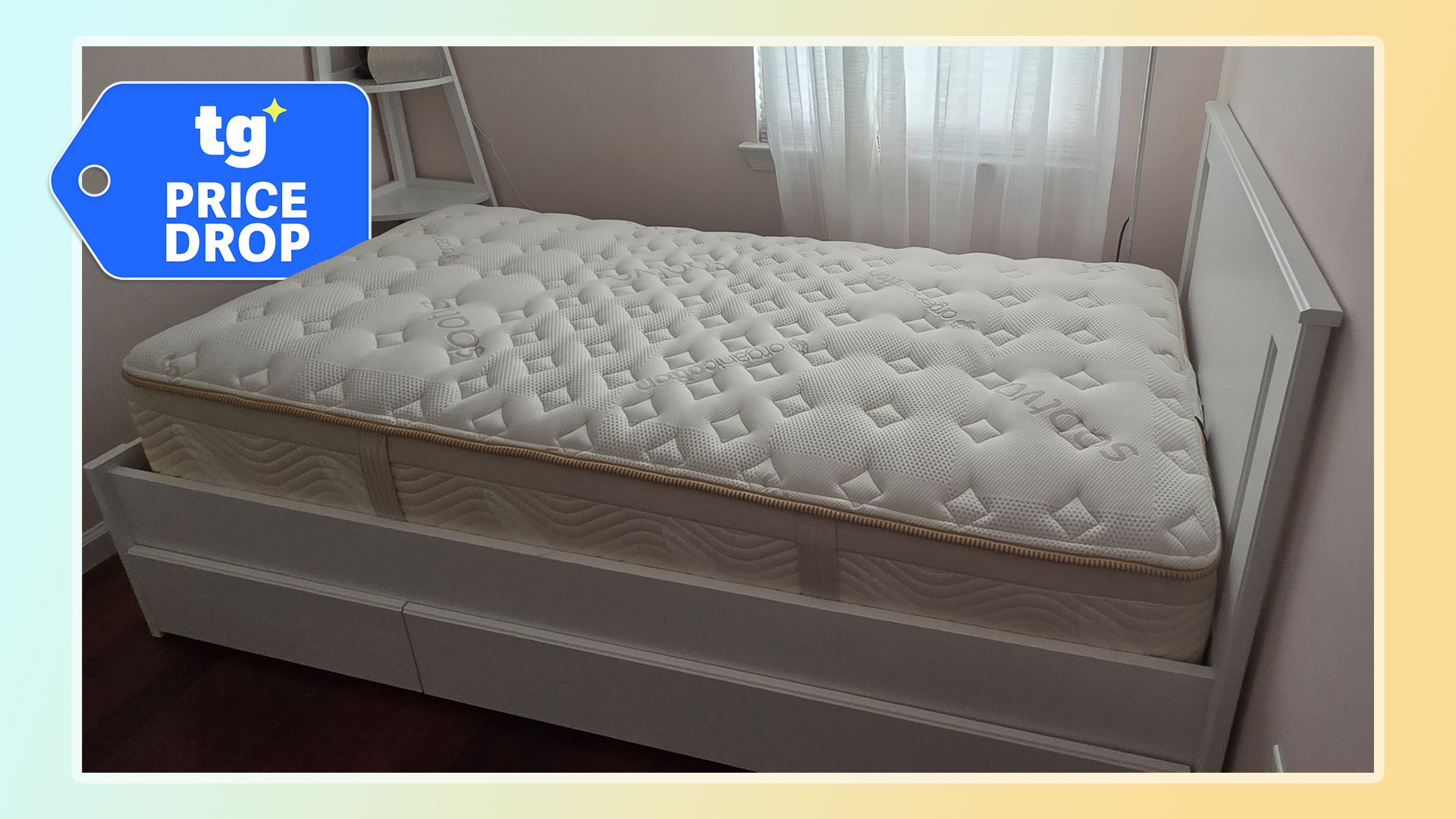
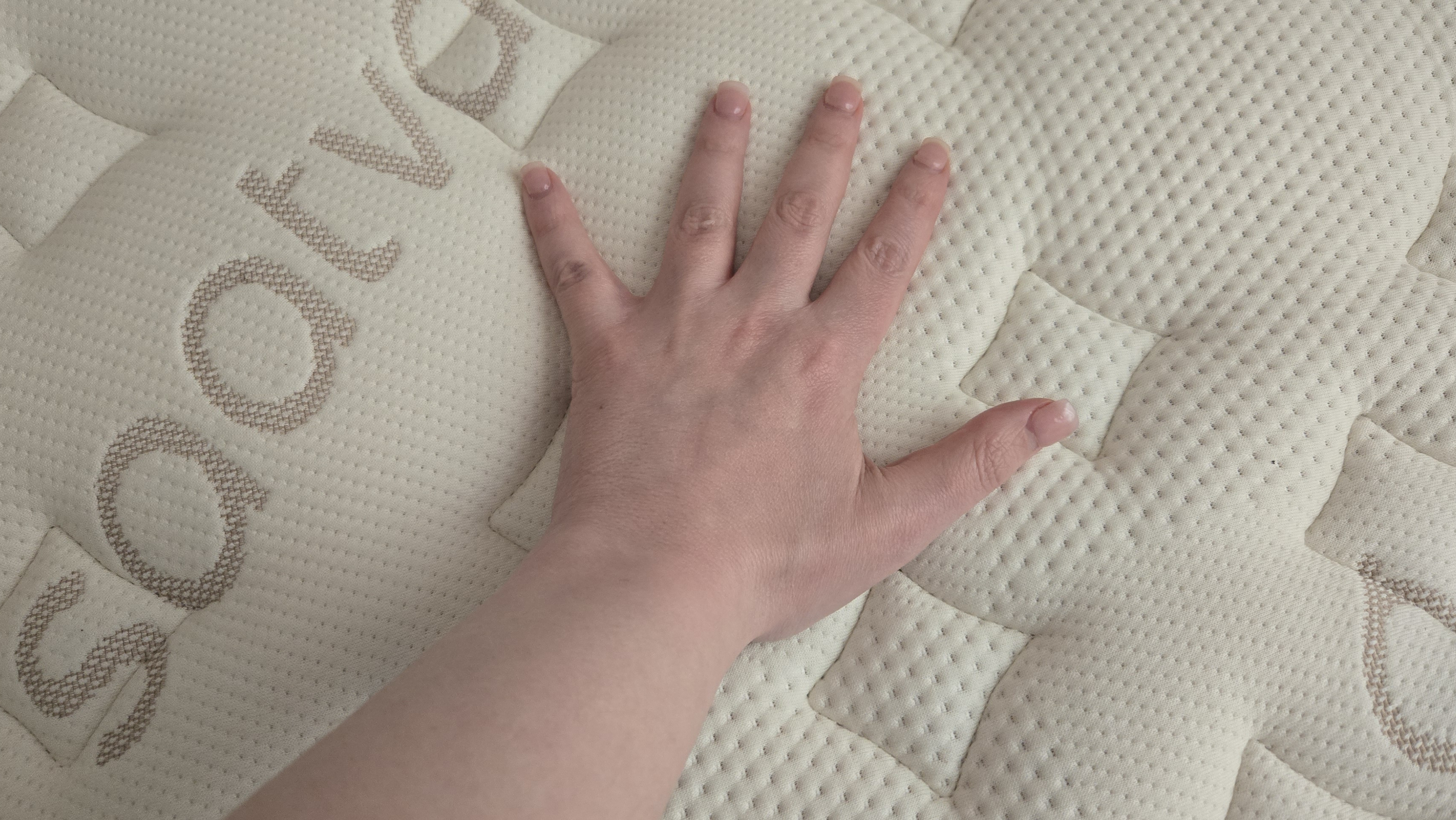
Upon receiving the mattress, the initial testing phase focused on the "feel" of the bed in standard conditions. The construction, which features an organic cotton cover, a layer of waved AirCradle foam, and a base of individually-wrapped coils, was immediately apparent. Unlike traditional foam beds that create a "sinking" sensation, the hybrid design offered a firmer, more responsive surface.
Phase 2: The Heatwave Stress Test
As the ambient temperature rose, the mattress’s thermal performance was put to the test. Without the aid of cooling blankets or advanced climate-control devices, the mattress demonstrated an impressive ability to facilitate airflow. Because the coil base acts as a ventilation system, warm air that typically pools beneath a sleeper is allowed to escape, preventing the "oven effect" common in all-foam beds.
Phase 3: Long-term Performance
Over a multi-week period, the consistency of the mattress’s temperature regulation remained stable. Even when dressed in various bedding materials—ranging from bamboo sheets to lightweight quilts—the breathability of the core construction remained uncompromised. This consistency is vital for sleepers who live in climates where seasonal temperature shifts are extreme.
Supporting Data: The Mechanics of Breathability
The efficacy of a hybrid mattress is not merely a matter of marketing; it is a result of structural design. The Saatva Memory Foam Hybrid incorporates several key design elements that facilitate cooling:
- Individually-Wrapped Coils: These coils serve two purposes. First, they provide necessary support to prevent the "deep sink" associated with heat retention. Second, the space between the coils allows for air circulation, effectively turning the base of the bed into a chimney for heat.
- Waved AirCradle Foam: This specialized layer is designed with ridges that promote airflow while still providing the necessary contouring for pressure relief.
- Organic Cotton Cover: Unlike synthetic covers that can trap moisture and heat, organic cotton is naturally breathable and moisture-wicking, helping to keep the surface cool to the touch.
While these features are highly effective for the average sleeper, they highlight a trade-off. By prioritizing airflow and a "floating" feel, the mattress may not offer the deep, "hugging" sinkage that some side sleepers require for joint cushioning. As noted in the review, consumers who prioritize extreme pressure relief for joints may need to weigh the benefits of breathability against their specific ergonomic needs.
Implications for the Consumer
The implications of these findings are significant for the retail market. As summers grow hotter due to climate change, the demand for cooling-centric bedroom products is expected to rise.
The Financial Aspect of Seasonal Sales
The current 4th of July sales events represent a major opportunity for consumers to upgrade their sleep systems at a reduced cost. With current promotions offering up to $400 off, the Saatva Memory Foam Hybrid has positioned itself as an accessible, high-performance option for those looking to combat heat-related sleep disruption.
However, experts caution that while these hybrid mattresses are excellent for the majority of the population, those suffering from severe, chronic night sweats—often linked to medical conditions or hormonal changes—may still require specialized "active cooling" systems. These systems, which can include active water-circulation pads or phase-change materials, represent a higher tier of cooling technology that goes beyond the passive cooling of a standard hybrid mattress.
Expert Perspective: Choosing the Right Surface
When shopping for a mattress, the "cooling" label can be ambiguous. To navigate the market, shoppers should consider the following criteria:
- Material Composition: Prioritize hybrids or innerspring models over high-density, all-foam designs if heat is a primary concern.
- Responsiveness: Look for mattresses that keep you "on top" of the bed rather than "in" the bed.
- Certification: Check for CertiPUR-US certifications, which ensure the foam is free from harmful chemicals and typically indicates a higher manufacturing standard.
- Trial Periods: Given that sleep is a personal experience, always leverage the 100+ night sleep trials offered by major brands to test the mattress during different seasonal conditions.
Conclusion
The search for the perfect mattress is no longer just about comfort; it is about climate control. As we face increasingly volatile weather patterns, the infrastructure of our bedrooms must adapt. Hybrid mattresses, characterized by their coil-based support and breathable foam layers, offer a robust solution for those seeking to maintain a cool core temperature throughout the night.
While the Saatva Memory Foam Hybrid proves that high-quality, breathable materials can effectively counteract the heat of a summer night, consumers are encouraged to assess their specific needs. Whether it is a requirement for extra joint support or the need for advanced active cooling, the current retail landscape provides a wealth of options for those ready to prioritize their sleep health this season.
As the current sales events conclude, those suffering from heat-induced insomnia are urged to take action. Investing in a quality mattress is not merely a purchase; it is an investment in the restorative energy required to tackle the challenges of the day, regardless of what the thermometer says outside.











