

By Fernanda Arnaud | July 16, 2026
The myth of Hollywood is one of glamour, red carpets, and the eternal sunshine of Southern California. However, beneath the veneer of the silver screen lies a history shaped by labor unrest, political paranoia, draconian censorship, and a relentless struggle for artistic autonomy. For over a century, the "Dream Factory" has been defined as much by its internal power struggles as by its blockbuster films.

In the early days of the studio system, the power dynamic was stark: movie studios functioned as feudal overlords, controlling every facet of a performer’s existence—from their fashion choices and public statements to the very roles they were permitted to accept. This article explores 15 pivotal moments that dismantled that absolute control and redefined the industry.
I. The Architecture of Control: The Studio System
For decades, the "Big Five" studios (MGM, Paramount, Warner Bros., 20th Century Fox, and RKO) operated under a rigid contract system. Actors were not merely employees; they were property.
The End of Indentured Stardom
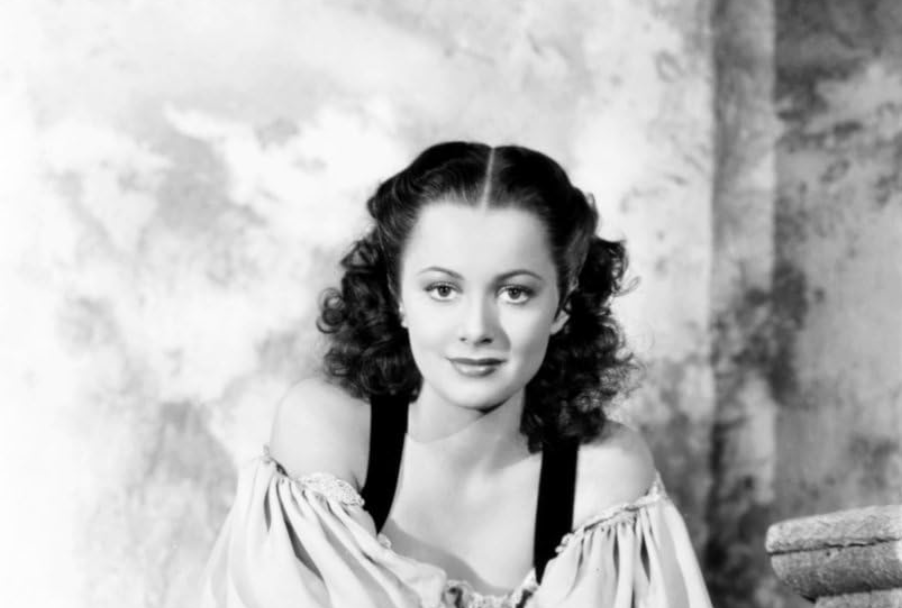
The turning point for actor agency arrived in 1943 when Olivia de Havilland took a stand against Warner Bros. By successfully suing the studio to end her restrictive long-term contract, she effectively broke the industry’s grip on talent, paving the way for the freelance career model that defines Hollywood today.
The Rise and Fall of the Monopoly
The Paramount Decree of 1948 served as the second major blow to the studio oligarchy. By forcing major studios to divest themselves of their theater chains, the Supreme Court ended the vertical integration that had stifled independent competition for years, fundamentally altering how films were distributed and consumed.
II. Chronology of Crisis: From Scandal to Industry Reform
Hollywood’s history is punctuated by crises that forced the industry to look in the mirror and, eventually, change its moral and professional standards.
- 1919: The Birth of Independence: Charlie Chaplin, Mary Pickford, Douglas Fairbanks, and D.W. Griffith formed United Artists, a defiant move to secure creative and financial independence from the monolithic studio system.
- 1921: The Fatty Arbuckle Scandal: The sensational trial of Roscoe "Fatty" Arbuckle marked a turning point in public relations. Though acquitted, his career was decimated, and the industry scrambled to implement moral clauses and stricter image control to pacify a scandalized public.
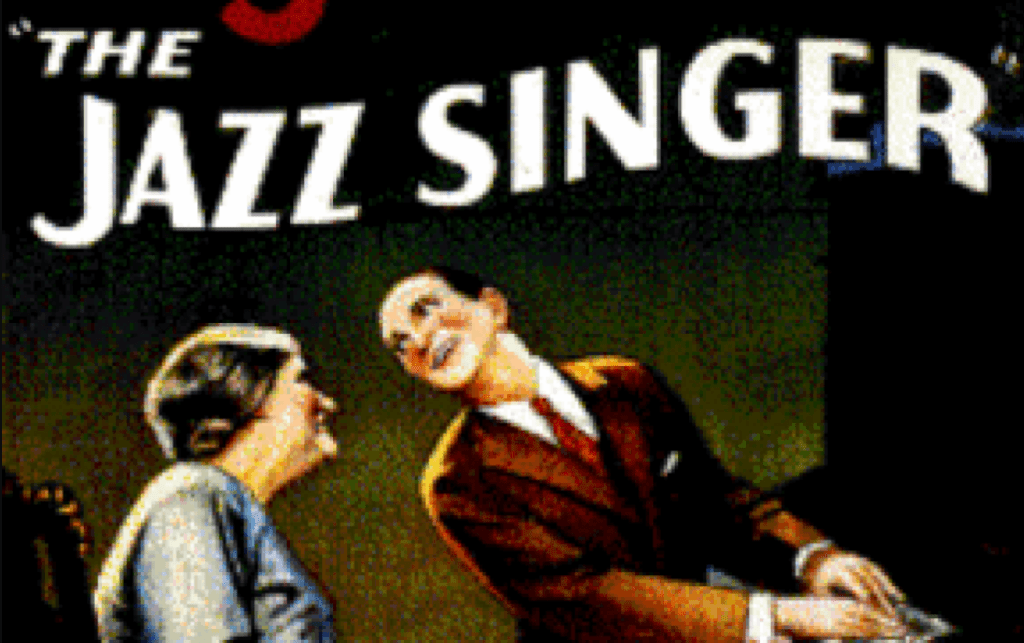
- 1927: The Sound Revolution: The transition to "talkies" was a double-edged sword. While it revolutionized storytelling, it silenced the careers of many silent-era stars who could not adapt to the new medium’s technical and vocal demands.
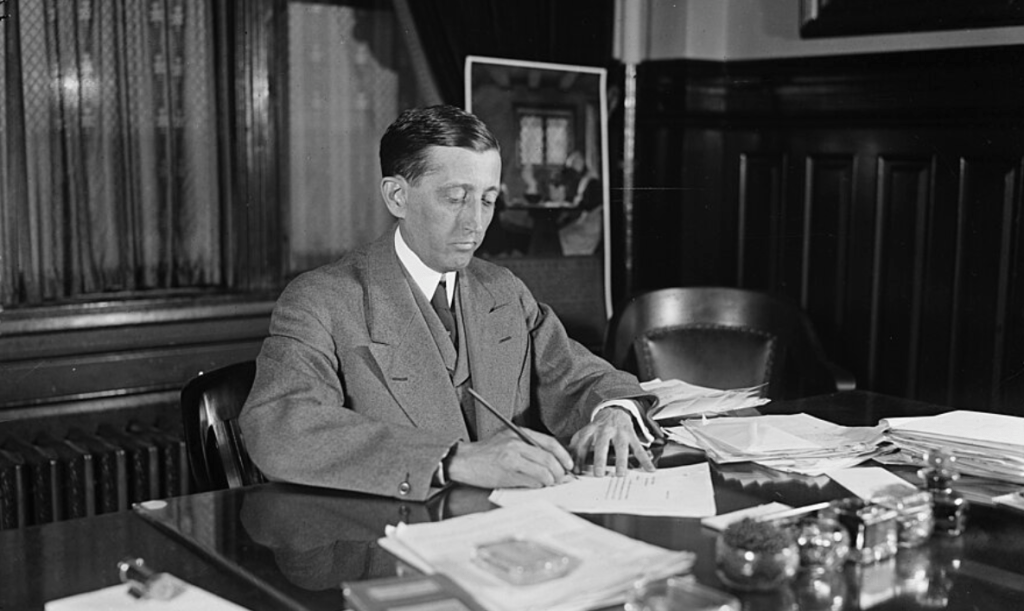
- 1930–1968: The Hays Code Era: For over three decades, the Motion Picture Production Code strictly dictated morality on screen, banning everything from "excessive" romance to depictions of criminal success.
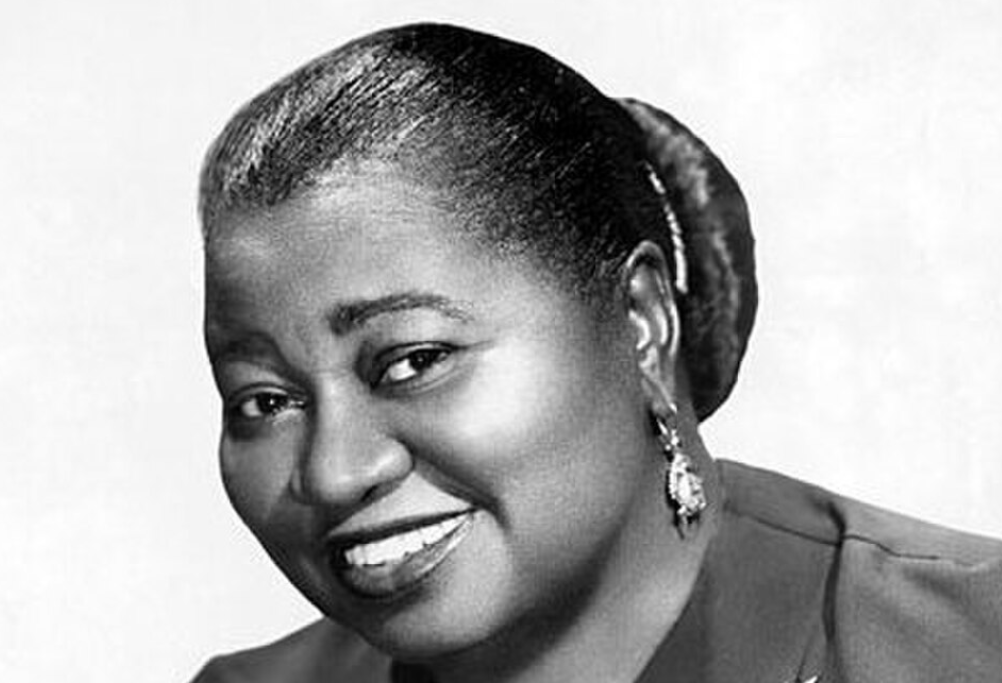
- 1940: Hattie McDaniel’s Triumph and Trial: While her Academy Award win for Gone with the Wind was a historic milestone, the segregation of the ceremony served as a stark reminder of the systemic racism embedded in the industry.
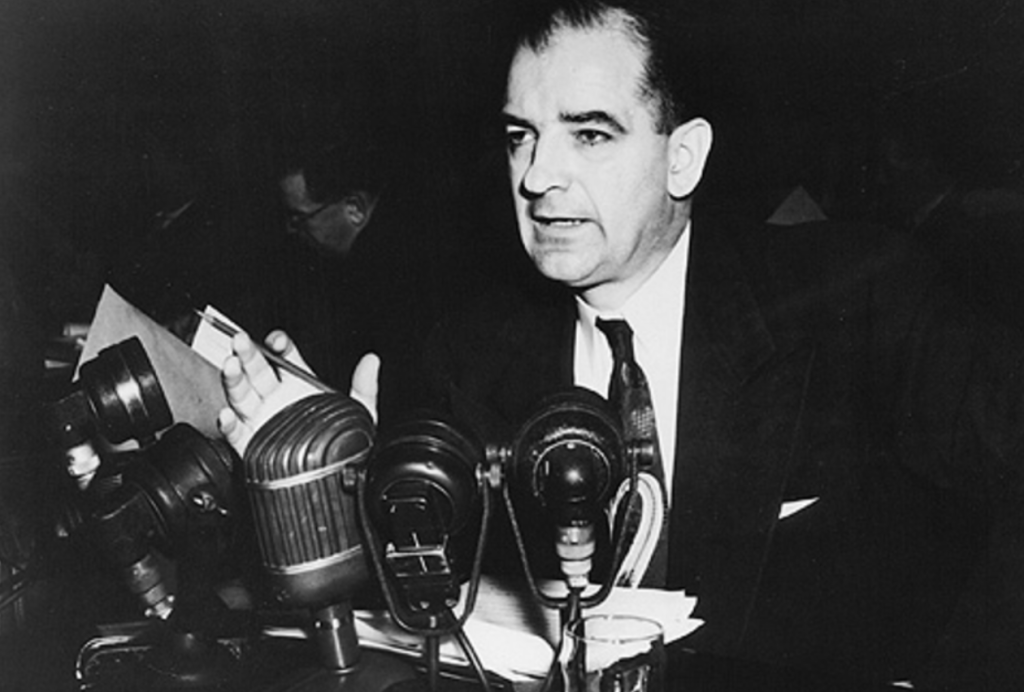
- 1947–1950s: The Blacklist: During the Red Scare, hundreds of industry professionals were barred from work due to alleged communist ties. This period of political paranoia effectively purged the industry of diverse voices and creative risk-takers.
- 1953: The First Televised Oscars: The migration of the Academy Awards to television transformed an industry trade event into a global cultural phenomenon.
- 1968: The MPAA Rating System: The abolition of the Hays Code in favor of the current ratings system marked the dawn of the "New Hollywood" era, allowing filmmakers to tackle mature themes with artistic license.
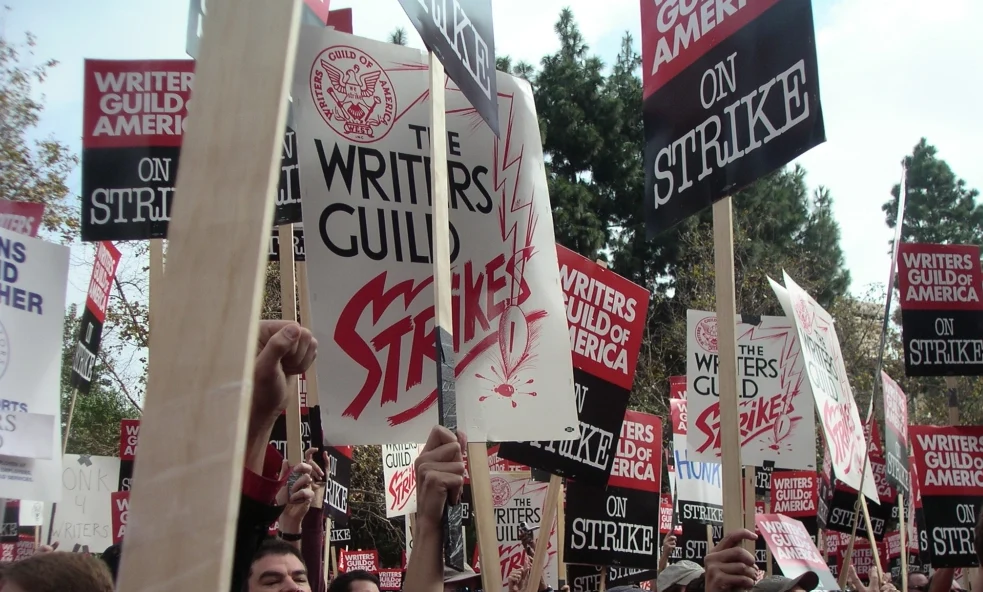
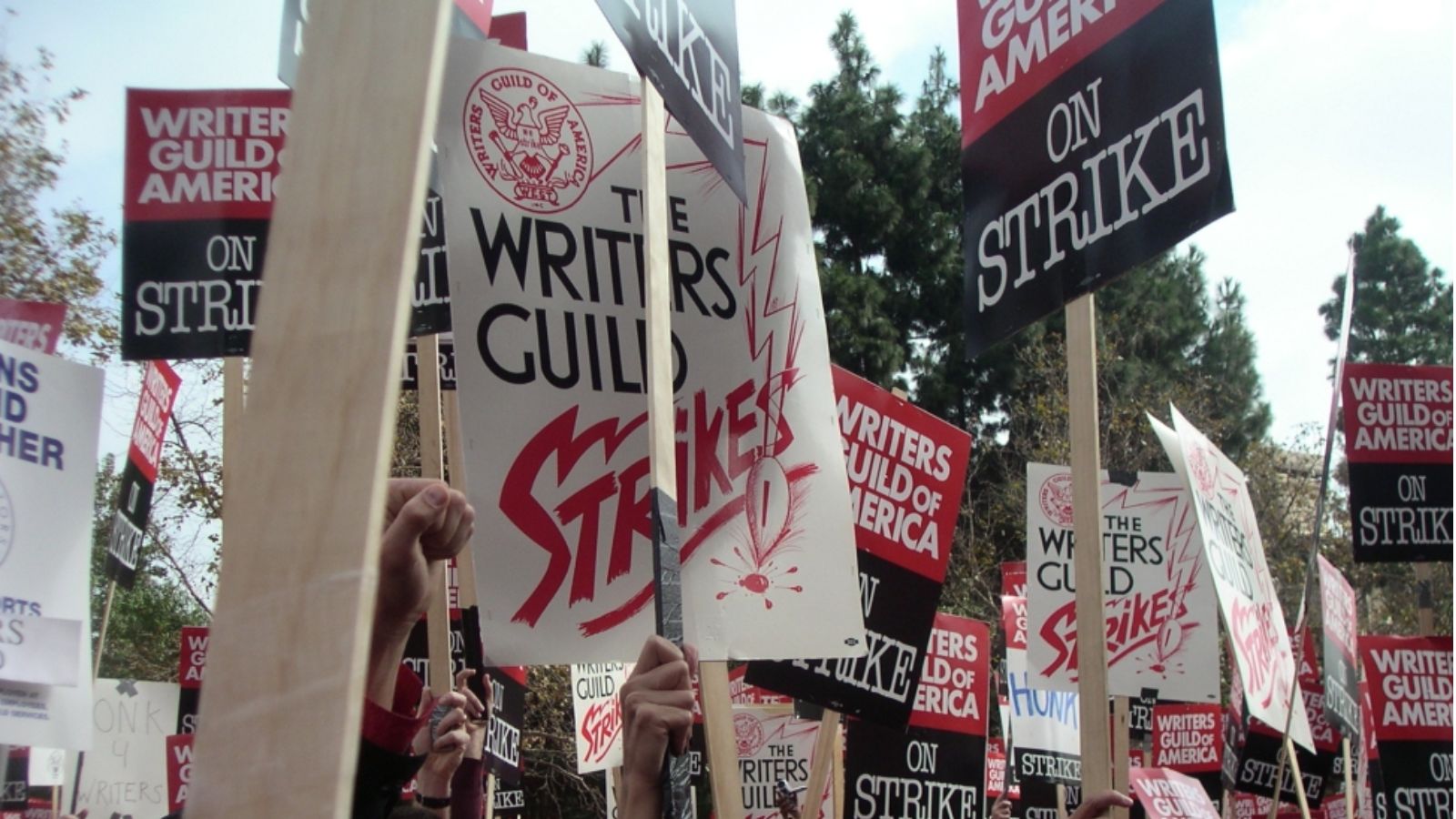
- 2007: The Writers Guild Strike: This labor dispute, which crippled production for months, highlighted the industry’s initial failure to grasp the economic implications of the digital streaming revolution.
- 2023: The AI and Residuals Crisis: The dual strikes of 2023 represented a modern existential struggle, with unions fighting to regulate artificial intelligence and secure fair compensation in an era of platform-based distribution.
III. Supporting Data: The Cost of the "Golden Age"
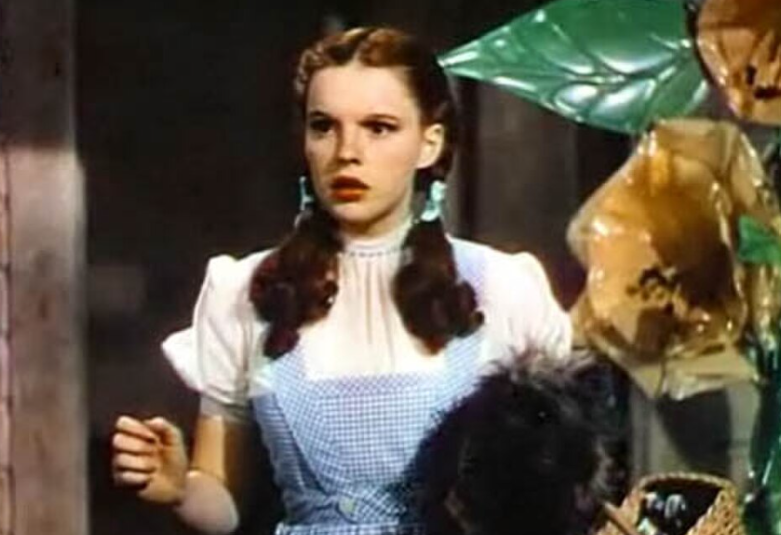
The cost of Hollywood’s success was often extracted from its most vulnerable workers. The case of Judy Garland remains the most chilling example of this era. Working under the MGM banner, Garland was subjected to a regimen of pills to control her weight and sustain her grueling work schedule—a practice that was, at the time, standard operating procedure for child stars. This dark reality highlights the intense, often predatory, pressure cooker that was the studio system at its zenith.

IV. Official Responses and Industry Shifts
When challenged, the industry’s response has historically been reactionary. The transition from the Hays Code to the MPAA ratings system was a concession to a changing culture that no longer tolerated archaic moralizing. Similarly, the industry’s responses to the 2007 and 2023 strikes indicate a shift from total defiance to begrudging negotiation.
However, the "Blacklist" era remains a stain on the record of the major studios, which largely capitulated to political pressure from the House Un-American Activities Committee (HUAC) rather than defending their own employees. It wasn’t until decades later that the industry made formal efforts to reconcile with those whose lives were shattered by the blacklist.

V. Implications: The Legacy of a Troubled Past
The history of Hollywood is a cyclical narrative of power—who holds it, who loses it, and who fights to reclaim it.
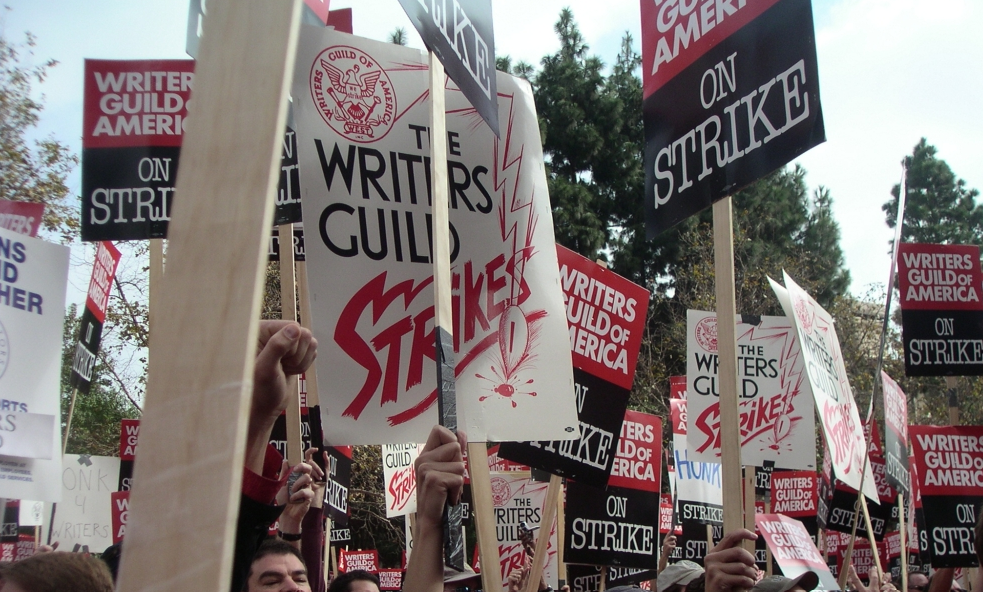
The Shifting Power Dynamic
The transition from the studio-dominated 1930s to the talent-driven landscape of the 21st century has been defined by the democratization of creative power. Yet, as the 2023 strikes demonstrated, the battleground has merely shifted. The primary concerns today are no longer about "the code" or "the contract," but about the survival of human creativity in the face of machine learning and the sustainability of a career in an algorithmic streaming economy.
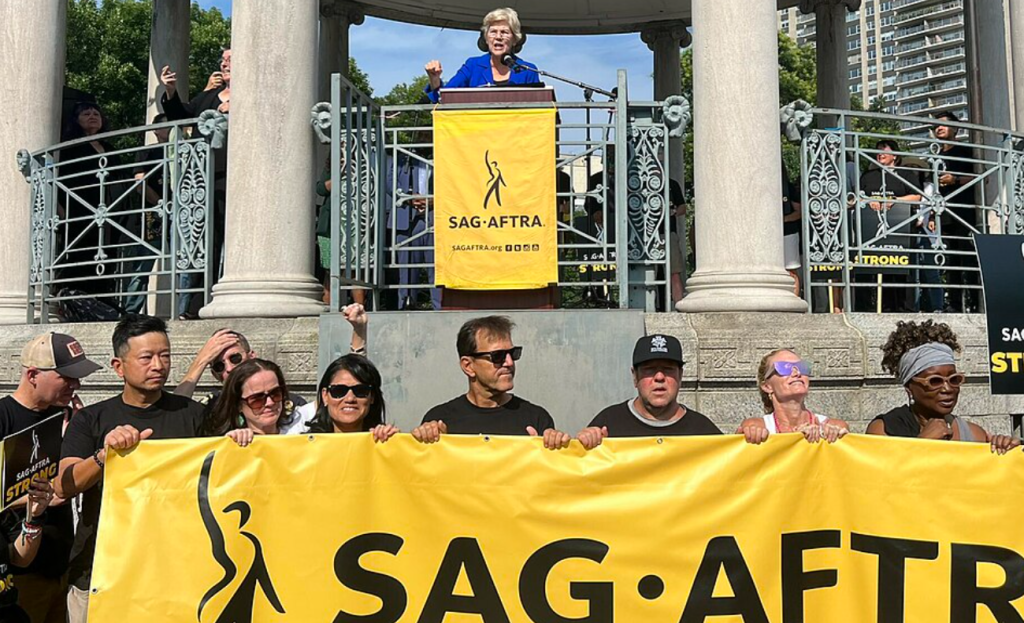
Looking Forward
As Hollywood continues to evolve, it remains a reflection of the society it serves. The lessons of the past—that silence is often complicity, and that artistic freedom must be defended through collective action—remain as relevant today as they were in 1919. The "troubled history" of Hollywood is, in many ways, the story of how an industry grew up, made mistakes, and eventually learned that its greatest asset was not its monopoly on distribution, but the creative freedom of the artists who make the dreams possible.
Ultimately, the transformation of Hollywood from a closed system of control to a modern, albeit still contentious, industry suggests that while the studios may own the infrastructure, the history of the screen is written by those who dare to challenge the status quo. From Olivia de Havilland to the writers and actors of the modern era, the industry is a living, breathing entity that remains, for better or worse, in a constant state of revolution.










