


The smartphone landscape has reached a point of technological maturation that few industry analysts could have predicted a decade ago. We have moved past the era of “revolutionary” annual leaps into a phase of refined, iterative excellence. The Samsung Galaxy S26 Ultra is the current zenith of this philosophy, a device that initially invited skepticism due to its familiar specifications but ultimately proved that minor, calculated adjustments can yield a profoundly improved user experience.
However, as the rumor cycle for the upcoming Galaxy S27 Ultra begins to churn, the conversation is shifting from praise for current performance to an anticipation of future necessity. While the S26 Ultra is a triumph of balance—offering top-tier processing, reliable battery longevity, and a mature software ecosystem—it is not without its specific, localized shortcomings. To maintain its dominance in a market increasingly crowded by foldables and specialized camera flagships, Samsung must address the physical and functional bottlenecks that persist in its flagship design.
The State of the Union: The Galaxy S26 Ultra’s Market Standing
The Galaxy S26 Ultra arrived this year as a testament to the power of optimization. Powered by the Snapdragon 8 Elite Gen 5 for Galaxy, the device manages thermal loads and power consumption with a efficiency that makes previous generations look archaic. Its 6.9-inch display remains the industry standard, and the integration of Galaxy AI features has moved from being a marketing gimmick to a functional suite of tools that actually streamline daily workflows.
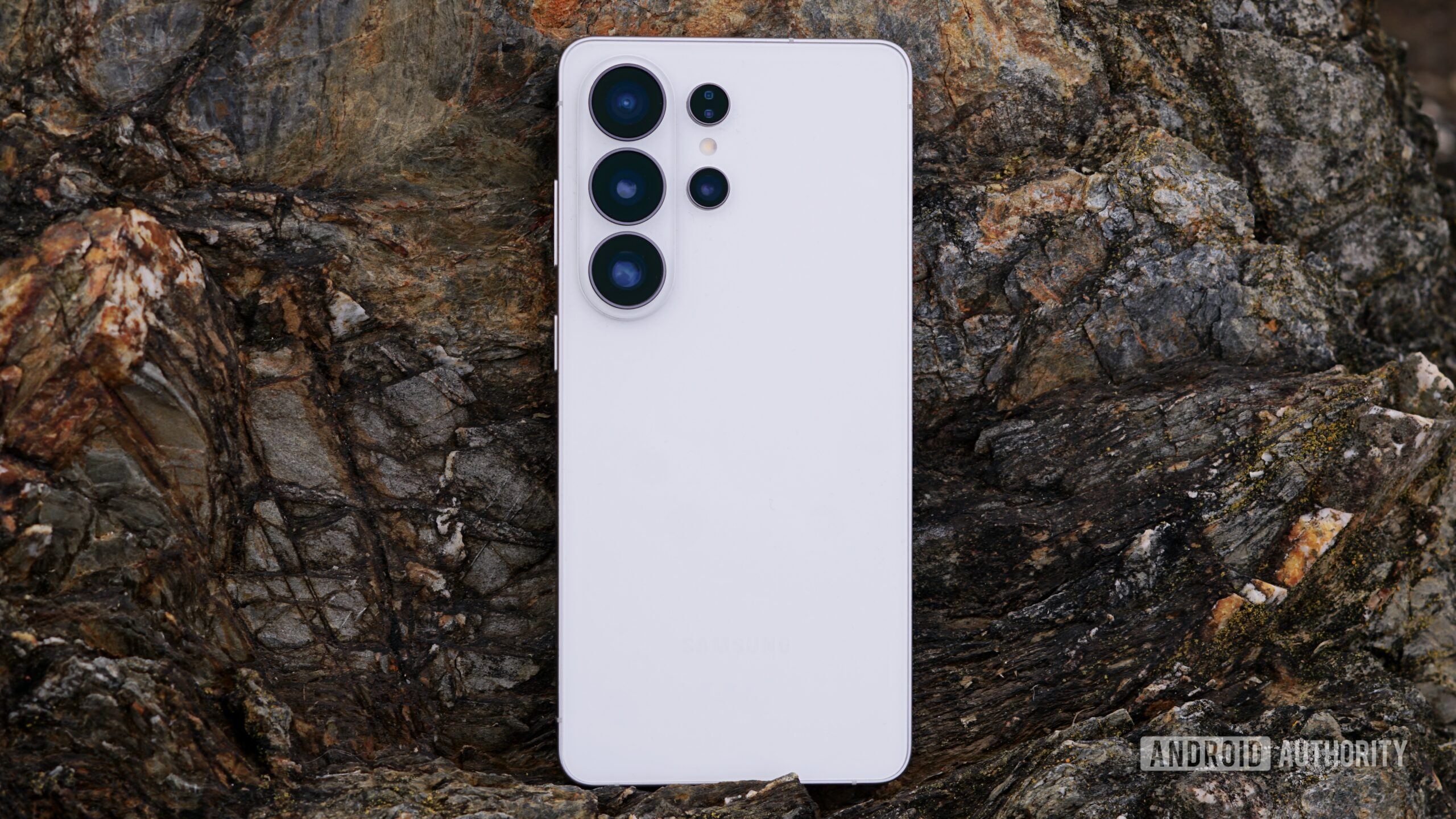
Despite this, the S26 Ultra serves as a reminder that “flagship” does not necessarily mean “flawless.” The user experience is defined by the device’s relationship with its environment—a relationship that is currently hampered by an aging camera housing design and redundant hardware choices.
Chronology of the Ultra Evolution
To understand where the S27 needs to go, we must look at the trajectory of the Ultra series since its inception.
- 2021 (Galaxy S21 Ultra): This was the turning point for the modern Ultra, introducing a versatile quad-camera array. The inclusion of a 10x periscope lens and a dedicated 3x telephoto sensor made it the most flexible camera system on the market.
- 2024 (Galaxy S24 Ultra): A pivotal year for hardware. Samsung made the bold decision to trade the 10x optical zoom for a high-resolution 5x sensor. While controversial, the jump in sensor quality allowed for massive gains in image processing and clarity.
- 2026 (Galaxy S26 Ultra): The device reached a peak in display brightness and structural efficiency. Yet, the 3x telephoto lens remained largely unchanged from the 2021 hardware, creating a noticeable gap between it and the more advanced primary and 5x sensors.
This history reveals a pattern: Samsung is willing to innovate on the sensors that matter most, but it has left the 3x lens in a state of stagnant neglect, relying on legacy hardware that no longer competes with the heavy lifting done by the 200MP primary sensor.
The Case for Change: Three Pillars of Improvement
If the Galaxy S27 Ultra is to be more than just a spec-bump, it must focus on three core areas: optics, ergonomics, and accessory compatibility.
1. Reassessing the Telephoto Strategy
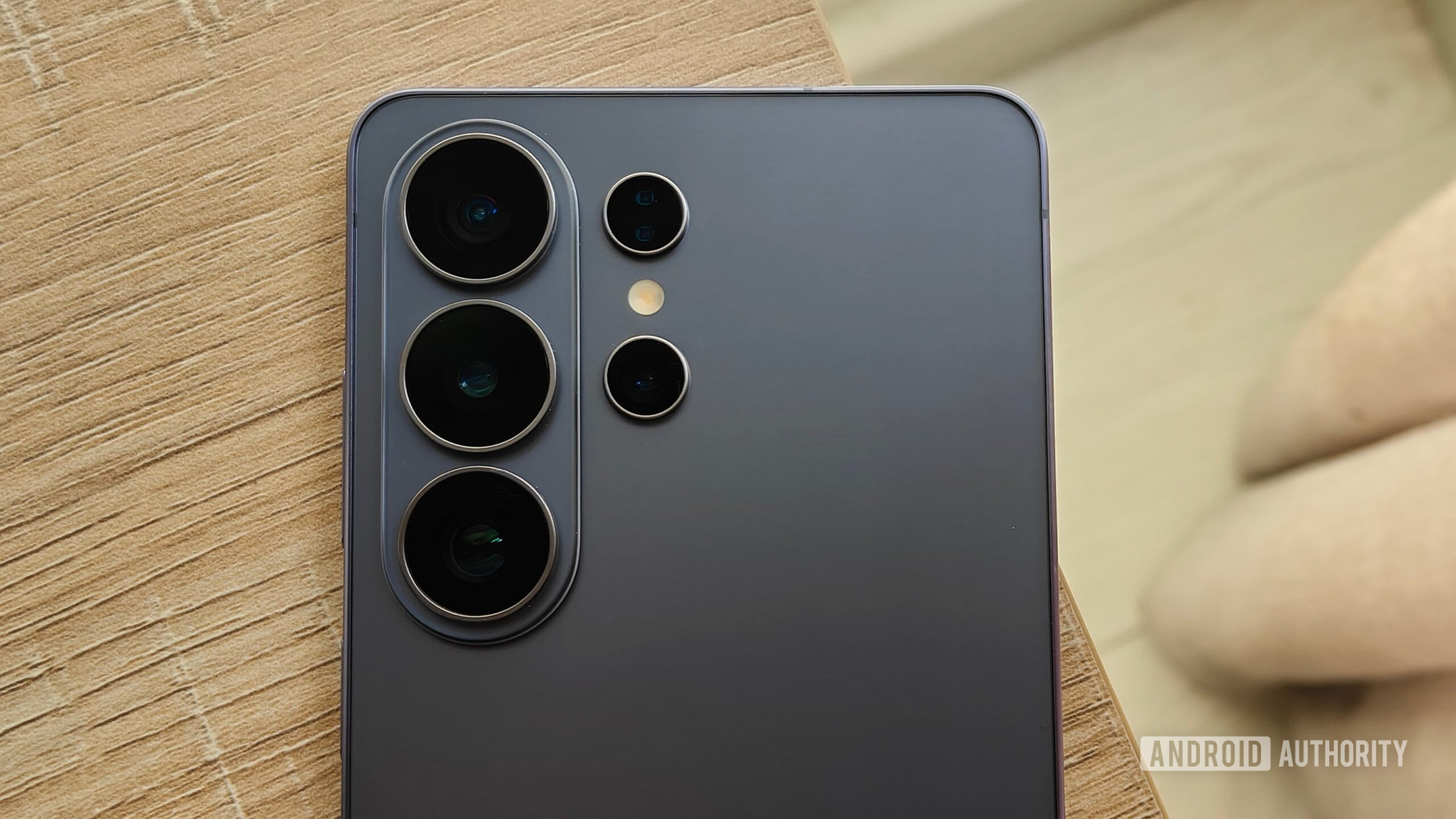
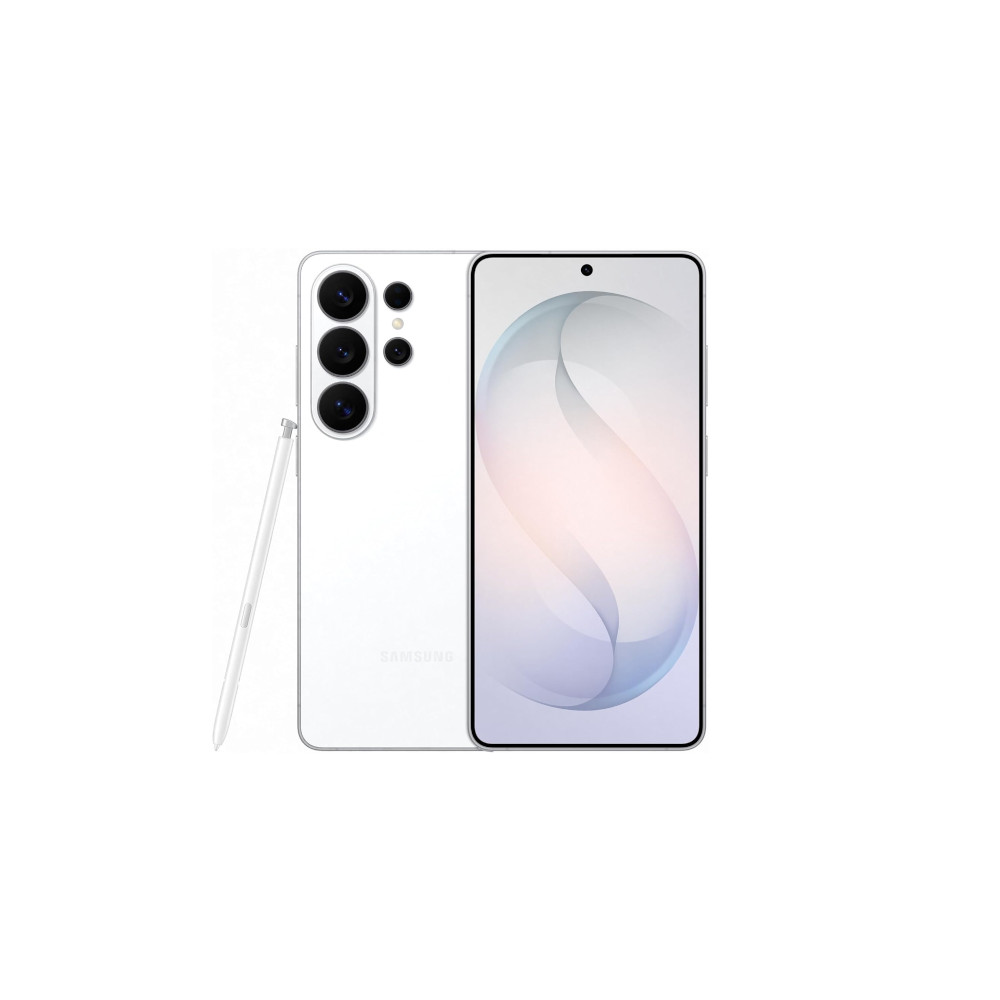
The 3x telephoto lens is currently the "weakest link" in the S26 Ultra’s array. Because the 200MP main sensor is so capable, the phone frequently chooses to crop the main sensor’s image rather than switch to the dedicated 3x lens. This effectively renders the hardware redundant.
If the internal software of the phone ignores the lens, the user is left with a piece of hardware that adds weight, takes up internal space, and increases the complexity of the camera bump. The solution is simple: eliminate the 3x lens entirely. By moving the 5x periscope lens into a more central position, Samsung could reclaim internal real estate for larger batteries or improved heat dissipation, while relying on the primary sensor’s high-resolution crop for 3x-equivalent shots.

2. The Macro Focus Failure
One of the most persistent frustrations for power users is the inconsistent performance of the camera’s macro mode. Currently, the system relies on an automated trigger that is notoriously fickle. When attempting to capture high-detail shots of subjects like pets—which often move or are situated in non-ideal lighting—the S26 Ultra struggles to lock focus or initiate the macro transition.
In direct comparison, competitors like the Pixel 10 Pro offer a more seamless transition between standard and macro focal lengths. For the S27, Samsung must implement a more robust AI-assisted focus peaking system or provide a manual override for macro mode that doesn’t force the user into the distorted wide-angle perspective of the ultrawide sensor.
3. The Qi2 Magnet Problem
The current design of the camera bump is a primary barrier to universal accessory compatibility. Because the lenses occupy a significant footprint on the rear of the device, users who wish to utilize magnetic charging and mounting systems (Qi2) often find that their accessories collide with the camera housing.
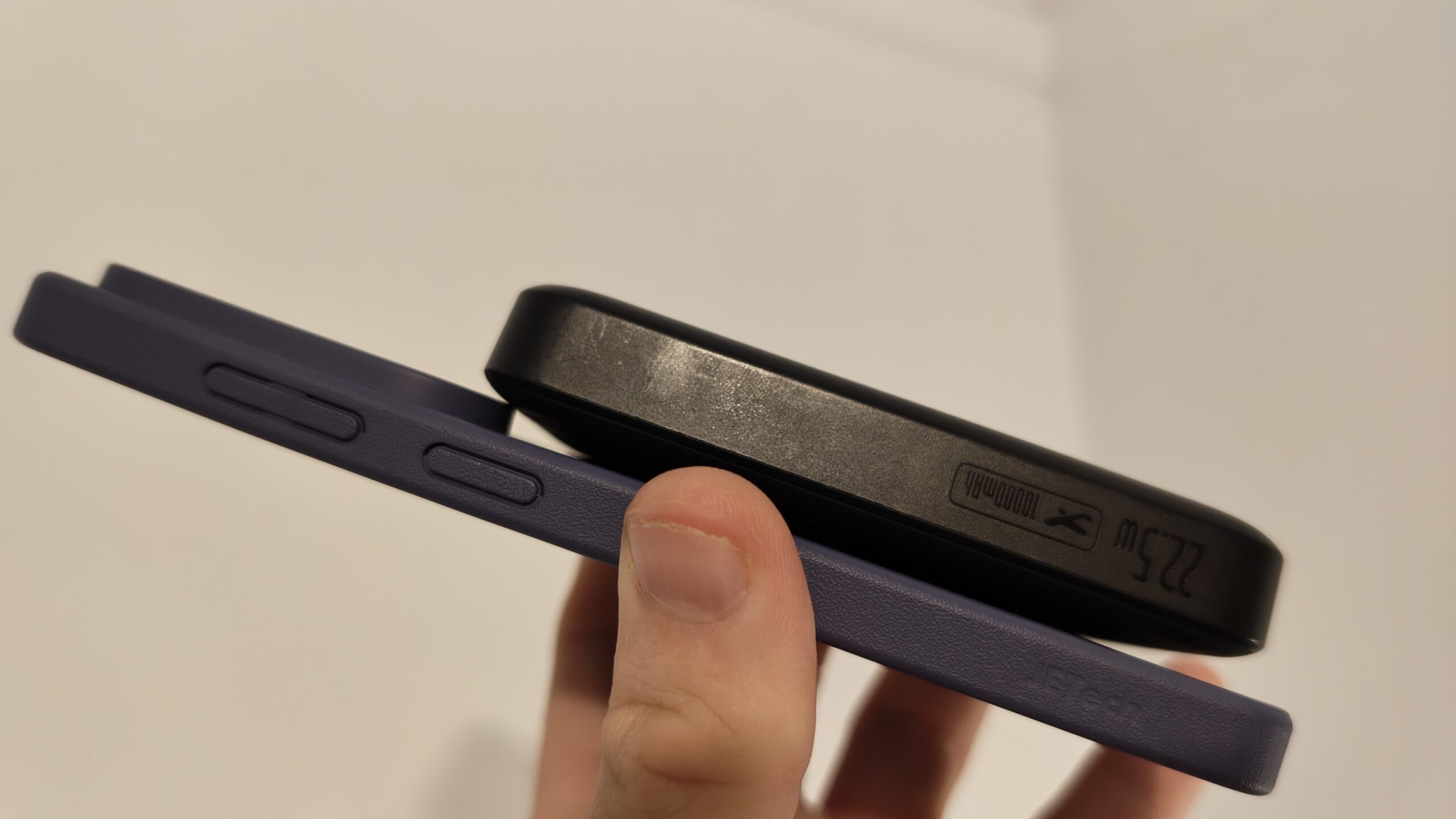
This is not just a nuisance; it is a functional defect. Battery packs often fail to sit flush, resulting in inefficient charging, and the physical interference can lead to accidental damage to the lens glass. A flatter, more streamlined design—perhaps a horizontal bridge similar to the Pixel series—would provide the necessary space to implement integrated magnets, finally bringing the Ultra into the modern era of modular, magnetic mobile accessories.
Official Perspectives and Industry Implications
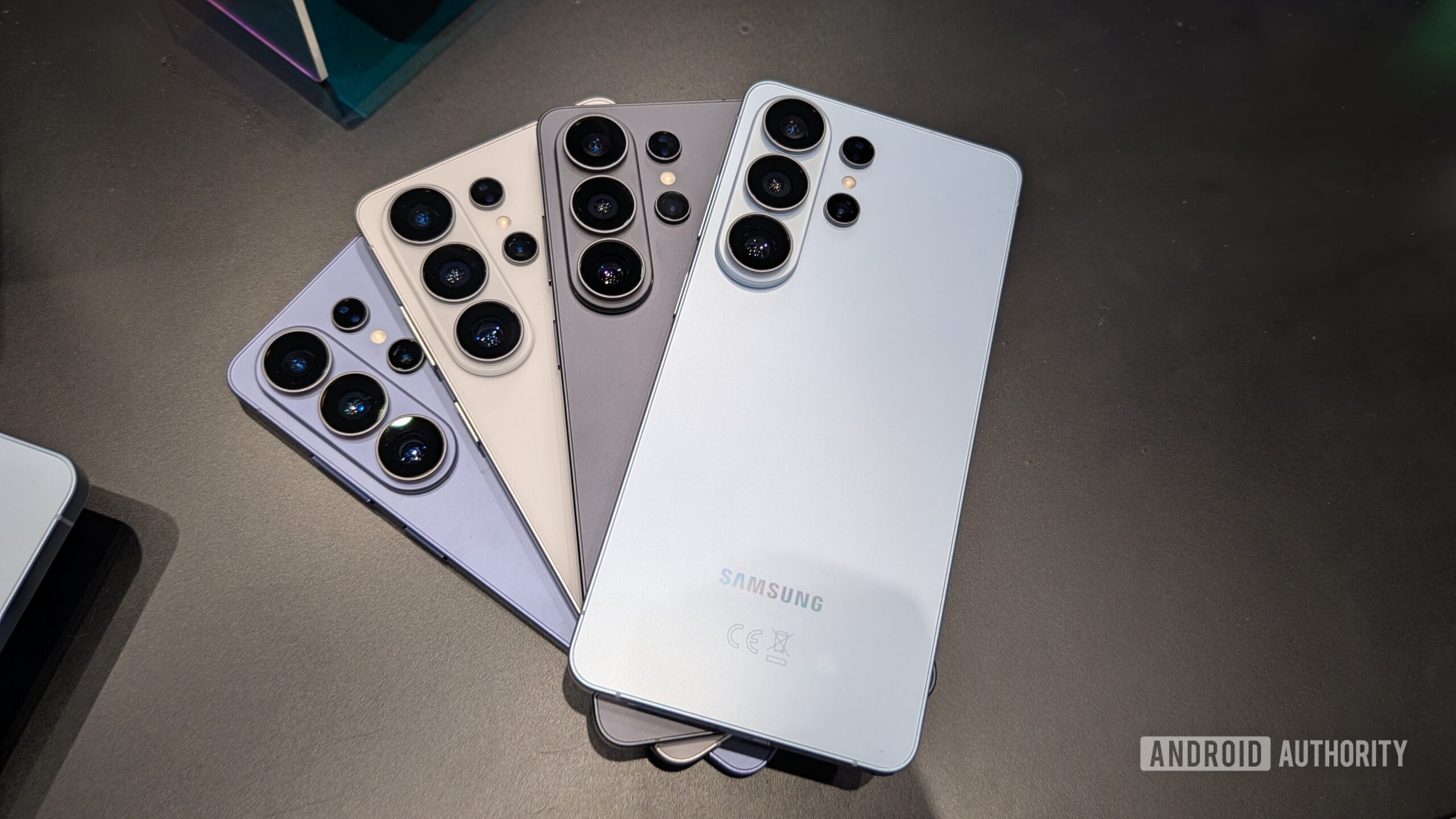
While Samsung has remained tight-lipped regarding specific S27 prototypes, the company’s internal rhetoric emphasizes "AI-driven imaging" and "modular longevity." Industry analysts suggest that Samsung is aware of the "redundant lens" criticism. The shift toward higher-megapixel primary sensors is industry-wide, signaling that the era of having three or four specialized lenses is being replaced by the era of "computational zoom."
The implication of this shift is significant. By reducing the number of physical camera modules, manufacturers can lower costs and improve structural integrity. However, the move to integrate Qi2 magnets is a harder pivot for Samsung, as it requires retooling the internal layout of the S-Pen housing and the wireless charging coil. Yet, with the rise of third-party accessory ecosystems, ignoring this standard is becoming a competitive liability.
Looking Ahead: The S27 Ultra as a Refined Flagship
The question of whether the S27 Ultra will be a success does not hinge on raw processor speed or screen resolution. Those areas are already performing at a level where "better" is barely perceptible to the human eye. Instead, the success of the next iteration will be defined by how well Samsung listens to the nuances of the daily user experience.
If Samsung can successfully:
- Rationalize the camera array by removing redundant sensors.
- Refine the macro-focusing software to be more reliable in real-world scenarios.
- Redesign the chassis to accommodate Qi2 magnetic standards.
…then the S27 Ultra will be more than just a smartphone. It will be the "perfected" tool that the Ultra series has always strived to be. We are no longer looking for massive technological leaps; we are looking for the removal of friction. The S26 Ultra proved that Samsung knows how to build a great phone; the S27 Ultra is their opportunity to prove they know how to build a thoughtful one.
As we wait for the first official leaks, the community consensus is clear: we don’t need more cameras. We need better ones. We don’t need more gimmicks. We need better integration. If the S27 delivers on these fronts, it will cement its place as the definitive choice for the next generation of mobile users.











