In an era where the digital marketplace is saturated with "brain-training" applications, subscription-based memory games, and complex cognitive supplements, the secret to preserving mental acuity may be far more mundane than an app store download. As the global population ages, the search for methods to maintain cognitive health has become a focal point of public health discourse. While there is no "magic bullet" to halt the progression of neurodegenerative diseases, emerging research suggests that the most effective interventions may lie in the deliberate disruption of our daily routines.
Recently, a viral perspective from an NIH-funded researcher has reignited a conversation about "neuroplasticity"—the brain’s inherent ability to rewire itself. The proposition is deceptively simple: challenge your brain by forcing it to perform routine tasks with your non-dominant hand.
The Growing Concern: Cognitive Decline in an Aging Society
According to data from the Centers for Disease Control and Prevention (CDC), the statistics regarding cognitive health are sobering. Approximately one in ten adults aged 45 and older report experiencing subjective cognitive decline (SCD)—a term used to describe the self-reported experience of worsening or more frequent confusion or memory loss. This demographic shift is not merely a personal struggle; it is a burgeoning public health challenge.
As life expectancy increases, the prevalence of conditions such as Alzheimer’s disease and other forms of dementia is projected to rise significantly. While medical science continues to pursue pharmaceutical breakthroughs, the scientific community is increasingly emphasizing the importance of "cognitive reserve." Cognitive reserve is essentially the brain’s resilience—its ability to adapt, compensate, and continue functioning optimally even in the presence of physical pathology or age-related degeneration.
The "Non-Dominant" Hypothesis: Forcing Neural Adaptation
Neal K. Shah, an NIH-funded principal investigator, recently brought this concept to the forefront of social media with a viral TikTok video. His core argument is that the brain, a master of efficiency, becomes "lazy" over time.
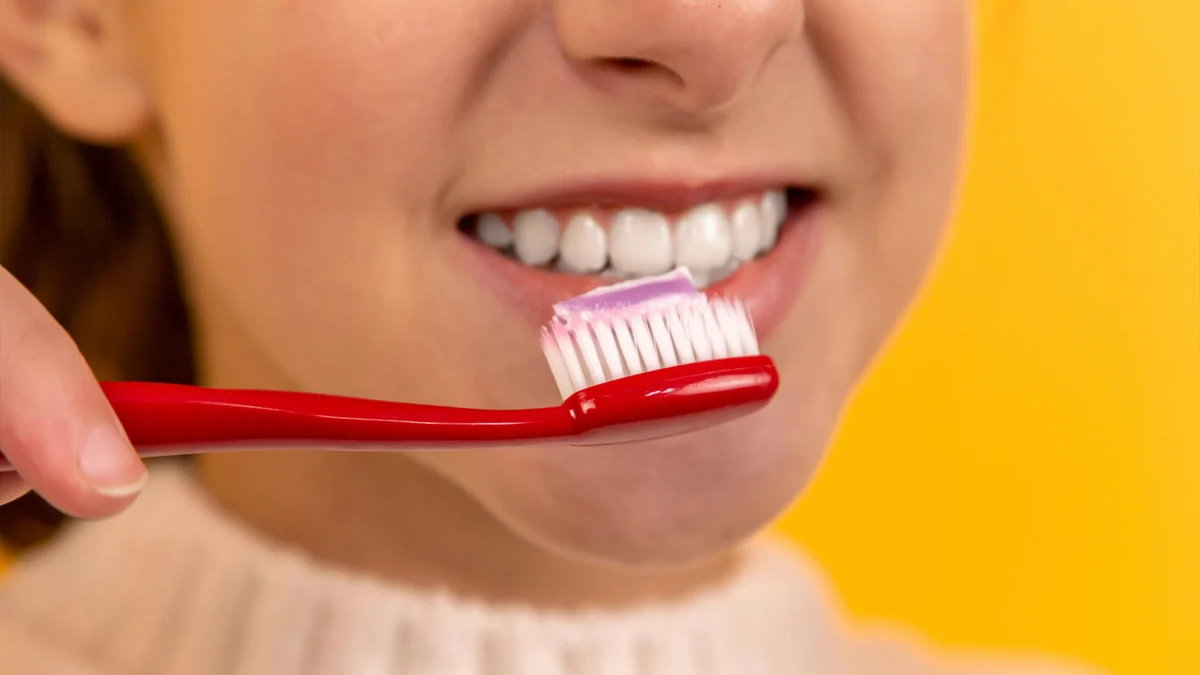
"When you perform a task you have done thousands of times, like brushing your teeth, your brain shifts into ‘autopilot’ mode," Shah explains. "It requires almost zero conscious effort. By switching to your non-dominant hand, you force the brain to abandon that efficient, automatic pathway and instead engage the areas responsible for executive function, motor coordination, and focus."
The Science of Neuroplasticity
At the heart of Shah’s advice is the concept of neuroplasticity. The brain is not a static organ; it is highly dynamic. When we engage in novel activities, we stimulate the creation of new synaptic connections. When we repeat those activities, those connections strengthen. By using the "wrong" hand, we are essentially forcing the motor cortex and the frontal lobes—areas associated with complex planning and execution—to "wake up" and create a new strategy to accomplish a simple task.
Cross-Lateral Movement and Brain Networks
Shah further notes the importance of "cross-lateral" movement. These are activities that involve crossing the body’s midline, which requires communication between the left and right hemispheres of the brain. Engaging these broader networks through simple physical changes during daily life may help maintain the integrity of the white matter tracts—the brain’s "wiring"—that facilitate efficient communication between different regions.
Chronology of Cognitive Research
The interest in lifestyle-based cognitive maintenance did not emerge in a vacuum. For decades, researchers have been documenting the relationship between environment, habit, and neural health.
- The 1980s-90s: The Birth of the "Use It or Lose It" Paradigm. Initial studies in animal models showed that rats living in "enriched environments" (those with toys, social interaction, and exercise) developed thicker cerebral cortexes and more synaptic connections than those in barren environments.
- The 2000s: The Discovery of Cognitive Reserve. Researchers began noticing a discrepancy between brain autopsies and clinical symptoms. Some individuals who had high levels of Alzheimer’s pathology in their brains showed no signs of dementia during their lifetimes. This led to the theory that education, social engagement, and complex hobbies helped these individuals "buffer" against the disease.
- 2020 to Present: The Integration of Micro-Habits. Current research has shifted from high-level intellectual tasks (like learning a new language, which is still highly recommended) to "micro-habits"—small, daily shifts in routine that keep the brain from falling into a lethargic, automated state.
Supporting Data: What Does the Evidence Say?
While the idea of brushing one’s teeth with the non-dominant hand is a compelling, low-cost intervention, it is important to contextualize it within the broader landscape of clinical evidence.
The Limitations of "Brain Training"
Many commercial brain-training programs have faced scrutiny from the scientific community. A landmark statement from the Stanford Center on Longevity and the Berlin Max Planck Institute for Human Development argued that while these games may make you better at the games themselves, there is little evidence that they translate into improved "real-world" cognitive function.
In contrast, the "lifestyle approach"—which includes exercise, novel motor tasks, and social engagement—is supported by much stronger epidemiological evidence.
Emerging Links: Diet and Lifestyle
The scientific community continues to explore unconventional links to brain health. Earlier this year, a study garnered attention for suggesting a correlation between the consumption of certain high-fat cheeses and a lower risk of dementia. While this does not imply that cheese is a cure, it highlights the importance of gut-brain axis research and the role of systemic inflammation in cognitive decline.
Official Responses and Expert Consensus
Public health organizations, including the Alzheimer’s Association and the National Institutes of Health (NIH), maintain a consistent stance: there is currently no single, proven way to prevent dementia. However, they strongly endorse a "multi-modal" approach to brain health.
The "Healthy Brain" Prescription
Medical experts emphasize that brushing your teeth with the non-dominant hand should be viewed as one small tool in a much larger toolkit. The gold standard for cognitive maintenance includes:
- Physical Exercise: Aerobic activity increases blood flow to the brain and stimulates the release of brain-derived neurotrophic factor (BDNF), a protein that supports the survival of existing neurons.
- Social Engagement: Loneliness is a significant risk factor for cognitive decline. Social interaction requires complex processing of emotional cues, language, and memory.
- Intellectual Novelty: This is where Shah’s advice fits in. Learning a new skill, playing a musical instrument, or even just taking a different route to work forces the brain to form new neural pathways.
- Sleep Hygiene: Sleep is the time when the brain undergoes "housekeeping," clearing out toxic proteins like amyloid-beta that are associated with Alzheimer’s.
Implications: Building a Resilient Future
The implications of these findings are profound. We are moving toward a model of preventative health that empowers the individual. Instead of waiting for a medical diagnosis, we are learning that we can actively shape our brain’s resilience throughout our lives.
Moving Beyond the "Wrong Hand"
While brushing your teeth with the opposite hand is an excellent starting point, the ultimate goal is to maintain a state of "cognitive curiosity." This means:
- Challenging Routines: Changing your environment, your hobbies, and your social circles.
- Physical Complexity: Engaging in activities like dance, Tai Chi, or yoga, which combine physical movement with mental focus and balance.
- Continuous Learning: Viewing life as a classroom. Whether it is learning how to code, taking up pottery, or reading books on unfamiliar subjects, the act of "learning" is the most potent exercise for the brain.
A Balanced Outlook
It is crucial to avoid the trap of "wellness hype." Switching hands will not prevent a genetic predisposition to neurodegenerative disease, nor will it serve as a substitute for professional medical advice. However, in an aging society, the compounding effect of these small, deliberate daily choices cannot be overlooked.
By disrupting the autopilot of our daily lives, we are not just performing a parlor trick; we are encouraging our brains to remain flexible, adaptable, and vibrant. In the quest for healthy aging, the smallest changes—those that occur at the kitchen sink or during a morning commute—may be the ones that have the most significant impact on the longevity of our most precious organ: the human brain.
As research continues to evolve, the focus will likely remain on this synthesis of biological, environmental, and behavioral interventions. For now, the takeaway is clear: the brain thrives on the unfamiliar. So, tomorrow morning, as you reach for your toothbrush, consider reaching with the other hand. It is a small gesture, but for your brain, it might just be the beginning of a new way of thinking.