

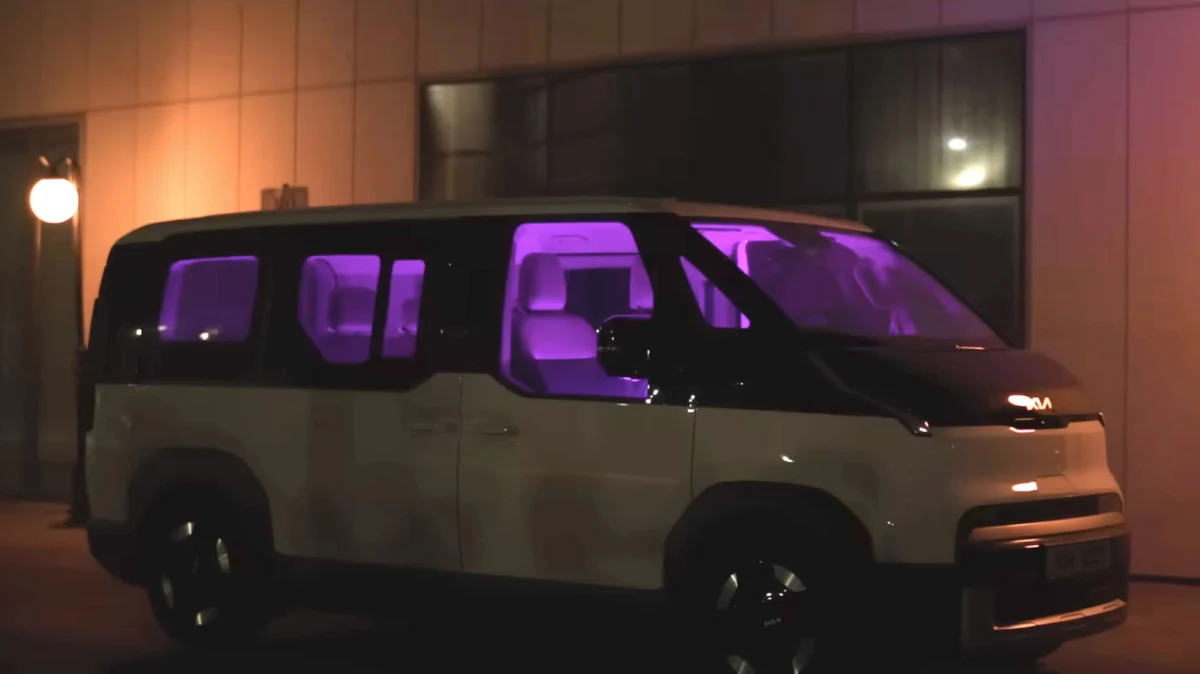
In an era where personal health and environmental sanitation have moved to the forefront of the global consciousness, the automotive industry is undergoing a quiet but significant transformation. Hyundai Motor Group, encompassing both Hyundai and Kia, has officially unveiled a pioneering solution to vehicle hygiene: "Plasma Care." This advanced sanitization system, which utilizes Far-UVC light technology, promises to turn the modern car cabin into a controlled, sterilized environment, effectively moving beyond the outdated reliance on masking odors with synthetic fragrances.
The Core Innovation: What is Plasma Care?
At its most fundamental level, Plasma Care is an integrated in-vehicle sanitization system designed to actively reduce the presence of airborne and surface-level pathogens. Unlike traditional cabin air filters that act as passive barriers, Plasma Care is an active technology. It employs a specialized plasma lamp that generates Far-ultraviolet C (Far-UVC) light.
The brilliance of this system lies in its wavelength management. By emitting light specifically in the 200 to 230-nanometer range, the system exploits a biological loophole: it produces enough photonic energy to dismantle the molecular bonds of viruses and bacteria, yet lacks the penetration depth to harm human skin or ocular tissues. This distinction is critical, as conventional UVC technology (typically in the 254nm range) is hazardous to humans and is generally restricted to uninhabited spaces, such as medical operating rooms or automated airplane bathroom cleaning cycles.
A Chronology of Development: From Concept to Cabin
The journey to bringing Far-UVC into a consumer vehicle was not a straightforward path. The automotive engineering team at Hyundai and Kia faced significant hurdles regarding spatial constraints and energy consumption.
- Initial Research and Design: Early stages involved analyzing existing Far-UVC applications used in hospitals and schools. Engineers quickly realized that these industrial-grade systems were far too bulky and power-hungry for the constraints of an automotive electrical architecture.
- Miniaturization and Optimization: Over several years, the team focused on reducing the physical footprint of the plasma lamps while simultaneously improving power efficiency. This phase required the development of a proprietary optical filter, which ensures that the light emission remains strictly within the safe 200–230nm range, preventing any stray higher-frequency UV light from escaping.
- Testing and Validation: Once the hardware was refined, the companies initiated a multi-phase testing program. These tests were conducted in partnership with esteemed research bodies, including the Korea Testing Laboratory, Seoul National University, and the Korea Automotive Technology Institute.
- The Path to Production: As of today, the technology is undergoing final rigorous technical validation to ensure compliance with international safety standards. While the system is not yet available in production models, its successful testing cycle suggests that it is in the final stages of pre-commercial preparation.
Supporting Data: Quantifying the Efficacy
The scientific validity of Plasma Care is supported by a robust battery of empirical tests conducted under controlled conditions. These results demonstrate a significant departure from the efficacy of standard HVAC filtration.
1. Airborne Viral Reduction
In a simulated vehicle cabin environment, the Korea Testing Laboratory evaluated the impact of the Plasma Care system on airborne viruses. The results were conclusive: the system achieved a 96.8 percent reduction in airborne viral particles within a 30-minute operational window.
2. Bacterial Eradication (Pneumonia)
Partnering with researchers at Seoul National University, the development team tested the system’s ability to neutralize pneumonia-causing bacteria. The findings were stark, with the technology eliminating 99.9 percent of the targeted bacteria in a mere 30 seconds of exposure.
3. Real-World E. coli Testing
Perhaps the most impressive metric came from the Korea Automotive Technology Institute, which tested the system within a real-world vehicle cabin. Over a 40-minute duration, the system successfully eradicated 99.9 percent of E. coli bacteria, confirming that the technology can maintain its effectiveness even when faced with the complex airflow dynamics of an actual car interior.
Implications for the Future of Automotive Design
The introduction of Plasma Care signals a fundamental shift in how consumers view their vehicles. For decades, the car interior has been a "black box" of hygiene—a space where dust, skin cells, and microscopic contaminants accumulate, often exacerbated by the humidity of climate control systems.
A Health-Conscious Cabin
With the integration of active sanitization, the car becomes more than a mode of transport; it becomes a wellness space. For rideshare drivers, parents, and commuters, the ability to sanitize the cabin while passengers are present offers a level of peace of mind that was previously impossible. This aligns with the broader "wellness mobility" trend, where automakers are increasingly looking at air quality, seat ergonomics, and stress-reduction lighting as key selling points.
The Death of the "New Car Smell"?
There is a distinct irony in the potential obsolescence of the hanging air freshener. By targeting the organisms responsible for foul odors at the molecular level, Plasma Care provides a clinical solution to a problem that was historically treated with chemical masking. While "new car smell" is often tied to the off-gassing of plastics and adhesives, the "stale car smell" caused by microbial growth may soon be a relic of the past.
Critical Limitations and Realistic Expectations
Despite the impressive data, industry experts and the companies themselves advise a measured approach. It is vital to recognize the physical limitations of UVC light.
- The Shadow Effect: UVC light travels in a direct line of sight. It is not an aerosol disinfectant that permeates every crack and crevice of the upholstery. If a bacteria colony is shielded behind a seat bolster, underneath a headrest, or deep within the fabric of the floor mats, the light will not reach it.
- Biological Resilience: Research into microbial biology has shown that some pathogens possess the ability to repair their DNA following low-level UV exposure. While the concentrations used by Plasma Care are designed to be lethal to the vast majority of common germs, it should be viewed as an assistive technology rather than a total sterilization solution.
- The "Hybrid" Hygiene Model: Hyundai and Kia emphasize that Plasma Care is intended to complement, not replace, regular vehicle maintenance. Manual cleaning, vacuuming, and surface wiping remain essential for the removal of larger debris and the eradication of pathogens in non-illuminated zones.
Official Stance and Future Outlook
In their official communications, Hyundai and Kia representatives have maintained that the primary goal of this technology is to enhance the standard of safety for their customers. By integrating these systems into the vehicle’s existing electrical and climate control architecture, the companies are positioning themselves as leaders in the next frontier of automotive safety.
The current stage—technical validation—is the most critical. International safety standards for consumer electronics and automotive components are notoriously strict, particularly regarding anything that emits radiation, no matter how safe that radiation may be. The collaboration with national testing institutes indicates that the manufacturers are taking a "safety-first" approach to ensure that when the technology reaches the showroom floor, it carries the weight of verified, independent data.
As we look toward the future of autonomous and shared mobility, the importance of these systems will only grow. In a fleet-managed vehicle or a robotaxi, the ability to sanitize between passengers without manual human intervention will be a requirement, not a luxury. Plasma Care represents the first step toward that future, providing a glimpse of a world where our cars are not just smarter and faster, but fundamentally cleaner.
For the modern driver, the choice may soon be between a car that smells like a forest of artificial pine and a car that is, quite literally, clean. It is a transition that marks a significant step forward in our relationship with the machines that carry us through our daily lives.











