By Leandro Beroldo | June 30, 2026
In the modern era of filmmaking, the line between reality and artifice has become increasingly blurred. While audiences often marvel at the sweeping vistas of a fantasy epic or the gritty realism of a noir thriller, the truth of cinematic production is frequently found within the four walls of a soundstage. For many iconic films, the "location" was never a place found on a map, but rather a concept birthed in a production designer’s studio and meticulously constructed under controlled lighting.
These 14 films represent the pinnacle of studio-bound ingenuity, where filmmakers replaced geography with imagination, utilizing soundstages, practical miniatures, and digital extensions to create fully realized, immersive worlds. By eschewing the unpredictability of the natural world, these productions achieved a level of visual precision that has defined the aesthetic language of modern cinema.
The Philosophy of the Soundstage: Why Studios Matter
The decision to film inside a studio is rarely about convenience; it is about absolute control. When a director chooses a soundstage over a real-world location, they are opting for the ability to manipulate every variable of the frame. From the exact angle of sunlight to the precise texture of a floorboard, the studio environment allows for a "total cinema" approach.

This practice is not merely a cost-saving measure—in many cases, it is significantly more expensive than location shooting. Instead, it is a creative choice. By building a world from scratch, directors ensure that the environment serves the narrative, rather than forcing the narrative to adapt to the limitations of a real location.
A Chronology of Controlled Environments
The Pioneers: Establishing the Template
In the mid-20th century, the studio system was the bedrock of Hollywood. While location shooting gained popularity in the 1970s, masters of the craft understood the power of the set.

Psycho (1960): Alfred Hitchcock’s seminal thriller is perhaps the greatest testament to the power of the studio. By filming almost entirely on Universal’s soundstages, Hitchcock exerted total control over the atmosphere of the Bates Motel. The stylized, claustrophobic nature of the house and the motel was not an accident of geography, but a calculated choice that heightened the film’s psychological tension.
The Turn of the Millennium: The Digital Revolution
As the 1990s gave way to the 2000s, the emergence of advanced digital effects allowed studio-bound filmmaking to reach new, fantastical heights.

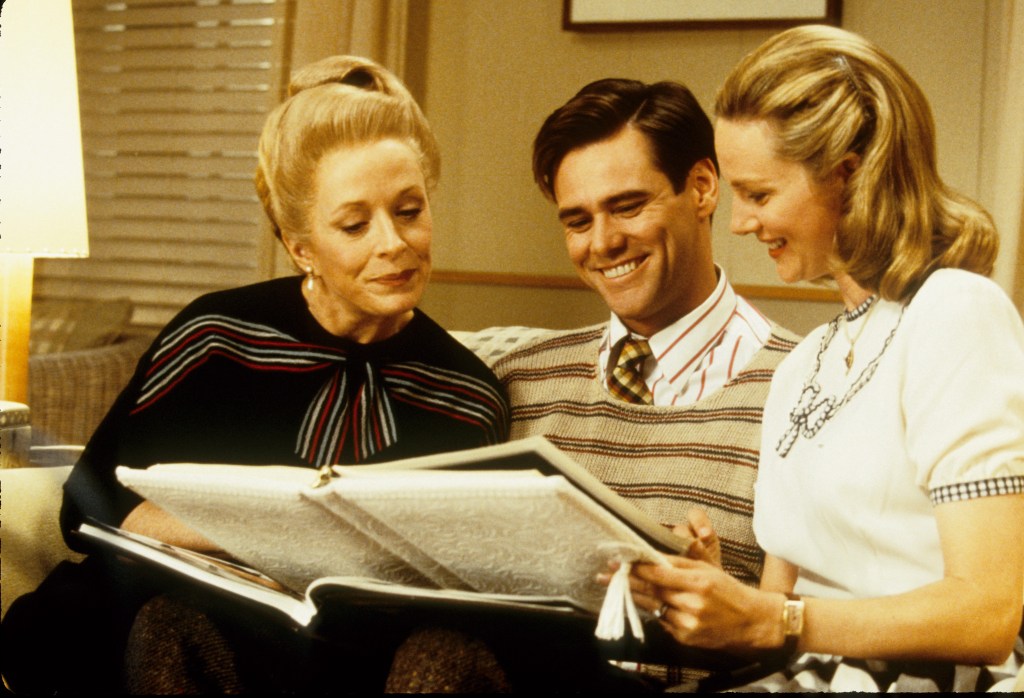
The Truman Show (1998): Peter Weir’s satire of reality television required a world that felt "too perfect." By building the town of Seahaven within a massive soundstage, the production team created an environment that was fundamentally artificial, mirroring the film’s narrative conceit.
Star Wars: Episode I – The Phantom Menace (1999): George Lucas famously pushed the boundaries of the digital backlot. By utilizing green screens to extend physical sets, Lucas demonstrated that the physical constraints of a soundstage were no longer a barrier to the scale of the galaxy.

Harry Potter and the Philosopher’s Stone (2001): The creation of Hogwarts was a monumental task of craftsmanship. Using a mix of large-scale physical sets and intricate miniatures, the production team at Leavesden Studios built a world that felt tactile and lived-in, grounding the magical elements in physical reality.
The Lord of the Rings Trilogy (2001-2002): While New Zealand provided the sweeping exteriors, Weta Workshop’s work inside the studio was equally vital. Interiors like the cozy, circular rooms of Bag End or the subterranean terror of the Mines of Moria were masterclasses in set design that blended seamlessly with natural environments.
The Stylized Eras (2005–2017)
Following the success of digital integration, filmmakers began using the studio to craft highly specific, non-naturalistic visual styles.
Sin City (2005): Robert Rodriguez took the concept of the studio film to its logical extreme. By shooting against green screens and using digital backdrops, the film achieved a high-contrast, black-and-white comic book aesthetic that would have been impossible to replicate in a real city.
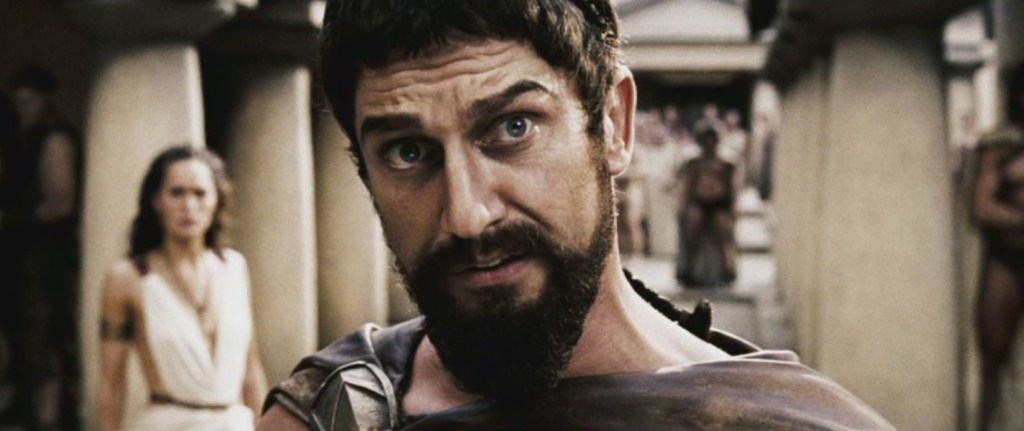
300 (2006): Similar to Sin City, Zack Snyder used a "digital backlot" to bring Frank Miller’s graphic novel to life. The film’s saturated colors and hyper-stylized action sequences were the result of a production that never stepped foot outside the studio environment.
The Dark Knight (2008): Christopher Nolan is known for his dedication to practical effects, yet even his gritty version of Gotham relied heavily on studio ingenuity. Many of the most iconic urban sequences were a blend of physical sets and controlled city composites, allowing Nolan to maintain his signature realism while exerting full control over the environment.

Avatar (2009): James Cameron’s epic set the gold standard for performance capture within the studio. The world of Pandora was, for all intents and purposes, a digital soundstage, where actors performed in a "volume" that was later populated with the lush, alien landscapes of the planet.
Alice in Wonderland (2010): Tim Burton utilized the studio to create a surrealist masterpiece. The film’s environments were heavily built, then expanded with digital effects to create a sense of scale and distortion that felt uniquely "Wonderland."
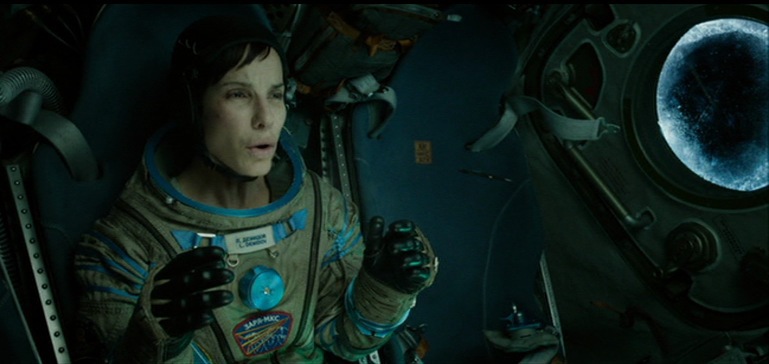
Gravity (2013): Alfonso Cuarón’s space thriller pushed the technical limits of the studio. By utilizing specialized robotic rigs and light boxes, the production simulated the weightlessness of space without ever leaving the ground.
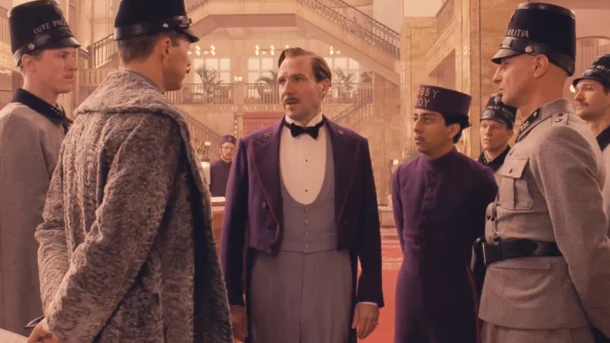
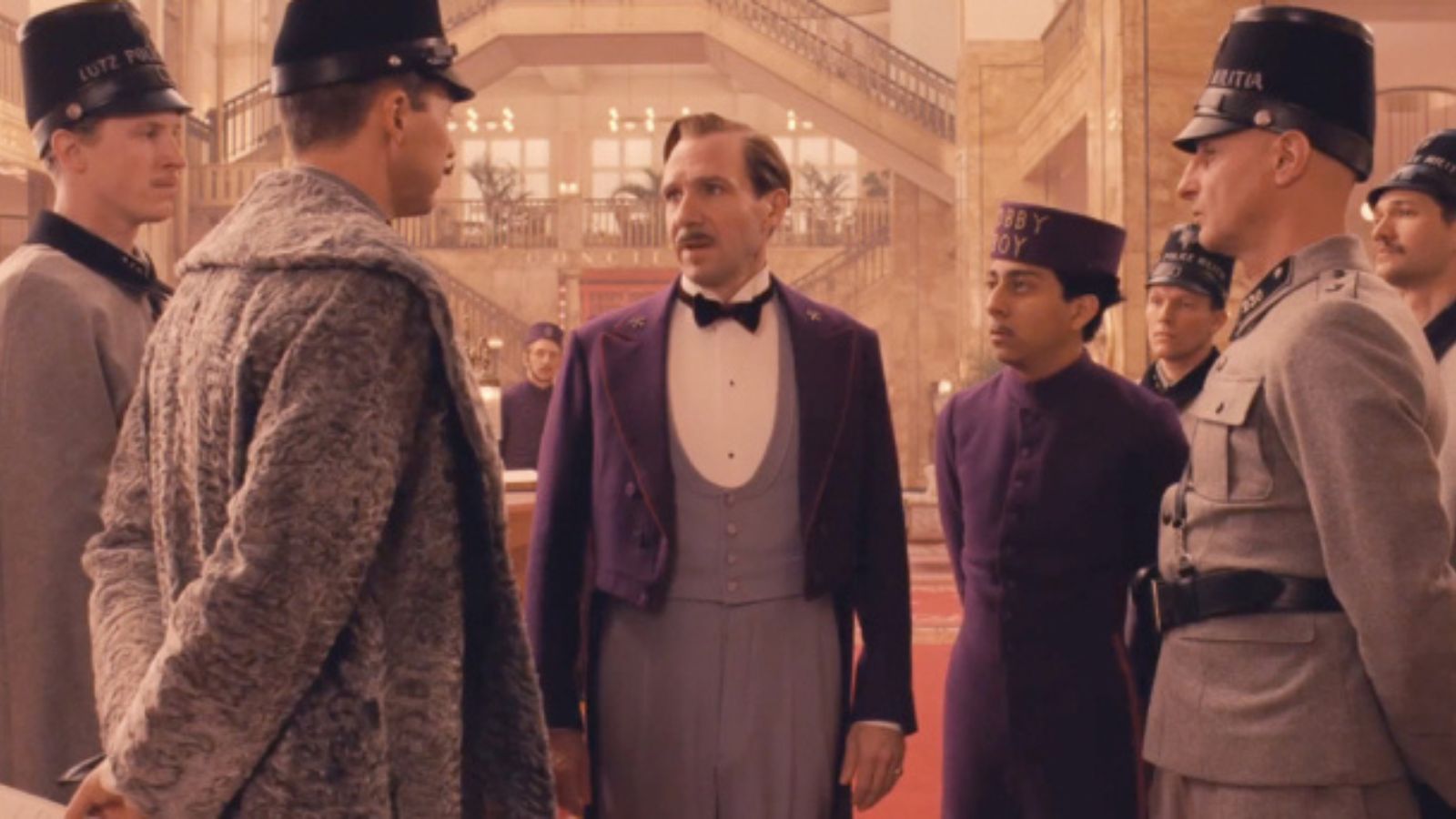
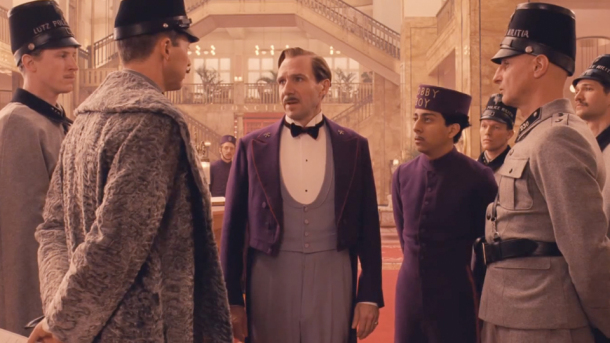
The Grand Budapest Hotel (2014): Wes Anderson’s work is the modern pinnacle of visual symmetry. Every frame of the film is a product of absolute control, with sets designed like dioramas to maintain a specific, storybook visual language.

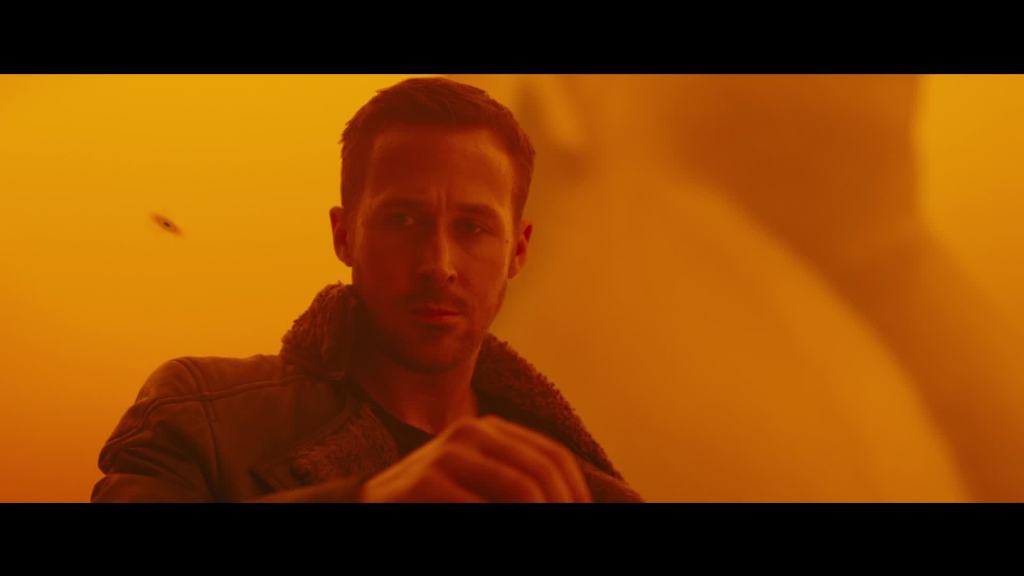
Blade Runner 2049 (2017): Denis Villeneuve and cinematographer Roger Deakins utilized massive, physical sets combined with controlled lighting to evoke the oppressive, futuristic atmosphere of their dystopian landscape, proving that even in a digital age, physical sets retain a unique, tangible weight.
Supporting Data: The Logistics of Studio Production
The economics of studio filming are shifting. While building a set costs significant capital upfront, it mitigates the "weather risk" and "logistical drag" associated with location shooting.
- Production Speed: Studio shoots are generally 15–20% faster due to the absence of travel time and the ability to control the lighting environment 24/7.
- Digital Extension Ratio: In films like Avatar or The Phantom Menace, the ratio of physical set to digital extension is often 1:4, meaning for every square foot of physical set built, four square feet of digital environment are rendered to match the lighting and color grade.
- Sustainability: Modern studio productions have significantly reduced their carbon footprint by minimizing the need to transport large crews and equipment to remote, global locations.
Official Responses and Industry Impact
The creative community remains divided on the "studio vs. location" debate. Proponents of studio-bound production, such as George Lucas and Peter Jackson, argue that the studio is the only place where true, uncompromised artistic vision can be executed.
"When you are on location, you are at the mercy of the world," noted a veteran production designer during a 2025 industry panel. "When you are in the studio, you are the god of that world. Every shadow is a choice."
Conversely, critics argue that the over-reliance on studio environments can lead to a "sterile" feeling. They point to the "uncanny valley" that can occur when digital extensions fail to perfectly match the lighting of the practical set. However, as AI-driven lighting and real-time rendering (such as Unreal Engine) continue to evolve, the distinction between a "real" location and a "constructed" one is becoming increasingly irrelevant to the average viewer.
Implications for the Future
As we look toward the latter half of the 2020s, the "studio" is undergoing a metamorphosis. We are moving toward a future where the physical soundstage is augmented by high-resolution LED volumes (the "Volume" technology popularized by The Mandalorian). This allows for real-time, photo-realistic backgrounds that respond to camera movement, bridging the gap between the practical sets of the 1960s and the digital landscapes of the 2010s.

The 14 films listed here serve as the blueprint for this evolution. They prove that cinema is not merely the act of documenting the world as it is, but the act of constructing the world as it could be. Whether through the painted backdrops of the early days or the complex digital ecosystems of today, the studio remains the ultimate playground for the cinematic imagination.
As technology advances, we can expect even more ambitious projects that rely on the safety and precision of the studio. In a world of increasing uncertainty, the "studio parking lot" remains a sanctuary—a place where, with enough lights, paint, and code, anything is possible.