


As the mercury rises across the Japanese archipelago and the humid summer air settles over Tokyo, millions of residents reach for a ubiquitous, cooling beverage: mugicha, or barley tea. While it remains a staple of the Japanese household—often kept in a large plastic pitcher in the refrigerator—few consumers stop to consider the complex, high-heat industrial process required to transform humble, raw grain into this aromatic, amber-colored infusion.
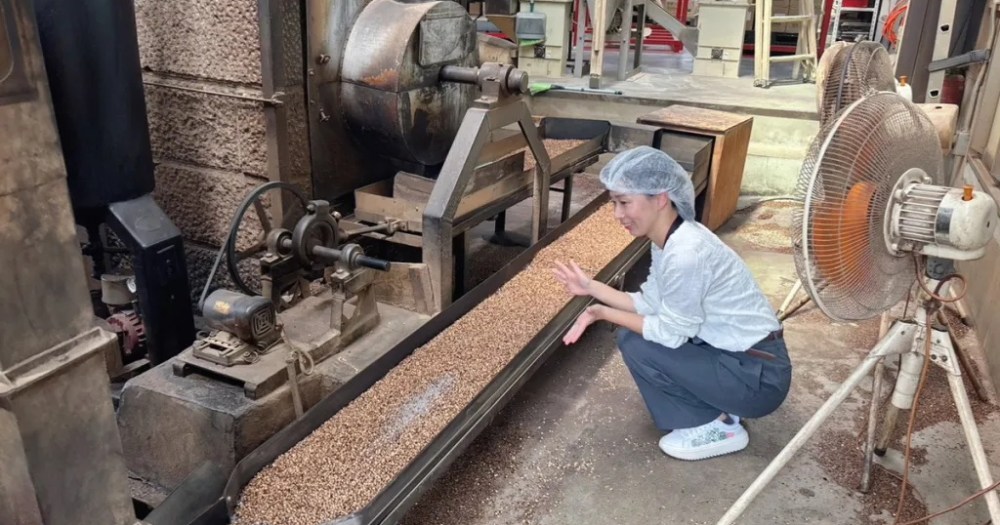
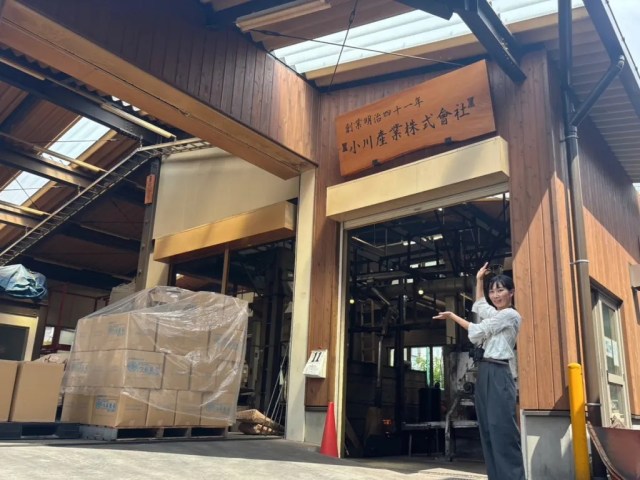
To demystify the process, we visited Ogawa Sangyo, a specialized producer located in Edogawa Ward. As one of only two remaining barley tea manufacturers with active production facilities within the Tokyo metropolitan area, the company offers a rare, unfiltered glimpse into the intersection of traditional roasting techniques and modern-day beverage production.

The Misnomer of "Tea"
The first revelation for the uninitiated is that mugicha is not tea in the botanical sense. Despite the Japanese kanji (麦茶) translating literally to "barley tea," the beverage contains absolutely no Camellia sinensis—the plant from which black, green, and oolong teas are derived.
Mugicha is an infusion, closer in spirit to a grain-based tisane or a coffee alternative. Its flavor profile—defined by toasted notes, earthy undertones, and a subtle, popcorn-like sweetness—is entirely the result of the Maillard reaction occurring within the barley grain during the roasting phase.
Sourcing and the Supply Chain Challenge
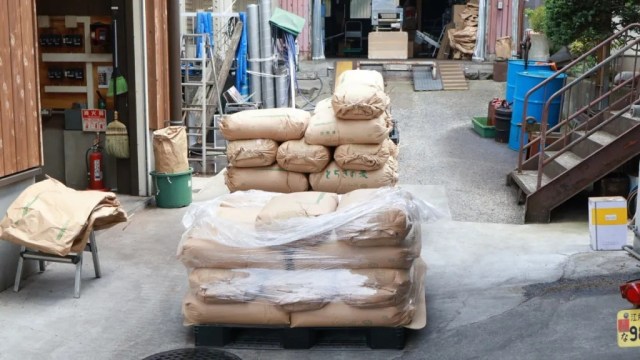
Ogawa Sangyo’s operation begins long before the roasting machines are ignited. The quality of the end product is inextricably linked to the quality of the raw grain. The company prioritizes domestic sourcing, procuring barley primarily from the prefectures of Ibaraki, Tochigi, and Toyama.
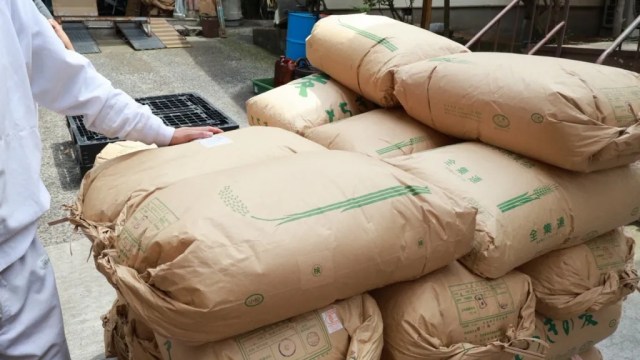
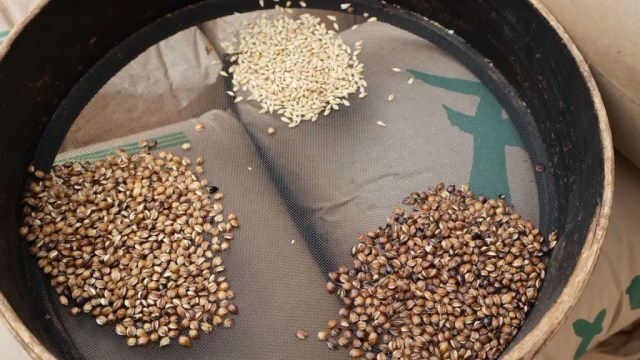
This commitment to "Made in Japan" ingredients has become increasingly difficult to maintain. Over the past decade, Japan has seen a steady decline in the number of active barley farmers. As the aging population of the agricultural sector continues to shift, the cost of sourcing high-quality, domestic, non-GMO barley has risen. Despite these economic pressures, Ogawa Sangyo remains committed to its local supply chain, often blending two distinct strains of barley to achieve a more nuanced, robust flavor profile that generic mass-produced versions lack.
The Art of the Roast: A Chronology of Heat
The transformation from raw grain to beverage-ready ingredient is a masterclass in thermal dynamics. While most industrial producers have transitioned to convection-roasting—a method that uses heated air to bake the grains—Ogawa Sangyo adheres to a traditional direct-fire technique.
Phase 1: The Sand-Roasting Method
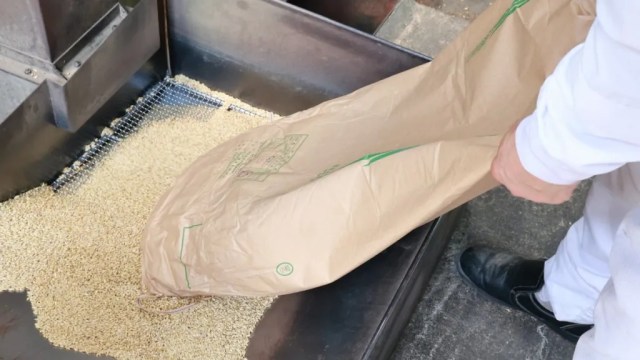
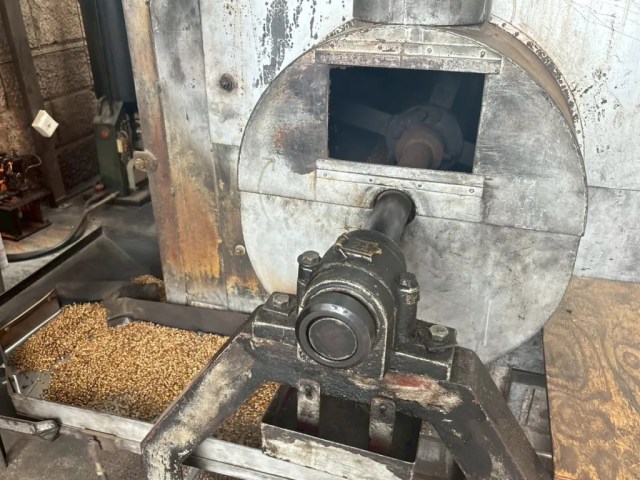
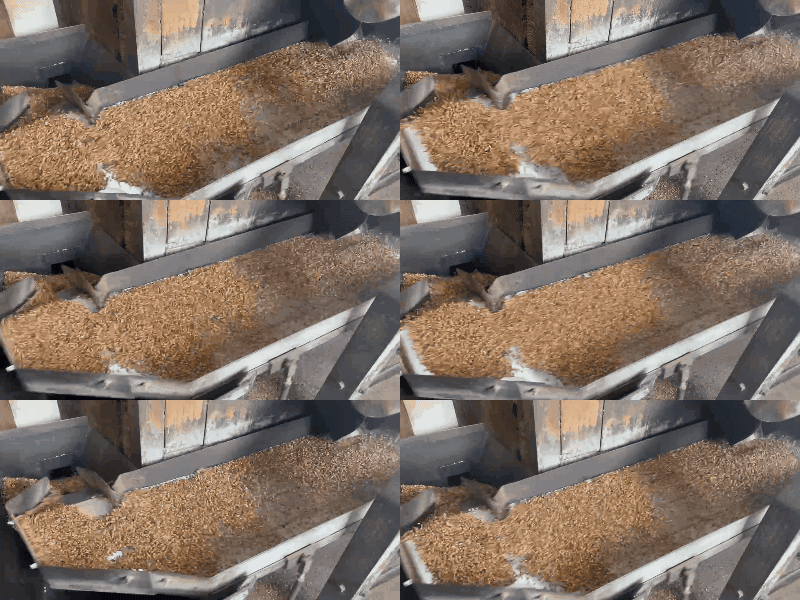
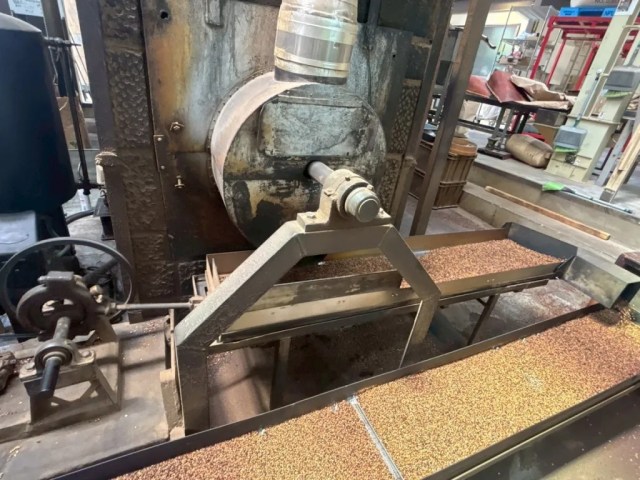
The centerpiece of the factory is a specialized roasting unit that utilizes sand as a heat-transfer medium. This technique, mirroring the age-old Japanese method for roasting yaki-imo (sweet potatoes), is critical for quality. The sand acts as a buffer, absorbing the intensity of the direct flame and distributing infrared heat evenly across every grain. This prevents the outer layer of the barley from scorching, allowing the heat to penetrate to the core.
Phase 2: The Two-Stage Thermal Process
The roasting is executed in two precise stages, a signature of the Ogawa process:
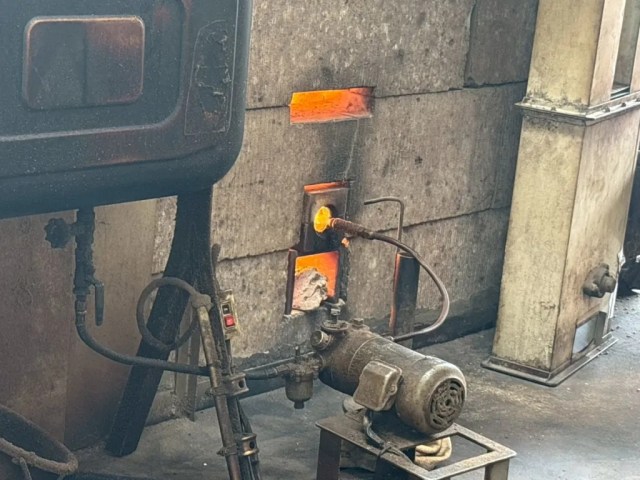
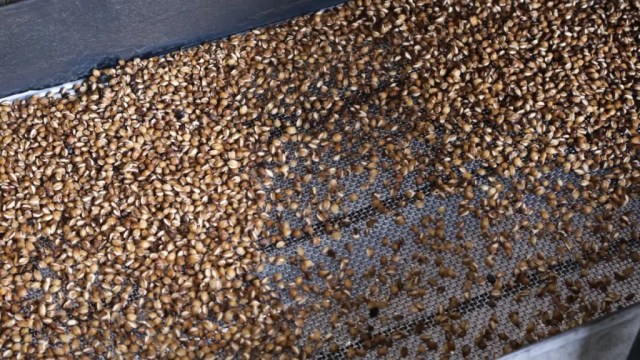
- Initial Sear: The grains are subjected to an intense, one-minute burst of heat at 250 degrees Celsius (482 degrees Fahrenheit). Emerging from this phase, the barley has transitioned from a pale, straw-like hue to a rich, light brown. At this point, the aroma is strikingly similar to fresh popcorn, possessing a crisp, crunchable texture that makes it a viable snack in its own right.
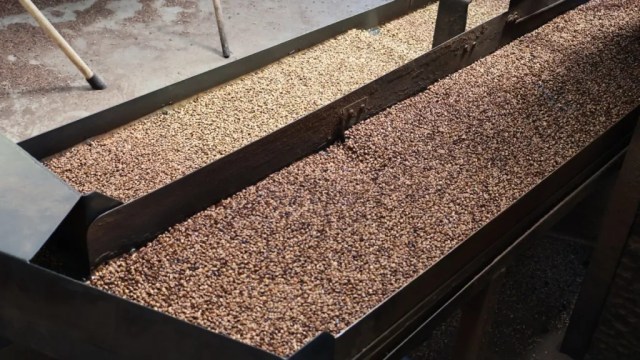
- Refinement: Following the initial sear, the grains undergo a secondary, more controlled roast for one minute at a lower temperature of 180 degrees Celsius (356 degrees Fahrenheit). This step serves to deepen the color and "plump" the grains as they expand.
This two-stage approach is significantly more labor-intensive and requires constant monitoring by skilled technicians. However, according to the facility’s leadership, it is the only way to achieve the complex, toasted aroma that distinguishes premium mugicha from budget alternatives.

Packaging and the "Triangular" Theory
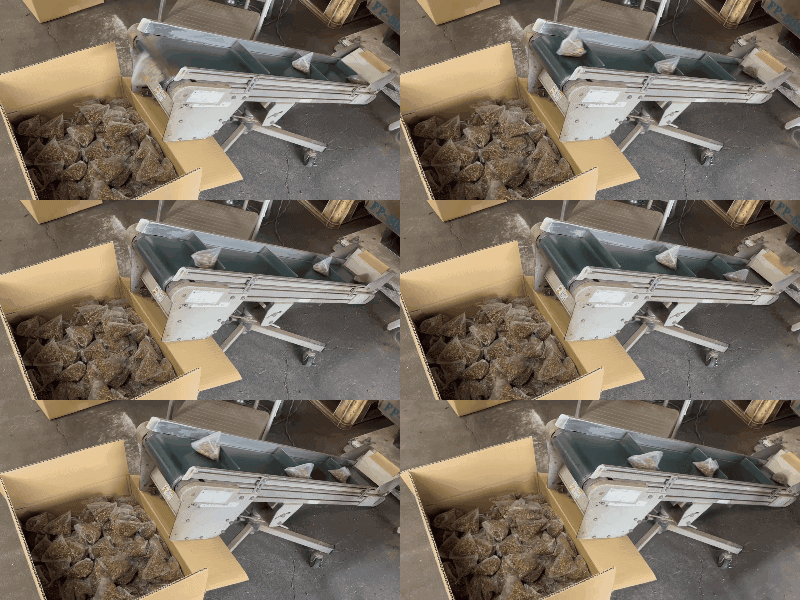
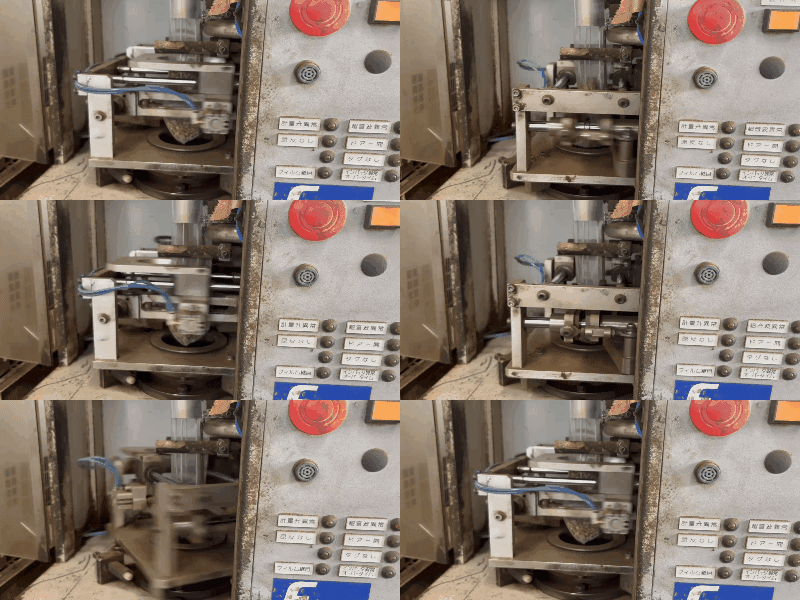
Once the barley has been roasted, cooled, and processed, it must be packaged. The factory operates with a rhythm of high-speed automation and meticulous manual oversight. A sophisticated bundling machine processes the roasted grains into tea bags at a rapid clip of 50 bags per minute.
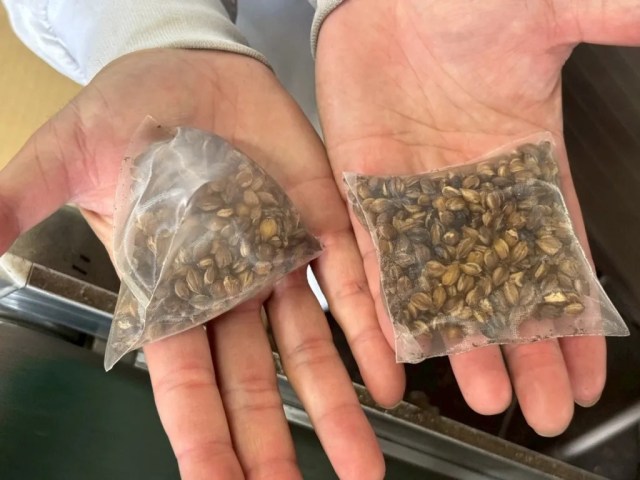
The company produces both triangular and rectangular tea bags. During our visit, we were presented with a compelling argument regarding the physics of steeping: the triangular bags are superior.
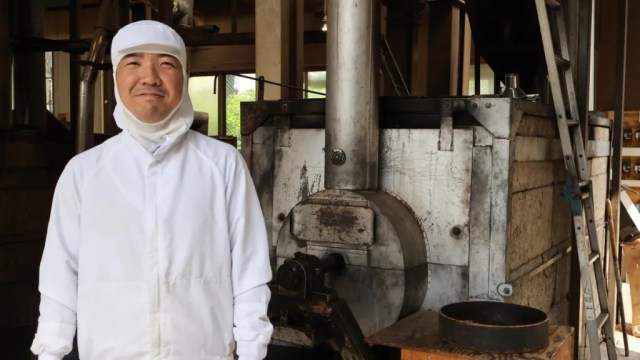
"The geometry of the bag dictates the efficiency of the infusion," explains company president Keisuke Ogawa. The triangular design provides additional internal volume, allowing the barley grains to tumble and move freely as hot water is introduced. This movement ensures that the water circulates thoroughly around every surface area of the grain, resulting in a more uniform extraction of flavor and a quicker steeping time.
Once the machine seals the bags, the final packaging—placing the tea bags into retail boxes—is performed by hand to ensure quality control and prevent damage to the delicate mesh of the bags.
The Human Element: Working in the Heat
The environment within the factory is a testament to the dedication required to maintain these traditional methods. Because of the open-flame, high-heat roasting ovens, the ambient temperature inside the facility is consistently 10 degrees Celsius (18 degrees Fahrenheit) higher than the outside air.
For the workers at Ogawa Sangyo, this heat is the "hidden ingredient" of their product. Standing next to industrial-sized ovens during a Japanese summer requires a level of physical endurance that is rarely acknowledged by the consumer. It is a stark reminder that while the finished product is a refreshing, cool beverage, its creation is an intense, sweltering endeavor.
Implications for the Industry
The survival of small-scale, high-quality producers like Ogawa Sangyo is vital to the preservation of Japan’s culinary heritage. As large-scale manufacturers move toward cheaper, high-volume production methods—often sacrificing the depth of flavor provided by direct-fire and sand-roasting—the market for artisanal mugicha becomes a niche but essential segment.
The implications for consumers are clear: the difference between a mass-produced tea bag and an artisanal one is not merely branding. It is the result of thousands of years of accumulated knowledge regarding grain-roasting, the deliberate choice to maintain higher production costs for the sake of quality, and the willingness to endure a challenging working environment.
As we look toward the future of the beverage industry in Japan, the role of these local factories becomes increasingly significant. They do not just produce a drink; they maintain a connection to a simpler time, when a cup of barley tea was not just a way to hydrate, but a craft-based ritual that reflected the season, the soil, and the skill of the roaster. For the next glass of mugicha you pour, consider the heat, the grain, and the hands that prepared it—it may just taste a little more refreshing.











