

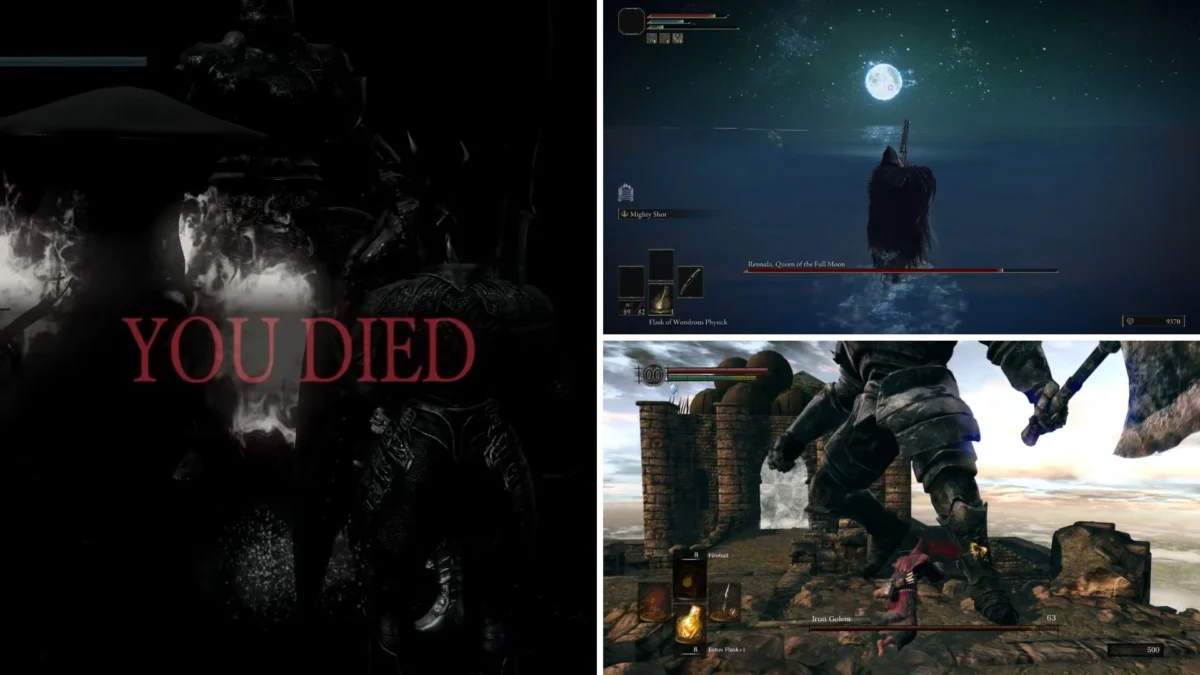
FromSoftware’s Soulsborne series has captivated a global audience with its challenging gameplay, intricate lore, and rewarding sense of accomplishment. However, for players who have delved into Lordran, Yharnam, or the Lands Between countless times, the familiar paths can sometimes lose their luster. Fortunately, the robust Soulsborne community has devised a plethora of innovative ways to inject fresh challenge and replayability into these beloved titles. This article explores ten distinct methods, ranging from self-imposed limitations to game-altering modifications, that can transform your next playthrough into an entirely new adventure.
The Enduring Allure of Replayability
The inherent replayability of Soulsborne games stems from several core design principles. The non-linear nature of progression in titles like Dark Souls and Elden Ring allows for varied approaches to exploration and boss encounters. Furthermore, the deep build variety, encouraging players to experiment with different weapon classes, spells, and stat distributions, provides ample reason to start anew. Beyond these intrinsic elements, a dedicated modding community has emerged, pushing the boundaries of what’s possible within these established game worlds.
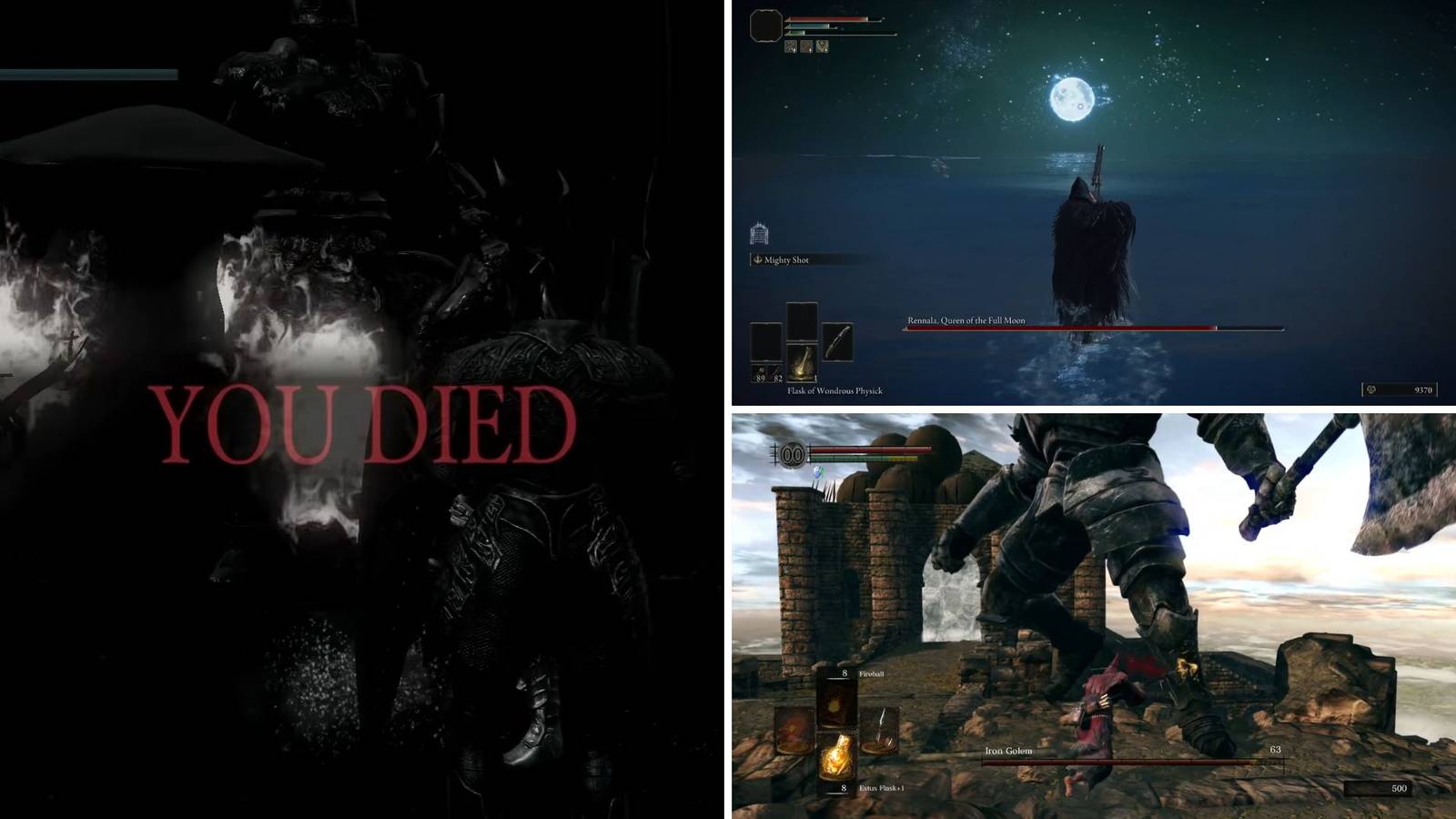
This exploration will delve into challenges that range from simple, yet demanding, personal restrictions to more complex, externally applied modifications that fundamentally alter the game’s mechanics and content. Whether you’re a seasoned veteran seeking a new peak to conquer or a curious newcomer looking for a unique entry point, these methods promise to reignite your passion for the Soulsborne legacy.
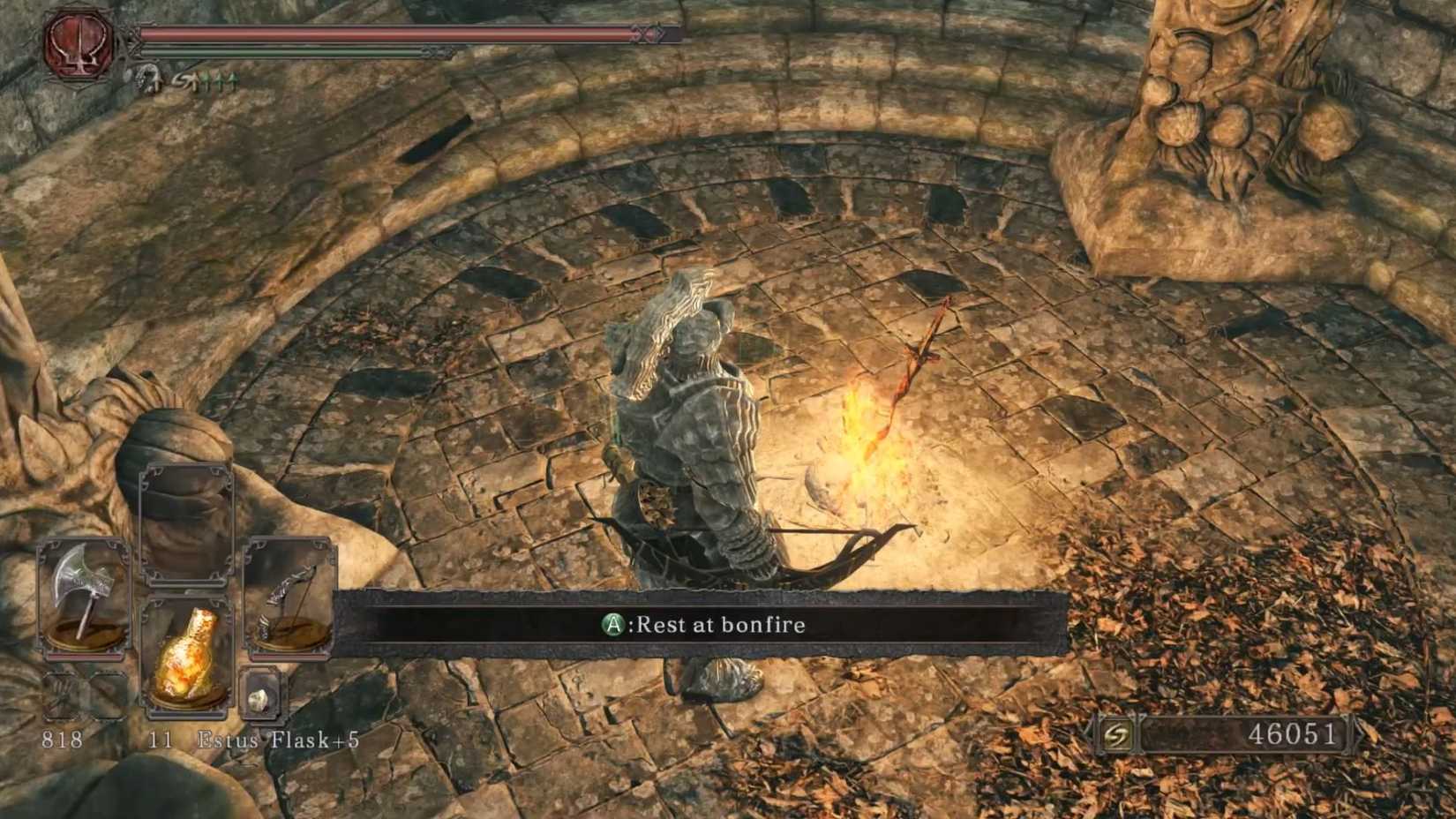
10. No Resting Required: The Marathoner’s Gauntlet
One of the most elegant and punishing challenges available, the "No Resting Required" run fundamentally alters the player’s relationship with the game’s core mechanics. While applicable to all Soulsborne titles, its truest form is best experienced in Dark Souls 2.

The Longest Treks
In Dark Souls 2, the progression system differs significantly from its predecessors. Instead of relying on bonfires for leveling up, players interact with the Emerald Herald. This crucial distinction makes a "no resting" run more manageable, as the primary incentive for resting – character progression – is detached from the bonfires themselves. The challenge here lies in the arduous trek back to Majula, the game’s central hub, after each boss encounter or significant exploration. Losing your collected souls becomes a far more palpable threat when there’s no convenient bonfire to respawn at, forcing a more cautious and deliberate playstyle.
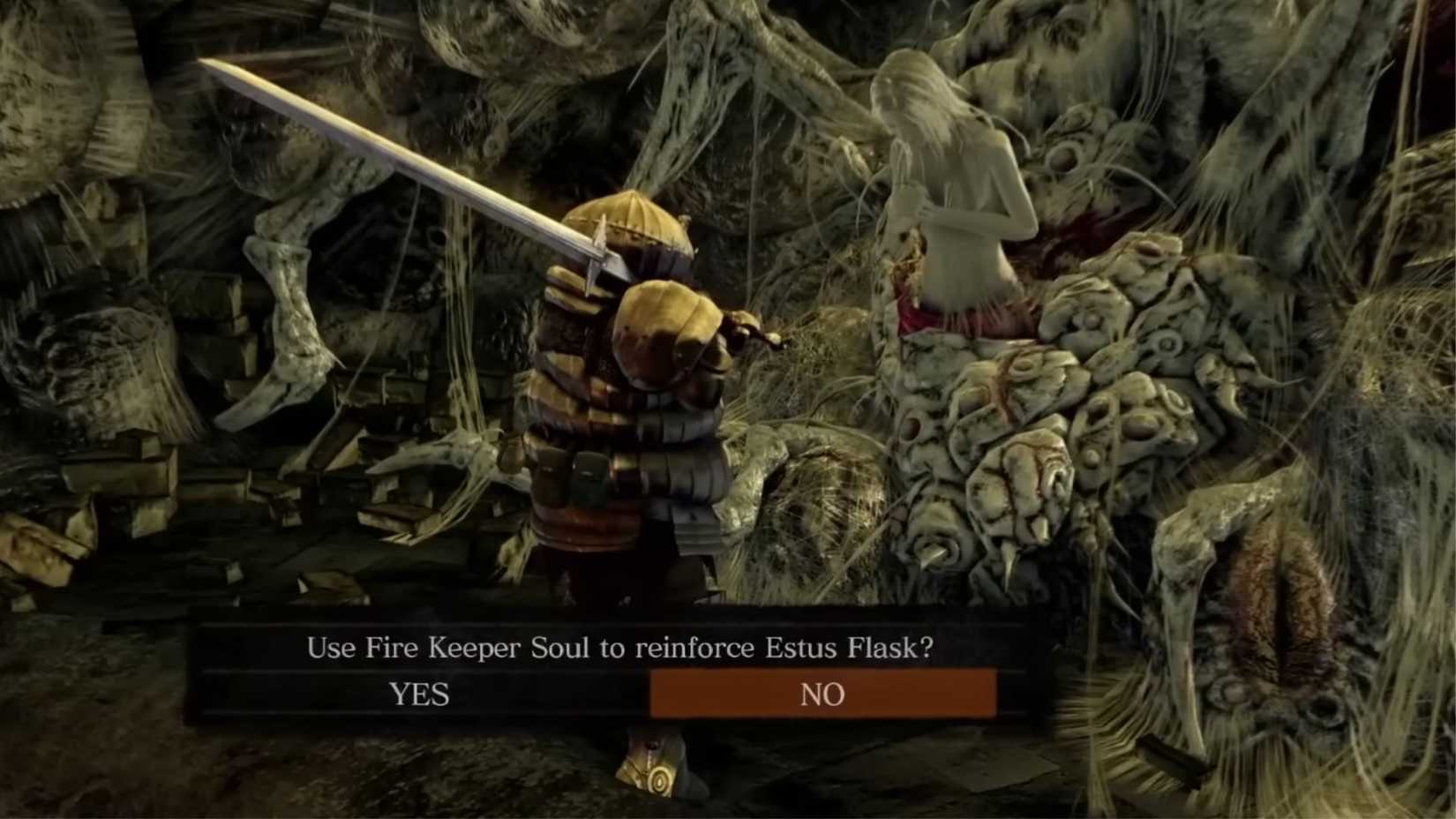
Extending this challenge to Dark Souls or Elden Ring presents a steeper, yet equally rewarding, hurdle. In Dark Souls, the restriction could be to rest solely at Firelink Shrine, the game’s central bonfire. For Elden Ring, players might opt to rest only when absolutely necessary for story progression or to acquire crucial items, making each leveling opportunity a strategic decision. This restriction imbues the game with a heightened sense of tension, where every enemy encounter and every lost soul carries significant weight. The journey back to a safe haven becomes a perilous expedition in itself, transforming familiar landscapes into daunting stretches of unknown danger.

9. One Shot: The Ultimate Test of Knowledge
The "One Shot" challenge is a testament to a player’s deep understanding of game mechanics, enemy weaknesses, and optimal build crafting. It demands an almost encyclopedic knowledge of every buff, spell, weapon, and consumable within a given Soulsborne title.
One Kill
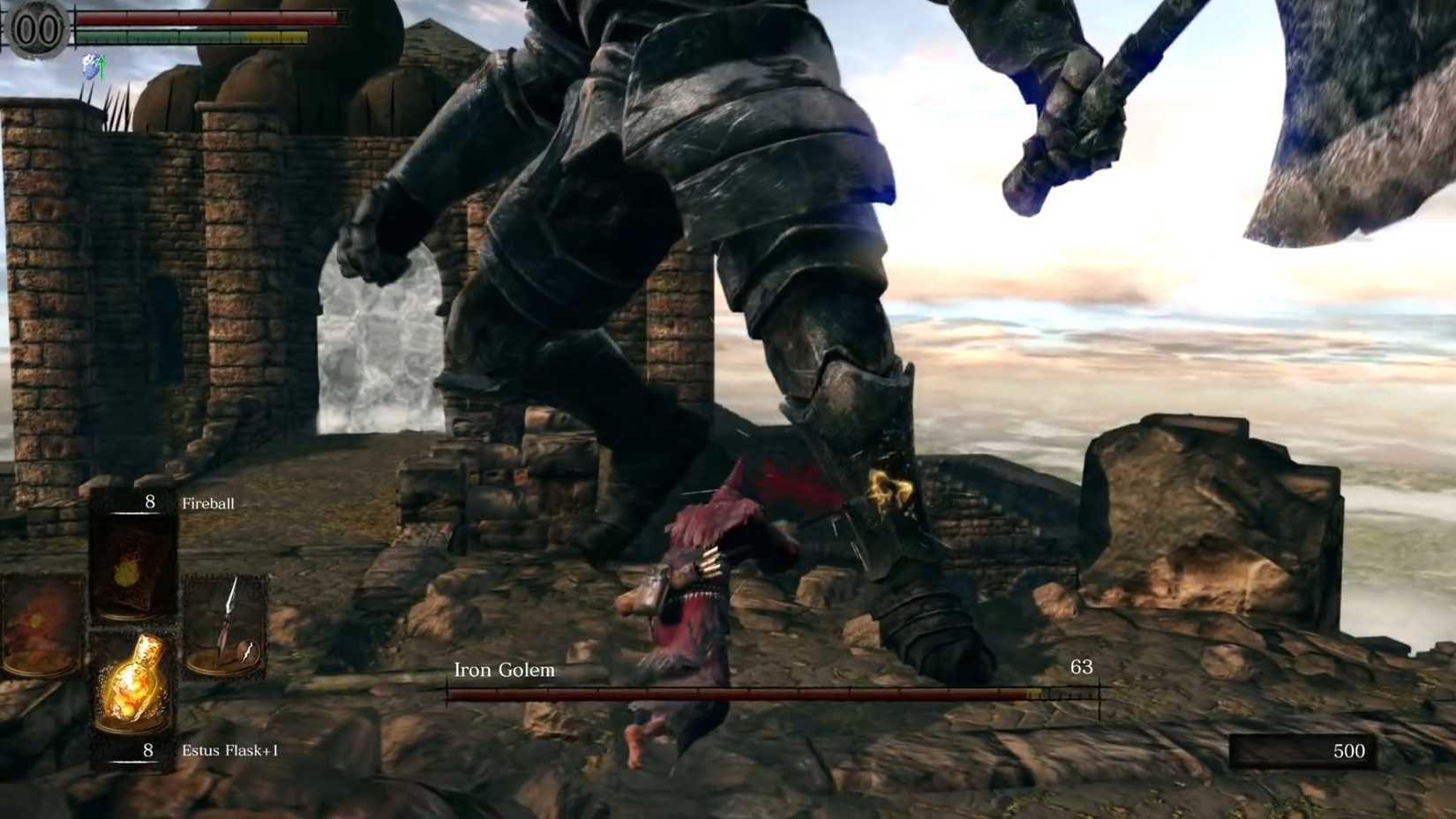
The premise is deceptively simple: defeat every enemy, including bosses, with a single, decisive blow. This is not merely about dealing massive damage; it’s about exploiting every possible advantage to achieve an instantaneous kill. This often involves intricate setups, including specific weapon enchantments, potent buff spells, well-timed critical hits, or the strategic use of environmental hazards.
While the challenge is most commonly associated with Dark Souls, its principles can be adapted to other entries. The sheer depth of mechanics in Elden Ring, with its vast array of Ashes of War and potent incantations, offers unique avenues for achieving one-shot victories. Successfully executing this challenge requires meticulous planning and execution, often involving hours of preparation and numerous failed attempts. The payoff, however, is immense: the satisfaction of dismantling even the most formidable foes with a single, perfectly executed maneuver is unparalleled. It transforms the player from a resilient survivor into a surgical instrument of destruction, demonstrating a mastery of the game’s systems that few can achieve.
8. Spells/Incantations Only: The Arcane Ascendancy
For players who typically gravitate towards the brute force of melee combat, the "Spells/Incantations Only" challenge offers a refreshing departure, forcing them to embrace the mystical arts. This restriction emphasizes strategic positioning, careful mana management, and a deep understanding of the game’s magical offerings.
No Weapons Needed
While many players dabble in magic builds alongside their physical combat prowess, this challenge mandates a singular reliance on spells, miracles, or incantations. This means foregoing all conventional weapons, relying solely on the arcane energies that the world provides. The focus shifts from dodging and striking to precisely timing spells, identifying optimal casting windows, and conserving precious FP (Focus Points).
This challenge is particularly engaging in titles like Elden Ring, which boasts an expansive spell list and a diverse range of build options centered around sorcery and incantations. Players will need to meticulously seek out powerful spells, invest in the appropriate stats, and perhaps even find ways to buff their magical output through talismans and armor. The game transforms into a puzzle where each encounter is solved through the judicious application of magical force. It’s a demanding yet highly rewarding experience that highlights the often-underutilized depth of Soulsborne magic systems.
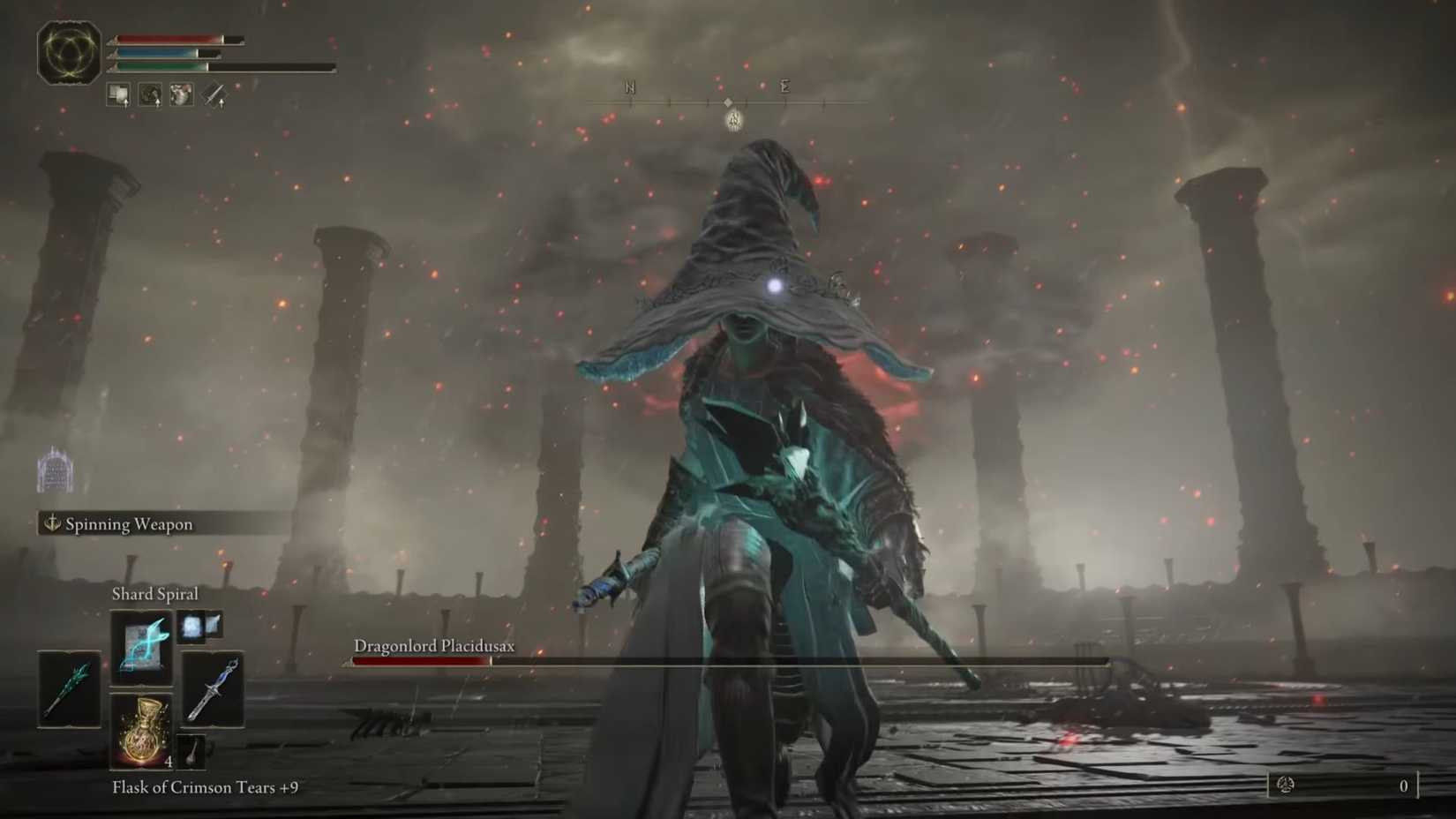
7. Archery Challenge: The Marksman’s Precision
Bows and crossbows are often relegated to a secondary role in Soulsborne games, primarily used for pulling individual enemies or dealing chip damage from a distance. The "Archery Challenge" elevates these often-overlooked tools to the forefront, demanding a new approach to combat and exploration.
Bows Can Be Fun
This challenge involves completing the entire game using only bows and crossbows as your primary offensive tools. This fundamentally alters the combat loop, requiring players to master projectile arcs, manage ammunition, and exploit enemy movement patterns to land crucial shots. The timing and aiming required for ranged combat are vastly different from the close-quarters dance of melee, forcing players to adapt their reflexes and strategic thinking.

While this challenge is viable in all Soulsborne titles, Elden Ring presents a particularly compelling environment for it. The game’s larger, more open areas and the inclusion of potent Ashes of War for bows provide a richer arsenal and more opportunities for effective ranged combat. The thrill of landing a perfectly aimed headshot on a dangerous enemy from afar, or kiting a formidable boss across a vast arena, offers a unique and exhilarating gameplay experience. It forces players to think tactically about positioning and enemy aggression, transforming them into cunning hunters rather than direct combatants.
6. Cosplay: Embodying the Icons
The Soulsborne series is renowned for its memorable cast of characters, from tragic heroes to enigmatic lore keepers. The "Cosplay" challenge invites players to step into the shoes of their favorite NPCs, not just by wearing their armor, but by attempting to replicate their combat style and overall approach to the game.
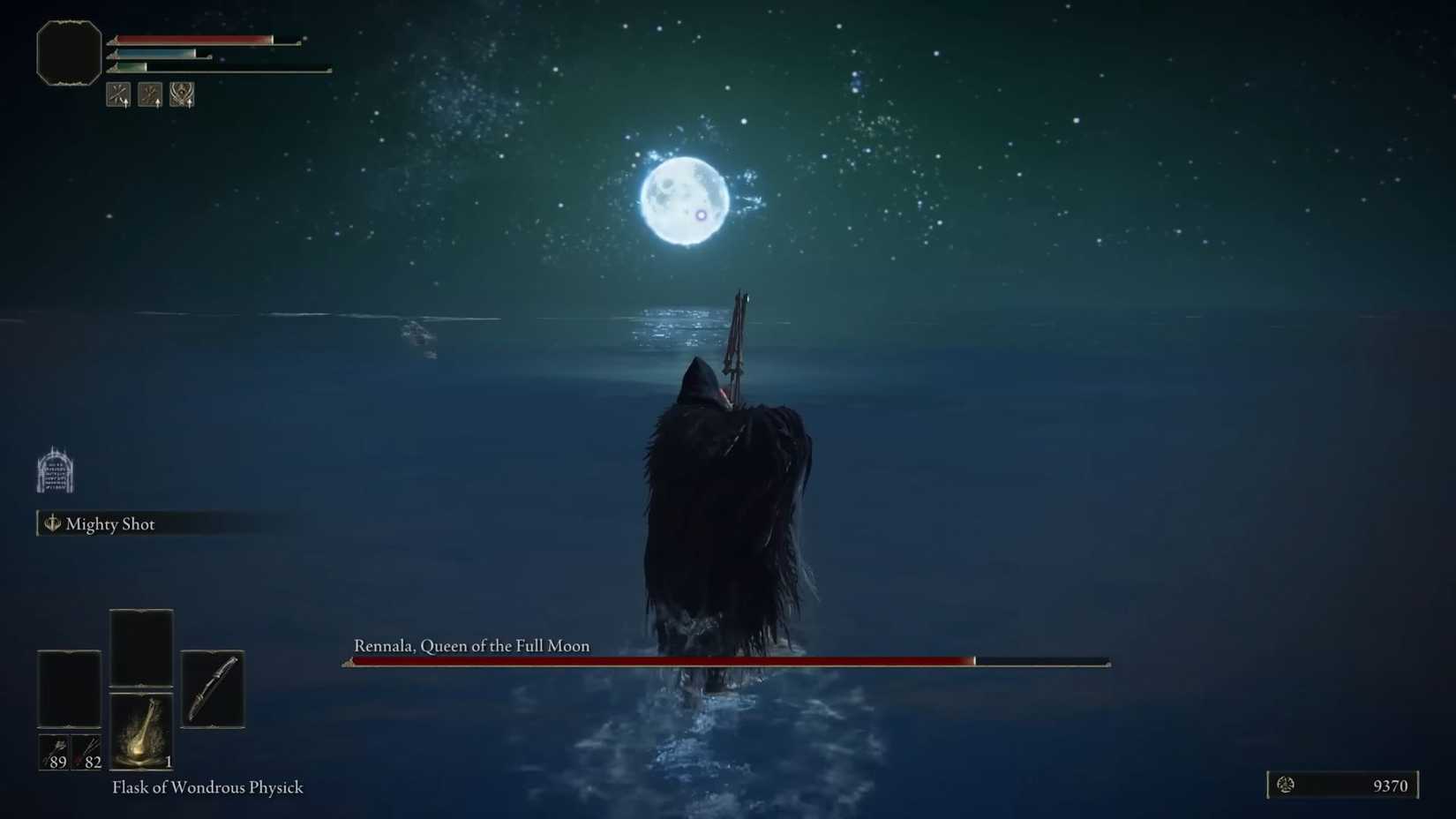
Pick an NPC
This challenge requires players to equip themselves with the gear and, where possible, mimic the combat style of a specific in-game character. This could be Solaire of Astora, with his unwavering faith and reliance on his signature sword; Siegmeyer of Catarina, known for his stout defense and surprising resilience; or even a more obscure character with a unique weapon or magic set.
The true depth of this challenge lies in understanding the NPC’s in-game behavior and lore. For instance, attempting to play as a character who is known for their tragic fate might involve a more melancholic or self-sacrificing approach to combat. This challenge encourages a deeper engagement with the game’s narrative and world-building, forcing players to learn and adapt to unfamiliar playstyles. It’s a fantastic way to experience the game through a different lens, appreciating the intricate design of each character’s equipment and abilities.
5. Consumables Only: The Scavenger’s Strategy
For the ultimate test of resourcefulness and improvisation, the "Consumables Only" challenge strips away all conventional weaponry and magical abilities, forcing players to rely entirely on the items they can find and craft.
Throwing Knives
This challenge dictates that players must defeat all enemies and bosses using only consumable items. This includes throwing knives, firebombs, poison pots, greases, and any other throwable or deployable item that deals damage. This restriction fundamentally alters the pacing and strategy of combat. Players can no longer rely on the consistent damage output of a weapon or the AOE capabilities of spells. Instead, they must meticulously manage their inventory, prioritize targets, and identify the most efficient consumable for each situation.
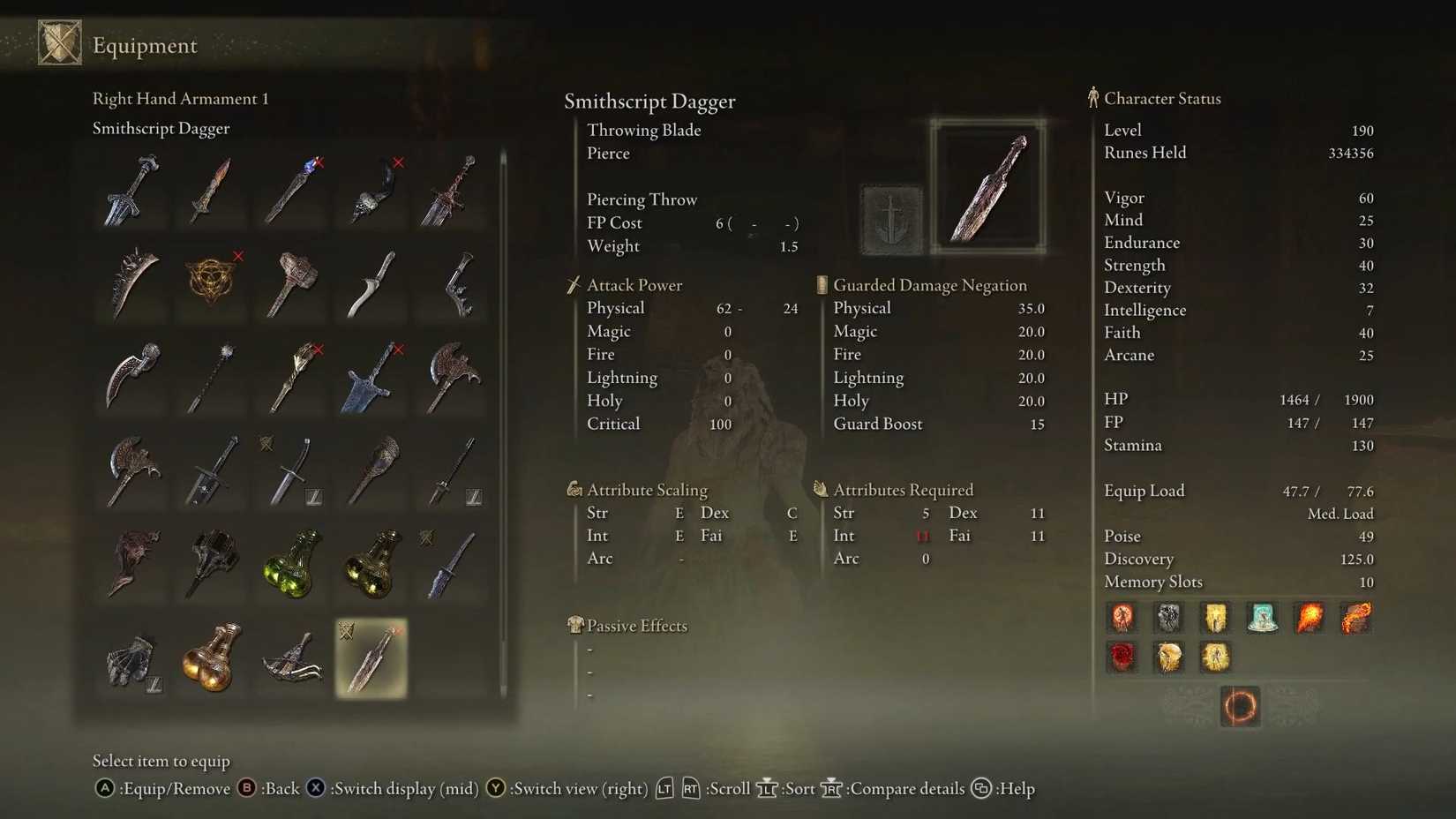
This challenge is particularly engaging in games with a robust crafting system, like Elden Ring, where players can create a wide array of damage-dealing items. It forces players to think critically about resource management, as each consumable used is a resource potentially lost forever. Boss encounters become elaborate puzzles, requiring players to learn enemy attack patterns and exploit openings with precisely timed item usage. It’s a testament to the game’s underlying mechanics that even the most basic items can be leveraged for victory with enough ingenuity and planning.
4. Summons Only: The Summoner’s Symphony
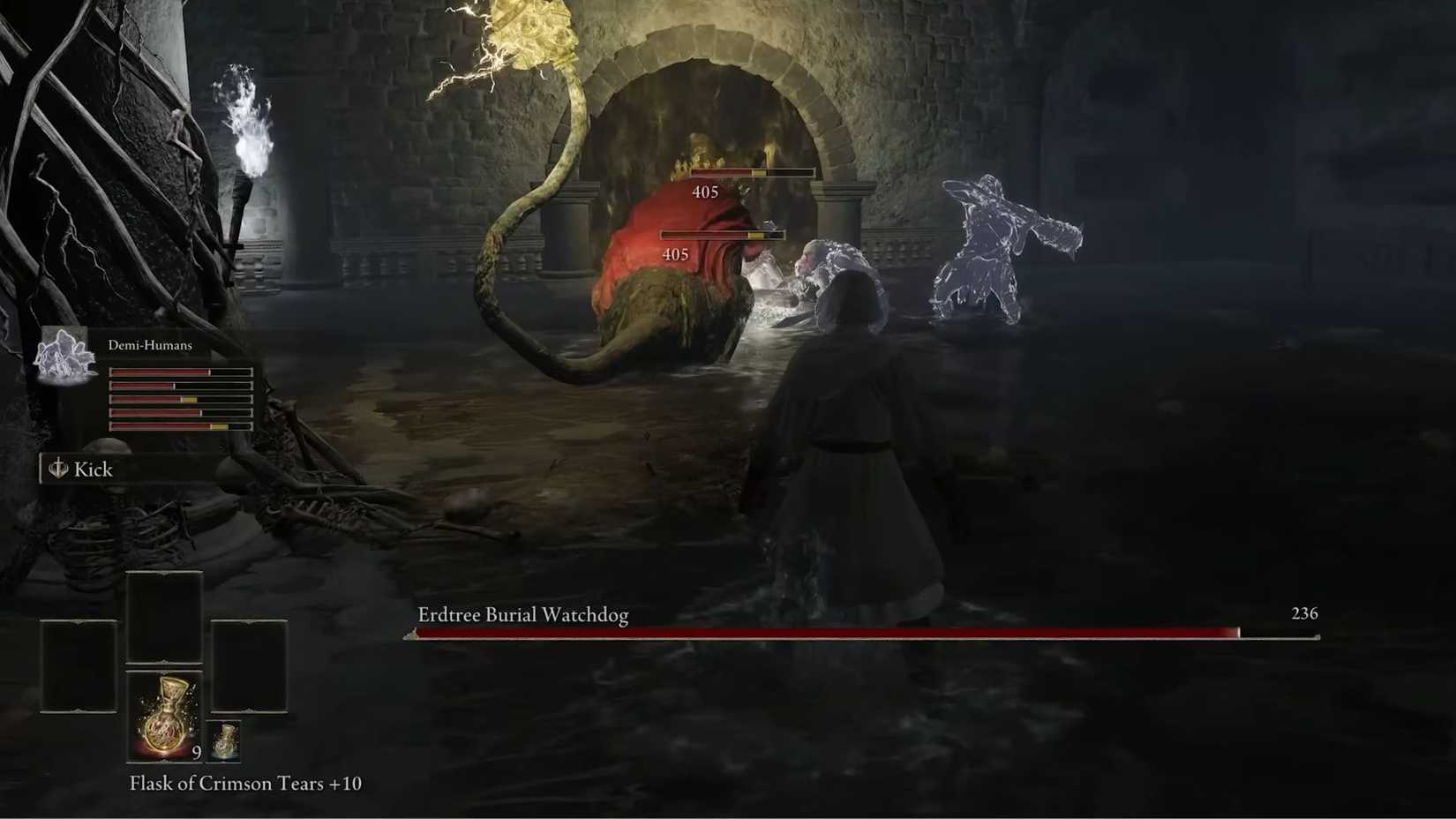
Elden Ring‘s introduction of the Spirit Calling Bell and its diverse array of Spirit Ashes has opened up a unique avenue for challenging playthroughs. The "Summons Only" challenge transforms players into strategic commanders, relying on their summoned allies to do the heavy lifting.
Pokémon Mode
This challenge involves completing the game with the player character dealing little to no direct damage. Instead, the player’s focus is on summoning and buffing their chosen Spirit Ashes to defeat enemies and bosses. In Elden Ring, this means building a character specifically designed to support and enhance their summoned companions, potentially through defensive buffs, healing spells, or items that boost their damage output.
The effectiveness of this challenge is most pronounced in Elden Ring due to the sheer variety and power of its Spirit Ashes. Players can experiment with different summon combinations, learning which spirits excel against specific enemy types and bosses. The game becomes a tactical management simulation, where the player’s role is to draw aggro, manage their summons’ health, and provide support while their digital army conquers the battlefield. While Dark Souls features NPC summons, the limited availability and less impactful nature of these allies make this challenge far less viable compared to Elden Ring‘s dedicated summon system.
3. Item Randomizer: The Unpredictable Journey
The "Item Randomizer" mod transforms the familiar landscape of a Soulsborne game into a realm of constant surprise. This mod scrambles the location of all items within the game, creating a completely unpredictable progression path.
Where Could They Be?
With an item randomizer, players can no longer rely on their muscle memory to find specific weapons, armor, or crucial quest items. A seemingly innocuous chest might contain the legendary weapon you’ve been searching for, or conversely, a powerful artifact could be found in the starting area. This unpredictability extends to starting classes as well, meaning each new run begins with a completely randomized loadout.
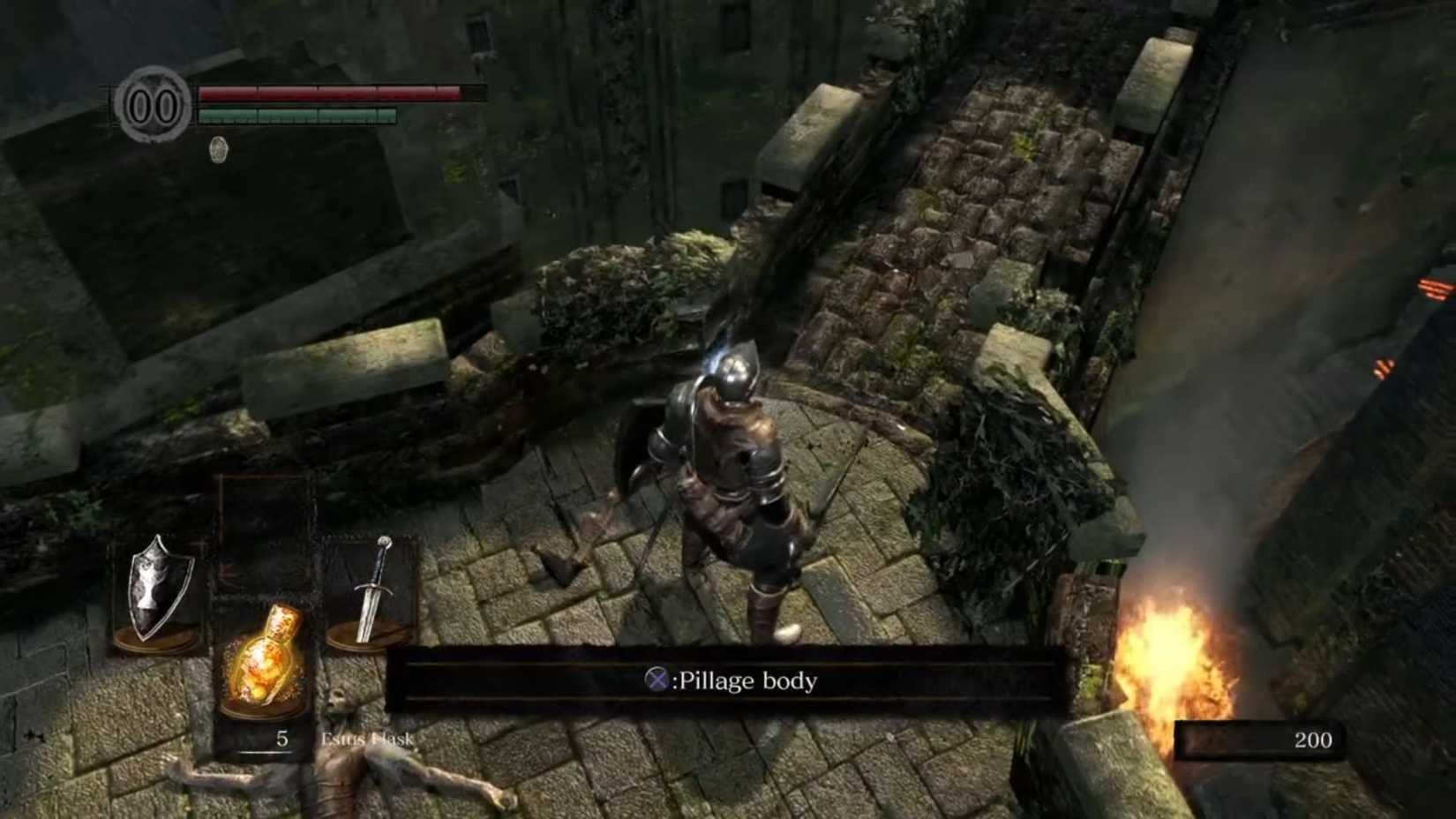
This challenge injects a potent dose of novelty into repeated playthroughs. The familiar routes become exciting expeditions into the unknown. Players are forced to adapt their strategies on the fly, learning to utilize whatever items they stumble upon. This can lead to incredibly unconventional builds and unexpected challenges. Imagine finding a powerful late-game weapon early on, or conversely, being stuck with a rudimentary starting weapon for an extended period. The item randomizer ensures that no two playthroughs will ever be the same, making the game feel fresh and engaging even after dozens of attempts.
2. Enemy Randomizer: The Chaos of Combat
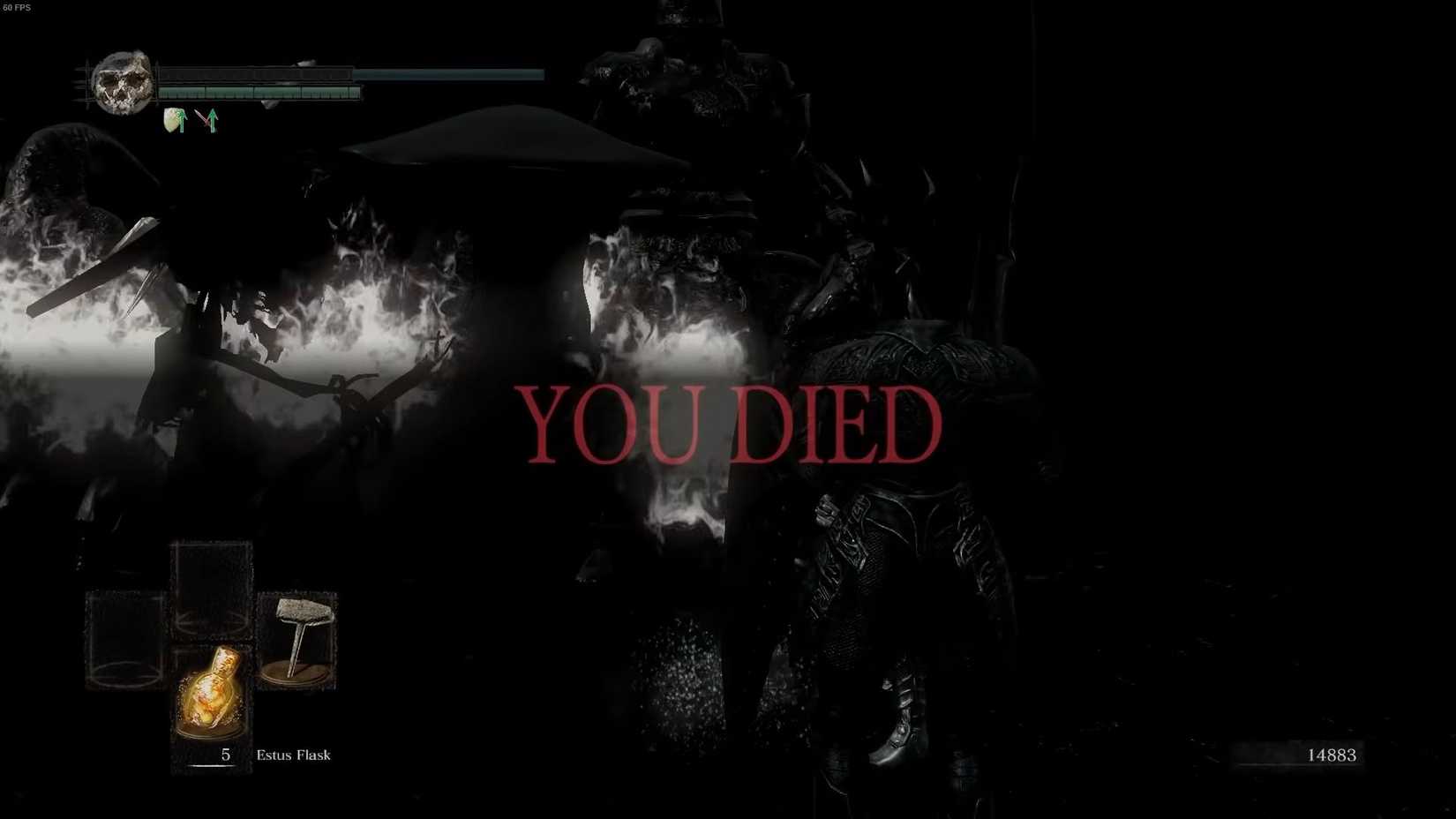
If the idea of randomized items is appealing, then the "Enemy Randomizer" takes the concept to an entirely new level of exhilarating chaos. This mod shuffles the placement of enemies throughout the game world, creating unpredictable encounters and demanding constant vigilance.
Switching Up the Enemies
An enemy randomizer can range from a mild reordering of foes to a complete overhaul of enemy placement. Players might find a terrifying boss lurking in an area usually populated by weak fodder, or vice versa. The challenge lies in never knowing what lies around the next corner, forcing players to approach every encounter with caution and a readiness to adapt.
This mod offers several tiers of randomization. Players can choose to randomize every enemy in the game, or opt for a more focused approach, such as randomizing only the bosses that appear behind fog walls. This level of unpredictability ensures that even the most familiar areas become fraught with new dangers. However, players must exercise caution, as some enemy placements can lead to unavoidable progression blocks or excessively difficult encounters in confined spaces. For instance, placing a colossal enemy in a small boss arena could render the game unplayable. It’s advisable to research community-recommended settings and perhaps leave certain iconic boss encounters in their original arenas to ensure a smoother, albeit still challenging, experience.
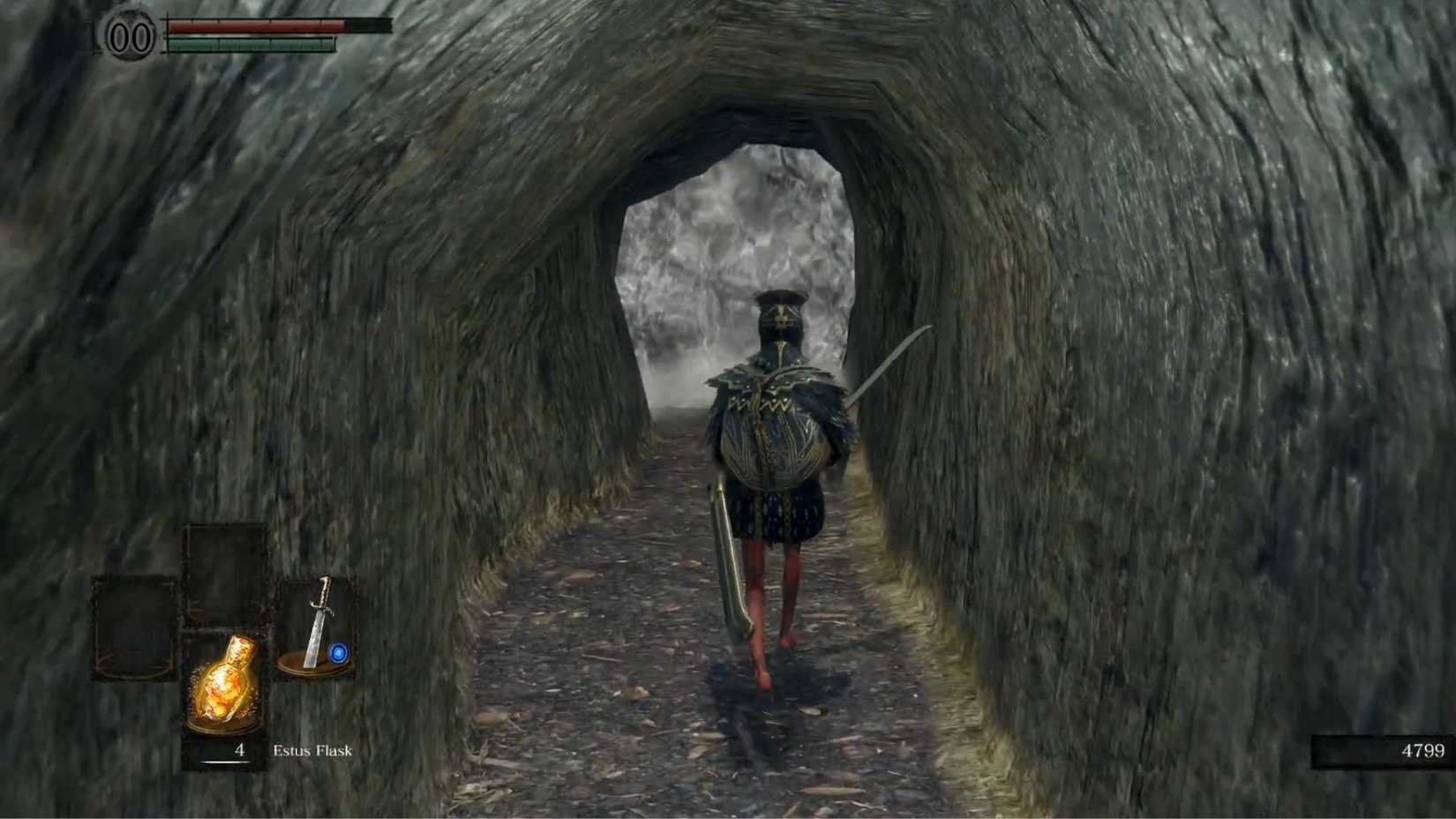
1. Strange Warp: The Unforeseen Destination
Topping the list of transformative challenges is the "Strange Warp" mod, which introduces an element of pure, unadulterated surprise by randomizing fog gate destinations.
Change Up Your Path
With this mod installed, interacting with a fog wall will instantly teleport the player to a random location within the game world. This means a player might venture from the Undead Burg in Dark Souls directly into the depths of New Londo Ruins, or in Elden Ring, find themselves transported from the verdant fields of Limgrave to the desolate wastes of Caelid.

This mod completely shatters the player’s preconceived notions of progression. The carefully planned routes and the sequential unlocking of areas are rendered obsolete. Instead, players are thrust into unexpected environments, forcing them to immediately assess their surroundings and adapt to new threats. This creates a truly emergent gameplay experience, where each fog gate represents a gamble and a potential adventure into the unknown. The "Strange Warp" mod is the ultimate antidote to game fatigue, ensuring that every playthrough is a thrilling journey of discovery and survival, where the only certainty is uncertainty.
The Soulsborne series, in its brilliance, offers a foundation for endless exploration and challenge. Whether through the meticulous application of self-imposed restrictions or the adventurous embrace of community-driven mods, players can continually find new ways to engage with these iconic titles. These ten methods represent just a fraction of the creative spirit that surrounds FromSoftware’s masterpieces, encouraging veterans and newcomers alike to venture beyond the familiar bonfire and discover the thrill of the unknown.












No comments yet. Be the first to join the conversation!