
 Asro
Asro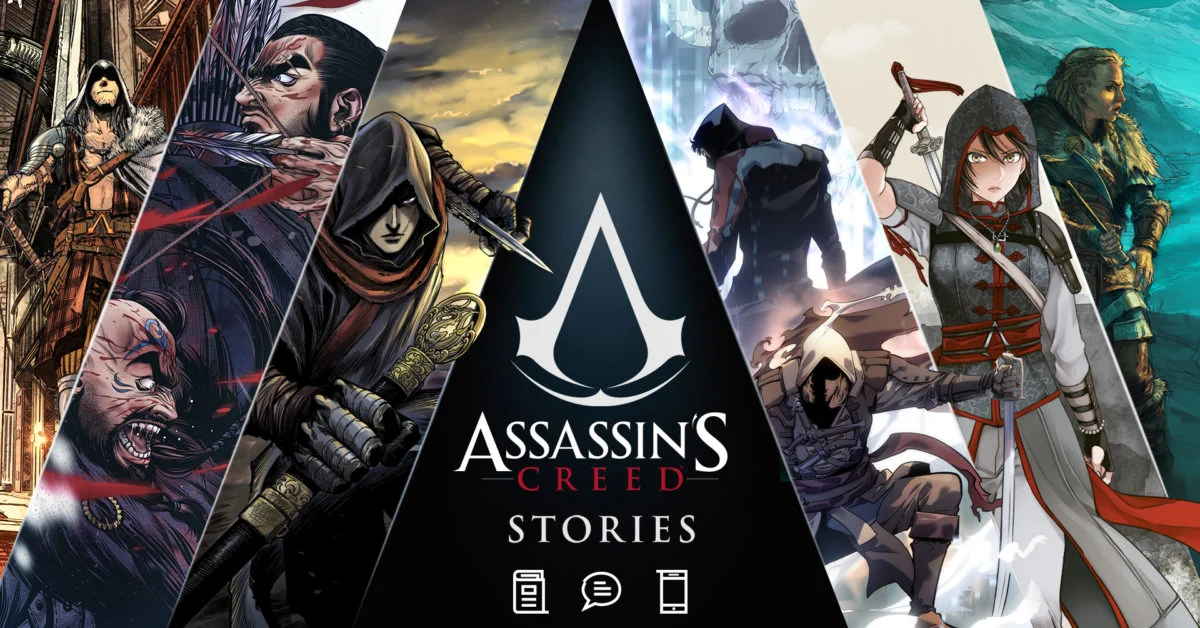
In a move that signals a seismic shift in how intellectual property is managed within the gaming industry, Ubisoft has officially announced a massive, global expansion of its flagship Assassin’s Creed franchise. Long recognized as a titan of the action-adventure video game genre, the series is now set to leap far beyond the confines of interactive screens. By venturing into novels, graphic novels, manhuas, webtoons, and immersive audio podcasts, Ubisoft is curating a sprawling transmedia ecosystem designed to deepen the lore for longtime fans while inviting new audiences into the centuries-old war between the Assassins and the Templars.
The Strategy: Three Pillars of Narrative
Ubisoft has structured this ambitious expansion into three distinct categories, ensuring that the new content satisfies different tiers of franchise engagement:
- Classics: These works serve as direct adaptations or retellings of the stories established within the video games, acting as an entry point for those looking to experience the core narrative beats in a literary format.
- Chronicles: These narratives focus on the lives of iconic, fan-favorite Assassins, providing deeper context to their missions, motivations, and the quieter moments that occur between their legendary in-game exploits.
- Originals: Perhaps the most experimental tier, this category introduces entirely new protagonists, unexplored historical time periods, and fresh conflicts, proving that the Assassin’s Creed formula is flexible enough to thrive outside of the familiar historical settings players have visited before.
A Global Vision: Localized Storytelling
Central to this expansion is a commitment to global collaboration. Recognizing that Assassin’s Creed is a worldwide phenomenon, Ubisoft has prioritized partnerships with creators from across the globe—specifically focusing on talent from Japan, China, and Korea. This "global vision, local approach" is designed to ensure that the stories feel authentic to the cultural history they depict.
"We are all consumers of stories," explains Etienne Bouvier, Publishing Content Manager at Ubisoft. "With this global vision and local approach, we seek to offer our fans new content in formats they are familiar with, and with stories that are rooted in their cultural background and their history."
This strategy is bolstered by the expertise of industry heavyweights. By collaborating with renowned international publishers and platforms—such as Aconyte Books, TOKYOPOP, and the Chinese podcasting giant Ximalaya—Ubisoft is ensuring that each medium receives the specialized attention required for high-quality production.
The 2021-2022 Roadmap: A Breakdown of New Releases
The scope of this rollout is immense. Below is a detailed look at the projects currently slated to define the next era of the Assassin’s Creed universe.
The Fragments Trilogy (Originals)
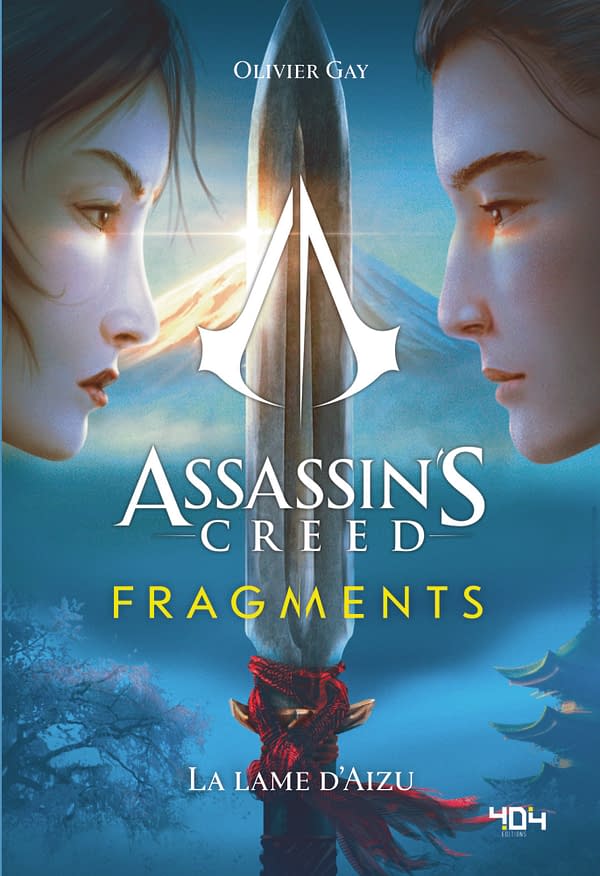
In a partnership with French publisher Editis, Ubisoft is introducing Fragments, a young adult historical fiction series. Unlike previous titles, this trilogy focuses on the internal dynamics of siblings caught in the crossfire of the Assassin-Templar conflict. Each volume explores a different setting: the first in 19th-century Japan, the second in 13th-century Scotland, and the third in 17th-century France. By shifting the focus to familial bonds, the series promises a more intimate take on the epic struggle.
The Jade Seal Collection (Originals)
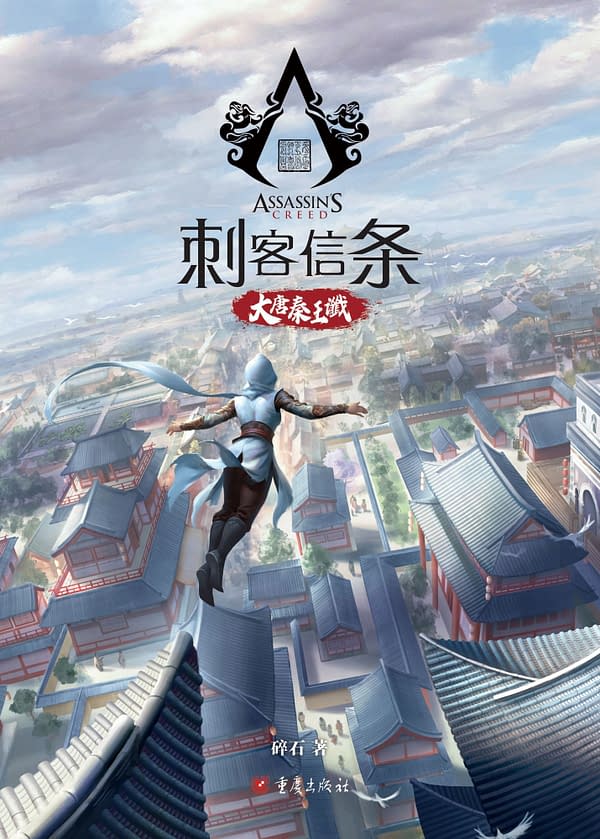
This collection represents a massive commitment to Chinese historical narrative. Spanning from the Zhou Dynasty (4th century BC) to the Ming Dynasty (17th century), this series consists of ten novels penned by six of China’s most prominent writers. It aims to integrate the Assassin’s Creed mythology into the tapestry of Chinese history, introducing new legendary figures and archenemies that will challenge the status quo of the series’ established lore.

The Ming Storm (Chronicles)
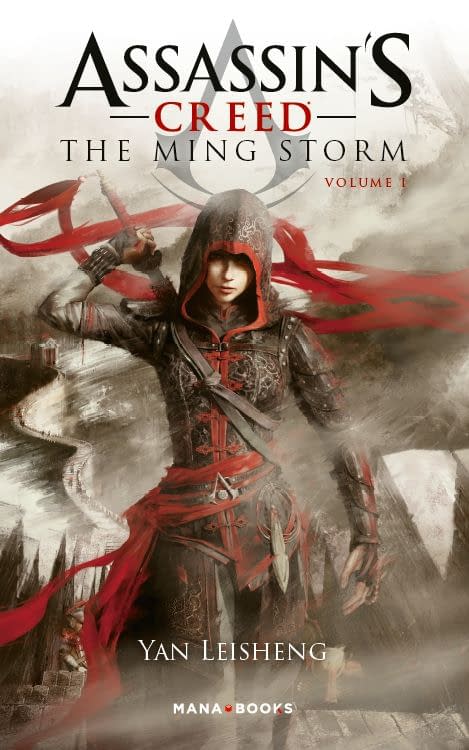
For fans who enjoyed the Assassin’s Creed Chronicles: China video game, this novel is a mandatory read. Written by best-selling author Yan Leisheng, The Ming Storm follows the fan-favorite protagonist Shao Jun as she navigates the treachery of 16th-century China. This trilogy is slated for international distribution, with Aconyte Books handling the English-language release.
Assassin’s Creed Dynasty (Manhua)
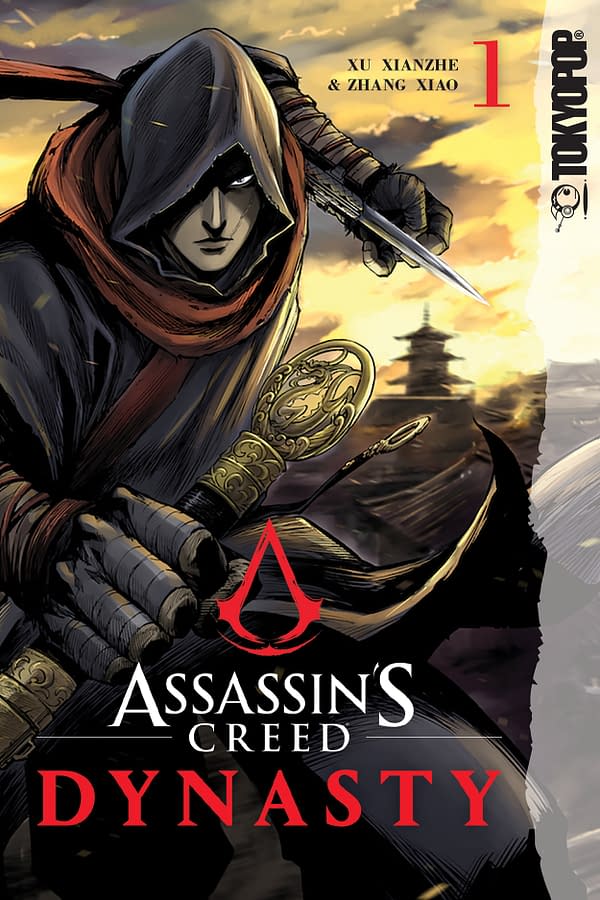
Originally a digital sensation on the Tencent platform, Dynasty has already surpassed 150 million views. The story follows the Assassin Li E as he fights to prevent the collapse of the Tang Dynasty. With the print rights acquired by TOKYOPOP, the series will soon hit bookshelves in North America, marking a significant milestone for the international success of manhua-style storytelling.
Valhalla-Centric Narratives
Capitalizing on the immense popularity of Assassin’s Creed Valhalla, Ubisoft is flooding the market with content centered on the Viking era:

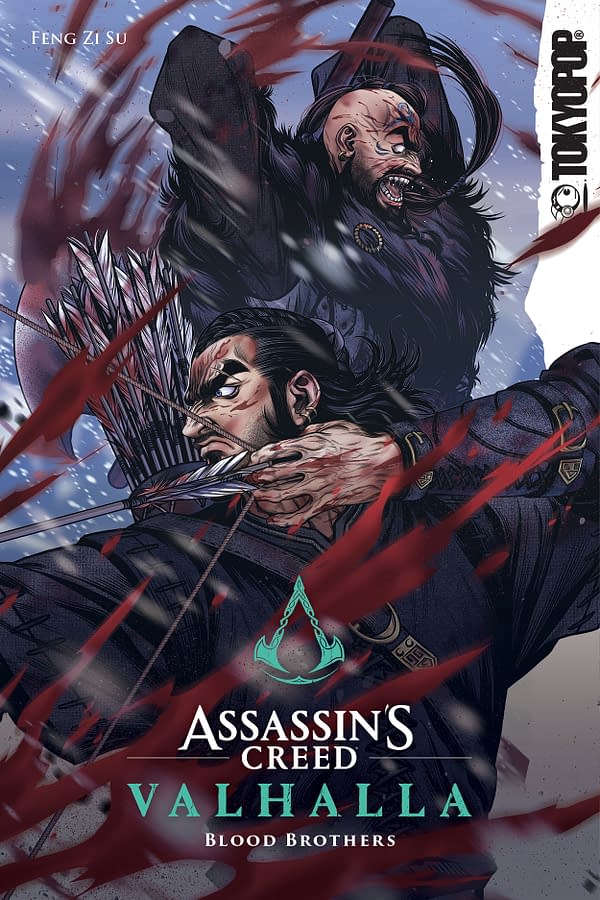
- Blood Brothers (Manhua): A story focusing on two Viking brothers shortly before the rise of Eivor.
- Valhalla Graphic Novel (French): A collaboration with Glénat Editions, this original story follows an aspiring Assassin and a monk on a journey from Ravensthorpe to Scotland.
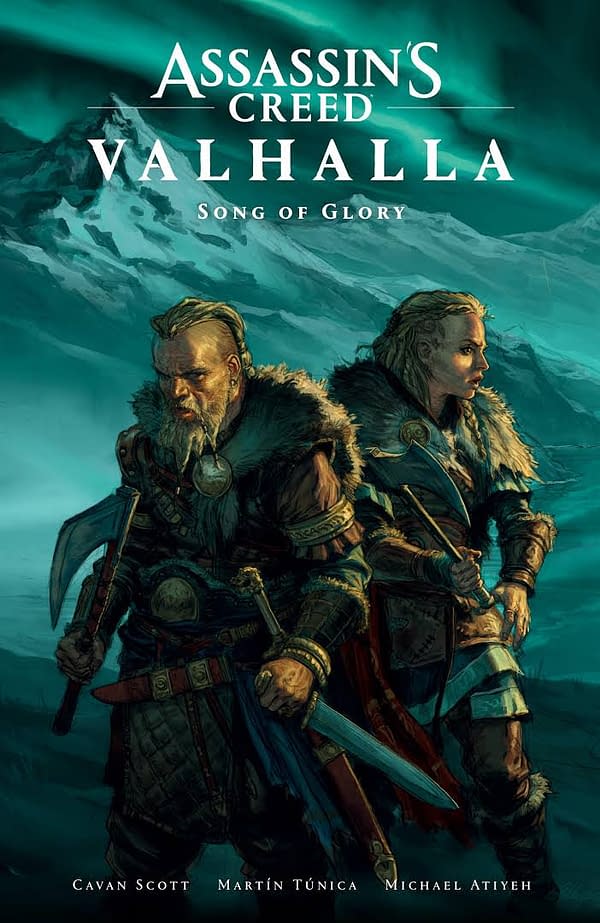
- Song of Glory: A collected hardcover edition of the Dark Horse comic series, serving as a direct prequel to the video game’s events.
Blade of Shao Jun & Podcasts
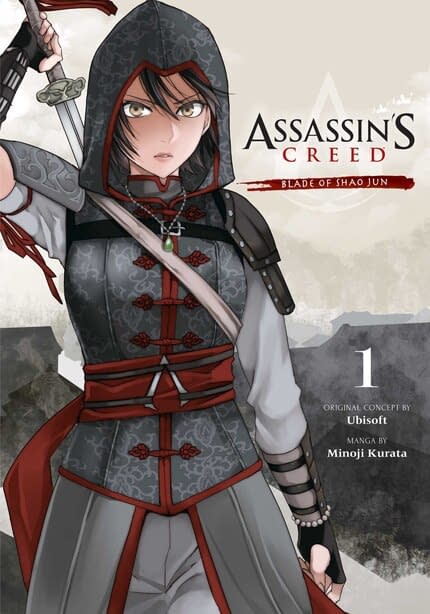
The Blade of Shao Jun manga series, published by Viz Media, continues to expand on the legend of the Chinese Assassin while introducing a modern-day plotline involving the villainous Abstergo Industries. Complementing this is Turbulence in the Ming Dynasty, an audio podcast featuring top-tier Chinese voice actors and a lush, immersive soundscape that brings 16th-century China to life through sound alone.
The Webtoon Sequel
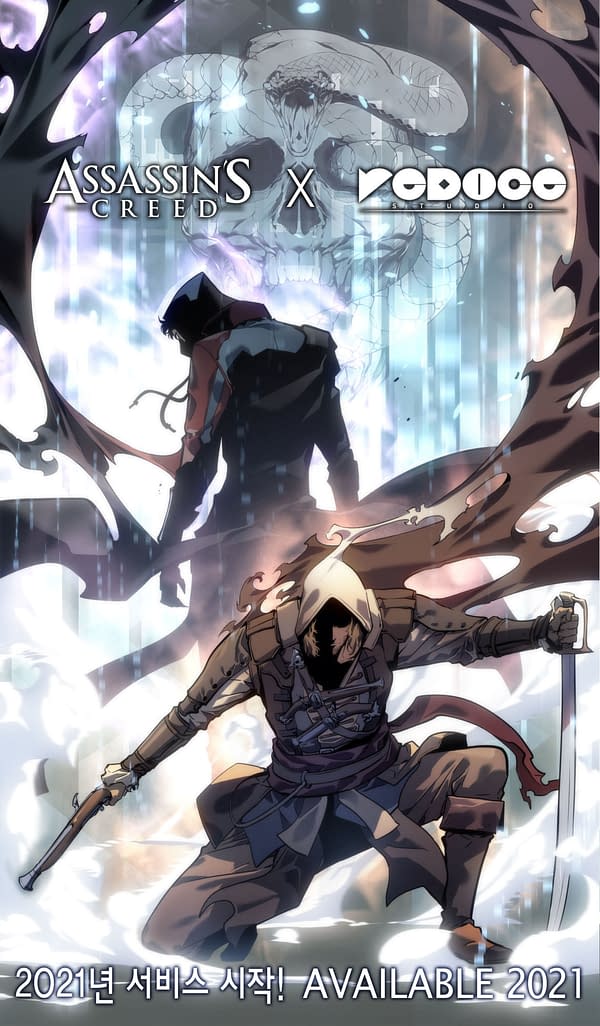
Perhaps the most intriguing addition is the forthcoming Korean webtoon. Serving as a direct sequel to the beloved Assassin’s Creed IV: Black Flag, this project is being developed in collaboration with Redice. It promises to finally revisit the narrative arc of Edward Kenway, providing closure and new insights into one of the franchise’s most charismatic leads.

Implications for the Future of Transmedia
Ubisoft’s aggressive push into books, podcasts, and comics is more than just a marketing strategy; it is a fundamental shift in how the company defines a "game franchise." By treating the Assassin’s Creed universe as an open-ended narrative playground, Ubisoft is successfully mitigating the long wait times between console game releases.

Furthermore, by engaging with regional creators, Ubisoft is avoiding the pitfalls of cultural appropriation that often plague global franchises. They are hiring the people who understand the history and the art styles of these regions, resulting in a more nuanced and respectful product.
The implications for the broader industry are clear: the future of major gaming IPs is no longer tied strictly to interactive software. By diversifying the mediums through which a story can be told, companies can cultivate a "stickier" fanbase—one that stays engaged with the universe even when they are not physically holding a controller.

Final Thoughts: A Universe Without Borders
As Ubisoft continues to greenlight projects across multiple continents and formats, the Assassin’s Creed brand is effectively becoming a modern-day mythology. Whether it is through the serialized drama of a Korean webtoon, the immersive sound design of a Chinese podcast, or the traditional prose of a European novel, the franchise is proving that its core tenets—"Nothing is true; everything is permitted"—apply just as much to its business model as they do to its creed.

For the fans, this represents a golden age of content. The depth of the world is expanding, the histories are becoming more varied, and the voices telling these stories are more diverse than ever before. As we look toward the 2022 releases and beyond, one thing is certain: the shadow of the Assassin is growing longer, and it is reaching into every corner of the global cultural landscape.


 Pevita Pearce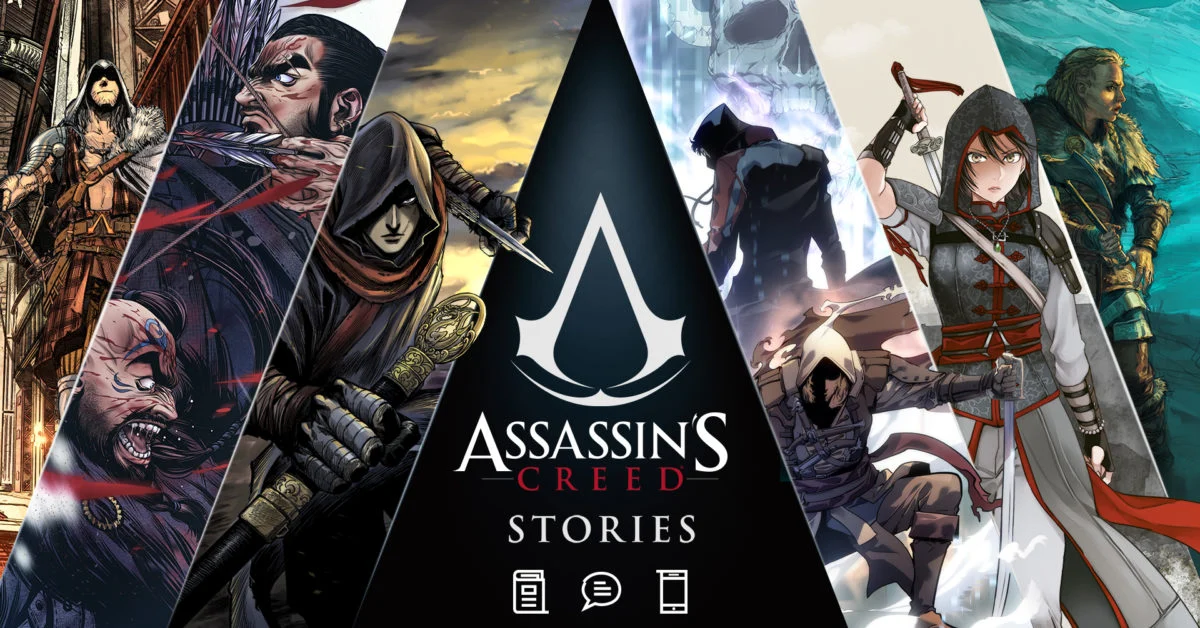
 Neng Nana





