
 Iffa Jayyana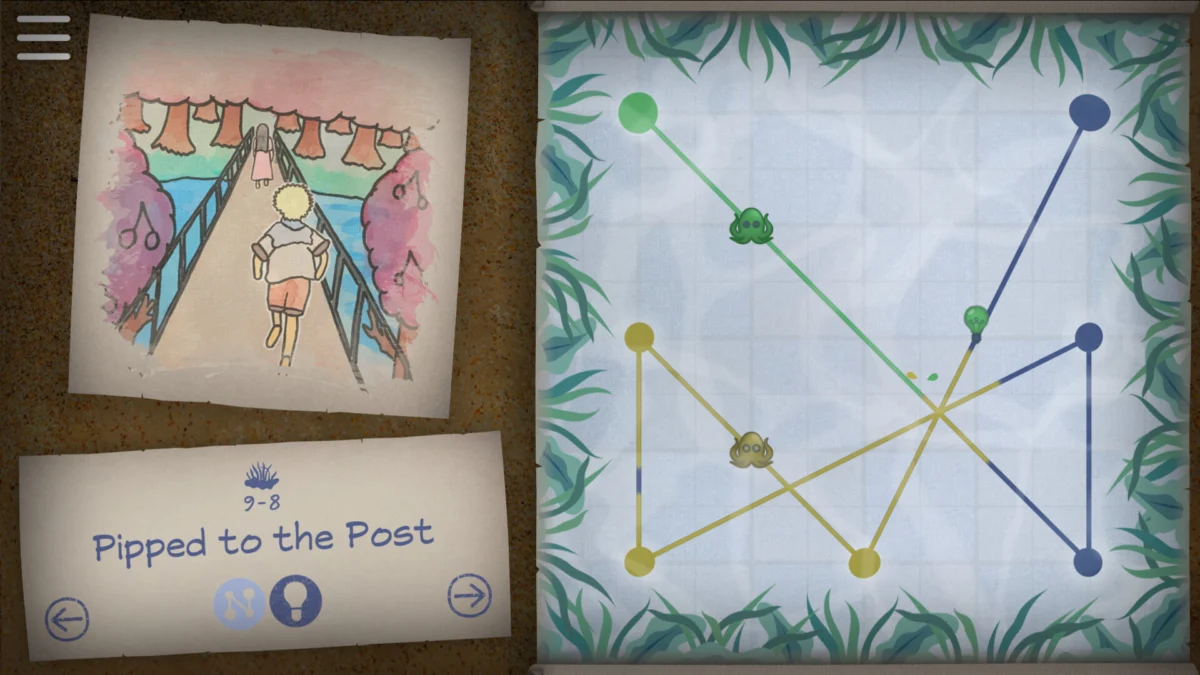
In the ever-evolving landscape of indie gaming, the "cozy" genre has carved out a permanent, comforting niche. It is a space defined not by high-octane adrenaline or punishing difficulty, but by an aesthetic of tranquility and satisfying loop mechanics. Yet, even within this relaxing framework, developers are finding ways to innovate. Ink Strings, a captivating new project currently in development, proves that the humble act of connecting dots can be transformed into a sophisticated, multi-layered experience that challenges the mind while soothing the spirit.
By blending minimalist puzzle design with a poignant, hand-painted narrative, Ink Strings is positioning itself as a must-watch title for fans of thoughtful, low-stress gameplay. Recently showcased at DreamHack, the game has already begun to turn heads, promising a journey that is as intellectually stimulating as it is visually serene.
The Core Concept: Complexity Through Simplicity
At its most fundamental level, Ink Strings is a game of connections. Players are presented with a field of dots and tasked with linking them to complete a level. However, to label it merely a "dot-to-dot" game would be a disservice to the intricate systems the developers have implemented.
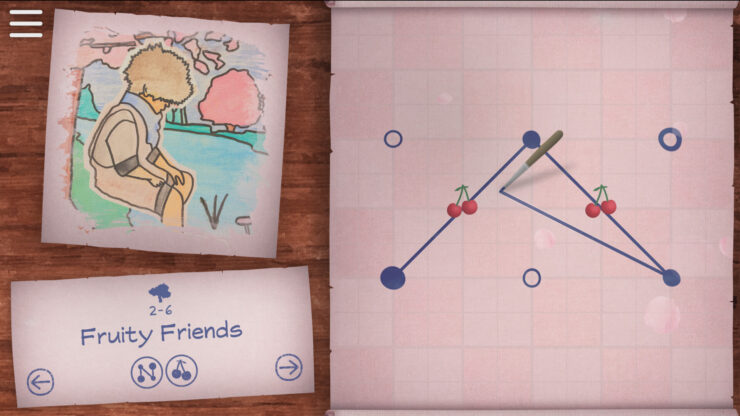
As the player progresses, the game introduces mechanics that force a departure from rote, mindless drawing. The introduction of "cherries" serves as a primary example of this escalating complexity. Each cherry—or cluster of cherries—requires a specific number of line-crossings to "harvest." This forces the player to plan their pathing with precision, treating the screen not just as a canvas, but as a grid of tactical requirements.
Further elevating the challenge are the pencil mechanics. In later stages, players must navigate pencils toward sharpeners, utilizing the lines they have already drawn as surfaces to bounce or redirect the pencils. This transition from a static puzzle to a physics-influenced spatial challenge ensures that the game’s "cozy" atmosphere never veers into monotony.
Chronology of Development and Public Reception
The journey of Ink Strings from a nascent concept to a playable demo has been a steady, deliberate process. While the game is still in the active stages of development, its public debut at major industry events like DreamHack served as a vital touchpoint for the development team to refine their mechanics.
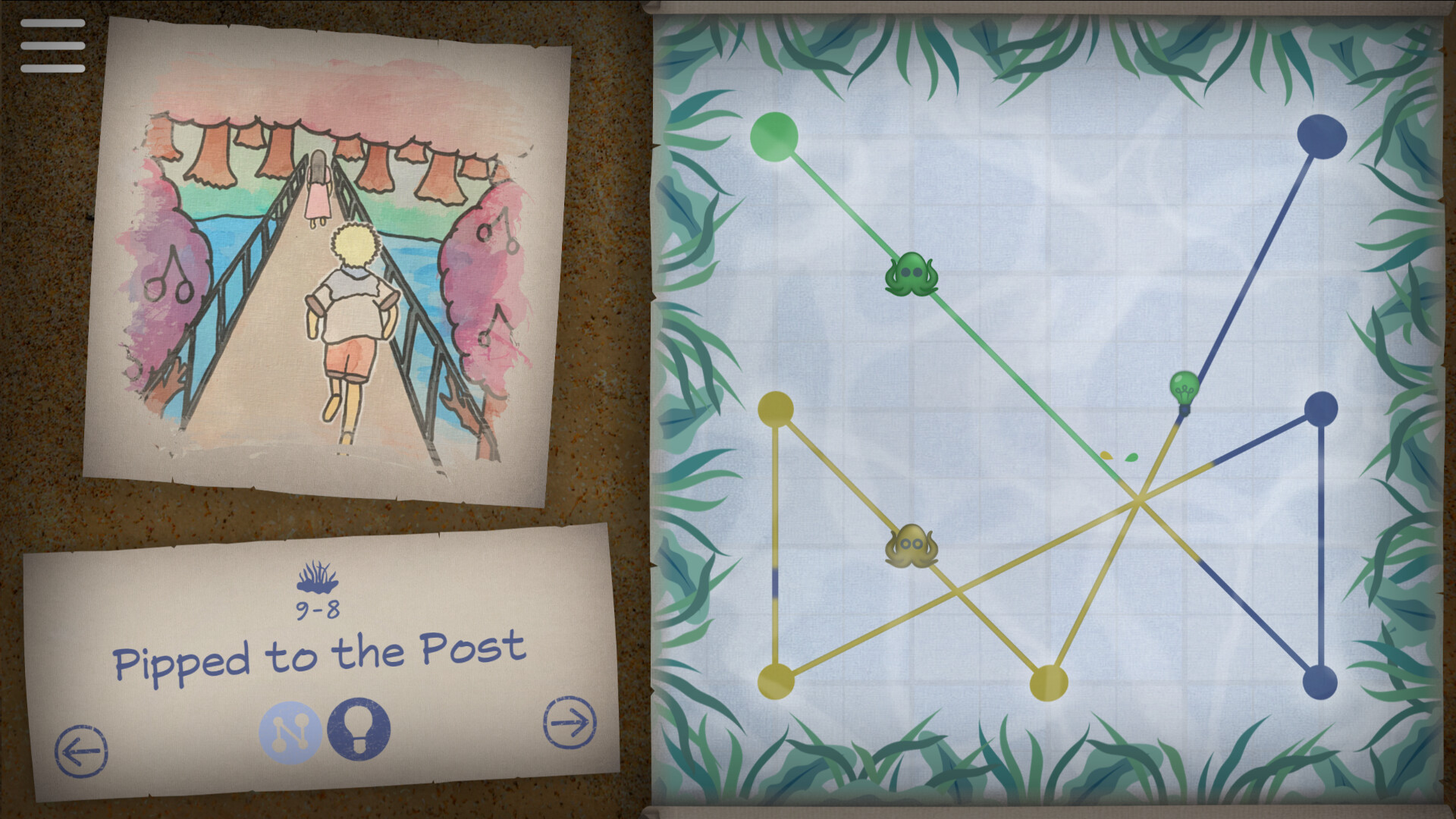
During the DreamHack demonstration, attendees were given a glimpse into the game’s structural variety. By jumping between different chapters, players could observe how the game introduces color-based puzzles in its later stages. These color-coded "blobs" act as environmental modifiers; drawing lines through them changes the properties of the string, adding a layer of color theory and path-planning that keeps the gameplay feeling fresh even for seasoned puzzle enthusiasts.
The feedback from these early sessions has been largely positive, focusing on the game’s ability to balance its "slow", relaxed pacing with genuine moments of "aha!" discovery. The development team has utilized this period of public visibility to iterate on the user interface and the clarity of the game’s mechanics, ensuring that the learning curve remains accessible without sacrificing the depth that core gamers crave.
Supporting Data: Why the "Cozy" Aesthetic Works
The success of Ink Strings is not accidental; it is rooted in a deliberate marriage of visual design and psychological engagement. The inclusion of a subtle, grid-like background is a masterstroke of user experience (UX) design. While seemingly decorative, this grid functions as a psychological "guide," providing players with a framework to predict the outcome of their movements before they commit to a line.
This creates a sense of "informed agency." The player isn’t just guessing; they are solving. When a player successfully maneuvers a line through a series of cherries and bounces a pencil into a sharpener, the feeling of accomplishment is bolstered by the clear visual logic of the grid.
Furthermore, the game’s narrative integration sets it apart from traditional logic puzzles. The developers have opted for a series of hand-painted vignettes that appear between levels. These images, coupled with an overarching, mysterious map that guides the player through the game’s chapters, ground the abstract puzzle-solving in a tangible, story-driven world. This prevents the "task-based" fatigue often associated with puzzle games, as every level feels like a step forward in a larger, whimsical journey.
Official Perspectives: The Philosophy of the Puzzle
While the development team at Ink Strings remains focused on the final polish, their design philosophy has been clear since the game’s inception: the player’s comfort is the priority, but their intellect must be respected.
In discussions surrounding the game’s development, there is a consistent emphasis on the "slow-burn" experience. The game is designed to be a meditative anchor in a busy day. By removing timers and punitive failure states, the developers have created an environment where the player is invited to linger, to experiment, and to enjoy the visual satisfaction of the ink-based art style.
The integration of the hand-painted assets is a testament to this philosophy. Rather than utilizing generic, procedural assets, the team has invested time in creating a cohesive aesthetic that feels artisanal. This commitment to artistic integrity mirrors the mechanics—everything in Ink Strings feels hand-crafted, intentional, and, ultimately, human.
Implications for the Puzzle Genre
The emergence of Ink Strings suggests a significant trend in the puzzle genre: the rise of "intelligent coziness." For years, the market has been split between high-intensity brain teasers and passive "idle" games. Ink Strings occupies the vital middle ground, proving that a game can be relaxing while remaining mechanically rigorous.
This approach has broad implications for the industry. As players look for games that can provide a mental "reset" without being intellectually shallow, titles that emphasize clever, tactile mechanics—like bouncing pencils or counting cherry stems—are likely to gain traction. The game’s success will likely hinge on its ability to maintain this equilibrium as the levels increase in difficulty, but the foundation is undeniably strong.
Moreover, the game highlights the importance of thematic cohesion. By weaving a narrative through hand-painted art, Ink Strings transforms a sequence of levels into a cohesive story. This is a lesson for other indie developers: context matters. Even a simple puzzle game becomes more memorable when the player understands why they are drawing the lines.
Looking Ahead: What to Expect
As Ink Strings continues its development cycle, the gaming community is keeping a close eye on its progress. The current version available for viewing offers a tantalizing look at what is to come, but the full scope of the game—including the extent of its narrative and the variety of its later-stage mechanics—remains to be seen.
For those interested in following the development, the game is currently available to be added to Steam Wishlists. This is not merely a request for support; it is an opportunity for players to ensure they are part of the conversation when the game eventually launches.
In a market saturated with loud, demanding titles, Ink Strings arrives as a quiet invitation to slow down. It is a reminder that some of the most rewarding experiences in gaming are found not in explosions or high scores, but in the simple, deliberate act of connecting one point to another, creating a path through a beautiful, hand-painted world. Whether you are a fan of traditional logic games or someone looking for a new, peaceful digital retreat, Ink Strings is a project that deserves a spot on your radar.
Jupiter Hadley is an award-winning indie game journalist and advocate. With a portfolio spanning Metro UK, Big Boss Battle, and AlphaBetaGamer, she remains committed to highlighting the most innovative voices in the indie scene. For more updates on the latest indie gems and game jams, visit her work at indiegamejams.com.


 Suro Senen
 Evan Lee Salim




