Laily UPN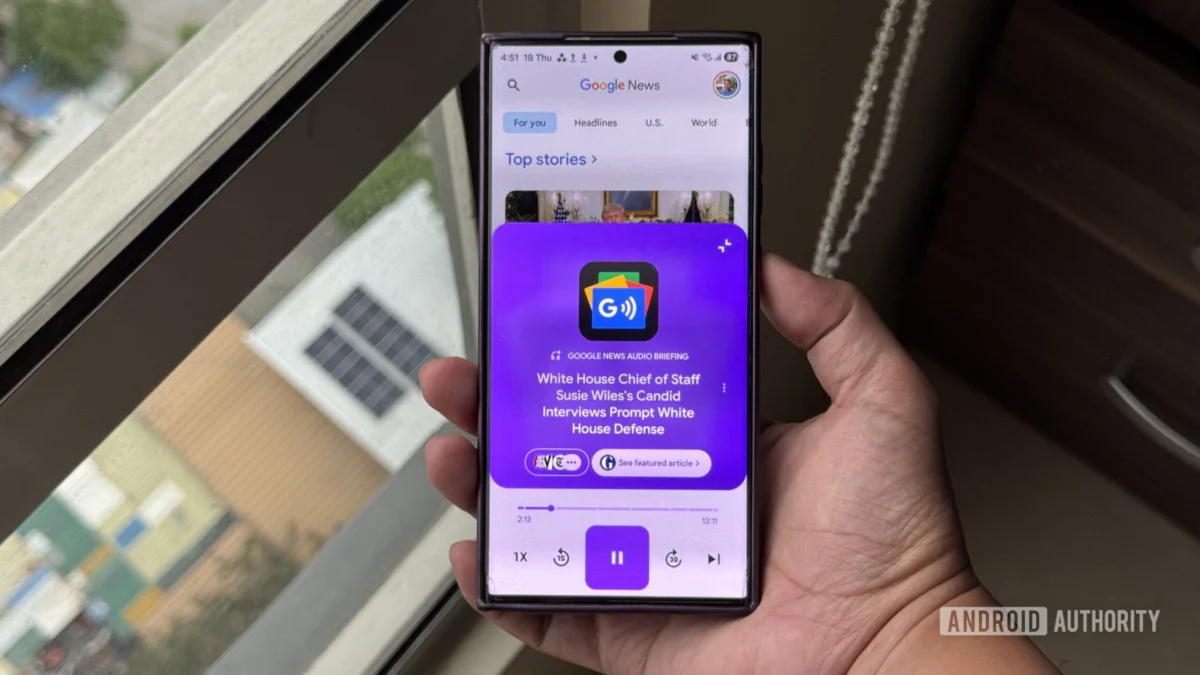
Google News remains a titan in the digital media landscape. With over a billion downloads on the Android platform and more than 100 million monthly active users on its web interface, it is undeniably the primary gateway through which a massive portion of the world consumes current events. By aggregating content from upwards of 20,000 publishers, Google has built an unparalleled engine for information discovery.
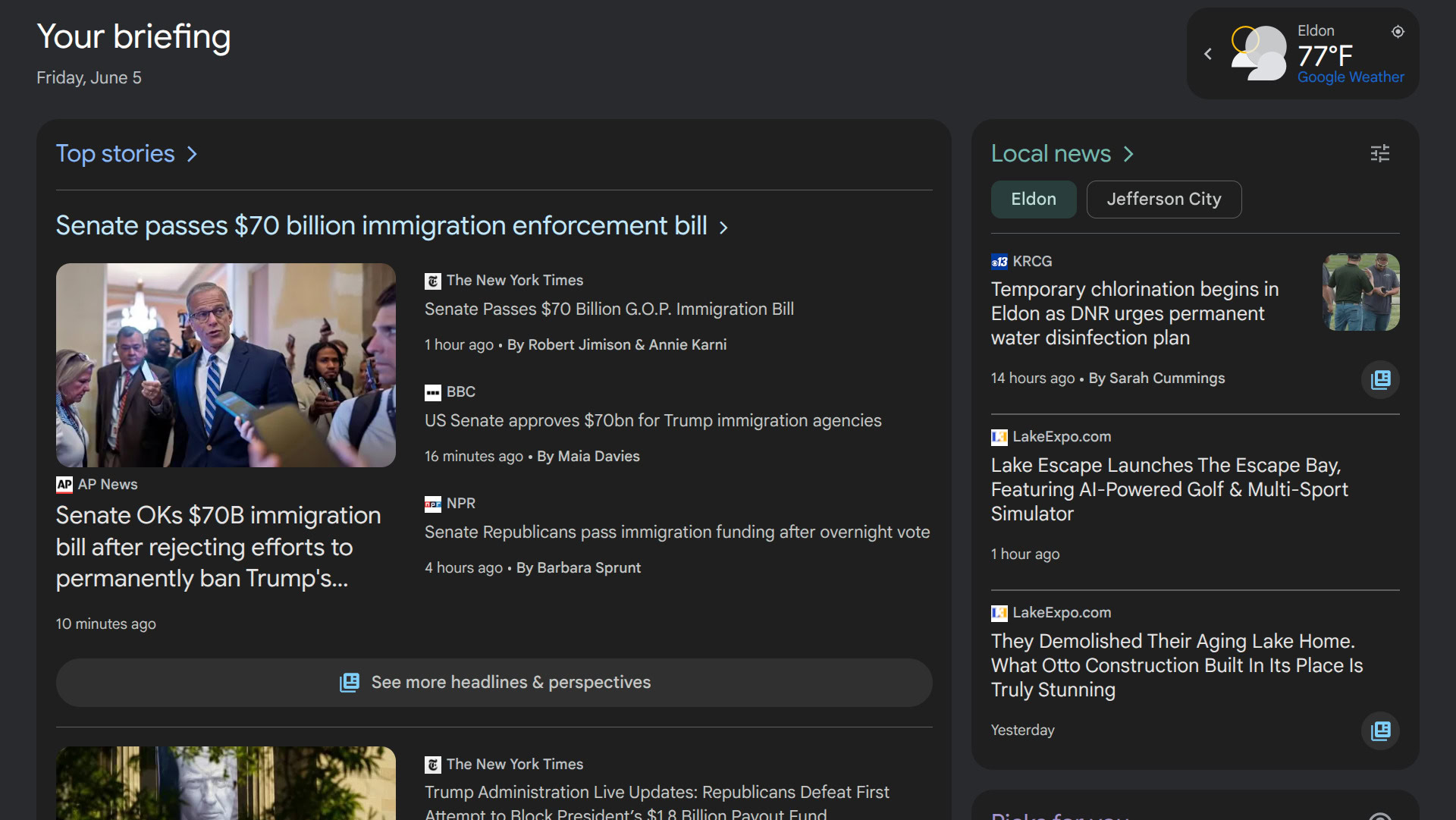
However, popularity does not equate to perfection. While the platform excels at surface-level aggregation, power users and casual readers alike have long clamored for more granular control over their digital consumption habits. As the media landscape shifts toward subscription-heavy models and algorithm-driven feeds, the current iteration of Google News feels increasingly like a "black box" that prioritizes engagement metrics over user autonomy. To evolve, Google must transition from a passive curator to a user-centric dashboard.
The State of Play: Why Google News Needs an Upgrade
The current architecture of Google News relies heavily on machine learning to determine "relevance." While this allows the app to surface breaking news stories with impressive speed, it often does so at the expense of user preference. The "Following" tab, for instance, serves as a siloed repository that rarely influences the main feed, creating a fragmented experience.
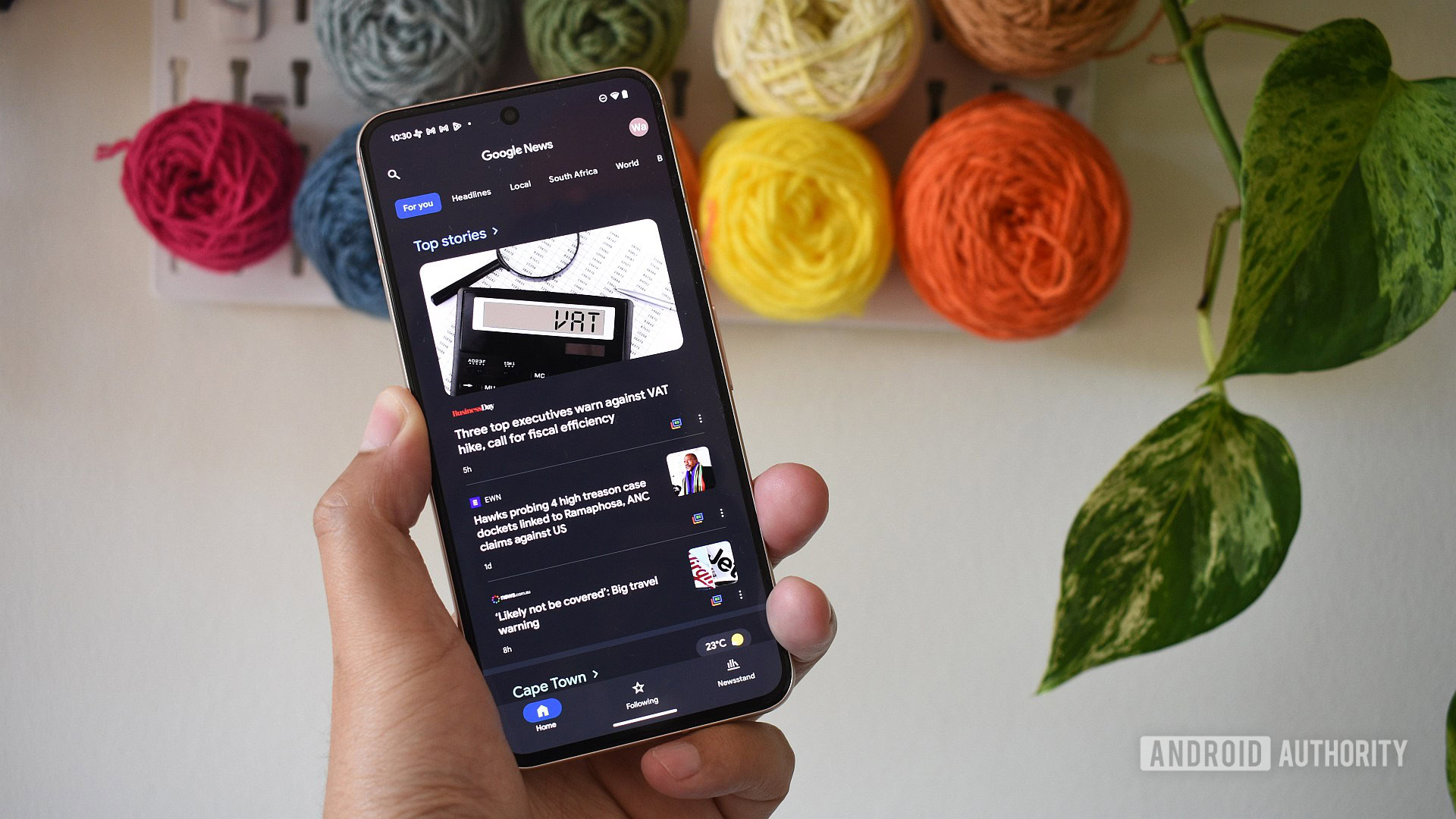
For the average user, the friction points are clear: a lack of transparency regarding paywalls, an inability to curate sources effectively, and the repetitive clutter of redundant headlines. By addressing these five core areas, Google could move beyond being a simple aggregator and become a truly indispensable personal news environment.
1. The Quest for True Preferred Sources
Currently, your search history and activity across Google services influence your feed, but this process is opaque and lacks a manual override. The "Following" feature, while helpful, feels like an afterthought; adding a publication to your follow list does not meaningfully reshape your primary news feed.
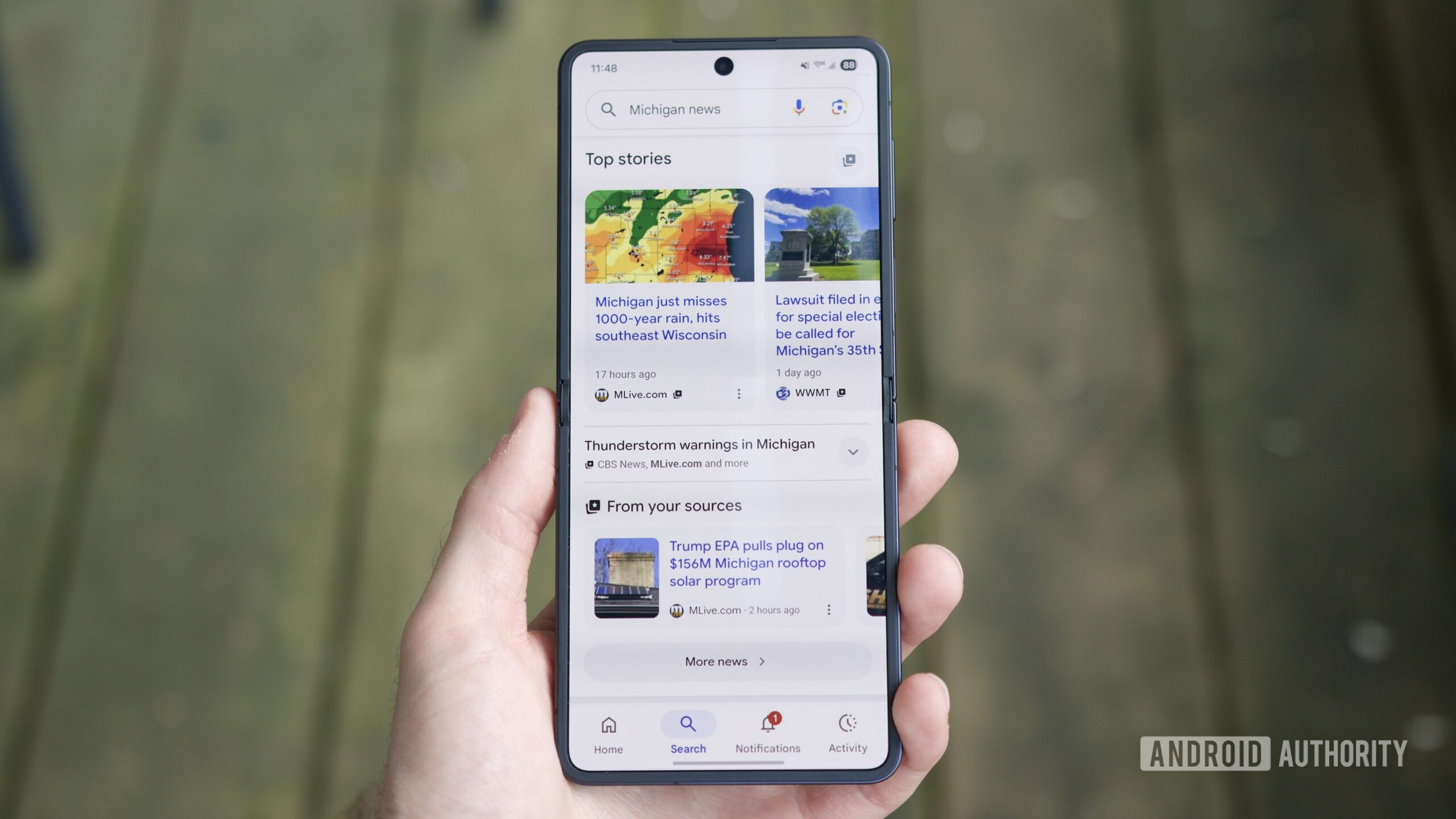
Users need a "Preferred Sources" toggle that dictates the ecosystem of their consumption. If a user identifies five or six trusted outlets, those sources should be prioritized across all sections—not just the "Following" tab. By allowing users to weight their preferences, Google could create a news feed that acts as a personalized newspaper rather than a generic firehose of information.
2. Implementing Robust, Granular Blocklisting
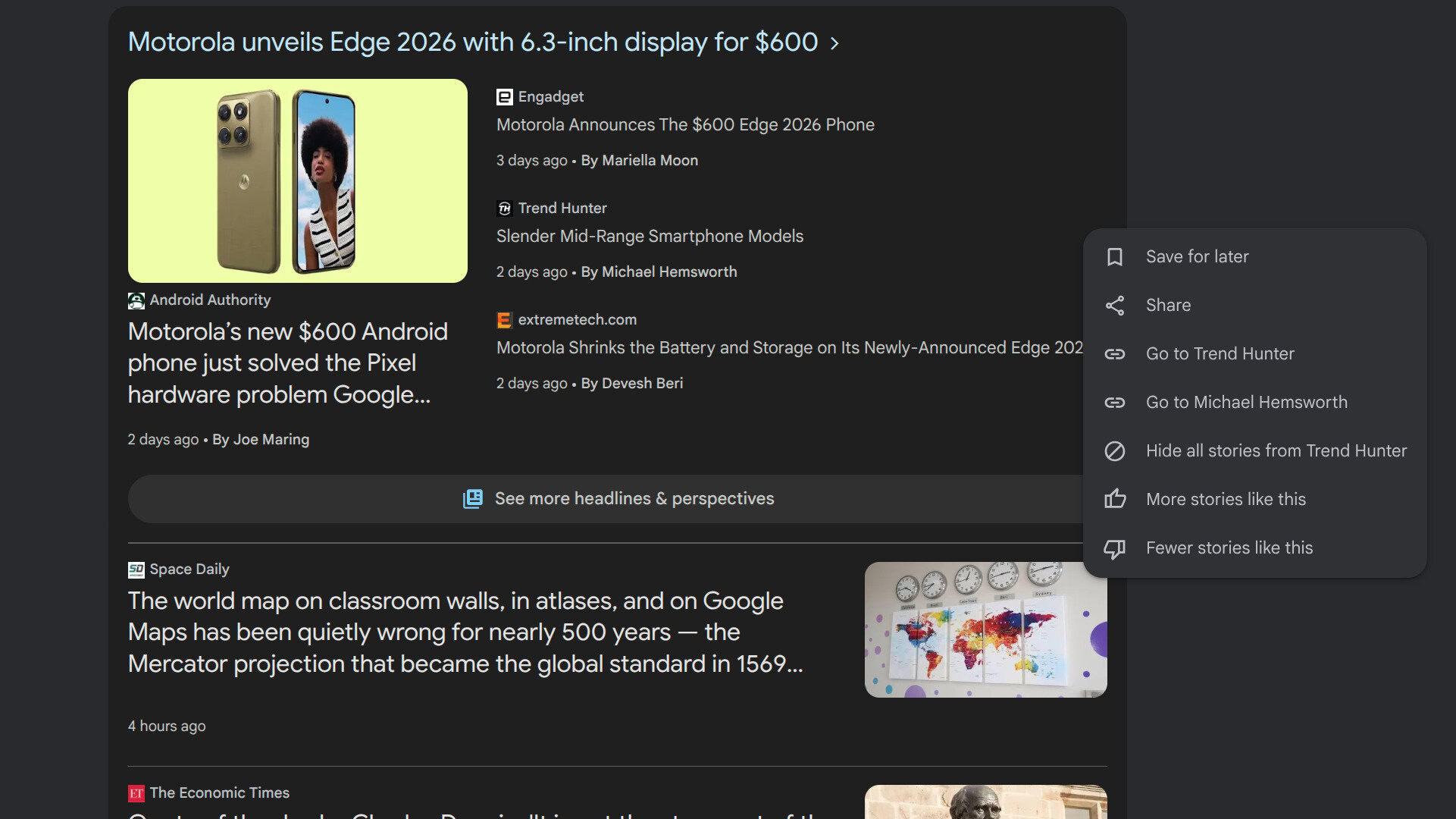
The current "Hide all stories from this source" feature is a classic example of "tech-washing"—it promises a result that it rarely delivers. Even when a user explicitly silences a publication, those sources continue to reappear within "Full Coverage" cards and top-story carousels.
True blocklisting would require a fundamental change in how Google handles its content index. If a user marks a source as blocked, it should trigger a hard filter that removes that publisher from all touchpoints within the app. This is not merely a request for convenience; it is a request for agency. In an era of rampant misinformation and varying editorial standards, users deserve the right to curate their own information environment without algorithmic interference.
3. Topic-Specific Keyword Filtering
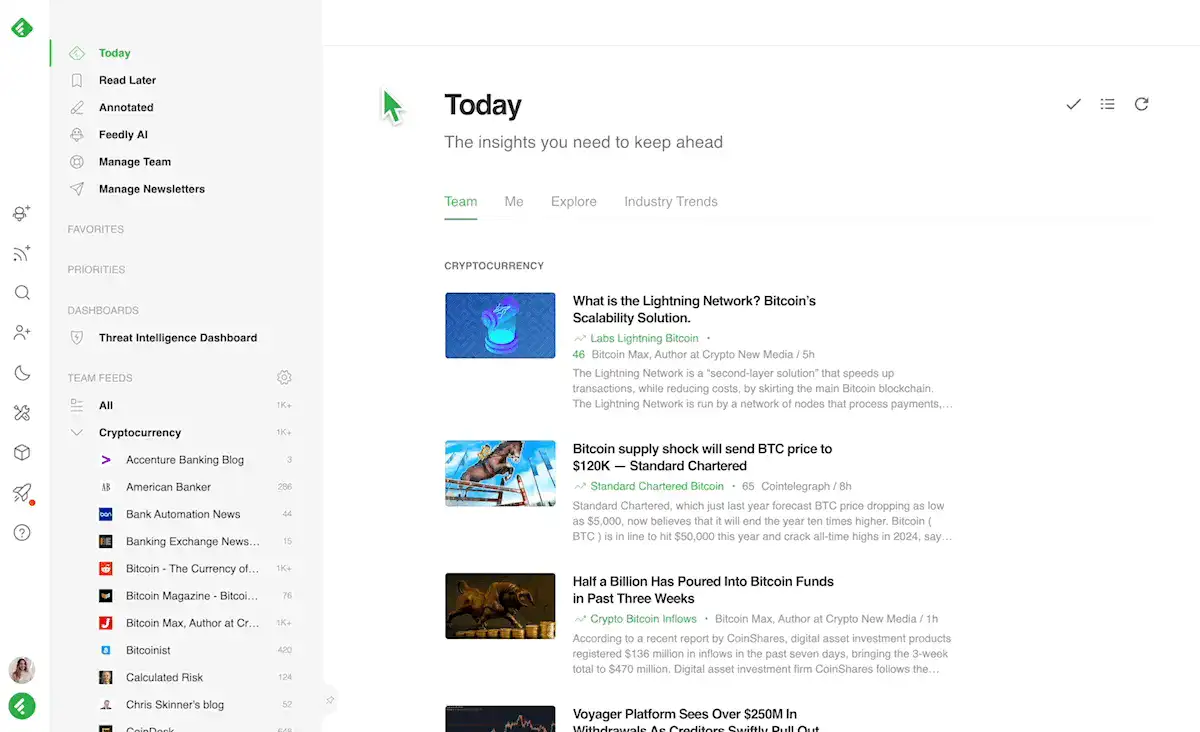
Google News could take a significant leap forward by adopting the "Mute Filter" philosophy popularized by platforms like Feedly. The ability to mute specific keywords, company names, or product lines would be a game-changer.
Imagine being able to suppress news about a specific tech product launch you aren’t interested in, or muting spoilers for a television show during its current season. Furthermore, the ability to set these filters on a timer—effectively muting a topic for a few weeks until you are caught up—would provide a level of UX sophistication that Google currently lacks. Given that Google is already an industry leader in AI, implementing a natural language-based keyword filter should be a technical breeze.
4. Addressing the Paywall Problem
The "Click-to-Wall" experience is perhaps the most significant friction point for the modern digital reader. Nothing is more frustrating than seeing a compelling headline, clicking it, and realizing that the content is locked behind a subscription barrier.
While it is true that publishers need to monetize their content, the current system is an abysmal user experience. At a minimum, Google News should clearly badge all articles that require a paid subscription, allowing users to bypass them entirely. Better yet, a "Filter Out Paywalled Content" toggle would allow users to prioritize free or open-access journalism. While this might ruffle the feathers of Google’s publishing partners, it would drastically improve the quality of the user’s reading sessions.
5. Intelligent Grouping and Customization
Google already uses AI to group related stories, but this process is currently a "take it or leave it" situation. Users have no control over which source is designated as the "lead" in an event-based cluster.
By introducing custom grouping, Google could allow users to select a "Preferred Lead" for breaking news. If a user trusts a specific international wire service or a local newspaper, they should be able to set that outlet as the primary voice for any given event, with other perspectives appearing as supporting, related pieces. This would reduce the "noise" of having a dozen articles covering the same event with identical headlines, turning a disorganized list into a cohesive narrative.
The Economic Realities: Why Change is Difficult
It is important to acknowledge why these features have yet to materialize. Google’s business model is inextricably linked to its relationships with large-scale media publishers. The company acts as a massive referral engine, and by introducing features that allow users to easily ignore, block, or bypass these partners, Google risks destabilizing its revenue-generating relationships.
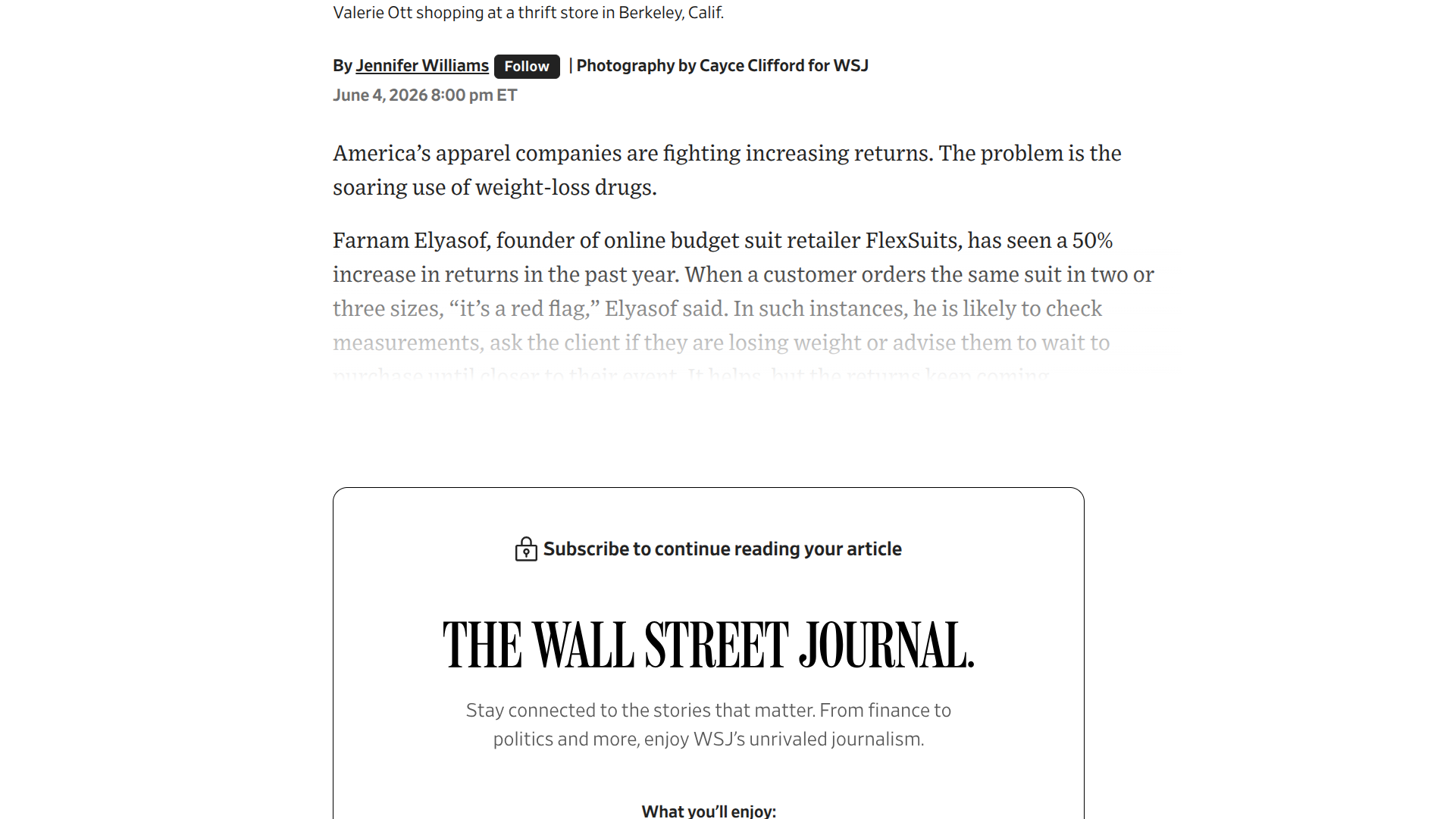
For instance, paywall filters might decrease traffic to subscription-based sites, leading to decreased revenue for publishers and, potentially, legal or contractual friction for Google. Similarly, allowing users to suppress specific outlets might be viewed by some publishers as a form of "algorithmic shadow-banning," which could invite regulatory scrutiny in an already hostile antitrust environment.
The Path Forward
Despite these hurdles, the future of news aggregation is moving toward customization. As users become increasingly overwhelmed by the sheer volume of content, the platforms that offer the most control will likely win the war for long-term loyalty.
Features like "Event Grouping" are highly likely to be implemented, as they align with Google’s current AI-heavy roadmap and offer a "cleaner" visual experience without necessarily alienating publishers. The more aggressive features—like hard paywall filters or total source blacklisting—remain a distant hope.
Conclusion: A Better Way to Read
Google News is a powerful tool, but it is currently optimized for the platform’s business needs rather than the user’s reading experience. By introducing granular controls for sources, keywords, and paywalls, Google would not only improve user satisfaction but would also reinforce its position as the ultimate, indispensable hub for global information.
Until these updates arrive, we are left to navigate the feed as it exists: a useful, albeit imperfect, window into the world. For the time being, the power users will continue to hope for a more customizable, user-centric version of the app—one that respects the reader’s time as much as it respects the publisher’s reach.


 Asro
Asro
 Rifan Muazin