Reynand Wu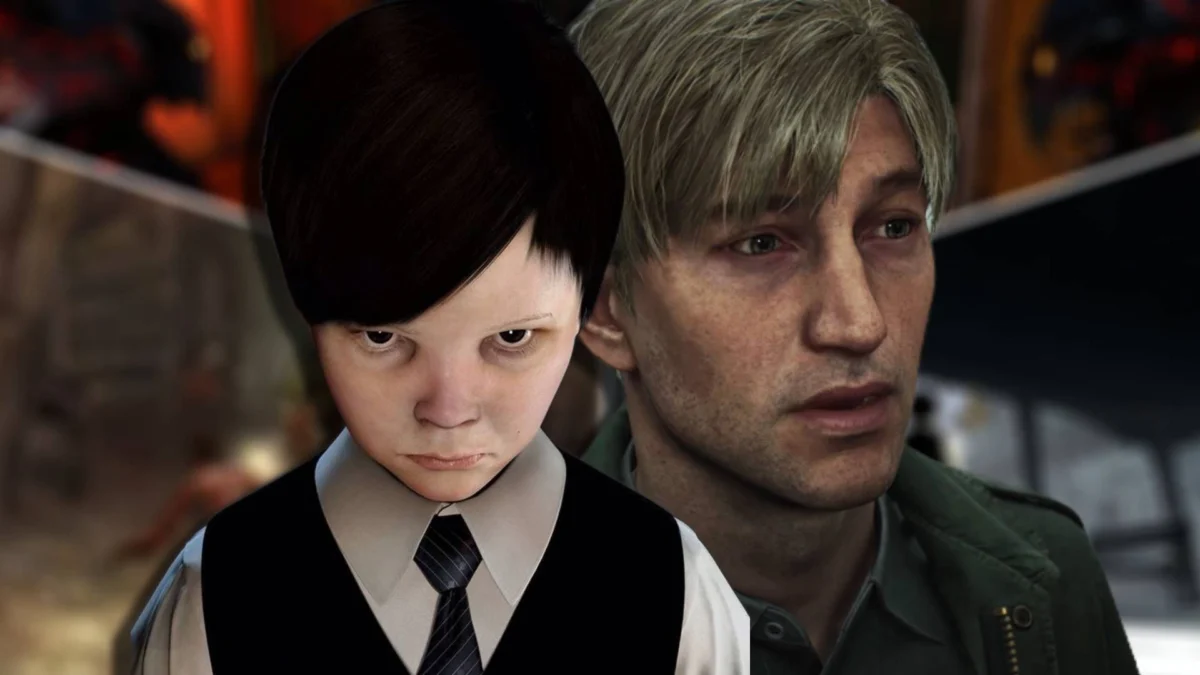
In the landscape of interactive storytelling, we are conditioned to expect a moral compass. From the righteous crusader to the reluctant savior, the player is usually cast as the force for good, or at least a flawed individual striving toward redemption. However, a compelling subset of video games—particularly within the horror genre—subverts this expectation entirely. These titles do not ask you to save the world; they ask you to inhabit the skin of the architect of its misery.
Sometimes a protagonist is a hero by technicality alone, while in other instances, they are the villain in every sense of the word. As psychological horror continues to evolve, reflecting the darker corners of human sin and trauma, developers are increasingly comfortable placing the controller in the hands of the antagonist. In these games, you are not fighting the monster; you are the monster, whether metaphorically, psychologically, or quite literally.
The Evolution of the Anti-Hero in Horror
The shift toward playing as the villain is not merely a stylistic choice; it is a narrative evolution. Early gaming tropes demanded clear-cut objectives, but as the medium matured, the "unreliable narrator" became a potent tool for engagement. By forcing the player to commit atrocities, developers create a dissonance that is far more unsettling than any jump scare. When the player realizes that their actions have been the source of the game’s horror, the impact is profound.
10. BioShock: The Illusion of Agency
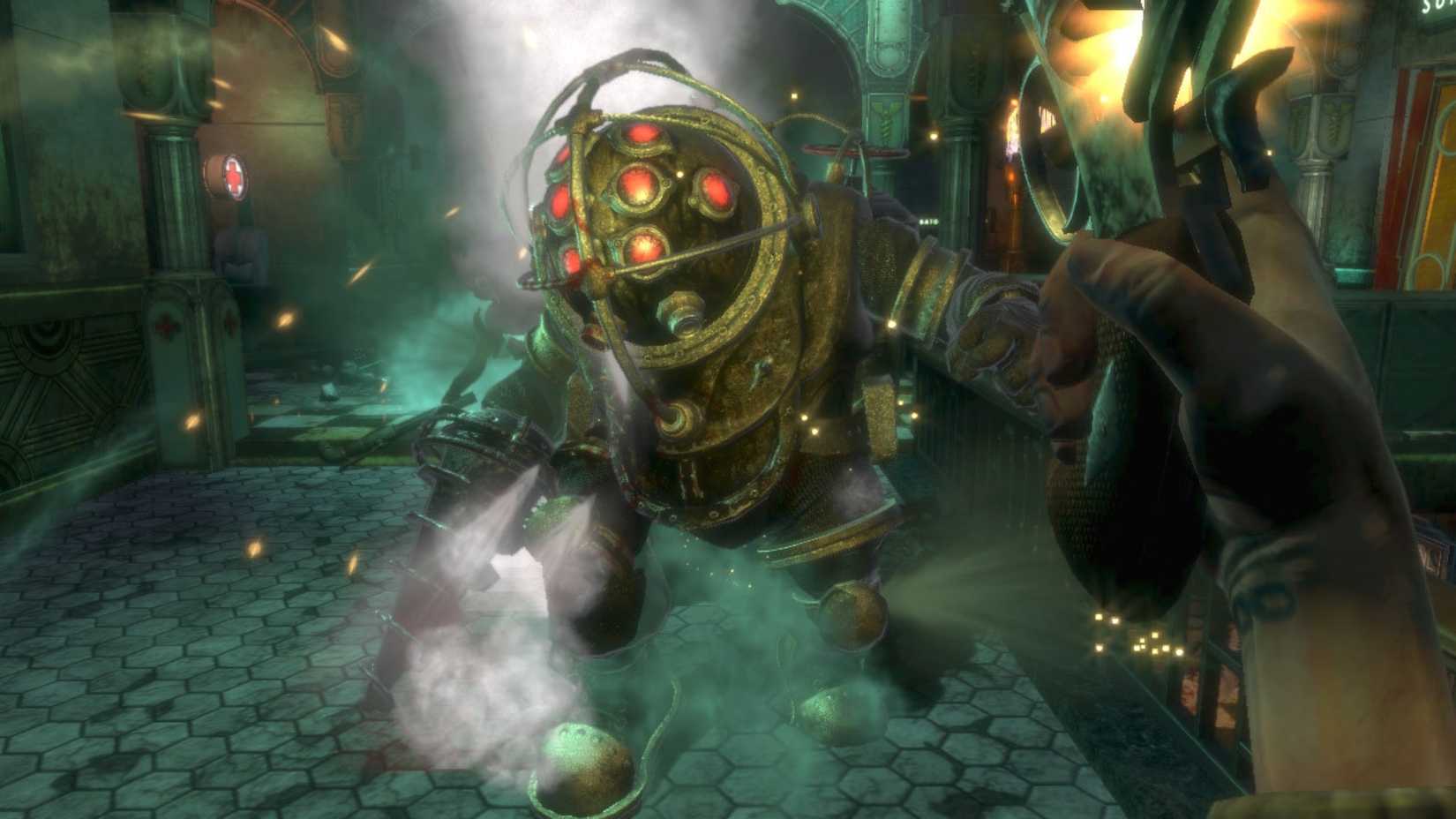
BioShock remains a masterclass in narrative manipulation. You arrive in the underwater dystopia of Rapture, guided by the radio-voice of Atlas. You believe you are a heroic survivor, but the game slowly peels back the curtain to reveal a harrowing truth: you are a sleeper agent. Every "heroic" act you performed was dictated by the trigger phrase "Would you kindly?"
The horror here is existential. By harvesting Little Sisters for ADAM, you have the capacity to be a monster—or a savior—yet your autonomy was a lie from the start. Your status as a "protagonist" is a technicality, as you were nothing more than a weapon in a civil war between two tyrants.
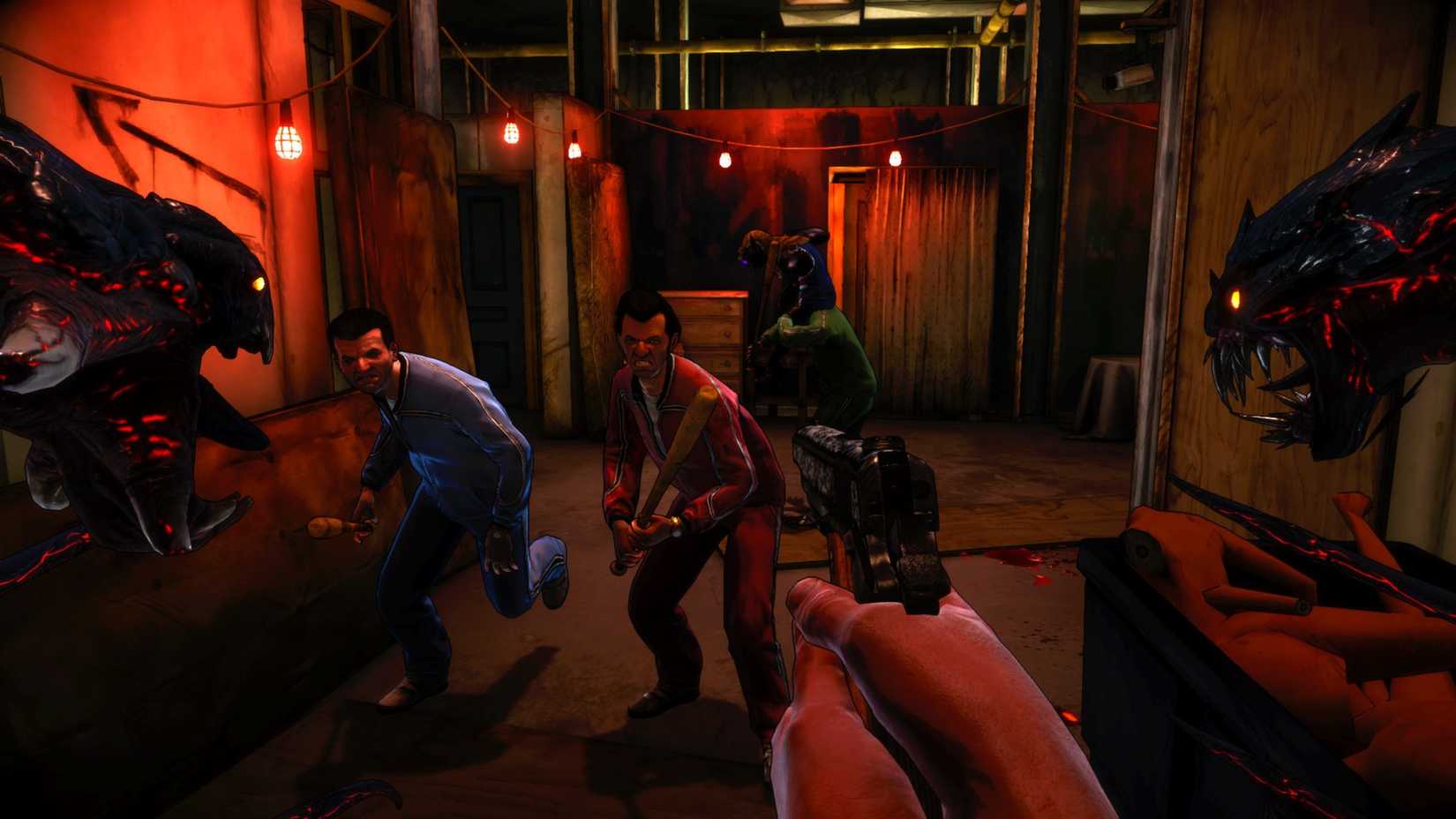
9. The Darkness: Nature vs. Nurture
In The Darkness, the protagonist Jackie Estacado discovers that evil is not just a choice—it is a genetic inheritance. As a hitman bonded to a demonic entity, you are granted the ability to rip through the crime syndicates of New York. The game hybridizes FPS mechanics with grotesque supernatural horror. You don’t just kill; you feast on the hearts of your victims to satisfy the demon’s hunger. While the game provides a veneer of revenge, the sheer brutality of your actions challenges the player’s empathy. You are a predator, and the game forces you to enjoy the carnage.
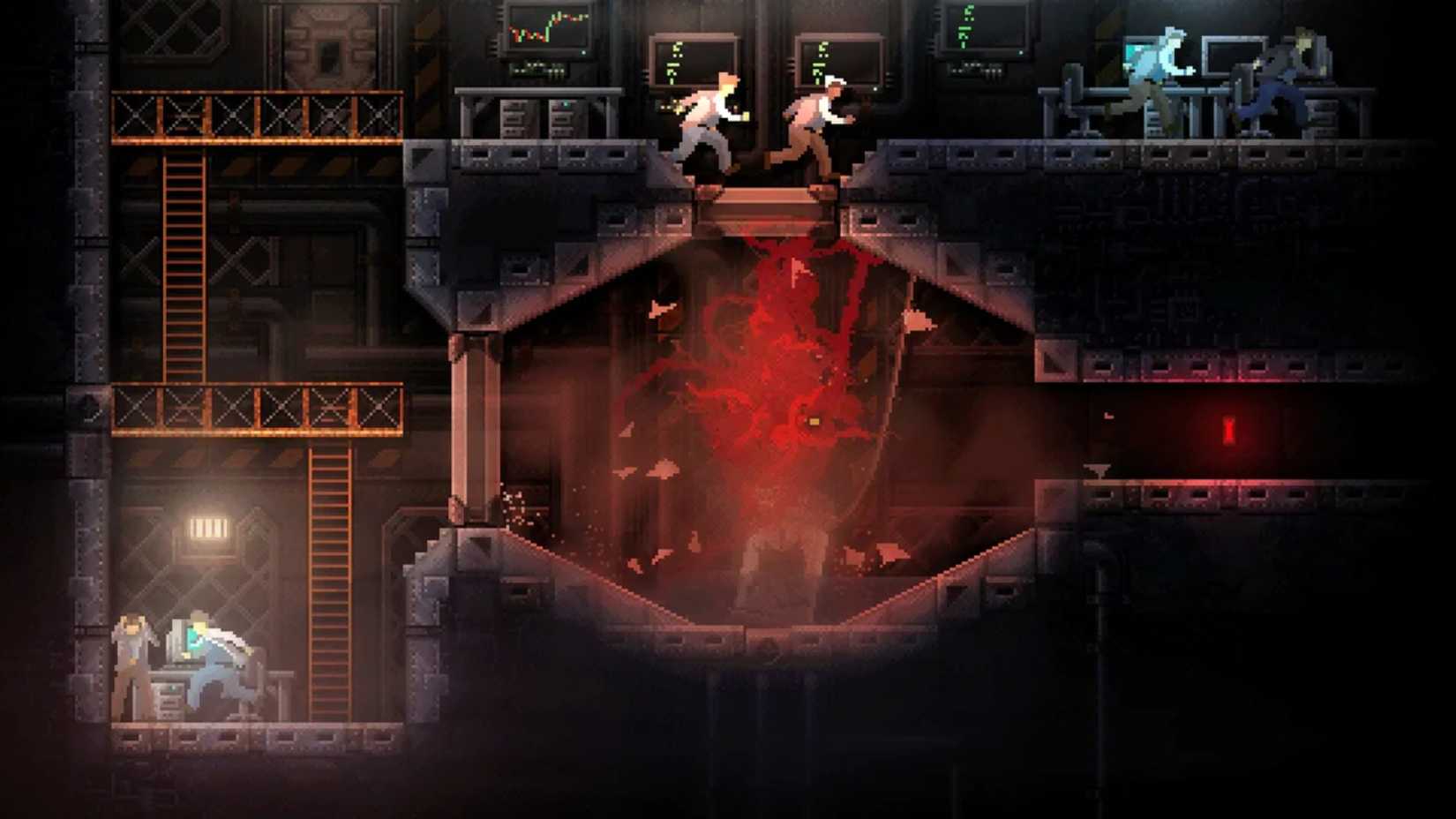
8. Carrion: The Reversal of Power
Carrion offers a refreshing, albeit disturbing, change of perspective. You are the amorphous, tentacled horror that usually serves as the boss fight in a sci-fi thriller. There is no moral ambiguity here; you are a creature of pure biological instinct, tearing through a facility, consuming scientists, and evolving into a more efficient killing machine. As a "reverse-horror" Metroidvania, the game forces you to master the mechanics of terror, turning the hunter-prey dynamic on its head.
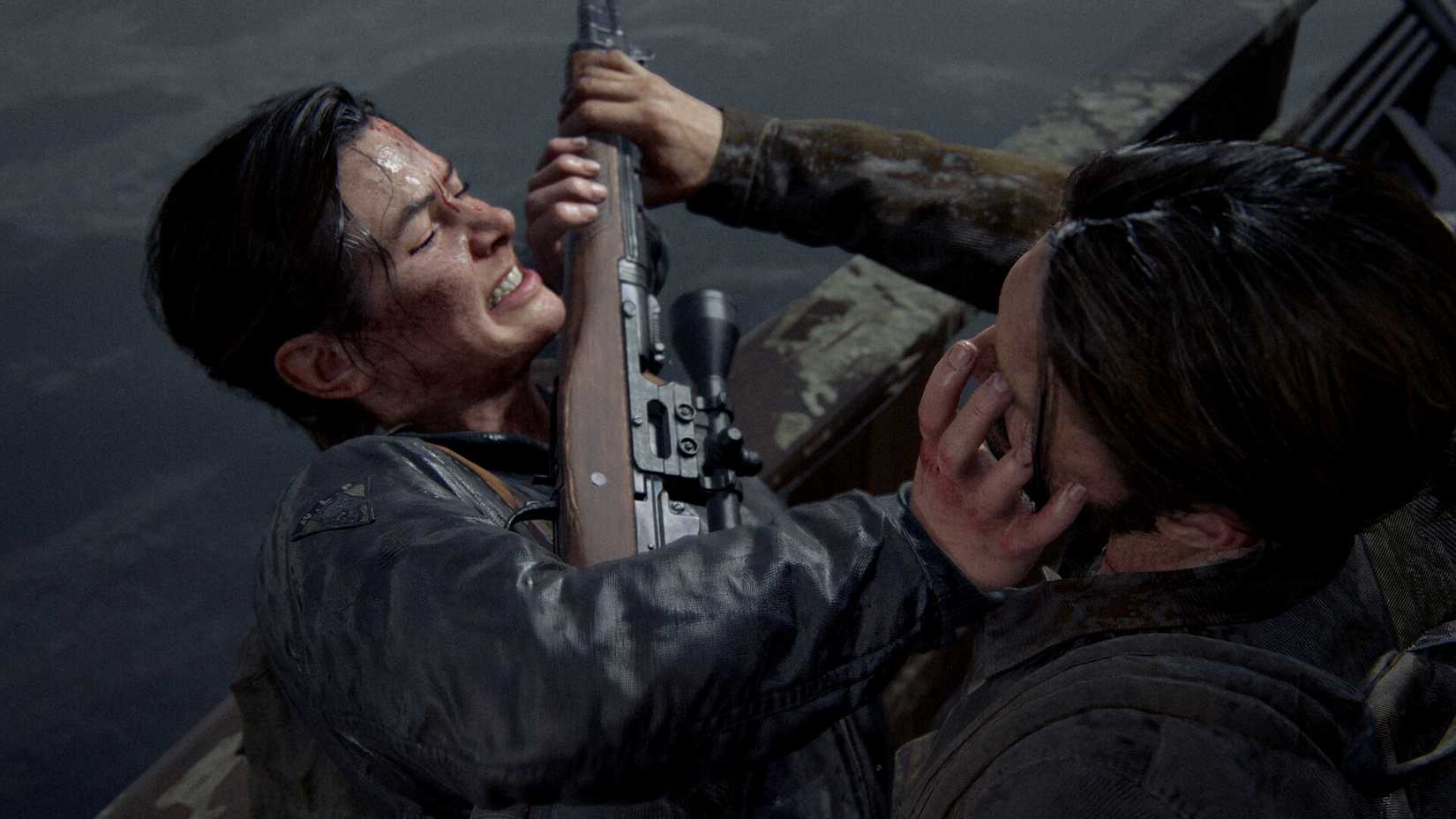
7. The Last of Us Part II: The Cycle of Hatred
Naughty Dog’s masterpiece is a harrowing exploration of how grief erodes morality. The game forces the player to walk in the shoes of two women—Ellie and Abby—whose paths are fueled by vengeance. When Ellie realizes she has killed a pregnant woman, the horror is not found in a jump scare, but in the sickening realization of her own capacity for cruelty. The game refuses to grant the player the comfort of a "good" protagonist, instead presenting a cycle of violence that consumes everyone involved.
6. Manhunt: The Snuff Film Simulator
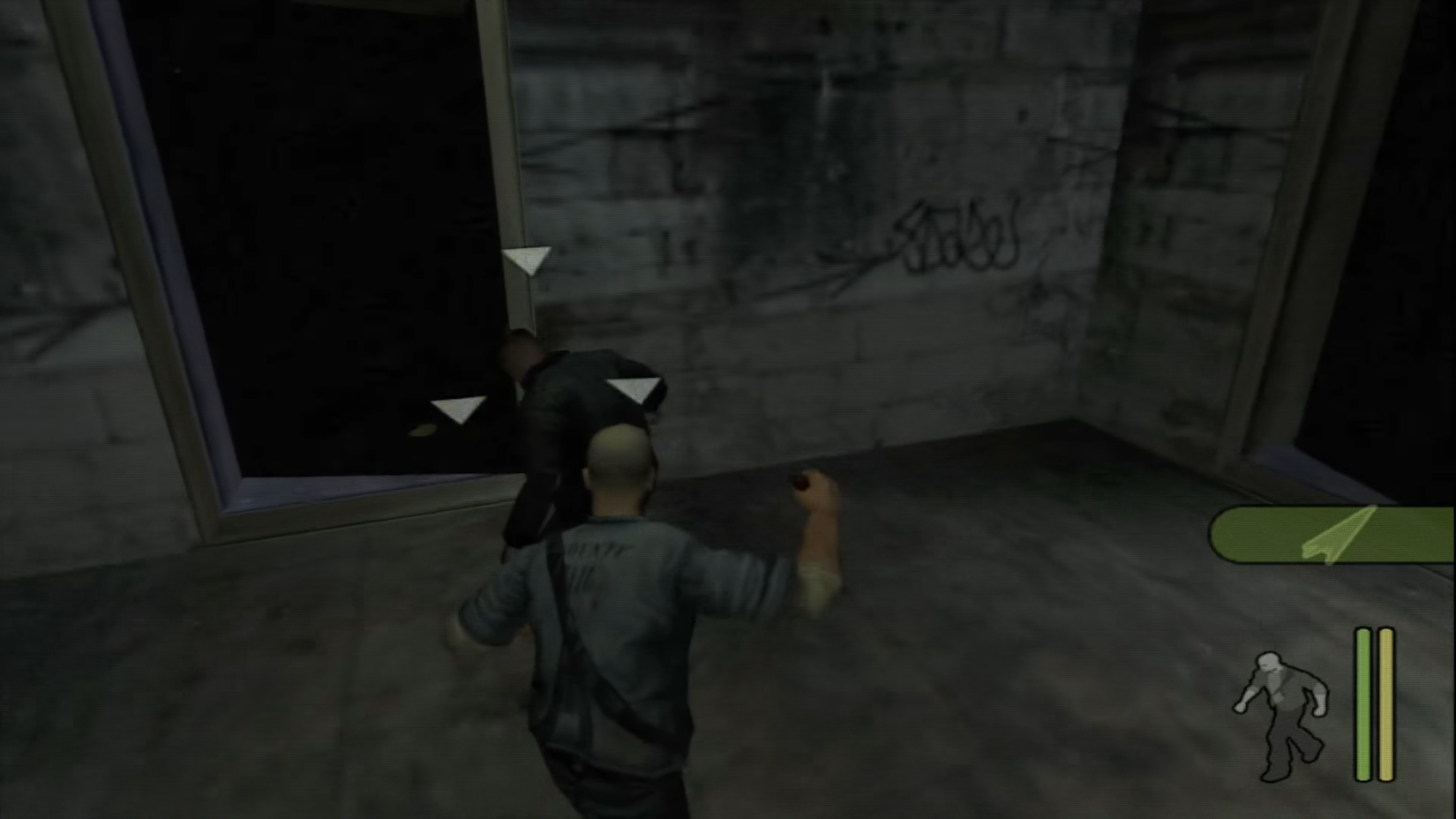
Rockstar’s Manhunt remains one of the most controversial titles in gaming history. You play as James Earl Cash, a death row inmate forced to participate in a series of "snuff" films for the amusement of a voyeuristic director. The game is designed to make you feel like a participant in the exploitation. The mechanics of the stealth-kills are visceral, demanding that the player be efficient, cold, and calculated. It is a bleak, nihilistic experience that forces you to question why you are willing to play along with the director’s sick game.
5. Lucius: The Banality of Evil
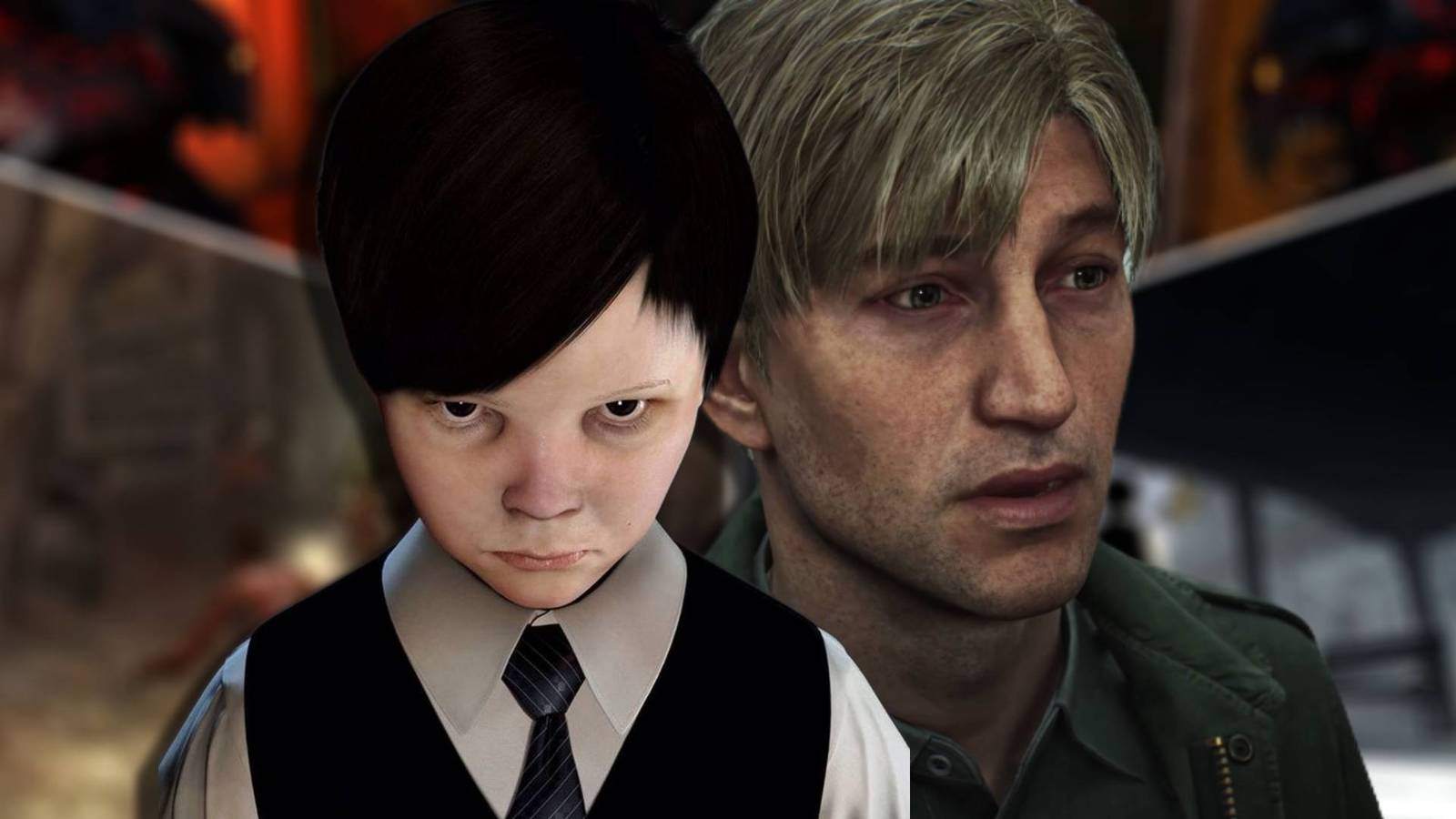
Lucius is a strange, dark comedy masquerading as a horror game. You play as the six-year-old son of Satan, tasked with systematically murdering your family members. While the premise is horrific, the execution is often unintentionally hilarious due to the absurd physics and the "so bad it’s good" atmosphere. It’s a unique entry in this list because it doesn’t attempt to make you feel guilty; it invites you to revel in the carnage of a bratty, demonic toddler.
4. Dead by Daylight: The Slasher Archetype
Dead by Daylight is the definitive multiplayer experience for those who want to embody the villain. With a vast roster of iconic killers—from Halloween’s Michael Myers to Resident Evil’s Nemesis—the game allows players to live out the tropes of 80s slasher films. The implication here is simple: you are the nightmare. The satisfaction of hunting down survivors and hanging them on hooks is a direct appeal to the "villain" fantasy.
3. The Suffering: The Mirror of Guilt
The Suffering uses its prison setting to explore the nature of morality. Your character, Torque, is a man accused of murdering his family. Throughout the game, your actions dictate the truth of your past. If you play with mercy, you are innocent; if you play with brutality, you become the monster you were accused of being. It is a rare example of gameplay mechanics directly shaping the protagonist’s canonical morality.
2. Mouthwashing: The Depravity of Self-Preservation
Mouthwashing is perhaps the most uncomfortable entry on this list. You play as Jimmy, a man who attempts to crash his own spaceship to cover up a heinous crime. The revelation of his actions—sexual assault and the subsequent abandonment of his crew—paints a portrait of a man who is irredeemable. Jimmy is not a tragic figure; he is a coward. By the time the credits roll, the game leaves you with a profound sense of disgust that is a testament to its narrative power.
1. Silent Hill 2: The Weight of Regret
Finally, Silent Hill 2 stands as the gold standard for psychological horror. James Sunderland is not a "bad guy" in the traditional sense, but he is a murderer. The monsters of Silent Hill are manifestations of his own psyche—his guilt, his repressed desires, and his shame. The game is a journey into the abyss of a man who killed his wife out of mercy, only to find that the act destroyed his own soul. It is a poignant, heart-wrenching, and deeply disturbing look at how guilt can manifest as physical torment.
Implications for Modern Narrative Design
The prevalence of "villain-protagonists" in horror signals a shift in player expectations. Modern audiences are no longer satisfied with simple tales of good versus evil. We want to be challenged; we want to explore the "grey area" that exists between heroism and sociopathy.
The Psychological Impact
When a game places the player in the role of a villain, it forces a cognitive dissonance. The player must reconcile their real-world ethics with the actions required to succeed in the game. This tension is the heart of effective psychological horror. If the player feels nothing, the game has failed. If the player feels profound guilt, the developer has succeeded.
The Future of the Genre
As technology improves, these narratives will only become more immersive. With advancements in AI-driven NPCs and more complex branching dialogue, the ability to "roleplay" as a villain will become more nuanced. We are moving toward a future where our in-game choices don’t just change the ending, but fundamentally alter the world’s perception of our character’s humanity.
Final Thoughts
Playing as the monster is not just a thrill-ride; it is an exercise in empathy—even if that empathy is directed at someone truly wretched. By stepping into the shoes of the antagonist, we gain a better understanding of the human condition in all its fractured, terrifying, and beautiful complexity. Whether it’s the quiet, suffocating guilt of James Sunderland or the unbridled rage of the creature in Carrion, these games remind us that the most terrifying monster is often the one we see in the mirror.


 Asro
Asro
 Nana Wu