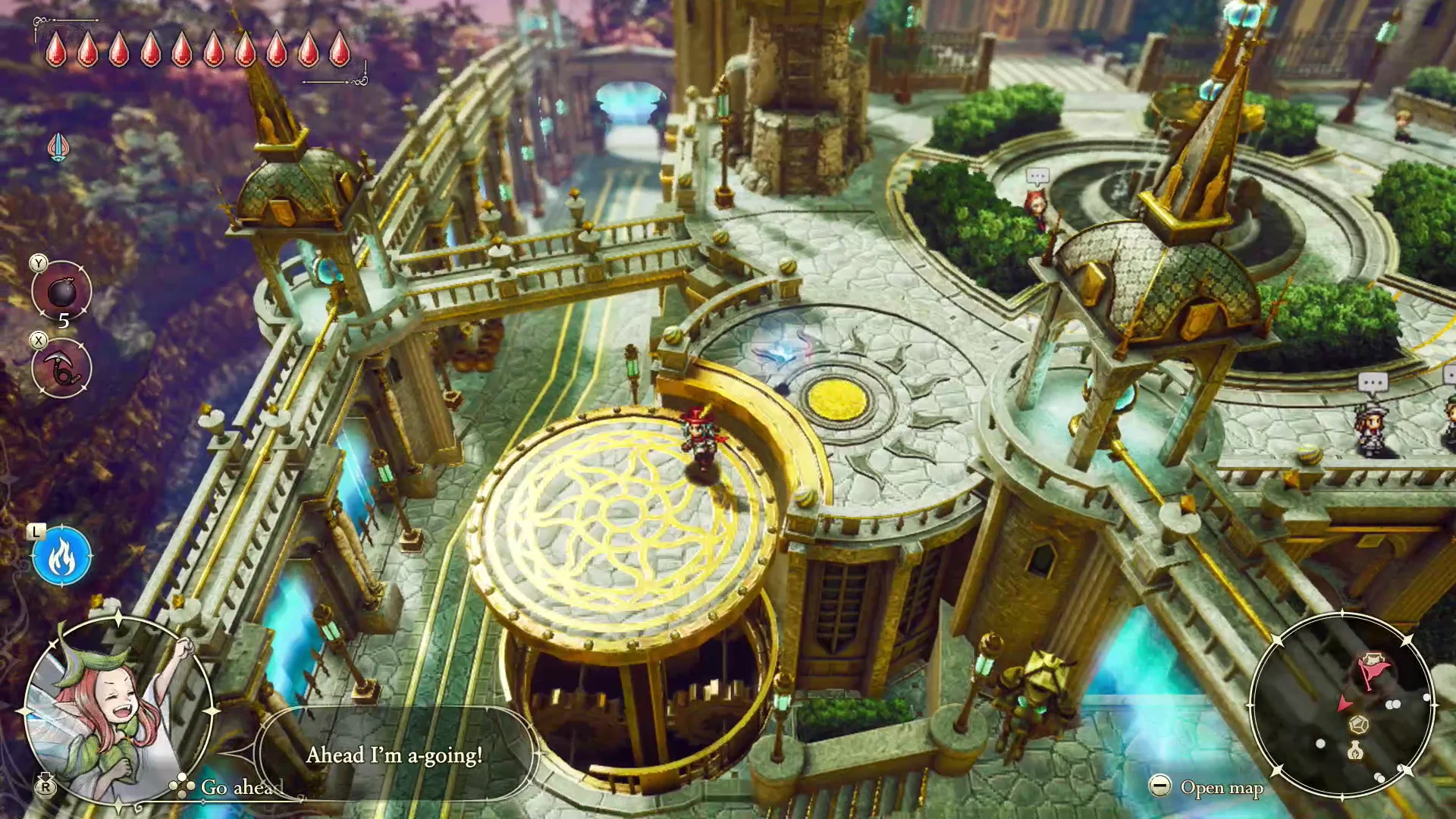
Since the 2018 debut of Octopath Traveler, Square Enix has effectively redefined the aesthetic landscape of modern Japanese Role-Playing Games (JRPGs). By marrying the nostalgic warmth of 16-bit pixel art with the atmospheric depth of 3D environments, the "HD-2D" graphical style has become a hallmark of quality for a new generation of titles. The latest entry to carry this torch is The Adventures of Elliot, a project that not only adopts this signature visual language but daringly pivots away from the genre’s traditional turn-based roots toward the kinetic, real-time intensity popularized by the Legend of Zelda series.
While The Adventures of Elliot clearly owes a debt to its predecessors, it distinguishes itself as more than a mere stylistic homage. It is a bold, action-oriented experience that seeks to marry classic fable-like storytelling with modern, high-octane mechanical complexity.
The Narrative Foundation: A Kingdom in Flux
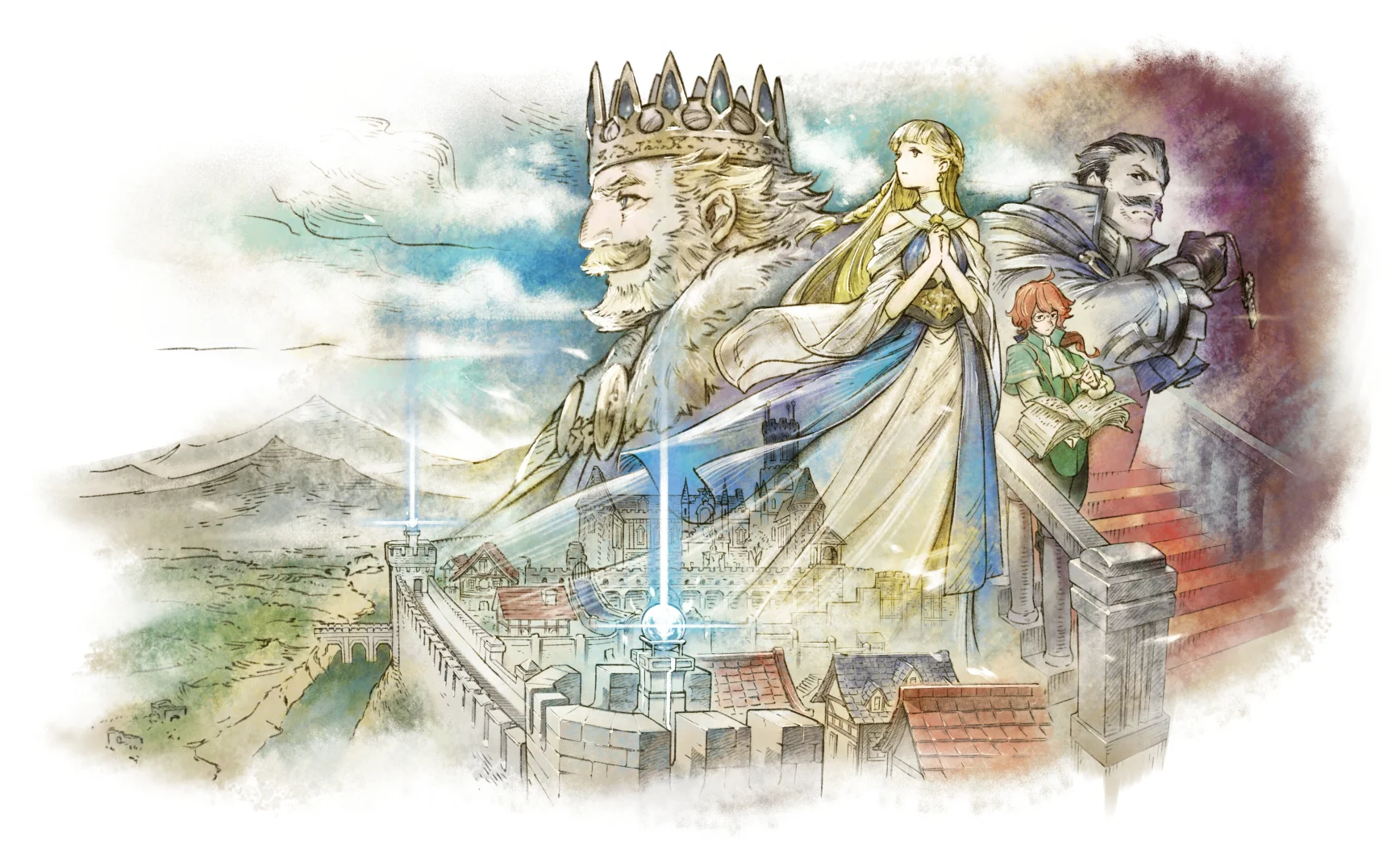
The story unfolds within the Kingdom of Huther, a realm defined by its stark contrast between the safety of the interior and the lethal wilderness beyond. The narrative centers on Elliot, a dashing protagonist whose design—complete with a scarlet cloak and a penchant for doffing his wide-brimmed hat—evokes a classic, swashbuckling charm.
At the behest of the benevolent King Hichard, Elliot is tasked with venturing beyond the city gates to confront the encroaching darkness. This is no small feat, as the world is overrun by hostile beast tribes. The safety of Huther is maintained solely by a powerful ward cast by Princess Heuria. Bound to the kingdom by the weight of her duty, Heuria becomes a disembodied companion to Elliot, maintaining a magical tether that allows her to experience the world through his eyes. This dynamic provides the emotional heart of the game, transforming what could have been a standard "hero’s journey" into a poignant exploration of isolation and discovery.
Chronological Complexity: A Journey Through Time
Much like the legendary Chrono Trigger or the sprawling narrative of Dragon Quest VII, The Adventures of Elliot employs a time-travel mechanic that spans four distinct epochs. The game is structured around these periods, forcing the player to navigate the consequences of their actions across the ages.
- The Age of Safekeeping: The present day, where the Kingdom of Huther currently stands under Princess Heuria’s protection.
- The Age of Reconstruction: A bleak era where humanity struggles to emerge from the ashes of a global cataclysm.
- The Age of Magic: A high-fantasy utopia characterized by advanced, sparkling arcane technologies that seem like miracles compared to later eras.
- The Age of Budding: The foundational period of the world, offering glimpses into the origins of the kingdom.
This chronological traversal is more than a narrative gimmick; it serves as an environmental storytelling tool. Players can witness a thriving city in one era and return to find its remnants abandoned and reclaimed by nature in another. While some critics argue that this system serves as a convenient way to recycle assets and dungeon layouts, the sheer emotional impact of watching a civilization rise and fall provides a level of world-building rarely seen in contemporary action-RPGs.
Mechanical Innovation: The "Fairy-Dual" Combat System
The most significant departure from the HD-2D formula is the combat. Eschewing menu-based navigation, The Adventures of Elliot opts for a fast-paced, real-time system that requires both tactical foresight and twitch reflexes. Players can map two weapons to their controller simultaneously, allowing for fluid experimentation with different combat styles.
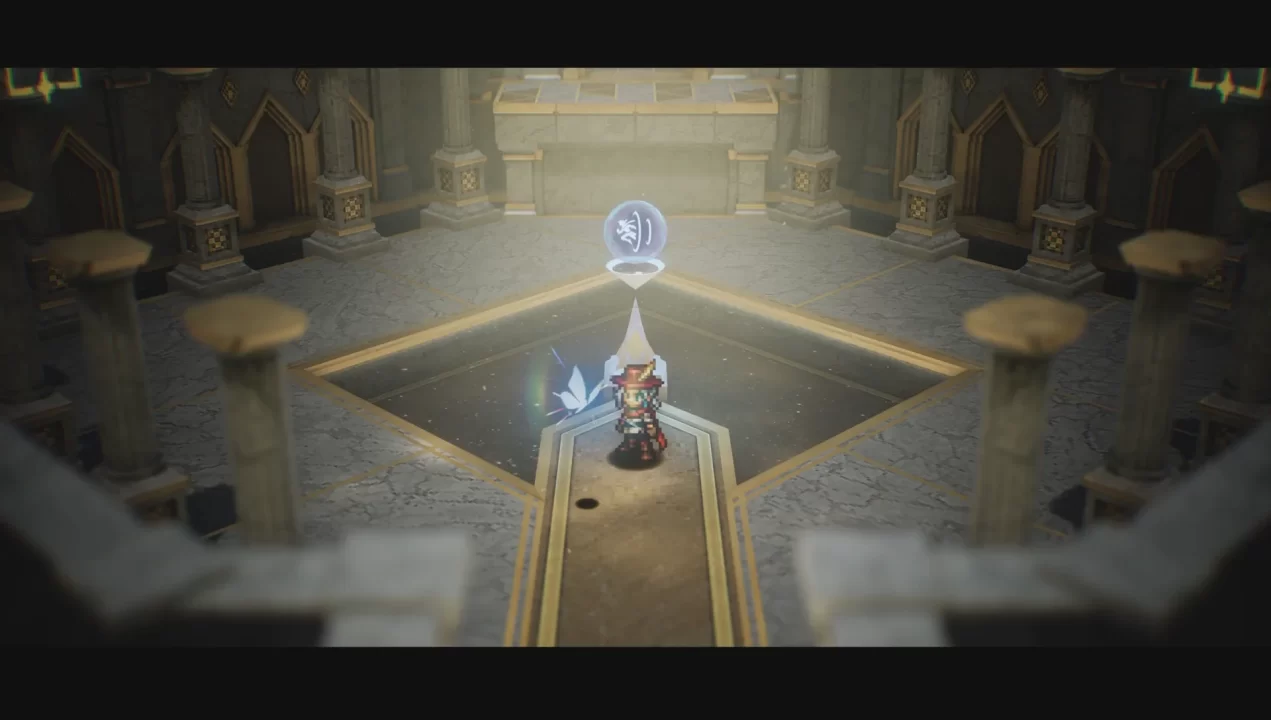
Central to this combat is the character of Faie, a childlike fairy who serves as the player’s primary magical conduit. Faie introduces a unique, dual-control system: while the left stick dictates Elliot’s movement and attacks, the right stick allows for the independent positioning of Faie.
The Challenges of Multitasking
Managing Faie is the game’s highest hurdle. She can be used to damage enemies, ignite objects, warp the player, or even create combat-doubling clones. However, the requirement to pilot both characters simultaneously can prove overwhelming for some. Recognizing this, the developers have provided an option for a second player to take control of the fairy, turning the game into a cooperative experience that significantly improves the accessibility and fluidity of the combat.
Supporting Data: Artistry and Atmosphere
The visual presentation of The Adventures of Elliot is, in a word, masterful. Team Asano has utilized the HD-2D engine to its fullest potential, particularly in how it handles lighting and water reflections. The sprite work, while 2D, possesses an expressiveness that rivals the best of the 16-bit era.
- Character Design: The use of large, full-body portraits—reminiscent of 90s Studio Ghibli films—serves to ground the pixelated sprites in a more human, emotive reality.
- Audio Composition: The soundtrack, composed by Tomohiro Nakamachi and Yuto Moritani, is a critical component of the experience. It successfully shifts in tone to match the era being explored, ranging from the melancholic, muted tones of the Age of Reconstruction to the sweeping, heroic anthems of the Age of Magic.
- Customization: The inclusion of "magicite" gems allows players to augment their weapons, providing a layer of RPG depth that compensates for the lack of traditional level-up statistics.
Implications and Critical Reception
Despite its strengths, The Adventures of Elliot is not without its flaws. The game’s ending structure has sparked debate within the community. The "True Ending" is gated behind extensive requirements, leaving the initial conclusion feeling somewhat hollow. This creates a risk that casual players may disengage before witnessing the narrative’s actual resolution.
Furthermore, the enemy variety can feel repetitive, particularly when backtracking through dungeons in different time periods. While the boss fights are spectacular set pieces, the frequency with which these encounters are reused can dampen the impact of subsequent playthroughs.
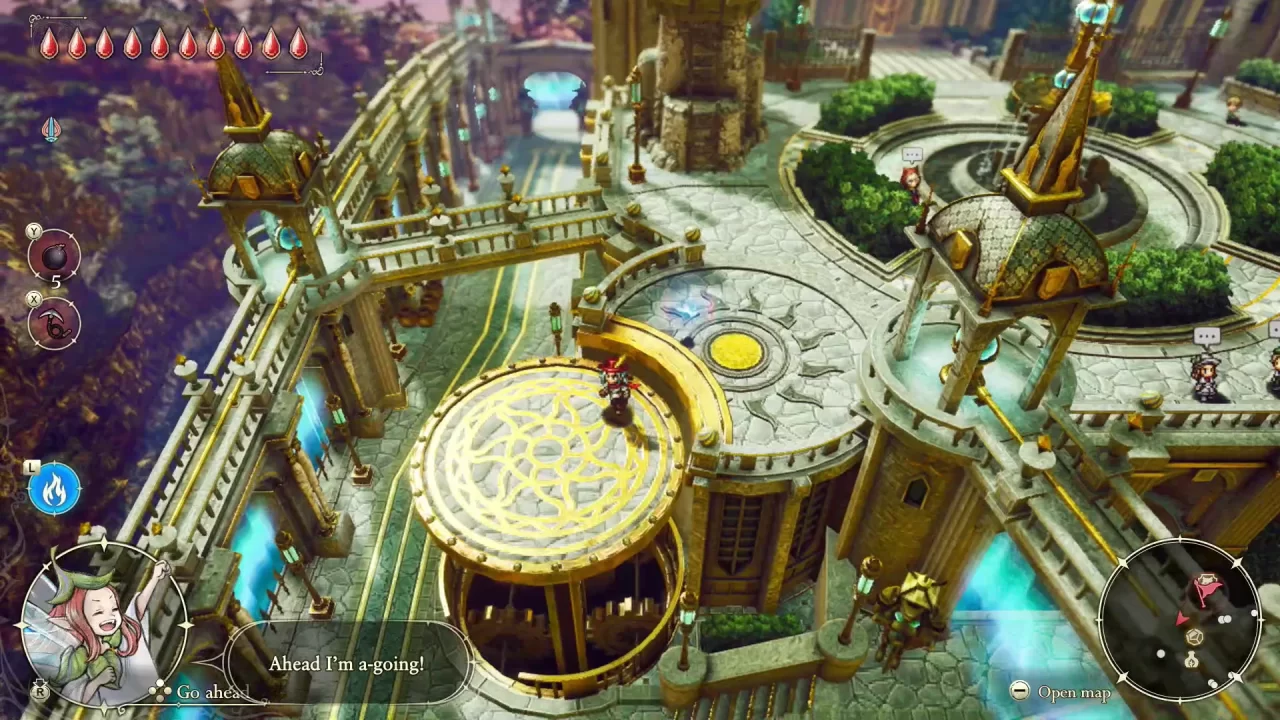
However, these issues are minor in the face of the game’s overall heart. The writing is genuine, the characters are likable, and the world—populated by a delightful abundance of cats—is one that invites exploration. It is a bold, earnest experiment that proves the HD-2D genre has the legs to move beyond the traditional turn-based format.
Conclusion: A New Standard for Action-RPGs?
The Adventures of Elliot represents a significant inflection point for Team Asano and the broader Square Enix experimental wing. By successfully porting the action-combat sensibilities of Ys Origins and The Legend of Zelda into the, until now, turn-based domain of HD-2D, they have opened the door for a new sub-genre of "Action-HD-2D" games.
While it falls short of total perfection due to some pacing issues and a potentially divisive ending structure, the game succeeds in its primary mission: to create an immersive, emotionally resonant journey through time. It is a title that balances the weight of history with the immediacy of the present, ensuring that even as the genre evolves, the soul of the classic RPG remains intact. For those seeking a game that marries the aesthetic beauty of the past with the mechanical demands of the present, The Adventures of Elliot is an essential experience.