

For years, the smartphone industry has been trapped in a cycle of "safe" design. When consumers walk into a retail store to purchase a flagship device, they are almost universally greeted by a sea of greys, muted blacks, and the occasional "refined" gold or white. While these minimalist aesthetics appeal to the corporate market, there has long been a vocal segment of the user base craving something more—something bold, something expressive, and something that breaks the mold of utilitarian design.
Recent developments suggest that Google might be listening. A series of intriguing, albeit unconfirmed, retail listings have ignited speculation that the upcoming Pixel 11 may finally introduce the vibrant, personality-driven colorways that many tech enthusiasts have been clamoring for.
The Core Revelation: Magenta and Peach on the Horizon
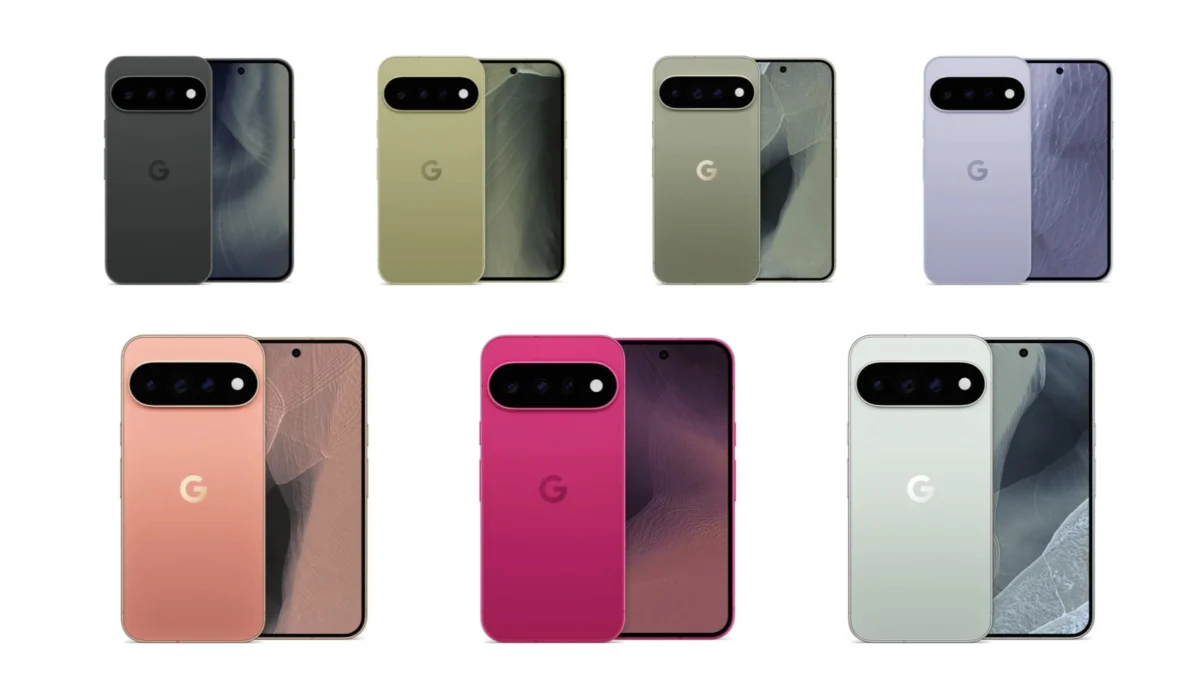
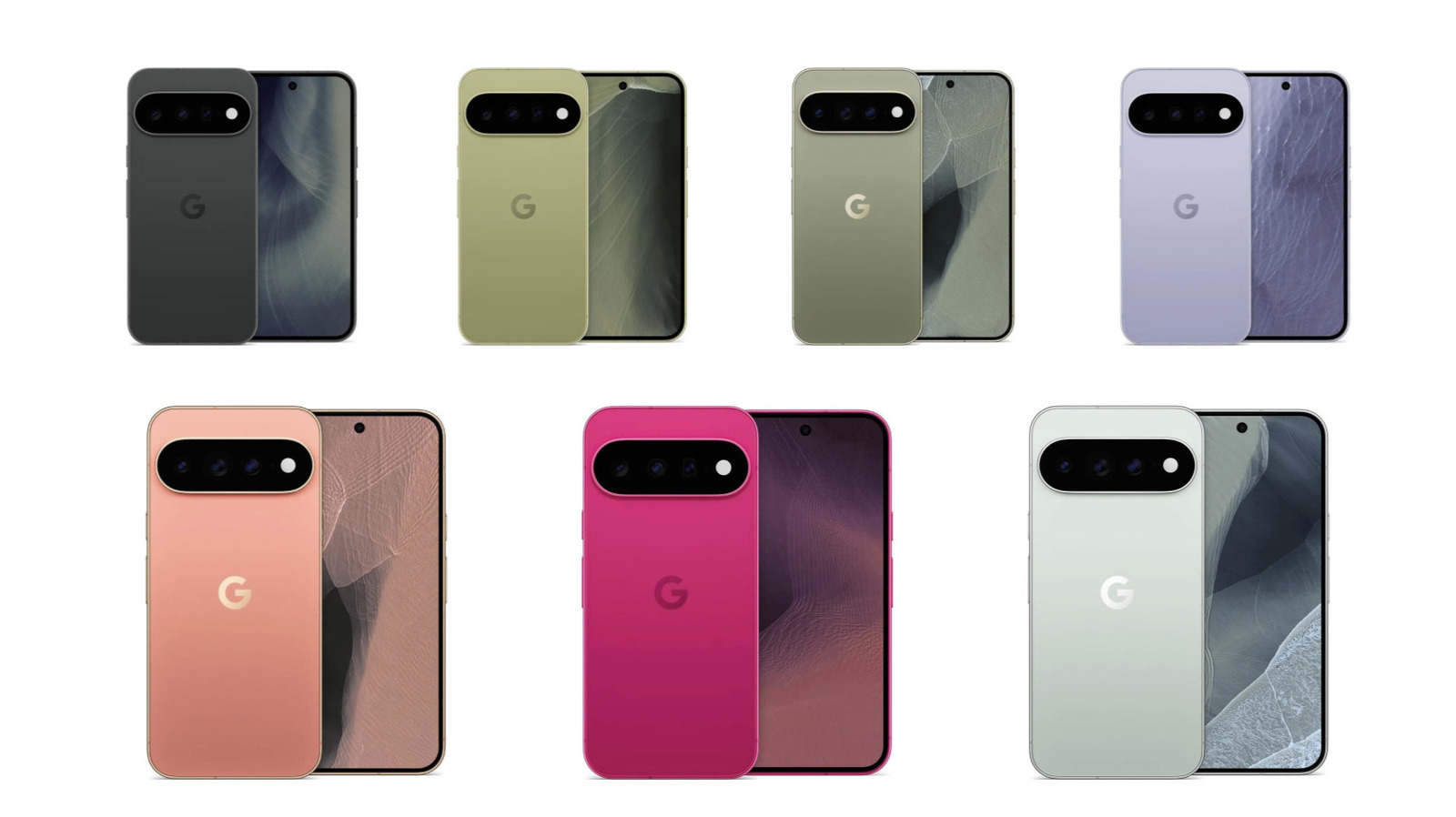
The spark for this excitement originated from findings reported by 9to5Google, which identified a series of Amazon placeholders that seemingly previewed the color palette for the upcoming Pixel 11 series. These listings, while fleeting and currently inactive, showcased handsets in striking, saturated hues—specifically a vivid, high-energy magenta and a soft, inviting, and warm peach.
These weren’t just random renders; they appeared as part of a structured inventory system. For the discerning observer, the details within these listings were particularly telling. The documentation contained a discrepancy often found in early database entries: the product titles and the detailed descriptions provided different naming conventions for the colorways. Crucially, the secondary set of names matched a previous, credible leak suggesting that a "fuchsia" model was in active development for the Pixel 11 lineup.
While it is important to maintain a healthy degree of skepticism—after all, retail placeholders are often populated by third-party sellers or speculative systems long before an official announcement—the timing and the specificity of these leaks have provided a much-needed injection of optimism into the pre-launch cycle.
A Chronology of Anticipation: From Leaks to Launch
To understand why these color leaks are causing such a stir, we must look at the timeline of the Pixel 11’s development.
- Early July 2026: Initial reports began circulating regarding the pricing structure and the 128GB base storage configuration of the Pixel 11. These leaks established that Google was aiming for a competitive, if premium, pricing strategy, setting the stage for discussions about the device’s "value proposition."
- Mid-July 2026: The discovery by 9to5Google and 9to5Toys introduced the color rumors. By cross-referencing these listings with previous supply-chain whispers, analysts began to piece together a picture of a phone that might prioritize aesthetic differentiation as much as internal hardware upgrades.
- Late July 2026: As the date of the official showcase approaches, social media and enthusiast forums have become a hotbed of debate. Users are actively comparing these potential new shades to the "Coral" and "Lemongrass" options of previous generations, hoping that Google is leaning further into the saturated end of the color spectrum.
- August 12, 2026 (Forthcoming): Google has officially scheduled its next major hardware showcase. This event is the finish line for the rumor mill. It is here that the industry will finally confirm whether these bold colors are the future of the Pixel brand or merely a sophisticated digital phantom.
Supporting Data: Why Color Matters in Smartphone Strategy
The importance of smartphone aesthetics cannot be overstated. In a market where hardware specifications—such as processor speed, RAM, and camera megapixel counts—have reached a point of diminishing returns for the average user, industrial design has become the primary differentiator.
According to consumer behavior research in the mobile sector, "personality-driven" hardware often sees higher engagement on social media platforms, which in turn acts as free organic marketing for the manufacturer. By offering a magenta or peach handset, Google isn’t just selling a phone; they are selling an accessory that functions as a fashion statement.
Furthermore, the shift toward these colors signals a transition in Google’s brand identity. Early Pixel devices were characterized by a "utilitarian chic" aesthetic. The transition to the Pixel 11, should these colors prove accurate, represents a move toward "lifestyle integration." Google is clearly attempting to position the Pixel not just as a tool for productivity, but as a desirable object that reflects the user’s individual style.
Official Responses and the Corporate Silence
To date, Google has maintained its standard "no comment" policy regarding unannounced products. This is a deliberate strategy; by staying silent, the company keeps the conversation focused on the leaks themselves, allowing the hype to build naturally without needing to commit to specific features until the stage is set in August.
However, industry insiders note that Google’s marketing team has been increasingly bold in its color naming conventions over the last three years. From "Hazel" to "Bay Blue" and "Porcelain," Google has moved away from generic color descriptors toward more evocative, emotive language. This linguistic shift in their marketing collateral supports the theory that the hardware itself will follow suit with more daring, non-traditional shades.
Implications: The High Cost of Modern Tech
The underlying sentiment driving the excitement for these colors is a reaction to the increasing cost of flagship smartphones. As the price of entry for premium devices continues to climb, consumers are becoming more discerning about what they are paying for.
If a smartphone is going to represent a significant portion of a household’s discretionary budget, it is no longer enough for it to simply "work well." It needs to feel premium, and for many, that feeling is tied to the emotional resonance of the device’s physical appearance. The prospect of a "hot pink" or "rosy peach" Pixel 11 offers a sense of joy and playfulness in a market that has become increasingly clinical and expensive.
If Google successfully delivers these colors, they are effectively acknowledging that modern tech should be as vibrant as the life it is meant to document. The implications for the industry are clear: if Google finds success with these bold choices, competitors may feel pressured to abandon their safe, monochromatic palettes in favor of more daring designs to stay relevant.
The Verdict: A Hopeful Horizon
As we count down the days to the August 12th showcase, the consensus among the tech community is one of cautious optimism. We have been teased before, only to be met with subtle, muted variations of the same colors we have seen for years. However, the specificity of the 9to5Google report provides a glimmer of hope that this time, the leaks might actually hold water.
Whether these devices arrive in a stunning, high-contrast magenta or a subtle, sophisticated peach, the simple fact that we are having this conversation is a win for the consumer. It proves that there is a massive appetite for devices that refuse to blend into the background.
We are, as a collective, tired of the "grim" and the "grey." We want our pocket-sized supercomputers to be a reflection of the world they capture—a world that is, in its best moments, vibrant, colorful, and unapologetically bold. If the Pixel 11 can bridge the gap between high-end performance and high-fashion aesthetics, Google might just have the hit of the year on its hands.
Until the curtain rises in August, we are left to imagine the possibilities. But one thing is certain: if those leaks turn out to be real, the Pixel 11 will be a device that is impossible to ignore. And in an industry that relies heavily on attention, that might just be the smartest design decision Google has made in years.











