

In the high-stakes arena of modern smartphone engineering, the "book-style" foldable represents the ultimate status symbol. It is a form factor that promises the portability of a traditional handset and the expansive, productive real estate of a tablet. For years, the market was dominated by a singular narrative, but as we navigate the mid-2026 landscape, the competition has sharpened significantly.
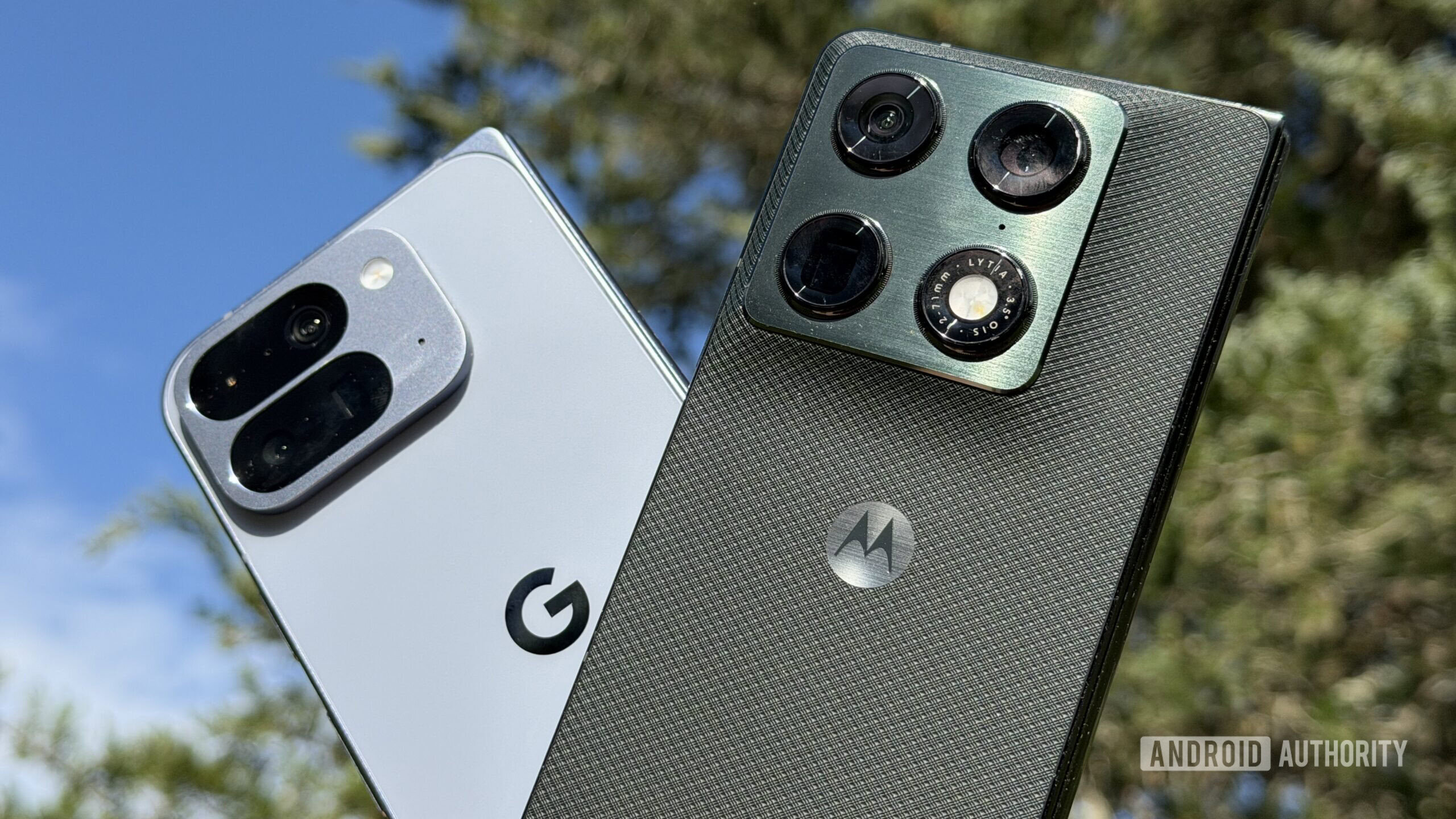
Drawing inspiration from the cold, calculated wisdom of the film Margin Call, where success is defined by being first, being smarter, or "cheating" through aggressive value, Motorola has taken an unexpected path. They didn’t arrive first, nor did they rely on market manipulation. Instead, they chose to be "smarter," crafting a device—the Motorola Razr Fold—that challenges the long-standing supremacy of Google’s flagship foldable, the Pixel 10 Pro Fold.
Main Facts: The Battle of the Flagships
The current foldable market is defined by a philosophical divide. On one side, we have the Motorola Razr Fold, a device that surprises with its refined hardware and aggressive feature set. On the other, the Google Pixel 10 Pro Fold stands as a titan of software optimization and ecosystem integration.
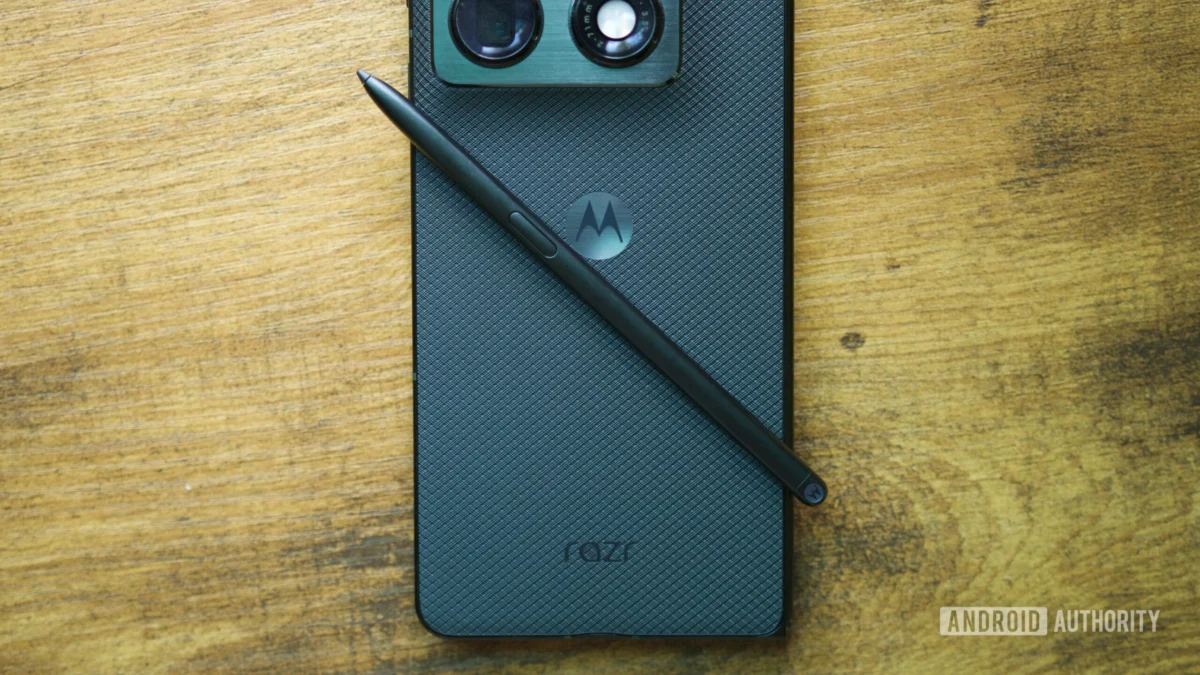
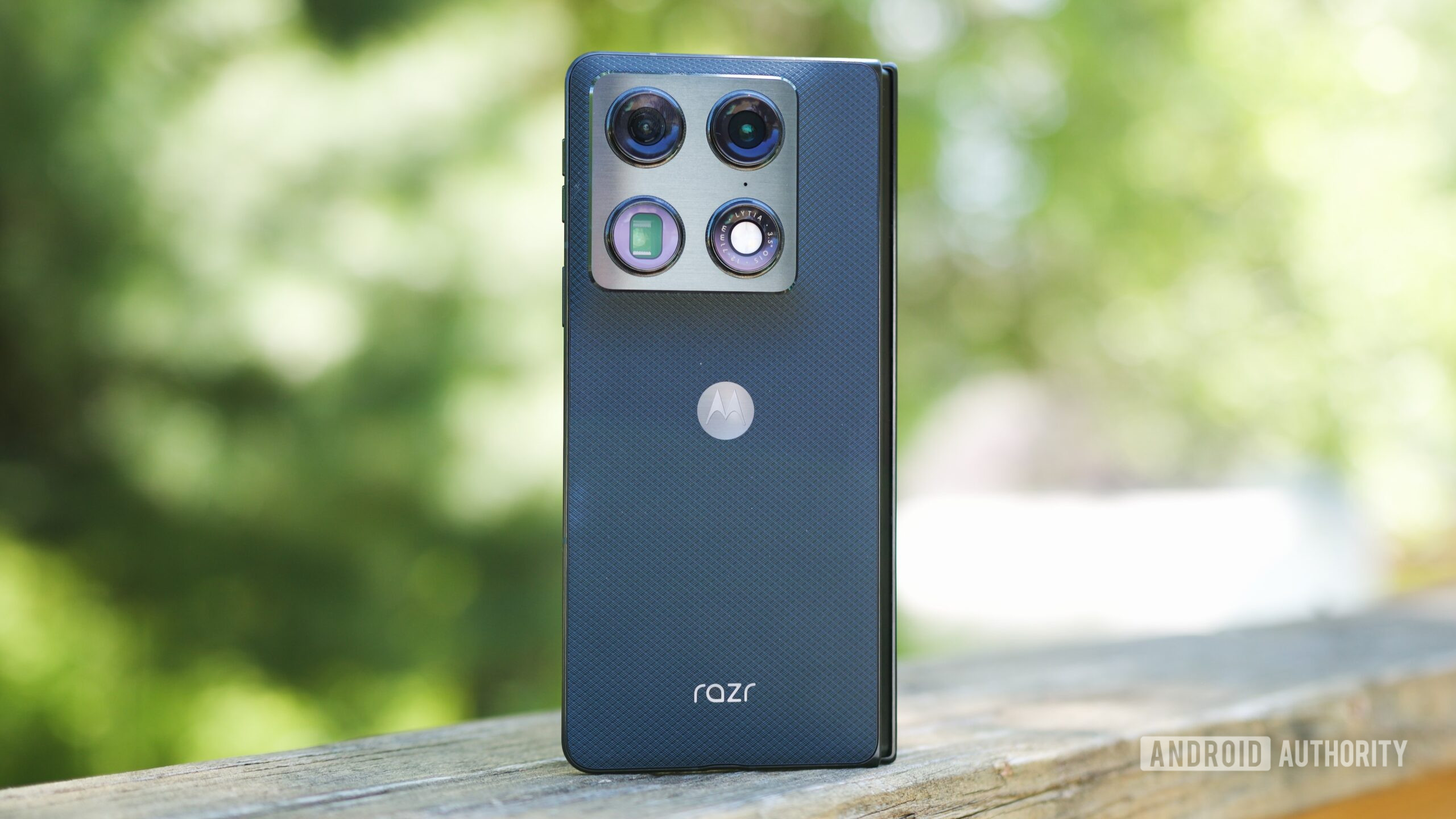
The Motorola Razr Fold enters the fray with a focus on raw hardware capability. Boasting a massive 6,000mAh silicon-carbon battery and 80W wired charging, it addresses the "battery anxiety" that has long plagued foldable users. Its triple 50MP camera array provides a level of photographic versatility that challenges traditional slab phones, while its support for a dedicated stylus positions it as a genuine workstation for power users.
Conversely, the Google Pixel 10 Pro Fold is a masterclass in polish. While it weighs in at a dense 258g—noticeably heavier than the 243g Motorola—it offers an IP68 water resistance rating, providing a level of durability that remains the gold standard. Its software, now matured into Android 17, continues to be the primary reason users flock to the Pixel lineup, offering an experience that is consistently optimized for the unique folding form factor.
Chronology: The Evolution of the Foldable Form Factor
To understand why these two devices are so significant, one must look at the timeline of the foldable revolution:
- 2019–2021 (The Experimental Phase): Early foldables were fragile, plagued by screen creases and hinge failures. Brands were primarily focused on simply making the technology work.
- 2022–2024 (The Refinement Phase): Competitors like Samsung and Google began to standardize the "book-style" design. Durability improved, and water resistance became a requested feature.
- 2025 (The Pixel 10 Pro Fold Launch): Google cemented its position in the space, focusing on AI-integrated software and a landscape-dominant inner display.
- 2026 (The Current Standard): With the release of the Motorola Razr Fold, the industry has shifted toward "feature parity." High-end chipsets, massive batteries, and professional-grade cameras are now expected, not just hoped for.
Supporting Data: Performance and Ergonomics
When comparing the two, the differences extend beyond the spec sheet into the realm of daily user experience.
Battery and Charging
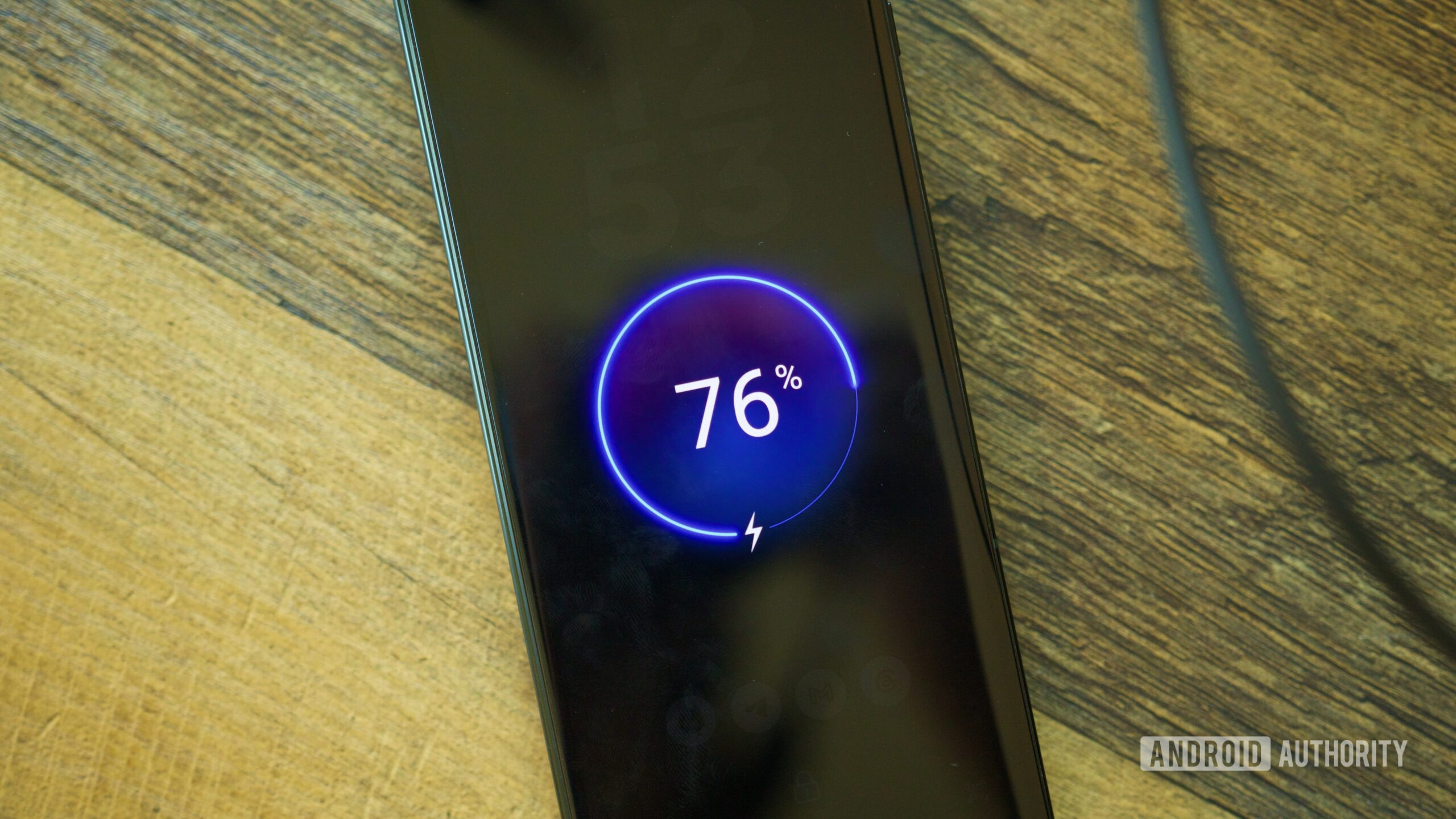
Motorola’s inclusion of a 6,000mAh silicon-carbon cell is a game-changer. In our testing, the device consistently pushed into a second day of moderate use. The 80W wired and 50W wireless charging speeds leave the Pixel 10 Pro Fold’s 30W wired charging in the dust. For users who view their phone as a primary work tool, the Razr Fold’s ability to minimize downtime is a compelling value proposition.
Multitasking and Software
The Pixel 10 Pro Fold utilizes a landscape-oriented inner display that is arguably superior for side-by-side app usage. However, Google’s implementation of "App Bubbles" in Android 17 feels restricted. When unfolded, these bubbles are confined to a "Bubble Bar," creating a UI bottleneck.
Motorola, conversely, has leaned into a more intuitive multitasking approach. By using a simple three-dot menu at the top of any app, users can snap windows into split-screen views with minimal friction. While Motorola’s long-term update track record has historically been inconsistent, their commitment to seven years of support for the Razr Fold signals a new era of reliability for the brand.
Camera Systems
The Razr Fold’s triple 50MP array produces high-contrast, saturated images that are optimized for immediate social media sharing. It is a point-and-shoot powerhouse. The Pixel 10 Pro Fold, however, retains the "Pixel" identity. While it may not capture the same punchy colors out of the box, its Night Sight capability remains the industry leader for challenging lighting scenarios.
Official Responses and Market Positioning
Market analysts note that the pricing strategy for these devices is currently in flux. With rumors of a "Pixel 11 Pro Fold" launch on the horizon, retailers have begun slashing prices on the current Pixel 10 Pro Fold. We have observed retail prices dipping to $1,500, with refurbished units available for as low as $1,000.
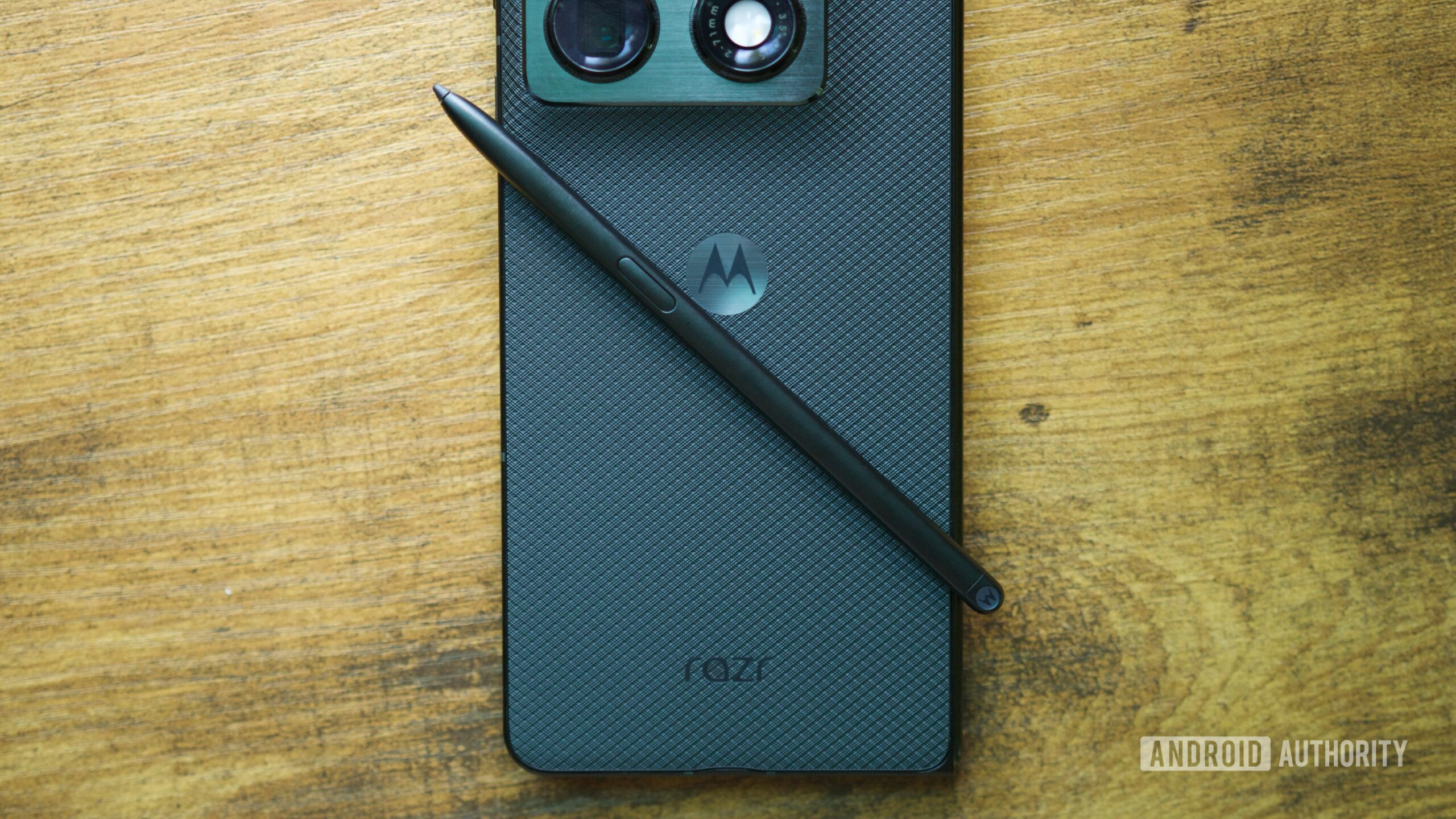
Motorola has maintained a firm stance on the Razr Fold’s value, emphasizing that the hardware—specifically the silicon-carbon battery and the stylus support—justifies the premium price point. While Motorola has historically played the role of the "budget-friendly" alternative, the Razr Fold is their claim to the ultra-premium throne.
Implications: The Future of the Foldable Sector
The competition between Motorola and Google suggests three major implications for the smartphone industry:
- The Death of "Good Enough" Hardware: Consumers are no longer willing to accept compromised cameras or mediocre battery life just for the novelty of a folding screen. The bar for "flagship" has been raised across the board.
- The Rise of Peripheral Ecosystems: Google’s success with the "Pixelsnap" ecosystem—including ring stands and magnetic chargers—highlights that the future of foldables is tied to how well they integrate with accessories. Qi2 compatibility is becoming a non-negotiable feature for power users.
- Software as the Ultimate Differentiator: While hardware is beginning to reach a state of parity, the software experience remains the primary divide. Google’s commitment to frequent, meaningful updates ensures that the Pixel remains a "living" device, whereas Motorola must prove that its seven-year support promise will be met with timely, bug-free deployments.
Final Verdict
Deciding between the Motorola Razr Fold and the Google Pixel 10 Pro Fold is no longer a matter of choosing the "better" brand, but rather choosing the "better" philosophy.

If your priority is hardware longevity, charging speed, and creative flexibility via stylus support, the Motorola Razr Fold is the superior choice. It is a device that feels purpose-built for the user who demands both power and endurance in a foldable package.
However, if you prioritize software ecosystem integration, superior low-light photography, and the refined, albeit slower-charging, experience that comes with the Google Pixel lineup, the Pixel 10 Pro Fold remains an exceptional piece of technology.
Ultimately, the Razr Fold feels like a fresh, daring step forward for Motorola, proving that they are no longer just a participant in the foldable market, but a serious contender for the crown. As the industry moves toward 2027, the gap between these two titans will only continue to narrow, which can only be good news for the consumer.











