Ali Ikhwan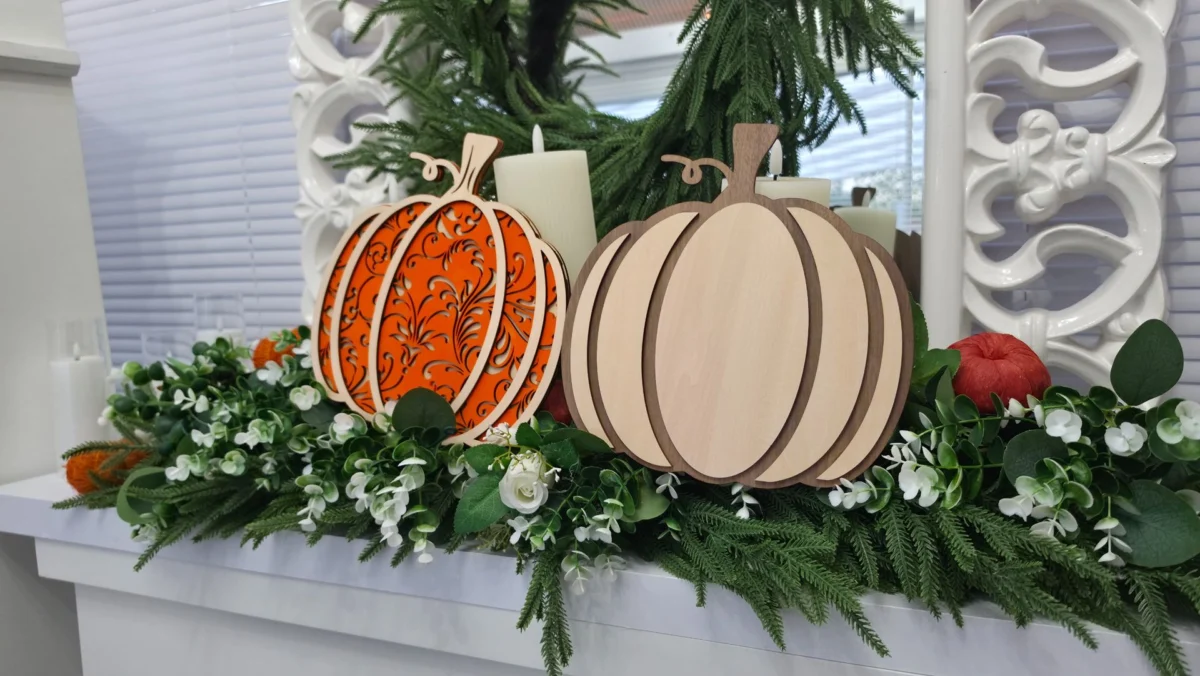
The landscape of desktop manufacturing is undergoing a seismic shift. For years, Bambu Lab has been synonymous with the democratization of high-speed, multi-material 3D printing. However, the company’s latest announcement marks a departure from the additive manufacturing space that made it a household name. Yesterday, Bambu Lab officially unveiled the R1, a sophisticated laser cutter and engraver that signals the brand’s intent to dominate the broader digital crafting ecosystem.
While many enthusiasts speculated that the company would release a new flagship 3D printer, the R1 represents a strategic pivot. By moving into laser technology, Bambu Lab is not just changing its product lineup; it is signaling to the creative community that it aims to become the "all-in-one" workshop solution for hobbyists and professional makers alike.
The Chronology of a Shift: From FDM to Laser
Bambu Lab’s ascent to the top of the 3D printing world was rapid. With the launch of the X1 Carbon and the subsequent P1 and A1 series, they set new industry benchmarks for speed, ease of use, and multi-color printing. Throughout 2023 and 2024, the community expected further iterations of the printer series.
However, internal rumblings and recent patent filings hinted at a secret project. Over the past few weeks, select members of the tech and design press were given early access to the R1. This "secret" testing phase was designed to ensure that the transition from filament extrusion to laser-based subtractive manufacturing met the company’s rigorous standards for user experience. The announcement yesterday confirms that the R1 has moved from the R&D lab to the production line, setting the stage for an October release that coincides perfectly with the peak demand for seasonal DIY projects.
Supporting Data: Why the R1 Matters
The desktop laser market is currently saturated with legacy players, yet many machines remain notoriously difficult to calibrate or require a steep learning curve. The R1 enters this space with the "Bambu DNA"—a focus on "plug-and-play" simplicity.
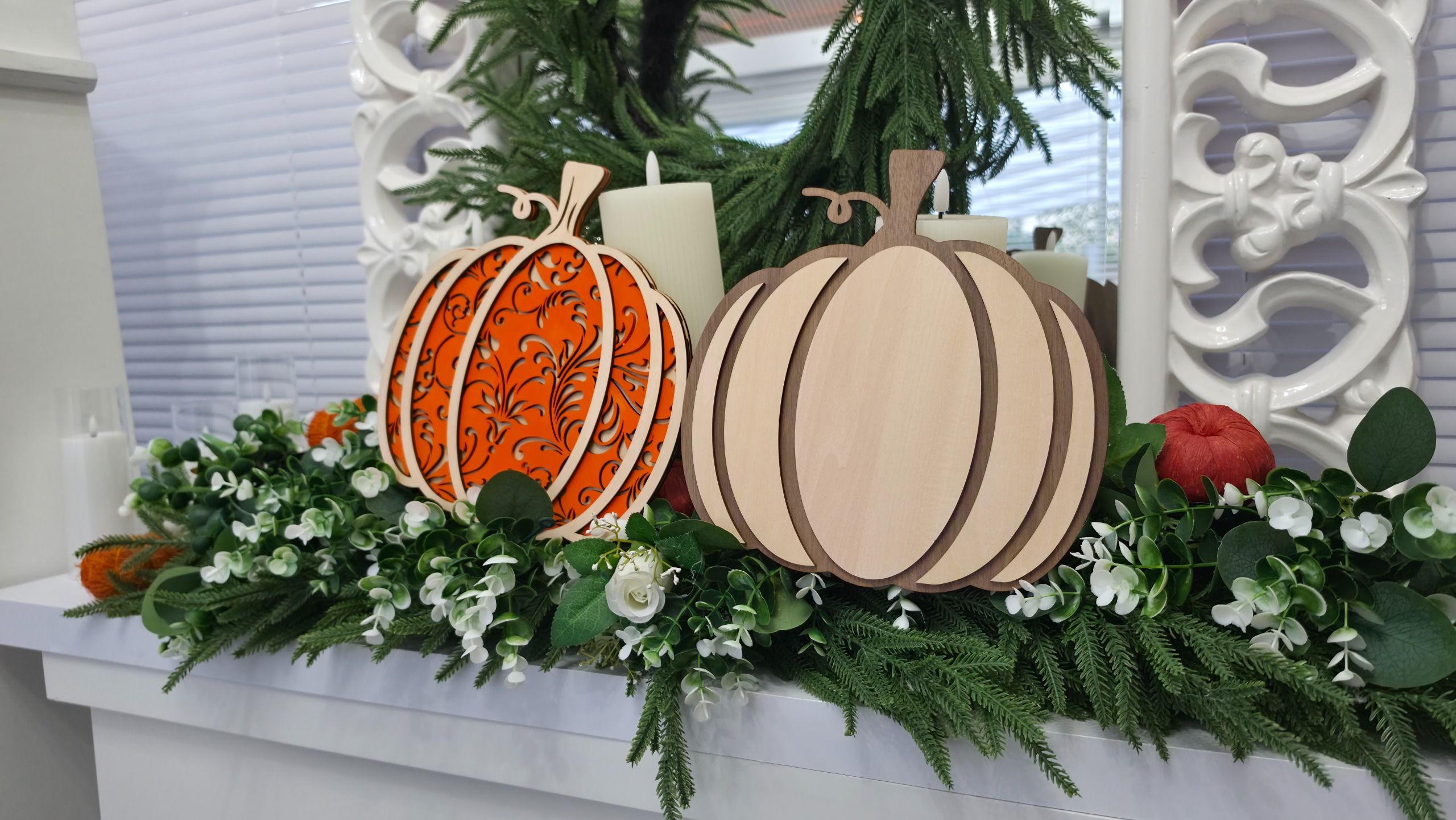
In testing the R1, the performance metrics are compelling. The machine offers a precision engraving resolution that rivals industrial-grade equipment, yet it fits comfortably on a standard workbench. For this author’s first project—a multi-layered, three-dimensional wooden pumpkin display—the R1 demonstrated exceptional speed and edge quality.
The project requirements are minimal, highlighting the machine’s accessibility:
- The Hardware: The Bambu Lab R1.
- The Medium: Basswood plywood (Bambu Lab’s own optimized sheets provide consistent results).
- The Digital Assets: SVG files (sourced from independent creators like Pixel Perfect on Atomm).
- Assembly: Basic acrylic paint and household wood glue.
The data points gathered during these initial weeks suggest that the R1 is not merely a tool for hobbyists but a versatile asset for small businesses. By leveraging the same software ecosystem that Bambu users are already familiar with, the R1 reduces the friction typically associated with laser software, allowing users to spend less time troubleshooting and more time creating.
Official Responses and Strategic Positioning
Bambu Lab has remained tight-lipped regarding the specific technical specifications of the laser diode and the cooling system, but the company’s messaging is clear: "The workshop of the future is unified."
In a brief statement following the announcement, a company spokesperson emphasized the importance of synergy. "Our goal has always been to remove the barriers to creation," the statement read. "Whether you are printing a complex gear assembly or engraving custom signage, the workflow should be intuitive. The R1 is a testament to our belief that the maker movement is not defined by one technology, but by the convergence of many."
Industry analysts view this move as a direct challenge to companies like xTool and Glowforge. By offering an ecosystem that connects 3D printers and laser cutters under one software umbrella, Bambu Lab is building a "walled garden" that is increasingly attractive to those who want a seamless creative workflow.
Implications for the Maker Community
The introduction of the R1 has immediate implications for the broader creative community.
1. The Death of the "Software Tax"
One of the most significant pain points in the laser engraving market is proprietary, clunky software. If Bambu Lab successfully integrates the R1 into its existing mobile and desktop app ecosystem, it could force competitors to overhaul their user interfaces. The "Bambu experience"—characterized by a slick, mobile-first approach—is currently the gold standard for user interface design in consumer hardware.
2. Market Consolidation
With the R1, Bambu Lab is effectively capturing a larger share of the "desk real estate" in home workshops. When a consumer trusts a brand for their 3D printer, they are significantly more likely to purchase a laser cutter from the same manufacturer to ensure file compatibility and consistent customer support. This cross-selling strategy is a classic move that could see Bambu Lab become the primary supplier for the DIY furniture and craft markets.
3. A Focus on "Spooky Season" and Seasonal Crafting
As we enter the final quarter of the year, the timing of the R1’s release is no coincidence. The "spooky season" is a massive driver for the crafting community. By showcasing the R1’s ability to create intricate, layered autumnal decor, Bambu Lab is positioning the machine as a lifestyle product rather than just a technical tool. It bridges the gap between the "geeky" world of CNC machines and the aesthetic world of home decor design.
Looking Ahead: The Future of the Integrated Workshop
While the DIY pumpkin project is a fun entry point, the true power of the R1 lies in its potential for multi-media integration. Imagine a future where a single Bambu Lab project file contains instructions for both 3D-printed components and laser-cut structural elements. We are moving toward an era where the boundary between "printed" and "crafted" is completely erased.
If you are currently looking to upgrade your creative toolkit, the R1 suggests that Bambu Lab is playing a long game. They are no longer just a 3D printer company; they are a manufacturing hardware company. For those who enjoy the "cozy" side of technology—whether it’s building seasonal decor, personalizing gifts, or creating professional prototypes—the R1 is likely to become an essential piece of hardware.
For those eager to dive into this new world, the transition is simple: download your SVG files, prepare your basswood, and prepare to experiment. The R1 is not just a new machine; it is an invitation to redefine what you can build at home.
Have you experimented with laser cutting before, or are you looking to make the leap with the new R1? Let us know in the comments below, and don’t forget to check out our previous archives for more autumnal design inspiration and tutorials.


 Sagoh
Sagoh
 Raul Delapena Setiawan