

By: Editorial Desk
Date: May 15, 2026

Relationships in the public eye are often subject to a unique, magnifying intensity. For the average individual, a breakup is a private process of healing and transition. For celebrities, however, a separation is often a global event—a spectacle played out across tabloid headlines, social media threads, and the court of public opinion. While fans often cling to the hope of a "reunion tour" for their favorite former flames, the reality of high-profile breakups is rarely so cinematic.

True partnership requires a foundation of mutual respect and private sanctuary. When those pillars crumble under the weight of constant surveillance, legal battles, and conflicting personal narratives, the damage is often irreparable. Today, we examine the celebrity unions that have become historical markers of finality—relationships that, despite the lingering nostalgia of the public, are definitively in the rearview mirror.

The Anatomy of a High-Profile Breakup: Main Facts
When we look at the landscape of celebrity dissolution, a pattern emerges. It is rarely a single event that seals a couple’s fate; rather, it is a cumulative erosion of trust. The couples listed below represent a spectrum of separation, from amicable but firm decisions to move on, to scorched-earth legal battles that have left no room for friendship, let alone reconciliation.
The "never again" factor in these instances is bolstered by several consistent realities:
- Irreconcilable Public Narratives: When private pain is monetized or debated in the press, the breach of trust is often absolute.
- Legal Entanglements: Protracted custody battles or defamation lawsuits create a psychological barrier that few can overcome.
- The "Moving On" Imperative: In a career-driven industry, the pressure to evolve and redefine one’s brand often requires a complete shedding of the previous domestic identity.
A Chronological Perspective on Notable Separations
While the following list is not exhaustive, it highlights the evolution of how the public consumes celebrity breakups.
The 80s and 90s: The Era of Tabloid Mystery
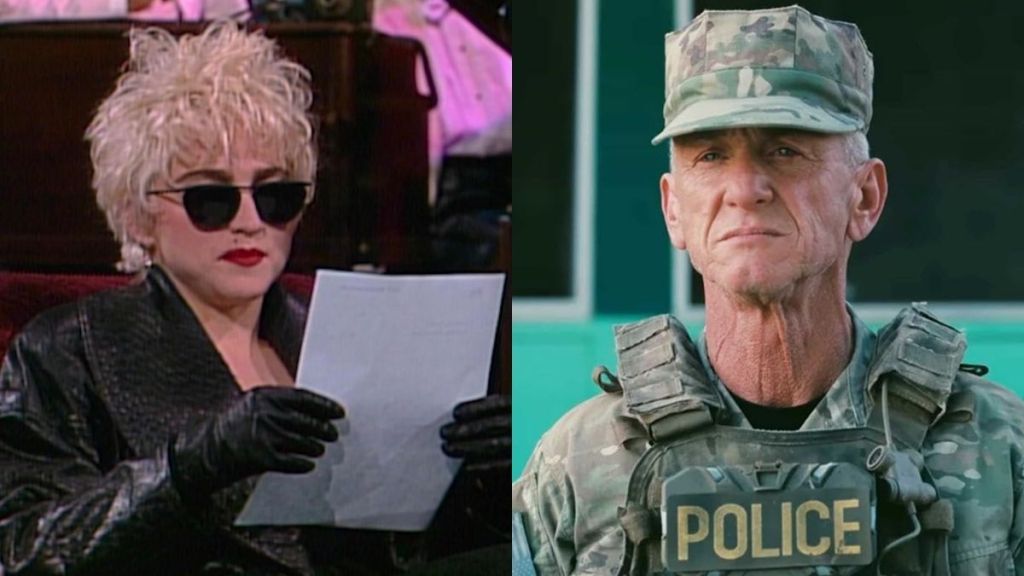
- Madonna and Sean Penn: Their 1980s marriage remains the quintessential "turbulent" celebrity romance. Marked by explosive confrontations and intense media scrutiny, the relationship became a case study in how fame can exacerbate personal volatility.
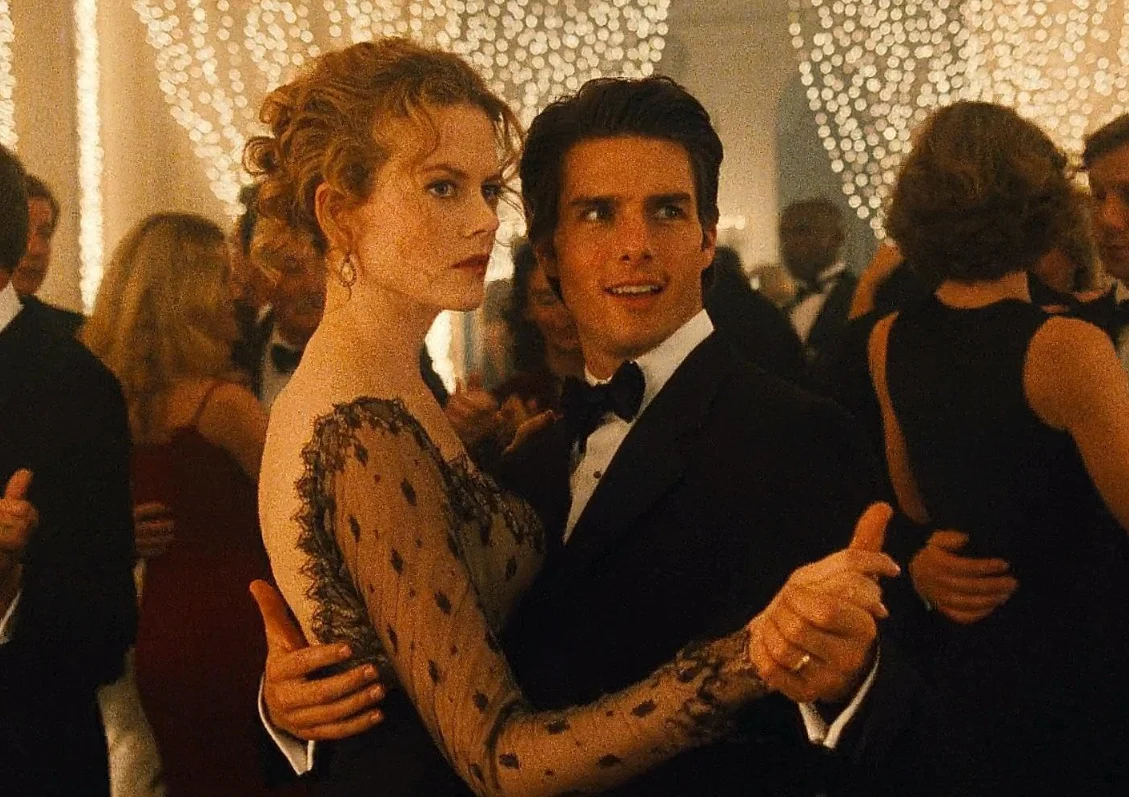
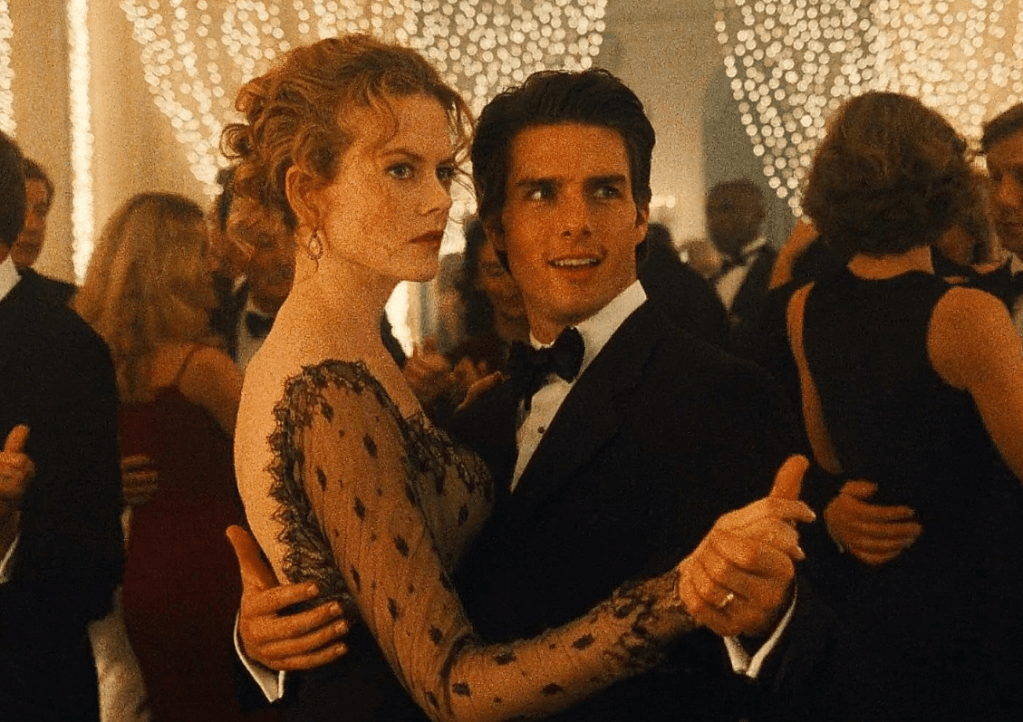
- Tom Cruise and Nicole Kidman: The turn of the millennium marked the end of this Hollywood power couple. Their separation, while largely kept away from the press, was abrupt and definitive. The sheer distance that has defined their lives in the decades since serves as a testament to a chapter that was fully closed.
The 2000s and 2010s: The Digital Scrutiny
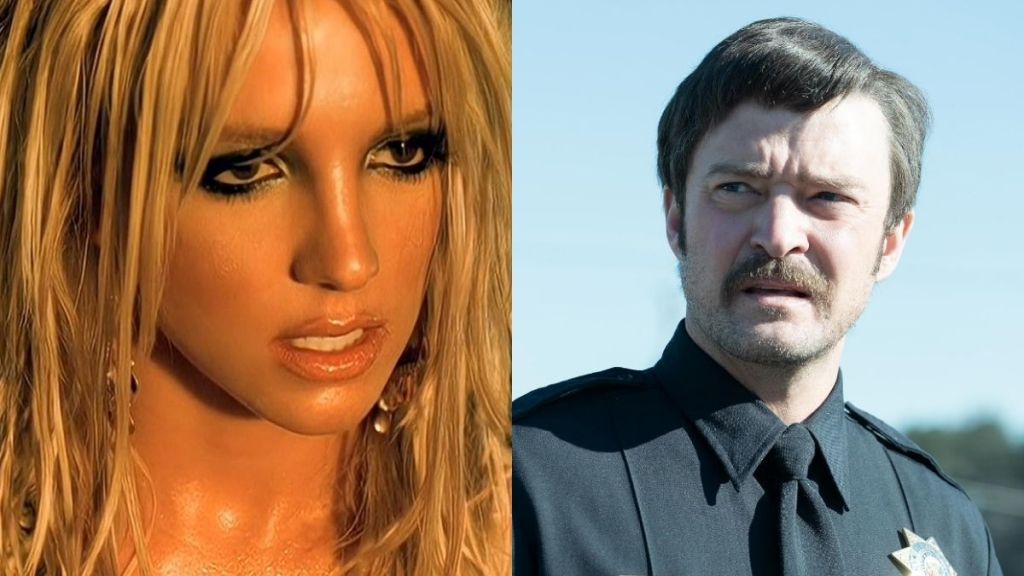
- Britney Spears and Justin Timberlake: This breakup defined a generation of pop culture. The public nature of their split, fueled by media narratives and subsequent artistic references, turned a personal heartbreak into a permanent cultural artifact.
- Alec Baldwin and Kim Basinger: A cautionary tale of how divorce can descend into an "infamous" cycle of custody disputes, setting a bleak precedent for how celebrity breakups can negatively impact family dynamics.
- Sandra Bullock and Jesse James: A sharp lesson in the impact of public infidelity, which effectively terminated their marriage in the eyes of the public and the parties involved overnight.
The Modern Era: Social Media and Transparency
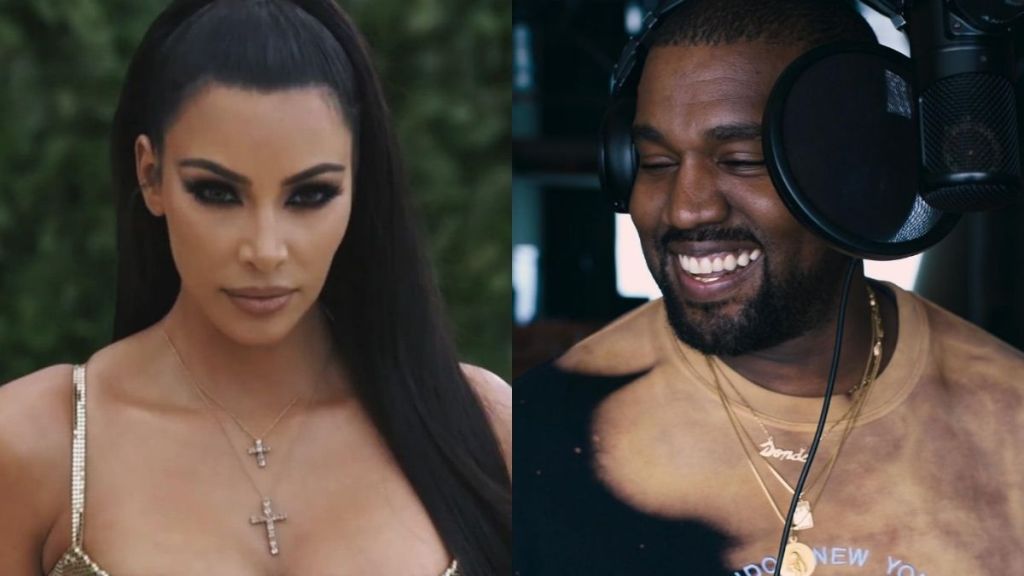
- Kim Kardashian and Kanye West: A modern example of how digital platforms can turn a private divorce into a public performance. The constant stream of social media posts and interviews made reconciliation not just unlikely, but logistically impossible.
- Shakira and Gerard Piqué: A recent case demonstrating how modern artists utilize their work to address personal betrayal, effectively burning the bridge of reconciliation through public artistic expression.
Supporting Data and Psychological Implications
Why are these specific couples categorized as "never, ever" getting back together? Sociologists suggest that for public figures, the "recovery" process is hampered by the "third-party effect." In a normal relationship, two people must forgive one another to reconcile. In a celebrity relationship, they must also forgive the public perception of their partner.
The Cost of Public Discourse
Take the case of Johnny Depp and Amber Heard. Their legal proceedings evolved into a global, real-time trial, with millions of viewers dissecting every detail. The psychological cost of such a public breakdown—where private recordings and intimate secrets were displayed as evidence—creates a trauma bond that effectively forbids any return to the status quo.

The "All Too Well" Effect
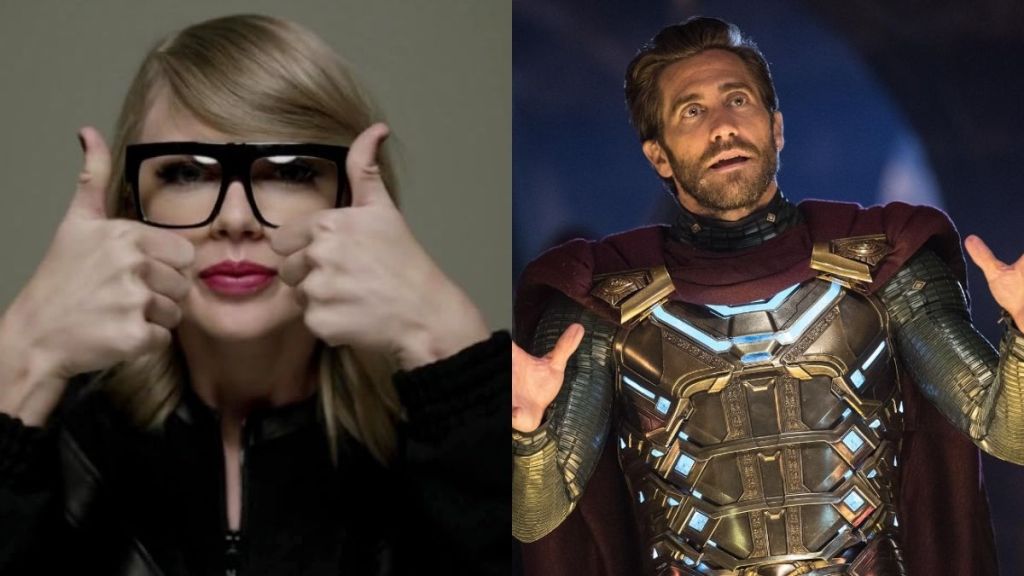
Similarly, in the case of Taylor Swift and Jake Gyllenhaal, the cultural weight of artistic output has solidified the split. When a relationship is immortalized in music, film, or literature, it becomes a frozen moment in time. It ceases to be a private memory and becomes a public monument. It is nearly impossible to return to a person who has become the symbol of a specific heartbreak.
Official Responses and Public Stance
In many instances, the parties involved have been explicit about their lack of desire for reconciliation.

- Ben Affleck and Jennifer Garner: Despite being held up by the media as the "gold standard" of co-parenting, both have remained consistent in their messaging: the marriage is over. By focusing their efforts on the well-being of their children rather than the romantic past, they have effectively navigated the transition from spouses to partners in parenthood, signaling that the romantic door is permanently locked.
- Miley Cyrus and Liam Hemsworth: After a cycle of breakups and reunions, the finality of their separation was underscored by the subsequent public comments from both sides. The admission that they had "grown apart" is a professional way of saying that the foundations of their early relationship were no longer compatible with their current selves.
- Demi Moore and Ashton Kutcher: Following the intense media scrutiny surrounding their divorce, Moore’s candid discussions regarding the emotional fallout served to finalize the narrative. Once the veil of "Hollywood perfection" is lifted and the reality of the pain is shared, the mystique required to sustain a high-profile reunion is lost.
Implications: What This Means for Celebrity Culture
The trend of "permanent" breakups signals a shift in how the public interacts with celebrity lives. We are moving away from the era of "will-they-won’t-they" fan fiction and toward an era of radical honesty. When a celebrity couple breaks up today, the audience is often privy to the "why," thanks to podcasts, social media, and investigative journalism.

The Death of the "Reunion" Fantasy
The primary implication is the death of the reunion fantasy. Fans often project their own desires for resolution onto their idols. However, as these examples show, when a relationship is broken by the pressures of fame, it rarely survives the scrutiny of the public eye a second time.

Lessons for the Future
The long-term impact of these separations is a more realistic understanding of human fallibility. We are seeing that fame does not offer an immunity shield against the common pitfalls of human connection: infidelity, growth gaps, and irreconcilable differences. If anything, fame acts as a catalyst that accelerates the expiration date of a failing relationship.

In conclusion, while the allure of a "Hollywood ending" remains a staple of our entertainment industry, the real-world evidence suggests that for these couples, the credits have rolled. The lessons learned from these high-profile splits are universal: trust, once shattered by public exposure and betrayal, is the most difficult element to reconstruct. These celebrities serve as a reminder that behind the cameras, the red carpets, and the glossy magazine covers, they are individuals navigating the same complex emotional terrains as anyone else—with the added burden of doing so under a microscope.











No comments yet. Be the first to join the conversation!