

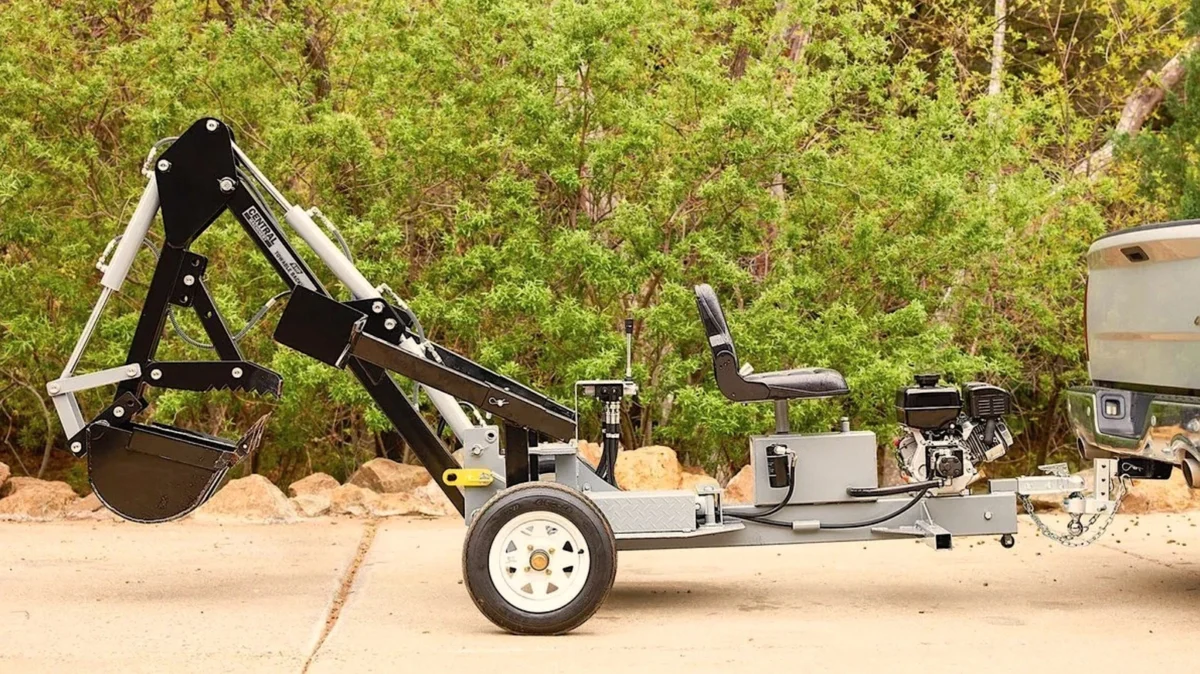
For the average homeowner, the distinction between a "necessity" and a "luxury" tool is often drawn at the edge of the garage. While a cordless drill, a circular saw, and a comprehensive socket set are considered standard equipment for maintaining a residence, heavy earth-moving machinery has historically remained the exclusive domain of professional contractors or those with massive agricultural properties. However, as the DIY movement continues to evolve, Harbor Freight Tools is challenging that paradigm with its Central Machinery 8-horsepower towable backhoe.
Retailing at $2,999.99, this piece of equipment occupies a unique niche: it is far more capable than a manual spade, yet significantly more accessible—both in terms of price and footprint—than a full-sized tractor or skid-steer loader. With a 4.7-star user rating, the machine has garnered attention for its surprising versatility, offering a solution for those who find themselves needing heavy-duty excavation power without the overhead of professional rental fleets.
Main Facts: The Anatomy of the Machine
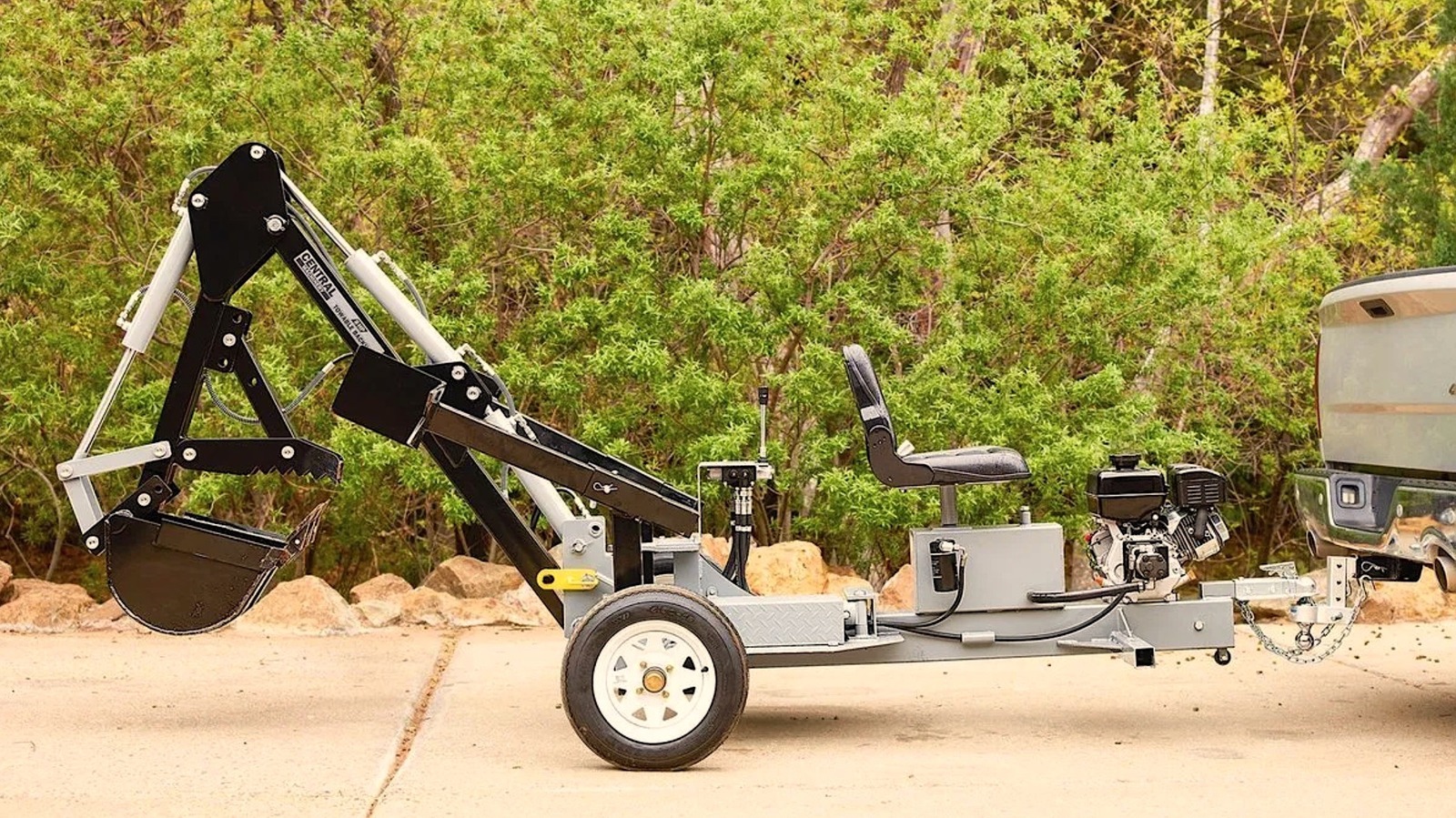
The Central Machinery towable backhoe is powered by an 8-horsepower, 301cc engine, providing enough hydraulic force to handle a variety of residential site-preparation tasks. It is designed to be towed behind a vehicle, making it portable enough to move between job sites or store in a corner of a shop when not in use.
The machine features a 13-inch bucket mounted on a hydraulic boom arm, capable of digging, lifting, and swinging. It is engineered with stabilizers that, when properly deployed, provide the necessary friction and weight distribution to prevent the unit from tipping during operation. While not a piece of industrial-grade heavy equipment, it is built to bridge the gap between "back-breaking manual labor" and "overkill professional machinery."
Chronology of Use: From Groundbreaking to Finishing
Understanding when and how to deploy a towable backhoe is essential for any DIY enthusiast. The typical lifecycle of a project using this machine follows a structured path:
- Site Preparation: Before construction begins, the machine is used for clearing surface debris, including stumps, shrubs, and large rocks that would otherwise require hours of manual extraction.
- Trenching: Once the site is cleared, the boom arm is utilized to dig trenches for utility lines, drainage pipes, or irrigation systems.
- Excavation: The unit acts as a primary excavator for footings, post-holes, or garden expansions.
- Backfilling: After the installation of pipes or structural components, the bucket and the reverse side of the arm are used to return the soil to the trench, significantly reducing the labor involved in manual raking and shoveling.
- Final Grading: The machine is used to redistribute topsoil, ensuring the ground is level and properly sloped away from the home’s foundation.
Supporting Data and Technical Capabilities
The utility of the Central Machinery backhoe is best understood through its specific mechanical constraints and capabilities. Unlike a standard tractor, which is designed for multiple functions, this unit is highly specialized.
- Lifting Capacity: The unit can lift objects weighing up to 660 pounds. This makes it an ideal companion for landscaping projects involving large stone pavers, boulders, or removing heavy organic waste like logs and large stumps.
- Reach and Swing: The boom arm features a 60-degree swing range in both directions, allowing for precision placement of materials. This is particularly useful when moving soil from a trench to a temporary pile without having to reposition the entire machine.
- Mobility: It is important to note that while the unit is "towable," it is not "drivable." Operators must use a secondary vehicle (such as a truck or ATV) to relocate the unit. Once on-site, the machine remains stationary, relying on its stabilizers to maintain a rigid, safe working base.
Official Perspectives and User Feedback
Harbor Freight has positioned this product as a direct answer to the high cost of equipment rentals. In the construction and DIY sector, renting a backhoe can cost several hundred dollars per day, and delivery/pickup fees often inflate that price. By providing a unit that can be purchased for under $3,000, the company is appealing to "power-users"—homeowners who have a long-term plan for their property that requires multiple, staggered phases of earthwork.
User feedback highlights a recurring theme: the machine requires a "learning curve." New operators are often advised to spend time practicing the control levers to manage the hydraulic pressure effectively. Reviewers consistently praise the durability of the steel frame, noting that while the engine is a standard consumer-grade power plant, the hydraulic system is robust enough to handle the stresses of frequent use.
Implications: The Shift Toward DIY Infrastructure
The availability of such machinery has profound implications for the modern homeowner. It suggests that the boundary between residential maintenance and civil engineering is blurring.
The Landscaping Revolution
Traditionally, changing the topography of a backyard was a massive project. Installing a French drain or building a stone retaining wall meant hiring a crew. With a personal backhoe, a homeowner can perform these tasks on their own schedule. Proper grading—a task that is often neglected because of the sheer physical exertion required—becomes a manageable weekend chore. By ensuring that water is effectively diverted away from a home’s foundation, the backhoe serves not just as a tool for improvement, but as a tool for long-term structural preservation.
Material Handling and Safety
One of the most significant advantages of this machine is the reduction in physical strain. The capacity to lift 660 pounds eliminates the need for "dead-lifting" heavy rocks or logs. This is a critical safety factor; the majority of home-improvement injuries are related to repetitive strain or lifting accidents. By delegating the heavy lifting to the hydraulic boom, the operator minimizes the risk of back injuries and exhaustion.
The Limitations of "Light Demo"
While the machine is powerful, it is not a wrecking ball. Users should be aware of the "light demo" limitations. It is perfectly suited for tearing down a dilapidated wooden gazebo, a fence line, or an old shed. However, it lacks the reach and the weight to take on masonry structures or larger outbuildings. Attempting to use the machine outside of its intended design envelope can lead to hydraulic stress or structural fatigue.
Practical Considerations for Prospective Owners
For those considering this investment, there are three primary factors to keep in mind:
- Storage and Transport: Though towable, the machine requires a dedicated space. It is not an item that can be stored in a standard tool chest. It requires a shed or a garage bay. Furthermore, you will need a reliable tow vehicle and a trailer if you intend to move it frequently across different properties.
- Maintenance: As with any engine-driven machine, the Central Machinery backhoe requires regular maintenance, including oil changes, hydraulic fluid checks, and the greasing of pivot points. Prospective owners should review the manual’s maintenance schedule to ensure they are prepared to keep the hydraulic system in prime condition.
- Warranty and Support: A major point of interest for buyers is the product’s warranty. Because this is a high-ticket item, knowing the support structure is vital. Harbor Freight’s warranty programs for their heavy machinery are designed to provide recourse for manufacturing defects, which adds a layer of security to the initial purchase price.
Conclusion
The Central Machinery towable backhoe is a testament to the growth of the DIY sector. It is a tool designed for the serious project-manager—someone who views their property as a long-term development project rather than a static space. By automating the most labor-intensive aspects of landscaping and excavation—trenching, digging, lifting, and backfilling—this machine provides the average homeowner with a level of capability that was once restricted to the professional contractor.
While it is not a replacement for industrial heavy equipment, it fulfills a critical need for those who value efficiency, precision, and the ability to control their own site development. As property owners continue to seek out ways to increase the value and functionality of their land, tools like the towable backhoe will likely move from the periphery of the market toward the center of the modern tool shed.











