

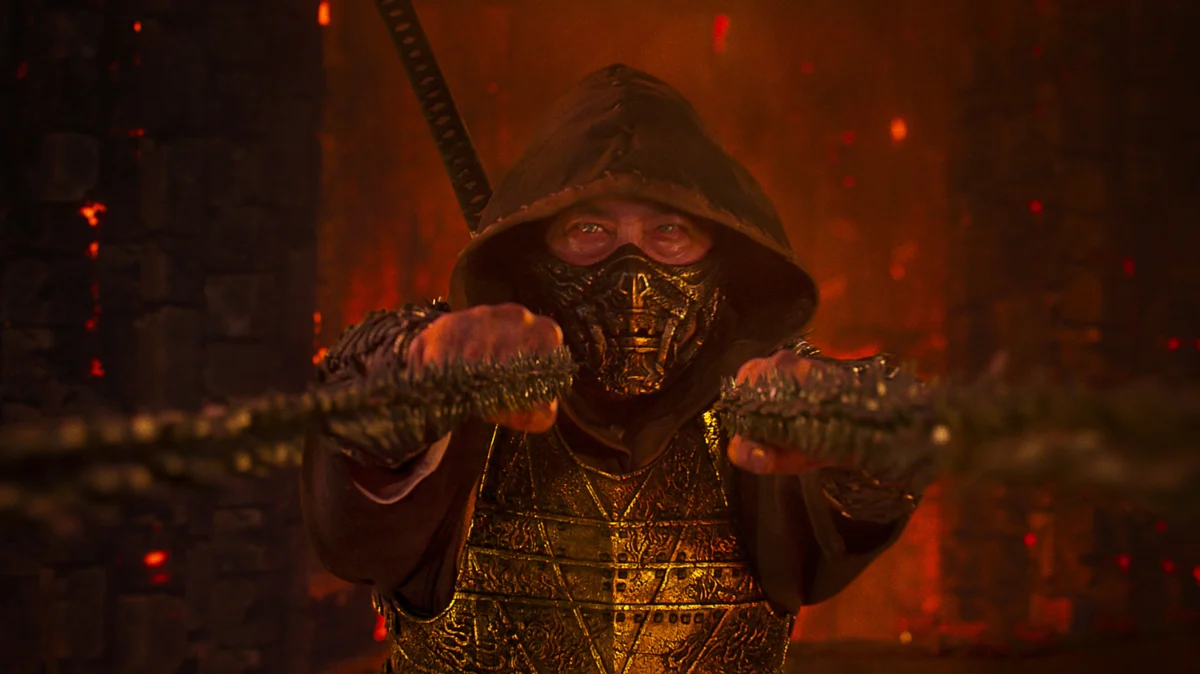
The Mortal Kombat cinematic universe has undergone a radical transformation. When the 2021 reboot hit theaters, it was met with a polarized reception; while many lauded its brutal aesthetic and faithful gore, a vocal contingent of the fanbase felt the film lacked the one thing that defines the brand: the tournament itself. With the release of Mortal Kombat II, director Simon McQuoid and writer Jeremy Slater have not only rectified this oversight but have successfully pivoted the franchise toward a more narratively ambitious future.
By integrating the high-stakes tournament structure into a broader, character-driven fantasy epic, the sequel has effectively laid the groundwork for a third installment that promises to move beyond simple arena brawls, opting instead for a descent into the franchise’s darkest lore.
Main Facts: The Evolution of the Sequel
Mortal Kombat II serves as a direct mea culpa to the fans who felt shortchanged by the previous entry. Where the first film focused on the "Chosen One" trope and the assembly of champions, the sequel shifts the focus to the visceral reality of the tournament for Earthrealm’s survival.
The film pits the defenders of Earthrealm against the relentless forces of Outworld, balancing the expected martial arts choreography with a darker, more earnest tone. The narrative success of this sequel lies in its refusal to treat its ensemble as mere fodder. Instead, it allows for genuine, high-stakes consequences, including the grisly deaths of key protagonists such as Cole Young (Lewis Tan), Jax (Mehcad Brooks), and Liu Kang (Ludi Lin). This move shifts the tone from a standard "hero’s journey" to a grim, high-stakes conflict where victory is never guaranteed.
Chronology: From Arena to Abyss
To understand the trajectory of the franchise, one must look at the structural evolution from the 2021 inception to the current cliffhanger.
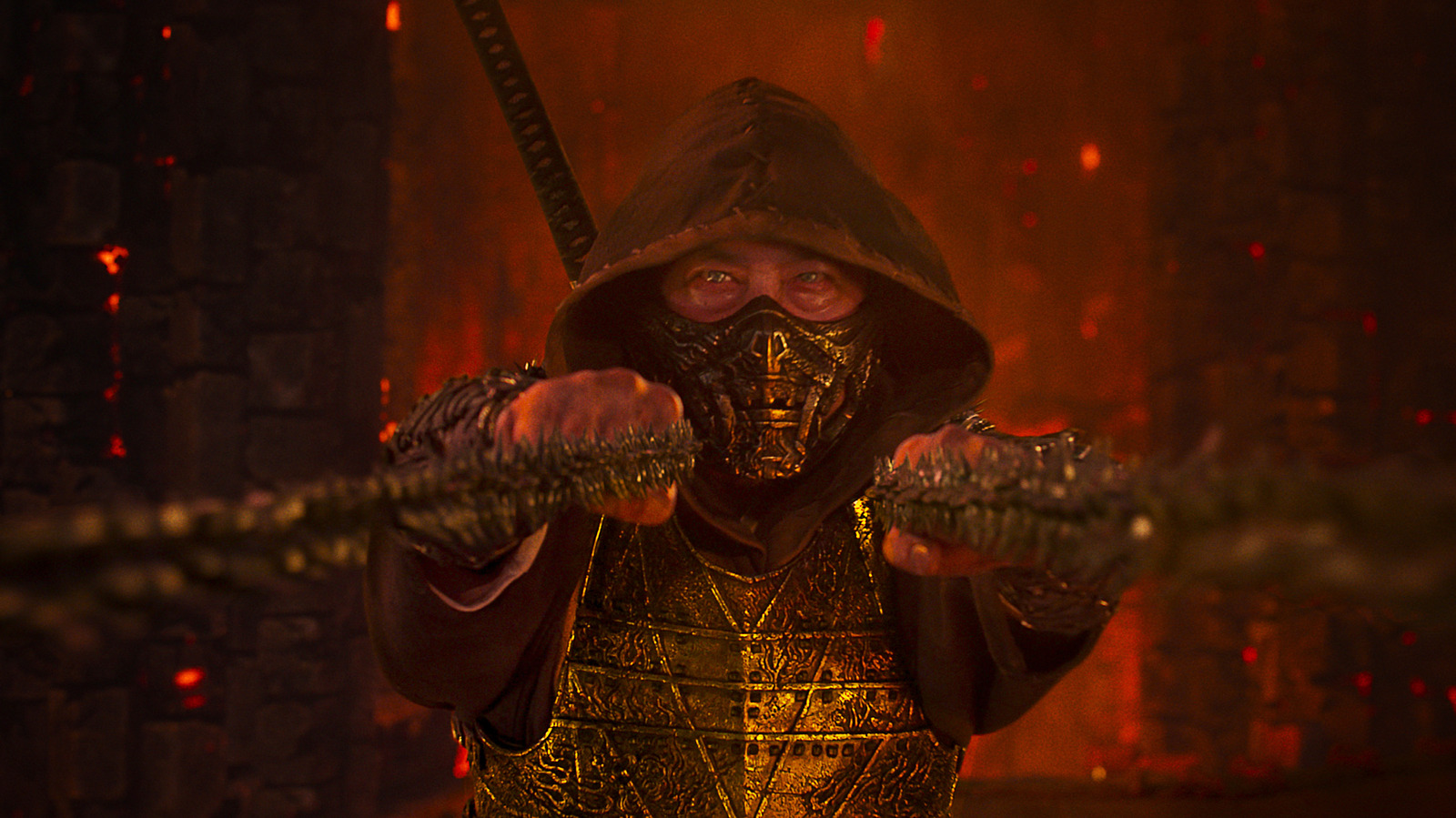
- The Origin (2021): The first film focused on establishing the stakes and the "arcana" system. It was criticized for ending before the tournament could truly begin, leaving fans with an unfinished narrative thread.
- The Rectification (2025): Mortal Kombat II delivers on the promise of the tournament. It frames the tournament not just as a sporting event, but as the final stand for the freedom of Earthrealm against the expansionist tyranny of Shao Khan (Martyn Ford).
- The Cliffhanger (The Future): The film’s final act sees the survivors—including the unlikely alliance of Johnny Cage (Karl Urban), Kitana (Adeline Rudolph), and the former turncoat Kano (Josh Lawson)—making a fateful decision: to travel to the Netherrealm to rescue their fallen comrades. This pivot effectively abandons the standard tournament format in favor of a rescue mission into the heart of darkness.
Supporting Data: Character Arcs and Franchise Lore
The decision to focus on the rescue mission at the end of Mortal Kombat II confirms that the production team is prioritizing character development over the cyclical nature of fighting games. By including characters like Kano in the rescue mission, the filmmakers underscore the redemption arcs that define this iteration of the franchise.
The Netherrealm is a location steeped in deep lore within the Mortal Kombat video game series. It is the domain of the sorcerer Quan Chi and a place where souls are tormented and reborn as servants. By setting the stage for a third film in this environment, the creative team is signaling a move toward "dark fantasy" rather than just "martial arts spectacle."
This transition is not unprecedented in the history of the property. Spin-off titles like Mortal Kombat Mythologies: Sub-Zero proved years ago that the franchise has enough narrative depth to support adventures that take place outside the confines of the tournament grounds. The filmmakers are clearly leaning into this potential, treating the characters as vital components of a larger, interconnected saga rather than interchangeable opponents.
Official Responses and Creative Vision
Director Simon McQuoid has remained consistent in his vision: to treat the Mortal Kombat property with the respect usually reserved for high-fantasy franchises. In interviews surrounding the film’s release, the creative team noted that they wanted to avoid the "Marvel-style" trap of simply teasing a new villain in a post-credits scene.
Instead, the cliffhanger is a character-driven choice. The decision to enter the Netherrealm is an act of defiance, echoing the classical myth of Orpheus, who descended into the underworld to retrieve his beloved. By framing the survival of the Earthrealm champions as a mission of love, brotherhood, and duty, McQuoid elevates the material. The goal, according to production notes, was to ensure that the audience feels the weight of the losses sustained during the tournament, making the journey into the Netherrealm feel earned rather than forced.
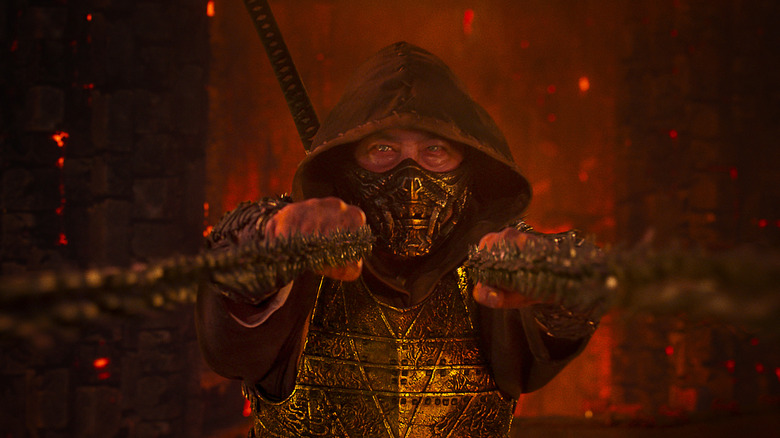
Implications for a Third Installment
The most burning question for the audience is: What comes next? There is a significant portion of the fanbase that remains skeptical of any narrative that moves away from the core tournament structure. If Mortal Kombat 3 abandons the tournament entirely, will it satisfy those who just want to see iconic characters beat each other to a pulp?
Will There Be Another Tournament?
It is entirely possible that the Netherrealm acts as a staging ground for a new, more lethal tournament. With sorcerers like Quan Chi in the mix, the possibility of a "tournament of the damned" exists. Conversely, the third film could mirror the structure of Star Wars: Episode VI — Return of the Jedi, where the first act is dedicated to the rescue of the fallen, followed by a final confrontation with a new threat.
The Business of Blood
The viability of a third film is heavily tied to the financial performance of Mortal Kombat II. As with any major studio production, the box office returns will dictate the creative freedom granted to the writers for the next installment. If the film is a commercial success, it validates the creative risk of moving away from the tournament-only format.
The Verdict on the Franchise Direction
The shift toward a more mythological, lore-heavy narrative is a bold choice. While the risk of alienating "purist" fans exists, the long-term health of a film franchise requires evolution. By focusing on the emotional aftermath of the tournament, the series is positioning itself to be more than just a series of disconnected fight scenes.
The promise of seeing Johnny Cage, Kitana, and the rest of the cast navigate the hellscape of the Netherrealm is, by any standard, an exciting prospect. It expands the scope of the universe and promises a scale that could finally justify the cinematic treatment of this long-running gaming staple.
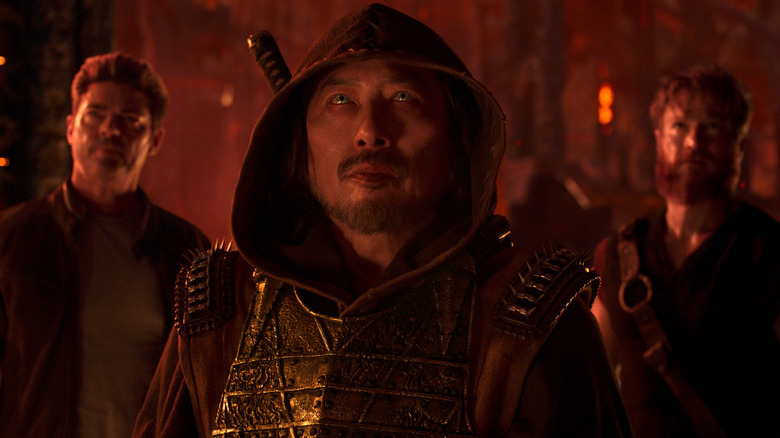
Ultimately, Mortal Kombat II succeeds because it trusts its audience to care about the outcome of its characters. It has transitioned from a simple fighting game adaptation to a character-focused fantasy, and for those who have stuck with the series since its 2021 reboot, the path ahead looks both dangerous and incredibly promising. As the credits roll, one thing is certain: the stakes have never been higher, and the warriors of Earthrealm have never had more to lose. The question remains: can they truly "finish" their mission in the bowels of the Netherrealm, or will the darkness consume them as well?
Mortal Kombat II is currently playing in theaters worldwide, inviting fans to witness the next stage of this brutal, ever-expanding legend.









No comments yet. Be the first to join the conversation!