

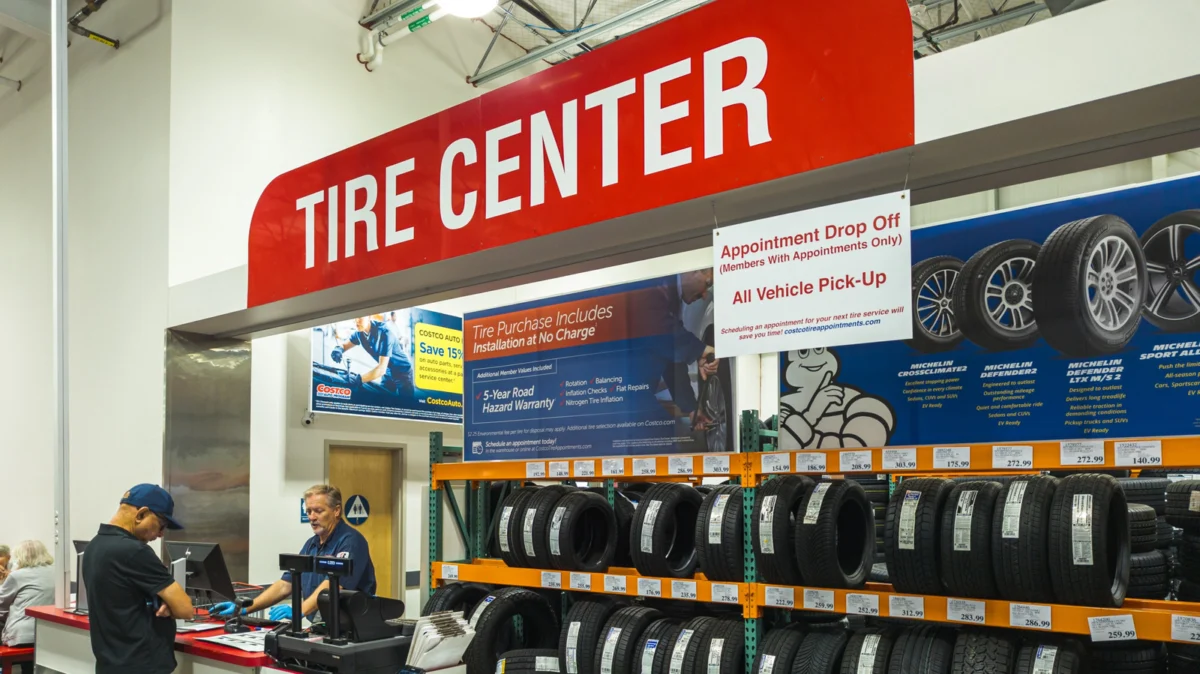
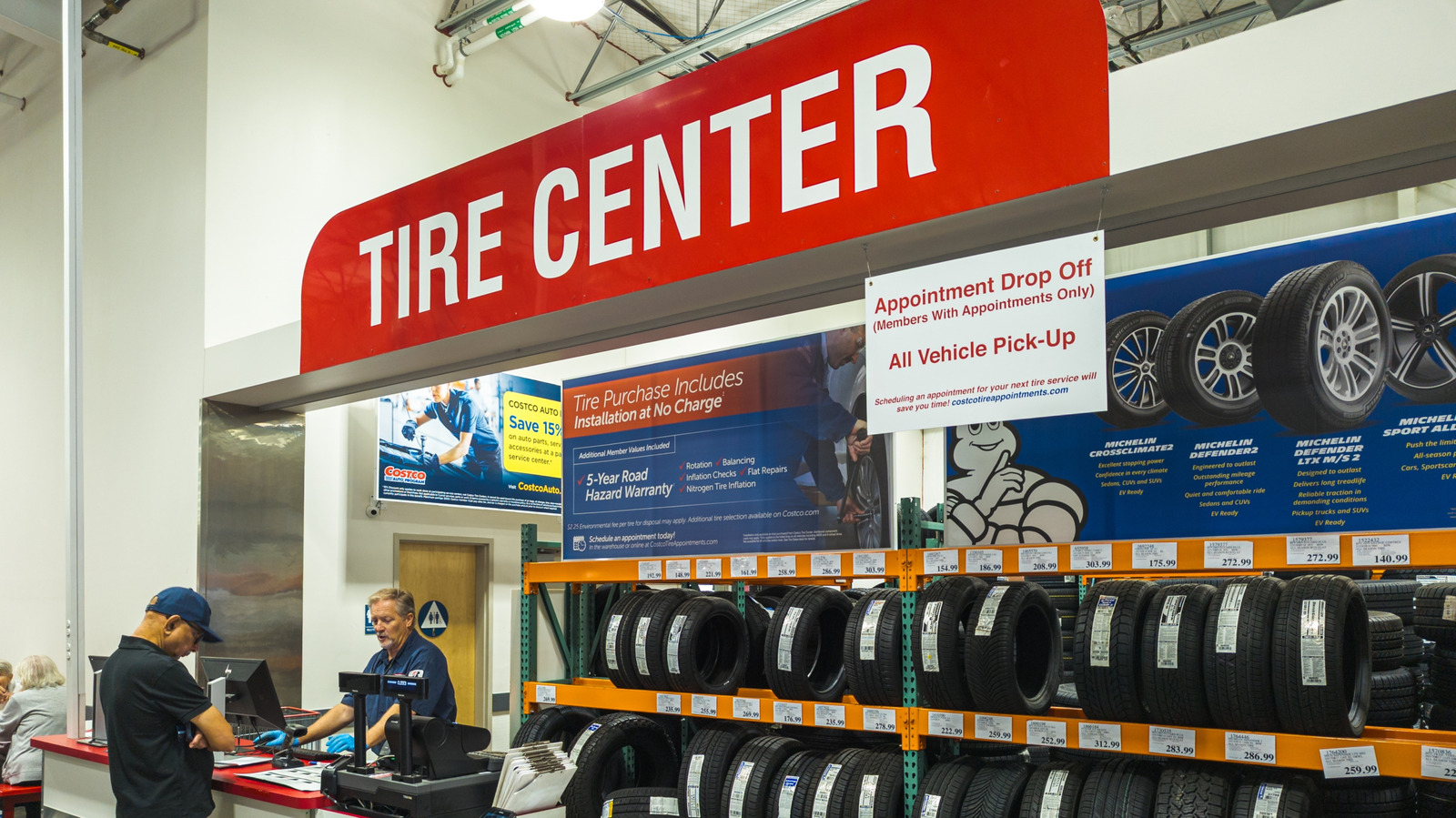
For many American households, Costco is the gold standard for one-stop shopping. From bulk groceries to high-end electronics, the retailer has built a reputation on reliability, competitive pricing, and a generous return policy. Its Tire Center, in particular, is a favorite for many, offering members significant value through bundled installation, lifetime rotations, and road hazard warranties.
However, for automotive enthusiasts—specifically those looking to personalize their vehicles with oversized tires—Costco’s rigid adherence to manufacturer specifications presents a significant hurdle. If your goal is to outfit your truck or SUV with larger-than-stock rubber, you may find that the warehouse giant is not the place for your next upgrade.
The Policy: Adherence to Manufacturer Specifications
The friction between Costco and car modifiers stems from a strict corporate policy rooted in safety and liability. Unlike independent tire shops, which may offer a wider degree of flexibility regarding fitment, Costco Tire Centers operate under a "manufacturer-spec-only" mandate.
This means that if a customer brings a vehicle into a Costco bay, the tires selected must match the Original Equipment (OE) size requirements established by the vehicle’s manufacturer. Beyond the physical dimensions, the policy is equally stringent regarding technical ratings:
- Speed Ratings: New tires must meet or exceed the speed rating designated by the manufacturer. This rating dictates the maximum speed at which a tire can safely operate under specific load conditions.
- Load Index: Tires must meet or exceed the OE load index, which defines the maximum weight capacity the tire is engineered to support at full inflation.
Even if a customer attempts to bypass the counter by purchasing tires online and having them shipped to the warehouse, they are not home free. When the vehicle arrives for the appointment, technicians perform a verification check. If the tires do not align with the manufacturer’s specified parameters, Costco reserves the right to refuse installation entirely.
A Chronology of Automotive Modification and Standardization
To understand why Costco takes this stance, it is helpful to look at the history of vehicle engineering. In the mid-20th century, tire customization was a "Wild West" of mechanical experimentation. As vehicle technology advanced, however, automakers began integrating tires into the core design of a vehicle’s performance envelope.
- The Era of Standardization (1980s-1990s): As Anti-lock Braking Systems (ABS) and Electronic Stability Control (ESC) became standard, the relationship between tire size and vehicle software became critical. Manufacturers began calibrating these systems to the specific rolling diameter and traction characteristics of factory-approved tires.
- The Rise of the "Big Tire" Trend (2000s-Present): With the surge in popularity of off-road-capable SUVs and trucks, consumers began seeking more aggressive aesthetics. Manufacturers responded with "off-road" trim packages, but aftermarket modifications—such as 35-inch tires on stock suspension—remained common.
- The Liability Shift: In recent years, retailers have faced increased scrutiny regarding vehicle safety. Following several high-profile product liability cases involving aftermarket modifications, large-scale retailers like Costco tightened their service protocols to ensure that any vehicle leaving their bay is operating within the safety margins defined by the engineers who built the car.
The Engineering Reality: Why Bigger Isn’t Always Better
While the aesthetic appeal of a lifted truck with oversized tires is undeniable to many, the engineering trade-offs are significant. When a driver chooses to deviate from the OE tire size, they are essentially overriding the work of automotive design engineers.
Impact on Vehicle Dynamics
Modern vehicles are systems-integrated machines. The suspension geometry, braking system, and transmission gear ratios are all calibrated for a specific tire size. When you increase the diameter of the tire, you change the mechanical leverage of the wheels against the drivetrain. This can lead to:
- Braking Distance Decay: A larger tire has a different contact patch and inertia. If the braking system is not upgraded to compensate for the increased rotational mass, stopping distances can increase significantly.
- Steering and Handling: Oversized tires often increase "unsprung weight," which puts extra strain on steering components like tie rods and ball joints. It can also cause the vehicle to wander or lose its "center" feel on the highway.
- Stability Control Issues: Many modern traction control and stability systems rely on wheel speed sensors that calculate data based on the original tire diameter. Larger tires can confuse these computers, potentially causing the vehicle’s safety systems to trigger unexpectedly or fail to activate when needed.
The Hidden Costs of Modification
Beyond safety, the financial implications of switching to oversized tires are often overlooked by consumers. The "cost of ownership" extends well beyond the initial price of the tires.
- Fuel Efficiency: Larger, heavier tires increase rolling resistance. This forces the engine to work harder to overcome inertia, leading to a noticeable drop in MPG. Over the lifespan of the tire, the increased fuel consumption can negate any savings found at the point of purchase.
- Mechanical Wear and Tear: Increasing tire size without proper suspension geometry corrections can lead to premature wear of wheel bearings, transmission stress, and differential strain.
- Recalibration Needs: If you install significantly larger tires, your speedometer will become inaccurate. This requires an aftermarket tuner or a dealer-level software update to correct, adding yet another layer of complexity and cost.
Official Stance and Industry Perspectives
Industry experts often point out that while independent shops are more likely to accommodate custom requests, there is a reason the industry trend is moving toward Costco’s model.
"The challenge is that the average consumer doesn’t always realize how deep the ‘rabbit hole’ of modifications goes," says an industry consultant who specializes in tire safety. "If you put 33-inch tires on a truck designed for 30-inch tires, you’re not just changing the rubber. You’re potentially changing the steering geometry, the speedometer calibration, and the load distribution on your suspension. Major retailers like Costco are effectively insulating themselves—and the customer—from the downstream mechanical failures that result from these changes."
However, the aftermarket community argues that many vehicles are "under-tired" from the factory, and that high-quality, larger tires can actually improve off-road performance and safety in specific terrains like mud, snow, or loose gravel. The conflict, therefore, is not necessarily about the quality of the tires, but about the fitment relative to the vehicle’s computer systems.
Implications for the Consumer
For the average driver, the takeaway is clear: if you are driving a stock vehicle and want to maintain the intended performance, safety, and warranty coverage of your car, Costco remains an excellent choice. The tire centers provide professional service, transparent pricing, and robust long-term support that is hard to match.
However, if you are an enthusiast who prioritizes vehicle modification, you must be prepared to look elsewhere. You will likely need to find a specialized independent tire shop or a dedicated off-road outfitter. These shops are equipped to handle not just the tire installation, but the necessary supporting modifications—such as alignment adjustments, speedometer recalibration, and clearance checks—that are required to make oversized tires a safe and effective addition to your vehicle.
Before you invest in that new look, take a moment to consider the full scope of the upgrade. Safety, fuel efficiency, and the long-term health of your vehicle should take precedence over aesthetic preferences. If you aren’t prepared for the full suite of mechanical changes required for oversized tires, sticking to the manufacturer’s specifications—as Costco requires—is the wisest path for your wallet and your peace of mind.












No comments yet. Be the first to join the conversation!