Siti Muinah
In the ever-expanding landscape of the "cozy management" genre, titles have historically leaned into themes of pastoral farming, serene baking, or whimsical potion-making. However, a new contender has emerged, blending the warmth of a morning latte with the chilling aesthetic of the afterlife. My Little Cafe Nightmare, a first-person management simulator currently available on Steam Early Access, challenges players to run a coffee shop where the clientele is entirely deceased, the furniture is made of bone, and the shift supervisor is a cynical, disembodied shrunken head.
Main Facts: A Brew Beyond the Grave
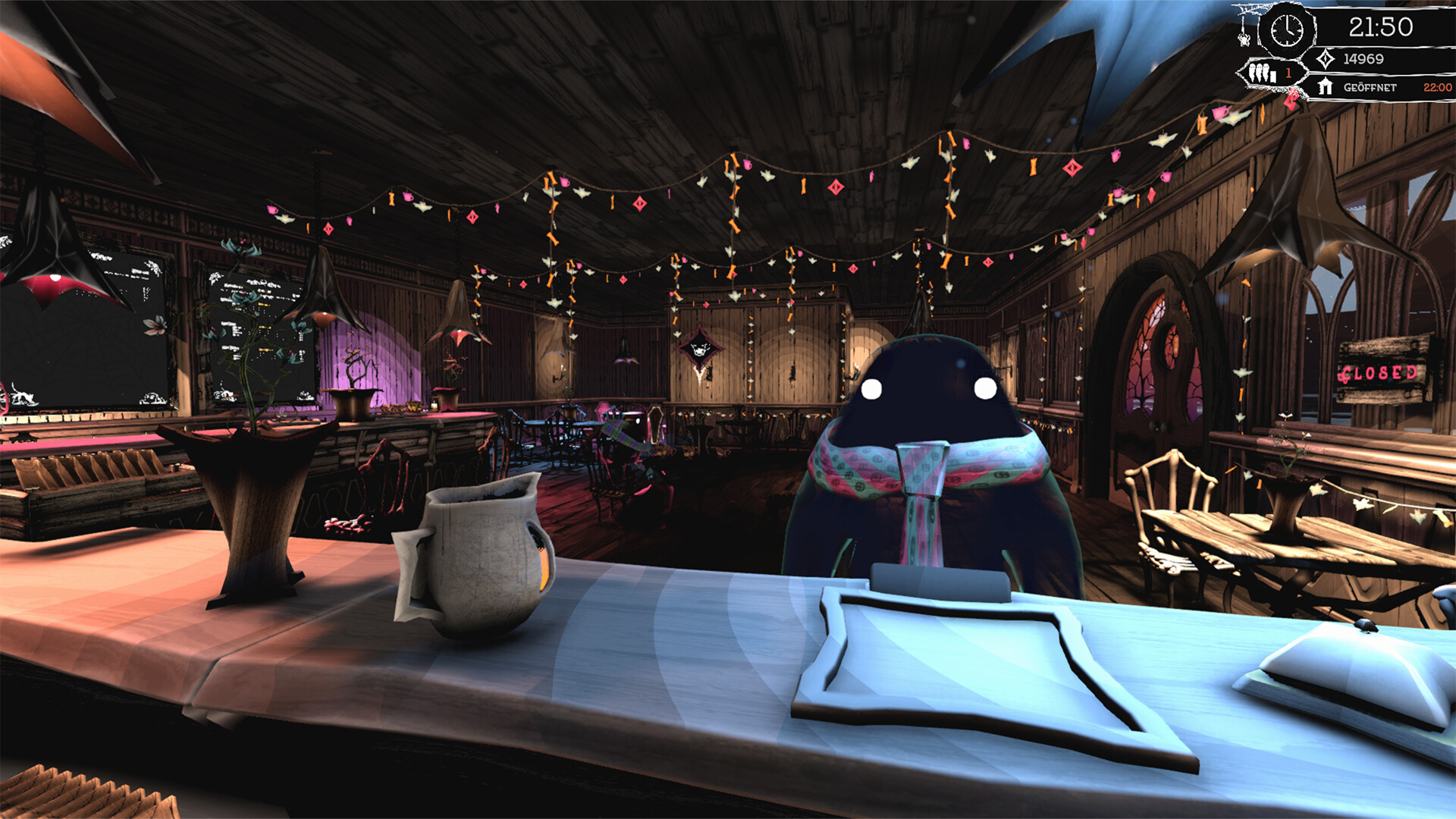
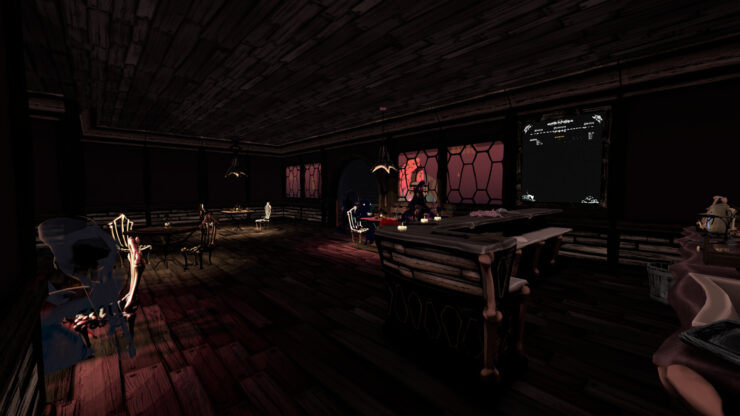
My Little Cafe Nightmare places the player in the shoes of a solitary, living barista tasked with maintaining a crumbling, haunted coffee shop. While the core loop involves the familiar rhythm of taking orders, grinding beans, and serving beverages, the setting provides a stark, macabre contrast to traditional genre entries like Coffee Talk or Bear and Breakfast.
The game’s primary mechanics revolve around the "day-to-day" operations of the cafe. Players must juggle the logistical pressures of supply management—ensuring that coffee beans and essential ingredients are restocked—while keeping the shop clean. In this establishment, cleaning is not merely a chore; it is an aesthetic choice. Players must decide whether to embrace the gothic atmosphere of lingering spiderwebs or meticulously scrub the rot from the floorboards to create a more inviting space for the spectral patrons.
The game is distinguished by its physics-based interaction system. Unlike many menu-driven management games, My Little Cafe Nightmare demands that players physically handle every object. Whether it is adjusting the placement of a mug or organizing the storage shelves for efficiency, the player has full agency over the cafe’s layout. This hands-on approach is both the game’s greatest strength and its most significant technical hurdle.
Chronology: The Development and Release Cycle
The journey of My Little Cafe Nightmare began as a concept aimed at subverting the "cozy" tropes that have dominated indie game storefronts since 2020. The development team recognized that while players enjoyed the relaxation of management sims, many were craving a "spooky-cozy" aesthetic—a trend that has been slowly gaining traction in the indie circuit.
- Early Conceptualization: The developers focused on creating a "haunted" atmosphere that felt grounded. By introducing the "shrunken head" companion, they provided a narrative anchor, ensuring the player never feels entirely alone in the void.
- Alpha Testing: During internal testing, the physics-based decorating system was identified as a core pillar. The ability to move objects at any time—rather than locking the player into a "build mode"—was implemented to emphasize the player’s role as an active participant in the environment.
- Steam Early Access Launch: As of April 2026, the game entered Early Access. This release phase is intended to gather community feedback regarding the physics engine, specifically addressing reports of items clipping through geometry or auto-rotating in unintended ways.
- Future Roadmap: Current development focus is centered on refining the "ghost customer" AI, expanding the menu of supernatural drinks, and optimizing the interaction system to prevent equipment from being lost within the cafe’s walls.
Supporting Data: The Mechanics of Managing the Macabre
The management layer of the game is surprisingly robust for an indie title of this scope. Players earn "bone tokens"—the game’s currency—by successfully serving customers. These tokens can be reinvested into the shop, allowing for the purchase of better equipment or higher-quality furniture.
The Physics-Driven Decorating System
A key differentiator in My Little Cafe Nightmare is the lack of a "build mode." In most simulators, redecorating is a separate, static state. Here, the player is always in "live mode." While this allows for unprecedented freedom—you can move a chair while a ghost is sitting in it, or shift a counter while brewing an espresso—it creates a high skill ceiling for spatial awareness.
Data from early players suggests a steep learning curve:
- Spatial Complexity: Objects such as kettles and grinders are interactable and moveable, meaning they can be inadvertently knocked over or shifted during cleaning.
- Clipping Hazards: Because the environment is dynamic, objects have the potential to "glitch" or clip through textures if placed too close to walls or corners, a common friction point in physics-based simulation games.
- Efficiency Metrics: The game tracks how quickly a player can prepare a drink, rewarding those who organize their workstation logically. An unorganized cafe leads to slower service, lower tips, and, eventually, a less satisfied clientele.
The Ghostly Patronage
The ghosts themselves are not merely static NPCs. Each has specific tastes, and their behavior changes based on how well the player has curated the cafe. By repairing the rot and choosing aesthetic upgrades that appeal to spectral visitors, players unlock unique dialogue and lore snippets, turning the cafe into a hub of supernatural social interaction.
Official Responses and Developer Intent
In correspondence regarding the title’s launch, the development team has acknowledged the chaotic nature of the game’s physics. They have described My Little Cafe Nightmare as a "simulation of controlled chaos."
"We wanted the player to feel the weight of their actions," a spokesperson for the development team noted during the release announcement. "If you decide to rearrange your cafe during the middle of a rush, you have to deal with the consequences of a spilled drink or a kettle that’s slid off the counter. We believe this makes the management aspect feel more authentic and less like a sterile spreadsheet simulation."
The team has been proactive in addressing player concerns regarding the "auto-rotate" feature. They have stated that they are investigating a "snap-to-grid" toggle that players can enable if they prefer a more traditional, orderly decorating experience. This reflects a commitment to balancing the game’s unique, physics-heavy vision with the accessibility needs of the broader management-sim community.
Implications: Where Does the "Cozy-Horror" Genre Go Next?
The release of My Little Cafe Nightmare serves as a case study for the evolution of the "cozy" genre. By incorporating horror elements, the game suggests that the appetite for low-stakes, relaxing gameplay is shifting toward more thematic diversity.
Expanding the Definition of "Cozy"
For years, the genre was defined by bright colors and themes of nature. My Little Cafe Nightmare proves that "cozy" is a feeling—a loop of productivity, satisfaction, and routine—rather than a specific visual palette. Players find comfort in the same way, regardless of whether they are serving a human a latte or a spirit a spectral brew.
The Technical Challenge
The game also highlights the inherent risks of mixing physics-heavy gameplay with management mechanics. While the freedom to move any item at any time offers a superior sense of immersion, it places a significant burden on the game’s engine to maintain stability. If My Little Cafe Nightmare succeeds in refining its physics interactions, it could set a new standard for how players interact with their in-game environments.
Long-term Community Engagement
As an Early Access title, the game’s ultimate success hinges on how the developers balance the "nightmare" (the chaos, the ghosts, the crumbling walls) with the "cafe" (the order, the progression, the reward). If the developers can successfully mitigate the frustrating glitches while retaining the unpredictable nature of the shop, they will have crafted a standout experience that defines a sub-genre.
Ultimately, My Little Cafe Nightmare is an ambitious project that invites players to stop worrying about the perfection of their cafe and start embracing the cracks in the foundation. Whether you are there for the management strategy or simply to see what kind of tea a ghost prefers, the experience is undeniably fresh. As the game continues to evolve through its Early Access period, it remains a must-watch title for anyone looking for a management sim with a bite—or a ghostly moan—to it.

 Azzam Bilal Chamdy
 Nana
Nana