

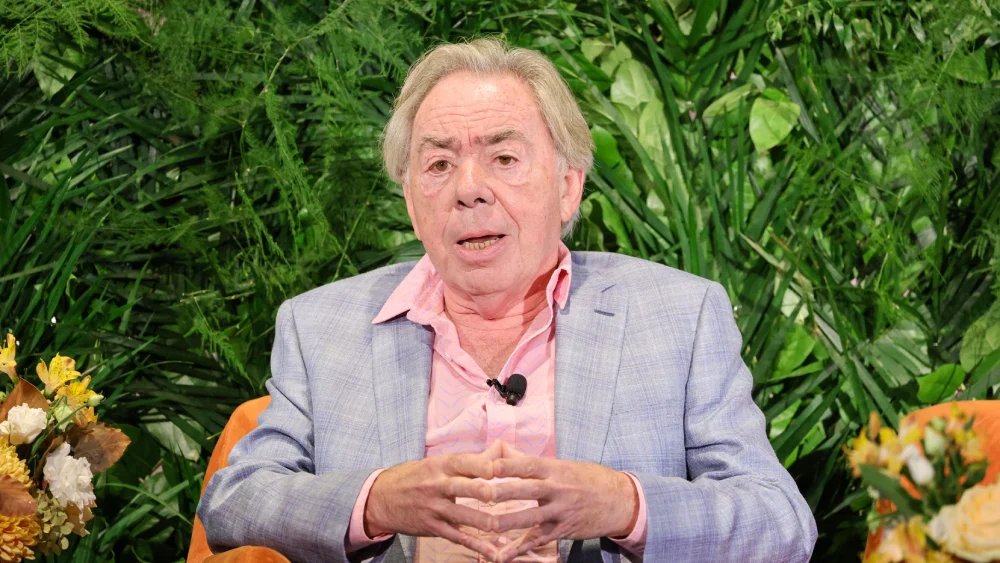
The neon lights of Broadway have long served as the ultimate symbol of American cultural vitality, but for theater titan Andrew Lloyd Webber, those lights are beginning to flicker. In a blistering assessment of the industry’s current state, the composer of The Phantom of the Opera and Cats has warned that the Great White Way is facing an existential crisis. Driven by unsustainable production costs, a shrinking pipeline of original work, and a precarious financial model, the industry, he argues, is rapidly becoming a landscape of “increasingly dark theatres.”
The catalyst for this latest rallying cry was the premature closure of Cats: The Jellicle Ball, a critically acclaimed, reimagined production that turned the classic musical into a high-octane ballroom competition. Despite rave reviews, the show’s sudden exit from the stage served as a microcosm for a broader, more systemic failure within the Broadway ecosystem.
A Systemic Crisis: The Economics of Despair
In a lengthy social media missive released this Tuesday, Lloyd Webber pulled no punches, characterizing the modern Broadway musical as a high-stakes gamble that rarely pays off for anyone except the most established juggernauts.
"The painful truth is that, with things as they are, bringing almost any new show to Broadway makes little financial sense," Lloyd Webber wrote. "The costs are immense. Creators, writers, and directors are often forced to accept minimal royalties simply to get work staged."
The composer’s concerns center on the “barrier to entry.” Mounting a new musical on Broadway today requires an astronomical capital investment, often running into the tens of millions of dollars. When coupled with the volatile nature of ticket sales and the high overhead of maintaining historic theaters, the margin for error has effectively vanished. Lloyd Webber notes that while long-running, established hits continue to line the pockets of theater owners, the lifeblood of the industry—new, daring, and original work—is being strangled by the sheer weight of its own production costs.
Chronology of a Slow-Motion Decline
To understand the severity of the crisis, one must look at the recent trajectory of Broadway’s output. For decades, the theater district served as an incubator for creative risk. However, the last few years have seen a marked shift toward risk-aversion.
The Statistical Shift
The numbers are sobering. In the most recent season, only six original musicals made their debut on Broadway. To put that into perspective, the two previous seasons saw between 14 and 15 new musicals open. This represents a precipitous decline in output that cannot be attributed solely to the lingering effects of the post-pandemic recovery. It is a fundamental shift in the theater’s business model.
The Case of Cats: The Jellicle Ball
The trajectory of Cats: The Jellicle Ball perfectly illustrates the current volatility. Upon its debut, the show was hailed by critics as a triumph, praised for its innovative staging and its infusion of ballroom culture. Initially, the production saw healthy returns, generating between $900,000 and $1 million per week. These are respectable figures by any standard. However, the momentum was short-lived. Following the show’s failure to secure the "Best Revival of a Musical" Tony Award—losing out to Ragtime—box office receipts plummeted. The lack of a "Tony bump," combined with high operating costs, left the production with no financial cushion, leading to an early exit.
The Sunset Blvd. Paradox
Even the most prestigious productions are not immune to these market forces. The 2024 revival of Sunset Blvd., helmed by visionary director Jamie Lloyd, was a critical darling. The production, characterized by a stripped-back, minimalist aesthetic, earned critical acclaim and a Tony Award for Nicole Scherzinger’s powerhouse performance. Yet, despite being a artistic and critical success, the show failed to recoup its initial investment. If a show with star power, rave reviews, and a Tony win cannot break even, the industry must ask itself: what hope is there for lesser-known, original works?
Supporting Data: The Cost of Creation
The "crisis" described by Lloyd Webber is rooted in a fundamental disconnect between the cost of mounting a production and the revenue potential of the modern ticket market.
- Exploding Overhead: The cost of union labor, physical theater maintenance (many of which are century-old landmarked buildings), and marketing has surged.
- The "Limited Run" Trap: Increasingly, producers are opting for limited engagements rather than open-ended runs to mitigate risk. While this protects against long-term losses, it prevents shows from building the "word-of-mouth" momentum necessary for long-term profitability.
- The Investor Exodus: As recoupment periods extend from months to years—or in many cases, become impossible—investors are retreating to the sidelines. Private equity and institutional capital are less inclined to back "original" IP, preferring the safety of established brand names or jukebox musicals that have a proven track record.
Official Responses and Industry Sentiment
Lloyd Webber’s public plea for unity was not just a warning; it was a call to arms for the stakeholders who control the levers of the industry. "Theatre owners, unions, and producers must come together urgently," he stated. "Every part of the industry has a stake in finding a solution… Broadway is more than a street or a collection of buildings. It is an idea—and one of the greatest cultural ideas America has given us. That idea is now in dire danger."
Industry analysts have largely echoed his sentiment, though they point out that the solution is far more complex than a simple roundtable discussion. The "Broadway model" is currently caught between two worlds: the desire to remain a bastion of high art and the reality of operating as a high-stakes, commercial entertainment industry.
While Lloyd Webber and director Jamie Lloyd are forging ahead with a production of Evita for next spring—starring Rachel Zegler and following its massive success in London—the composer’s commitment to future New York projects remains shaky. In a recent interview, he admitted a deep-seated reluctance to bring his next major project, The Illusionist, to New York. "I’ve been worried about Broadway for a very long time," he confessed. "It’s a brave person who brings something to Broadway now."
Implications: The Future of the Great White Way
The implications of this crisis are profound. If Broadway becomes a "museum district" where only three or four massive, decades-old shows survive, it will lose its status as the heartbeat of global theater.
A Cultural Desert
Lloyd Webber’s fear is that Broadway will mirror the decline of Hollywood’s soundstages—hollowed out, empty, and lacking the "bold new work" that once defined the American theatrical experience. If writers, directors, and creators are effectively priced out of the market, the creative pipeline will dry up, leading to an era of stagnation.
The Need for Structural Reform
For Broadway to survive, structural changes may be inevitable. This could include:
- Tiered Labor Agreements: Adjusting union contracts to account for the budget size of a production, allowing smaller, experimental shows to operate with lower fixed costs.
- Theater Rent Reform: Renegotiating how theater owners charge rent, perhaps moving toward profit-sharing models that protect shows during their vulnerable early weeks.
- Public-Private Partnerships: Seeking tax incentives or government grants that recognize Broadway’s role as an essential cultural export, rather than treating it as a purely private commercial venture.
Ultimately, the warning from Andrew Lloyd Webber serves as a final siren. The Broadway community has long relied on its own resilience, but as the economics of the 21st century collide with the traditions of the 20th, the industry is reaching a breaking point. Whether the stakeholders can set aside their individual interests to preserve the "idea" of Broadway remains to be seen. But as Lloyd Webber warned: "Come together before it is too late."










