

For the millions of homeowners committed to the DIY lifestyle, Ryobi has long stood as a pillar of convenience and accessibility. As a primary manufacturer for Home Depot, the brand has effectively democratized power tools, offering an expansive ecosystem that spans everything from heavy-duty landscaping equipment to compact garage accessories. By leveraging its versatile battery platforms—specifically the USB Lithium, 18V ONE+, 40V, and 80V systems—Ryobi has made it possible for consumers to commit to a single power source and expand their tool library indefinitely.
However, even the most robust ecosystems are not immune to the occasional product failure. While Ryobi is widely lauded for its exceptional cost-to-performance ratio—with many fans suggesting that their "Lime Green" tools deliver 90% of the utility of premium, professional-grade competitors at a fraction of the cost—the company has occasionally released products that fall short of these expectations. By analyzing user feedback, failure rates, and recurring design flaws, we can identify specific tools that warrant caution before you head to the checkout counter.
The Economics of the "Green" Ecosystem
The core of Ryobi’s business model is the battery platform. Once a consumer invests in a charger and a handful of batteries, they are effectively "locked in," creating a strong incentive to remain within the brand. This strategy has fueled a massive library of products, with new iterations and innovative attachments hitting the market annually.
Despite this popularity, the brand is not typically categorized as "industrial-grade." It is designed for the residential homeowner, not the full-time contractor. When a product, which typically enjoys a 4-star-plus rating across the Home Depot ecosystem, begins to see its rating dip into the 3.0 to 3.5 range, it serves as a critical signal to the consumer. These lower ratings are rarely coincidental; they are almost always the result of persistent, systemic issues that disrupt the user experience.
Case Study: The 40V Vac Attack Cordless Leaf Vacuum/Mulcher
The 40V Vac Attack ($149) represents a classic example of a product that looks good on paper but struggles in the field. Designed to assist in autumn leaf management, the tool uses a heavy-duty vacuum extension and a metal impeller to mulch debris. Ryobi claims the unit can compact up to 16 bags of yard waste into one, a compelling selling point for those managing compost piles.
The Breakdown of Performance
Despite a 3.4-star rating on Home Depot, the Vac Attack is plagued by ergonomic and structural failures. The most prominent complaint involves the weight distribution. While the vacuum extension is supported by wheels, the collection bag is designed to hang from the handle, forcing the operator to bear the weight of the accumulated mulch. Furthermore, users have consistently reported that the bag’s seams are prone to tearing, and the unit suffers from frequent clogging. When combined with difficulties in emptying the bag and reports of wheels breaking, the tool transitions from a labor-saving device to a source of frustration.
Versatility vs. Durability: The 18V 3-in-1 Trim Mower
The concept of the "3-in-1" tool is inherently attractive to suburban homeowners with limited garage space. The Ryobi ONE+ 18-Volt 12-inch Cordless 3-in-1 Trim Mower attempts to serve as a mower, trimmer, and edger simultaneously. At $199, it offers a space-saving solution for small lawns.
A Chronology of Failure
Upon release, the mower saw respectable initial reviews. However, as the user base grew, a pattern emerged. The connection point between the telescoping power head and the mower deck has proven to be a significant failure point. Multiple reports indicate that the plastic components holding the assembly together fatigue and snap under normal use. While the tool is capable of handling light, sporadic work, the durability simply does not match the expectations of a multi-year investment. For those looking for a tool to last five or more years, this model currently fails to meet the threshold of reliability.
Structural Weaknesses: The 18V EZClean Power Cleaner
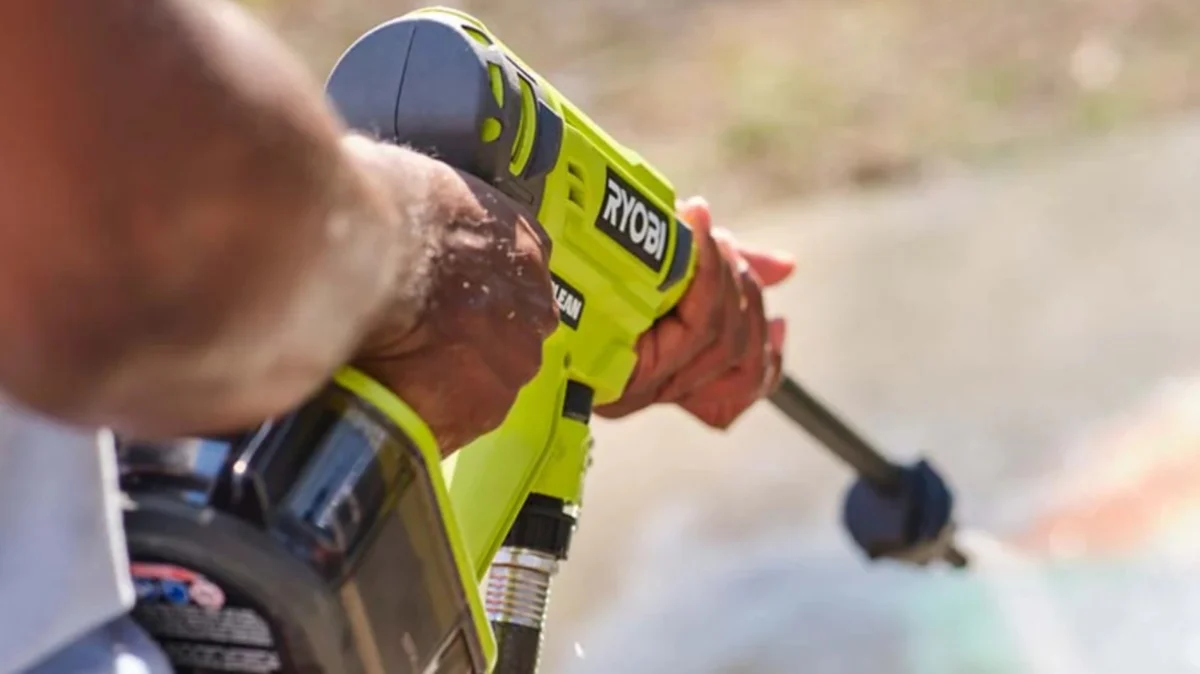
The Ryobi ONE+ 18V EZClean ($49) was designed for the "casual" user—someone who needs to wash patio furniture or rinse siding once a year. It features an impressive, versatile water-sourcing system that allows it to draw from buckets, 2-liter bottles, or standard hoses.
Implications of Material Choice
The primary issue here is not the motor, but the engineering of the water connection port. Numerous customer reviews highlight a specific failure: the plastic wall surrounding the hose connection is less than 1/16th of an inch thick. In a piece of equipment subjected to water pressure and potential torque from a hose, this thin plastic inevitably snaps, rendering the entire unit useless. It is a textbook case of how a high-performance goal (portability and versatility) can be undermined by a critical oversight in structural material selection.
Tilling the Hard Earth: 40V HP Brushless Rear Tine Tiller
At a price point of $999, the 40V HP Brushless Rear Tine Tiller is a significant capital investment. Ryobi positions it as a heavy-duty alternative to a 208cc gas tiller. However, the feedback suggests that the transition from gas-powered performance to battery-electric in the tilling category is still fraught with technical hurdles.
Supporting Data and User Experiences
The tiller has faced criticism regarding its ability to handle dense, compacted soil. Users have reported that the batteries are prone to ejecting from their housing when the tool encounters resistance—a safety feature designed to prevent motor burnout, but one that effectively halts productivity. Furthermore, the "shear pins," intended to be the sacrificial element to protect the engine when hitting rocks, are reported to be overly sensitive. Users have noted these pins snapping in relatively soft soil or when encountering minor debris, leading to constant downtime and expensive, frequent repairs.
Quality Control Concerns: 3300 PSI Gas Pressure Washer
The 3300 PSI 2.4 GPM Gas Pressure Washer represents the outlier in this list, as it is the only gas-powered unit mentioned. Retailing at $399, it features a 212cc engine and sophisticated idle-down technology. However, its 27% recommendation rate on major retail platforms is a red flag that demands investigation.
The "Death by a Thousand Cuts" Phenomenon
Unlike the other tools on this list, which suffer from a singular, predictable design flaw, the gas pressure washer suffers from inconsistent quality control. Complaints are widely distributed: some units experience engine stalling, while others suffer from leaking water valves, broken wheel assemblies, or total pressure failure upon first use. This suggests a systemic issue in the manufacturing or assembly line process, where the quality of individual units varies wildly from the baseline design specifications.
Methodology and Consumer Guidance
To arrive at these conclusions, our analysis focused on the Home Depot review ecosystem, which provides a significantly larger sample size than manufacturer-specific websites. By cross-referencing low-rated products with verified user feedback, we identified recurring themes: structural fragility, poor material selection for stress points, and inconsistent quality control in high-ticket items.
How to Protect Your Investment
When considering a purchase from Ryobi—or any brand—it is essential to look beyond the star rating.
- Filter for "Critical" Reviews: Look for patterns. If ten people mention the same plastic part breaking, it is a design flaw.
- Evaluate the Task: Ensure the tool is rated for the job. A $49 power cleaner is not meant to clean a driveway; using it for such will lead to inevitable disappointment.
- Check the Warranty: Ryobi offers a solid warranty, but understanding what it covers—and the effort required to facilitate a return—is vital before purchasing heavy equipment like a tiller.
While Ryobi remains a dominant force in the DIY market, these specific products serve as a reminder that even the best brands have blind spots. By being an informed consumer and recognizing the limitations of these specific tools, you can ensure that your shed remains filled with equipment that actually makes your yard work easier, not harder.












No comments yet. Be the first to join the conversation!