

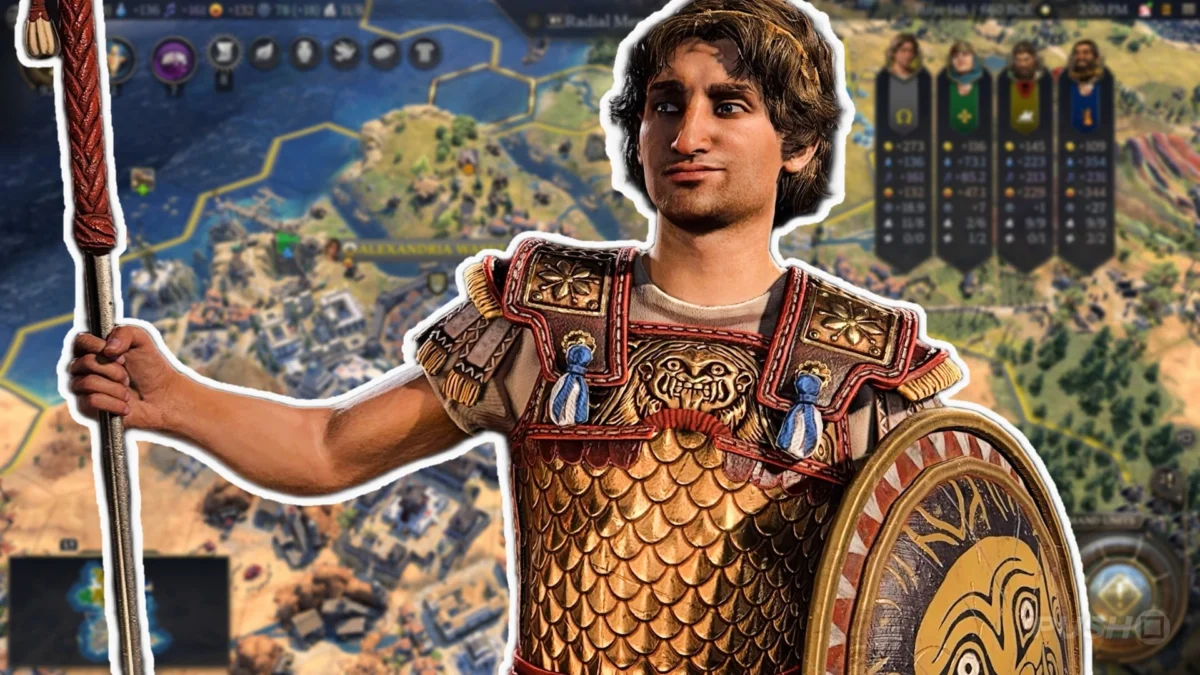
The once-troubled launch of Civilization VII on PlayStation 5 is being met with a monumental, free "Test of Time" update, fundamentally reshaping the gameplay experience and effectively acting as a soft relaunch for the acclaimed strategy title. Addressing widespread player criticism and aiming to recapture the franchise’s traditional player base, this ambitious overhaul introduces a host of significant changes, from a radical reimagining of civilization progression to the complete dismantling of divisive legacy systems.
Since its initial release in February of last year, Civilization VII has struggled to resonate with a significant portion of its dedicated fanbase. Early critical reception, including this publication’s own review, highlighted a core gameplay mechanic – the forced rotation of civilizations across three distinct eras (Antiquity, Exploration, and Modern) – as a potential point of contention. This foresight proved accurate, as player feedback revealed a deep dissatisfaction with the inability to maintain a singular civilization throughout an entire campaign. Furthermore, the structured, often repetitive objectives tied to each era, known as Legacy Paths, were a frequent source of complaint, leading to a noticeable dip in active player numbers on Steam compared to previous installments like Civilization VI and even Civilization V.
In response to this lukewarm reception and the clear desire for a more traditional yet innovative Civilization experience, developer Firaxis Games has launched the "Test of Time" update. This substantial, free content drop is not merely a patch; it is a profound reimagining of the game’s core systems, designed to address player feedback head-on and inject new life into the title. The sheer scope and transformative nature of these changes lead many to believe this update is less of a refinement and more of a complete "soft relaunch," offering a chance for players to re-evaluate Civilization VII with a fresh perspective.
A Paradigm Shift: Civilization Identity and Apex Eras
The most impactful change introduced by the "Test of Time" update is the complete overhaul of how players interact with civilizations across different eras. Previously, players were tethered to a single civilization for the duration of a specific age, forcing them to adapt their strategies based on the era-locked civ. This new system liberates players from that constraint.
Now, the core concept of playing a different civilization during each of the game’s three major ages has been dismantled. Upon reaching an age transition, players are presented with a crucial choice: they can either select a new civilization that aligns with the current era, a nod to the original system, or, crucially, they can choose to continue their reign with the same civilization they have been playing. This fundamental shift offers an unprecedented level of player agency, allowing for both continuity and strategic adaptation.
Central to this new system is the concept of a civilization’s "apex era." Each civilization is now designated with a specific era that represents the zenith of its historical power and unique capabilities. During its apex era, a civilization will have full access to its complete suite of unique units, infrastructure, and inherent bonuses, allowing players to experience that civilization at its most potent.
However, the brilliance of the "Test of Time" update lies in its handling of civilizations outside their apex era. Instead of simply being a weaker version of themselves, these civilizations gain access to a powerful new mechanic: "syncretism." This allows a civilization to adopt a unique unit or infrastructure from another civilization that is currently in its apex era. This means that even if your chosen civilization’s prime is in the distant past, you can still harness the cutting-edge technology or formidable military might of a more advanced culture.
There are, of course, strategic limitations to syncretism. To maintain thematic coherence and prevent anachronistic power imbalances, players can only syncretise with civilizations that are "culturally related" to their own or their leader. Furthermore, the civilization from which you are borrowing must not be actively controlled by another player in the current game. These restrictions ensure that the borrowing mechanic remains a strategic consideration rather than a simple power grab, fostering a more nuanced and balanced gameplay experience.
The implications of this "build your own civ" approach are vast. For instance, a player starting as America in the Antiquity era could choose to syncretise with Rome, gaining access to the Roman Forum as their unique infrastructure. Then, in the Exploration era, they might adopt a unique unit from a medieval civilization. This fusion of historical elements, combined with the game’s ample and unrestricted leader choices, injects a significant dose of strategic depth and thematic replayability that was previously absent. The ability to craft a unique cultural identity by blending the strengths of various civilizations across different eras offers a compelling new dimension to long-term strategy.
Farewell Legacy Paths, Hello Triumphs: A New Approach to Objectives
The "Test of Time" update also addresses another significant point of player dissatisfaction: the removal of the divisive Legacy Paths system. These era-specific, often rigid objectives were criticized for feeling repetitive and forcing players into predetermined playstyles. In their place, Firaxis has introduced the "Triumphs" system, a more flexible and optional approach to in-game achievements.
Triumphs are designed as optional "achievements" that civilizations can strive to earn within each era. Upon successful completion, these Triumphs grant small, but often impactful, bonuses. The system offers a welcome departure from the mandatory nature of Legacy Paths, allowing players to pursue Triumphs organically without feeling compelled to dictate their entire game strategy around them.
The design of Triumphs is varied and encourages diverse play. Some are universally available throughout an era, allowing any civilization to pursue them. Others are competitive, acting as a race to be the first to achieve a specific goal before opponents. Examples of Triumph objectives include founding a large number of cities, achieving a high population, being the first to complete the technology tree, or constructing numerous wonders. The optional nature of Triumphs means that players can choose to engage with them at their own pace and according to their preferred playstyle, without the pressure of them becoming a primary victory condition. This subtle integration allows for a more organic progression and rewards players for excelling in various aspects of the game without the rigidity of the previous system.
Reimagined Victory Conditions: A More Decisive Endgame
The endgame of Civilization VII has also undergone a significant overhaul, with improvements to the final victory conditions designed to create more decisive and satisfying conclusions to campaigns. The previous iteration of the Modern era was often characterized by a frantic, last-minute scramble to secure a single victory type, frequently leading to players ignoring other aspects of their empire.
The "Test of Time" update addresses this by introducing a point-based system that accrues towards an overall victory across all eras. Players now earn points that contribute to specific victory categories throughout the entire game. To claim a victory type, players must accumulate a sufficient number of points in that category. Critically, the number of points required is dynamically adjusted based on the performance of your biggest rivals, mirroring the mechanics seen in Civilization VI’s Tourism victory. This ensures that victory requires a significant lead over all opponents, preventing the "sniping" of victory conditions that could occur previously and making each win feel more earned and conclusive.
The revised system also introduces the possibility of achieving Military, Economic, and Cultural victories even as early as the Exploration era, provided a substantial lead is established over opponents. The Science victory, however, remains tied to the Modern era, necessitating the traditional launch of a spaceship. This persistent requirement for the Science victory is likely a deliberate nod to franchise nostalgia, ensuring that a core element of the Civilization experience remains intact for long-time fans.
Quality of Life and Unexpected Bonuses
Beyond the major systemic overhauls, the "Test of Time" update also brings a host of quality-of-life improvements that streamline the player experience and address long-standing minor annoyances. Many of the user interfaces have been refined for greater clarity and ease of use. A particularly welcome addition is the ability to move your capital to any city at the beginning of each new age, offering greater flexibility in empire management.
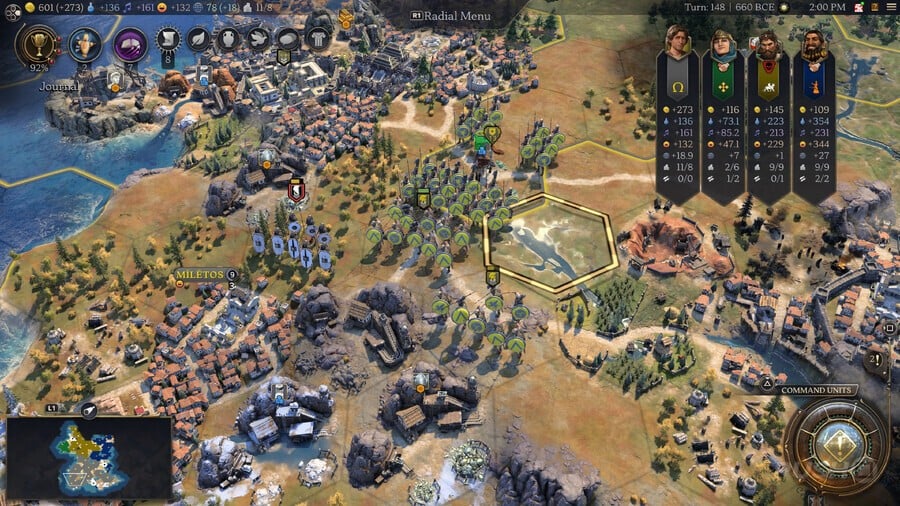
Perhaps one of the most celebrated, albeit smaller, changes is the ability to construct walls around wonders. This simple addition resolves the persistent aesthetic issue of "donut-shaped" cities surrounding impressive monumental structures, allowing for more visually cohesive and strategically defensible empires.
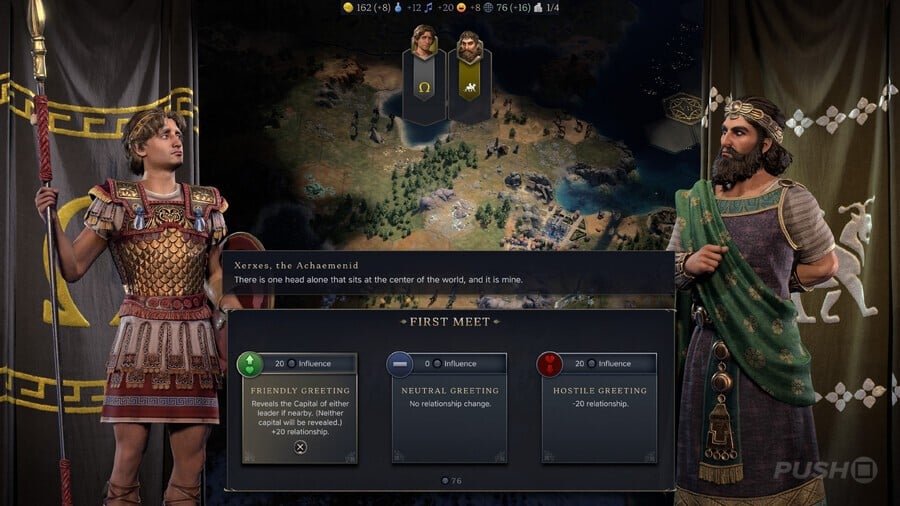
As a final, unexpected bonus, Firaxis Games has included Alexander the Great as a free, extra leader available to all players. This gesture of goodwill further underscores the developer’s commitment to revitalizing the Civilization VII experience and rewarding its player base.
The Road Ahead: A New Era for Civilization VII?
The "Test of Time" update represents a bold and necessary course correction for Civilization VII. By fundamentally altering core mechanics, addressing player feedback with substantial changes, and injecting new layers of strategic depth, Firaxis Games has not only revitalized the title but has effectively presented it as a new game. The question now remains: will these significant changes be enough to recapture the hearts of disillusioned players and attract new ones, ensuring Civilization VII enjoys the long and storied lifespan its predecessors have come to expect? The response to this ambitious update will undoubtedly determine the future trajectory of this beloved strategy franchise.












No comments yet. Be the first to join the conversation!